The 07 Camry Hybrid — referring to the 2007 model year that launched Toyota's hybrid midsize sedan — has evolved dramatically over nearly two decades. The current-generation 2026 Toyota Camry Hybrid bears almost no resemblance to that early pioneer, now featuring Toyota's fifth-generation hybrid system, standard all-wheel drive availability, and fuel economy figures that would have seemed impossible in 2007. If you've been searching for "07 Camry Hybrid" to research Toyota's hybrid lineage or compare early models to today's offerings, this guide covers where the Camry Hybrid stands in 2026 and whether it's the right electrified choice for your garage.
What the 2026 Camry Hybrid Is (and Isn't)
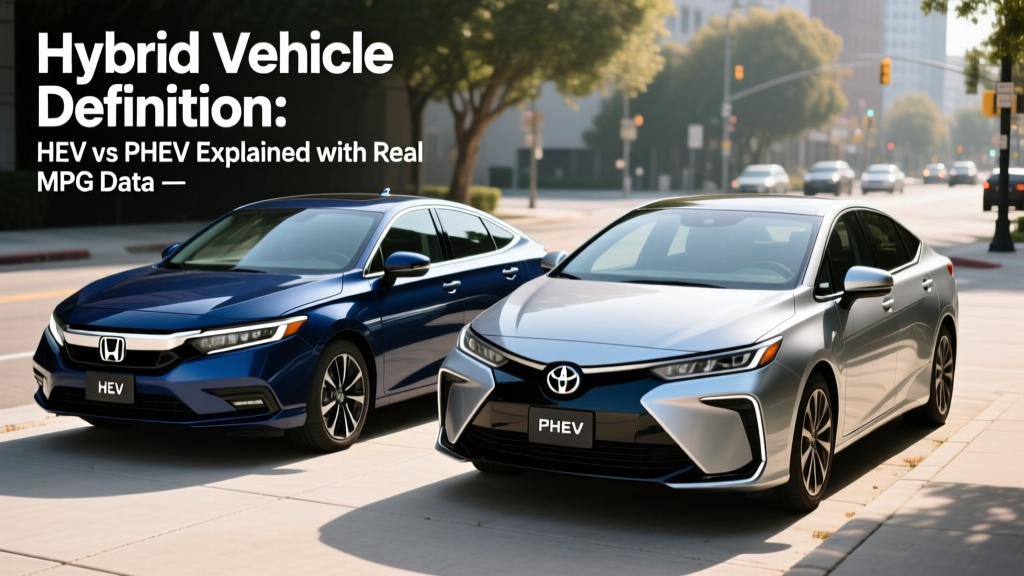
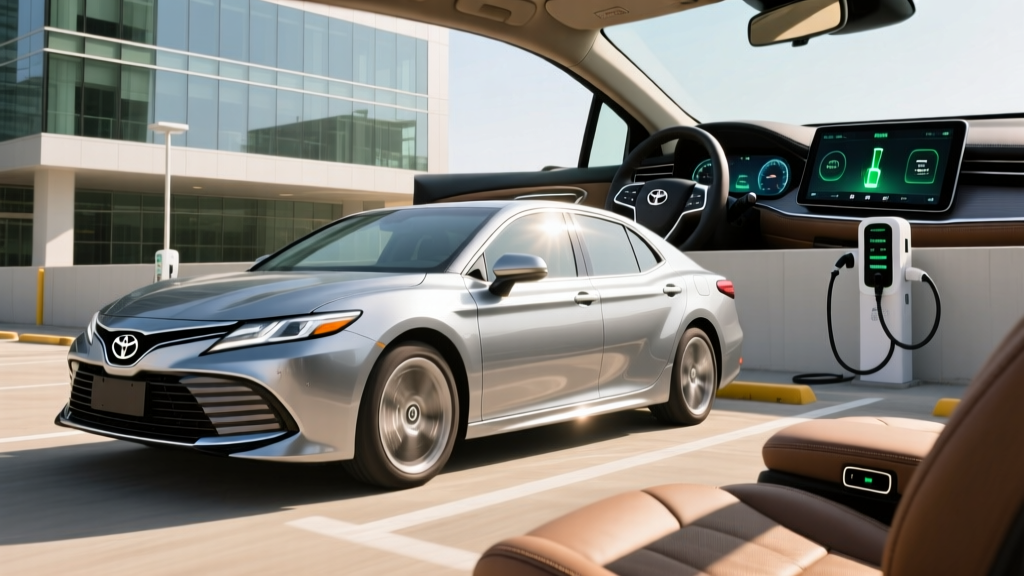
The 2026 Toyota Camry is offered exclusively as a hybrid. Toyota dropped the conventional gas-only four-cylinder Camry after the 2024 model year, making every new Camry a hybrid electric vehicle (HEV). This is a conventional, self-charging hybrid — not a plug-in hybrid (PHEV). You never plug it in. The gasoline engine and regenerative braking recharge a small traction battery, and the electric motor assists during acceleration and enables low-speed electric-only driving in stop-and-go traffic.
Camry Hybrid (HEV): No plug. 1.6 kWh battery. Gas engine + electric motor work together. You fuel it like a normal car and get exceptional MPG.
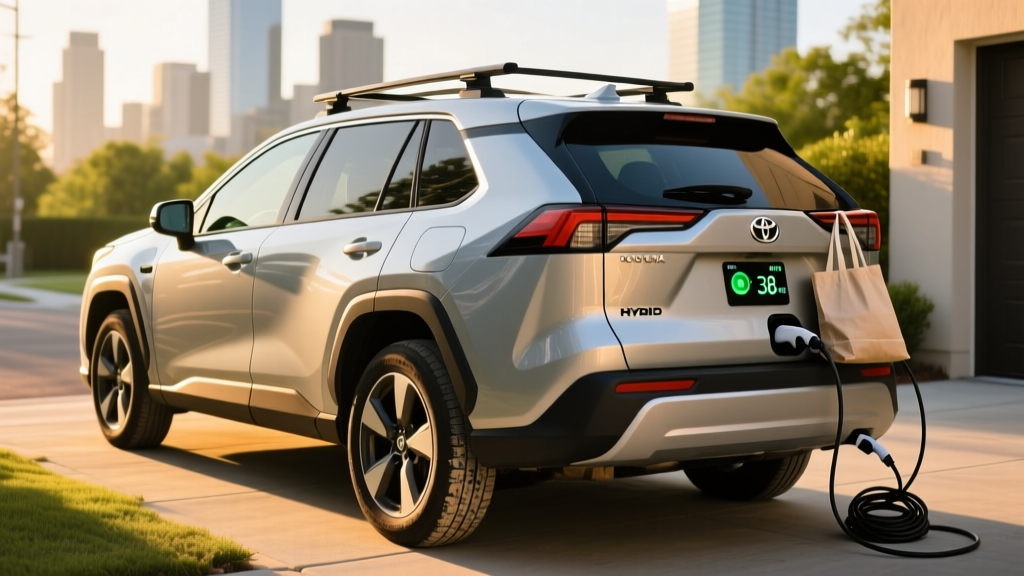
Plug-in Hybrid (PHEV): Has a plug. Larger battery (typically 13–18 kWh). Can drive 25–45 miles on electricity alone before the gas engine kicks in. Examples: Toyota RAV4 Prime, Chrysler Pacifica Hybrid.
Full EV (BEV): No gas engine. Large battery (60–100+ kWh). Must plug in. Examples: Tesla Model 3, Hyundai Ioniq 6.
The 2026 Camry is HEV only. Toyota does not offer a Camry PHEV in the US market.
2026 Camry Hybrid Fuel Economy: EPA and Real-World MPG
Fuel economy is the headline number for any hybrid buyer. The 2026 Camry Hybrid uses Toyota's fifth-generation hybrid powertrain with a 2.5-liter four-cylinder engine paired with electric motors. Here is the EPA-rated fuel economy by drivetrain configuration, per fueleconomy.gov:
| Configuration | City | Highway | Combined |
|---|---|---|---|
| FWD (LE, SE, XLE) | 53 MPG | 50 MPG | 51 MPG |
| AWD (LE, SE, XLE, XSE) | 51 MPG | 49 MPG | 50 MPG |
Real-World MPG: What Owners Actually See
Hybrids tend to exceed their EPA city ratings in real-world stop-and-go driving because regenerative braking recaptures energy that gas cars waste as heat. Many Camry Hybrid owners report 52–56 MPG in city and suburban driving during mild weather. Highway fuel economy, however, typically falls slightly below the EPA sticker — expect 46–49 MPG at sustained 70–75 mph cruising speeds, since the electric motor provides less assistance at high velocity and aerodynamic drag dominates.
In cold weather (below 35°F), expect a 5–10% fuel economy reduction. The engine runs more frequently to provide cabin heat and to warm the catalytic converter, reducing time spent in electric-only mode. This is normal hybrid behavior, not a defect.
Powertrain and Performance Specs
| Specification | 2026 Camry Hybrid |
|---|---|
| Engine | 2.5L DOHC 4-cylinder (184 hp) |
| Electric Motor (FWD) | Permanent magnet AC synchronous (134 hp) |
| Electric Motor (AWD rear) | 40 hp rear-mounted motor (AWD only) |
| Net Combined Horsepower | 225 hp (FWD) / 232 hp (AWD) |
| Traction Battery | Lithium-ion, ~1.6 kWh (self-charging HEV) |
| Transmission | eCVT (electronically controlled) |
| 0–60 mph | ~7.0 seconds (FWD) |
| Fuel Tank | 13.2 gallons |
| Total Driving Range | ~673 miles (FWD, EPA combined) |
The combined 225 hp (FWD) represents a substantial upgrade from the 2007 Camry Hybrid's 192 hp. The AWD variant adds a dedicated rear electric motor that engages automatically when the front wheels slip, providing confident traction in rain and light snow without a mechanical driveshaft — a weight and efficiency advantage over traditional AWD systems.
Pricing and Tax Credit Eligibility
The 2026 Camry Hybrid is positioned as a mainstream midsize sedan. Based on Toyota's current pricing structure:
- LE (FWD): ~$29,995 MSRP
- SE (FWD): ~$31,495 MSRP
- XLE (FWD): ~$34,495 MSRP
- XSE (AWD): ~$36,495 MSRP
AWD adds approximately $1,500 to FWD trims where available.
Does the Camry Hybrid Qualify for a Federal Tax Credit?
No. The federal §30D Clean Vehicle Credit applies exclusively to plug-in electric vehicles (BEVs and PHEVs) with a minimum battery capacity of 7 kWh that can be recharged from an external power source. Because the Camry Hybrid is a conventional HEV with a ~1.6 kWh self-charging battery, it does not qualify for the federal EV tax credit. This is confirmed by IRS §30D guidelines.
Some states and municipalities offer smaller incentives for conventional hybrids, but these vary widely and change frequently. Check your state energy office or the Alternative Fuels Data Center for current local programs.
Battery Warranty, Reliability, and Replacement Cost
Coverage: 10 years / 150,000 miles (whichever comes first) on the hybrid traction battery and all hybrid system components, including the inverter, electric motors, and control modules.
Transferable: Yes — the warranty transfers to subsequent owners at no cost, which supports strong resale value.
Standard powertrain warranty: 5 years / 60,000 miles.
How Long Do Camry Hybrid Batteries Actually Last?
Toyota's hybrid battery track record is among the best in the industry. The original 2007 Camry Hybrid (that "07 Camry Hybrid" you may be researching) used a nickel-metal hydride (NiMH) battery. Many of those early packs lasted 150,000–200,000 miles before needing replacement. The 2026 model uses a more durable lithium-ion pack with superior thermal management, and real-world data from the broader Toyota hybrid fleet (over 25 million hybrids sold globally) suggests these packs routinely exceed 200,000 miles with minimal degradation.
Hybrid batteries don't "die" suddenly the way a 12V starter battery does. They gradually lose capacity, which slightly reduces fuel economy and electric-assist smoothness over time. A 15-year-old Camry Hybrid with 180,000 miles might see a 2–4 MPG drop from peak efficiency — noticeable but not disabling.
Battery Replacement Cost
If a hybrid battery replacement is needed out of warranty, expect:
- New OEM battery from Toyota: $2,500–$4,000 (part + labor at a dealer)
- Refurbished/remanufactured battery: $1,500–$2,500 installed
- Individual cell module replacement (specialist shops): $800–$1,500
For context, a conventional gas car's transmission replacement can cost $3,000–$5,000. The hybrid battery is not the financial liability many buyers fear, especially under Toyota's 10-year warranty.
Overall Reliability
Toyota consistently ranks at or near the top of J.D. Power and Consumer Reports reliability surveys, and the Camry Hybrid is one of the brand's most proven nameplates. The eCVT transmission has no conventional belts, clutches, or torque converter — it's a planetary gearset with far fewer wear components than a traditional automatic. There are no spark plugs to change at 30,000-mile intervals as on some turbocharged competitors. Brake pad life is extended significantly by regenerative braking, often reaching 80,000–100,000 miles before replacement.
Who Should Buy the Camry Hybrid vs a PHEV or Full EV
- 51 MPG combined — best-in-class for midsize sedans
- No plug-in required — fuel it like any gas car
- ~673 miles of total range per tank
- 10-year/150,000-mile hybrid warranty
- Proven long-term reliability and strong resale
- AWD available with dedicated rear electric motor
- Lower purchase price than PHEV or BEV competitors
- No electric-only driving beyond low-speed creep
- Does not qualify for federal EV tax credit
- eCVT lacks the direct feel of a geared transmission
- Less cargo space than crossover alternatives
- Still burns gasoline — not zero tailpipe emissions
Decision Framework
Choose the Camry Hybrid if: You want maximum fuel economy without changing your fueling habits. You don't have access to home or workplace charging. You drive long highway stretches where PHEVs and EVs lose their advantages. You want a sedan with minimal ownership risk and a proven 20-year track record.
Choose a PHEV (like the RAV4 Prime) if: You can charge at home and most daily trips are under 35 miles. You want electric-only commuting but need gas-engine flexibility for road trips. You may qualify for the §30D federal credit on eligible PHEVs.
Choose a full EV (like the Tesla Model 3 or Hyundai Ioniq 6) if: You have reliable home Level 2 charging. Your daily commute is under 250 miles round-trip. You want to eliminate gasoline costs entirely and qualify for the full federal tax credit on eligible models.
From the 2007 Camry Hybrid to 2026: What Changed
If your search brought you here because you own or are considering a used 2007 Camry Hybrid, here's the comparison that matters:
| Spec | 2007 Camry Hybrid | 2026 Camry Hybrid |
|---|---|---|
| Combined MPG (EPA) | 34 MPG | 51 MPG |
| Combined HP | 192 hp | 225 hp |
| Battery Chemistry | NiMH | Lithium-ion |
| AWD Available | No | Yes (electric rear motor) |
| Hybrid Battery Warranty | 8 yr / 100,000 mi | 10 yr / 150,000 mi |
| 0–60 mph | ~7.3 sec | ~7.0 sec |
The 50% fuel economy improvement over 19 years of hybrid development is substantial. A 2026 Camry Hybrid owner driving 15,000 miles per year at $3.40/gallon would spend approximately $1,000 annually on fuel — compared to roughly $1,500 for a 2007 Camry Hybrid and $1,800 for a typical non-hybrid midsize sedan getting 28 MPG combined.
Frequently Asked Questions
How many MPG does the 2026 Camry Hybrid get?
The EPA rates the FWD Camry Hybrid at 53 city / 50 highway / 51 combined MPG. The AWD version is rated at 51/49/50 MPG. Real-world city driving often exceeds the EPA city figure, while sustained highway speeds above 70 mph may yield 46–49 MPG.
Does the Camry Hybrid need to be plugged in?
No. The Camry Hybrid is a conventional HEV. It recharges its own battery through the gasoline engine and regenerative braking. You simply fill it with gasoline like any other car.
Is the Camry Hybrid available as a plug-in hybrid (PHEV)?
No. Toyota does not offer a plug-in Camry in the US market. If you want a Toyota PHEV, the RAV4 Prime (42 miles electric-only range) is the closest option.
Is the Camry Hybrid battery reliable and what does replacement cost?
Toyota hybrid batteries are among the most reliable in the industry, routinely lasting 200,000+ miles. The 2026 battery is covered by a 10-year/150,000-mile warranty. Out-of-warranty replacement costs $1,500–$4,000 depending on whether you choose refurbished or new OEM.
Does the 2026 Camry Hybrid qualify for any federal tax credit?
No. The federal §30D Clean Vehicle Credit requires a vehicle to be a plug-in EV or PHEV with at least 7 kWh of battery capacity and external charging capability. The Camry Hybrid's ~1.6 kWh self-charging battery does not meet these requirements. Check your state for any local hybrid incentives.
How does the Camry Hybrid compare to a full EV for total cost of ownership?
A Camry Hybrid costs less upfront (~$30,000–$36,500) than most EVs and avoids the need for home charger installation ($500–$2,000). However, you'll still spend ~$1,000/year on gasoline. A comparable EV like the Tesla Model 3 RWD (~$39,000 before incentives) may cost $400–$600/year in electricity and can qualify for up to $7,500 in federal tax credits if eligible. Over 5 years, the math depends heavily on your local electricity rates, annual mileage, and tax credit eligibility.