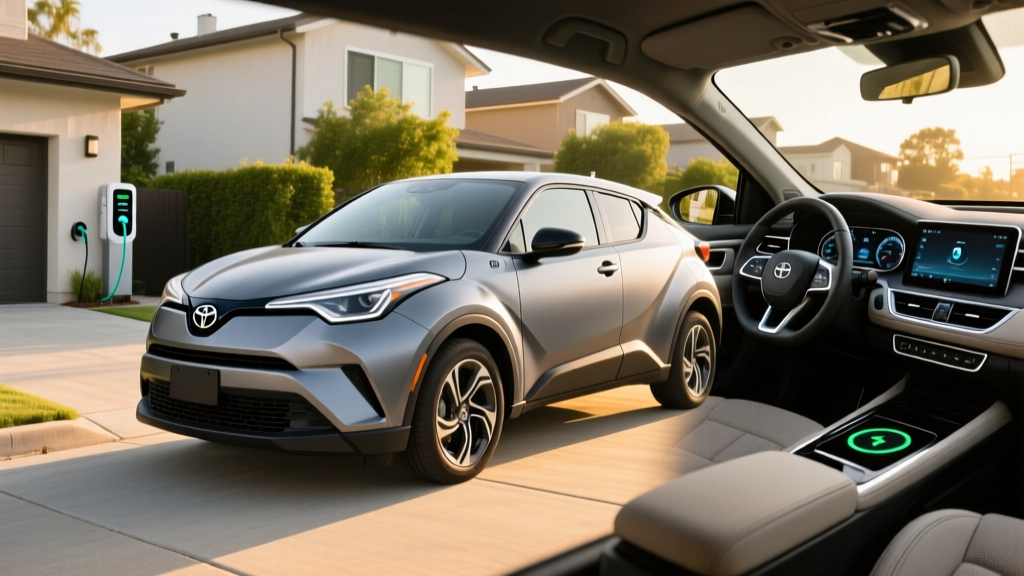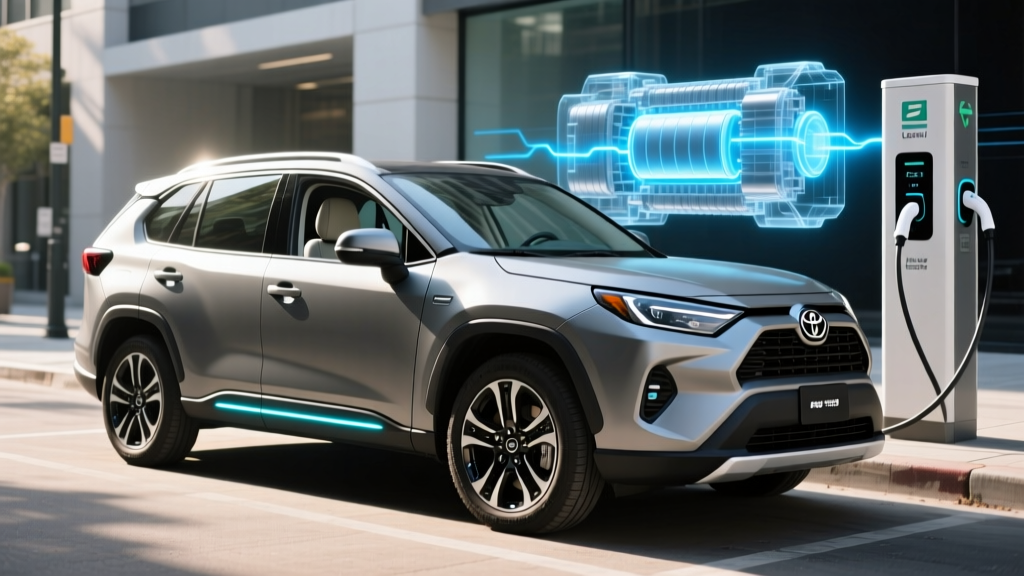
The 2025 Toyota RAV4 Hybrid XLE AWD occupies a specific niche that millions of American buyers are chasing: a compact SUV that sips fuel in city traffic, handles light snow with electronic all-wheel drive, and never requires you to hunt for a charging station. With an EPA-estimated 39 MPG combined and a starting MSRP around $33,855 (including destination), the XLE AWD trim hits the sweet spot of Toyota's hybrid lineup — adding blind-spot monitoring, dual-zone climate, and Smart Key over the base LE without the premium of the Limited or Woodland Edition.
This guide covers the exact numbers that matter: real-world fuel economy versus the EPA sticker, the 219-hp hybrid powertrain architecture, long-term battery reliability data, and whether any federal or state incentives apply. If you're cross-shopping a full EV or the RAV4 Prime plug-in hybrid, we'll clarify which powertrain fits your driving pattern.
HEV vs PHEV: Which RAV4 Hybrid Are We Talking About?
Toyota sells two electrified RAV4 variants, and confusing them is the most common buyer mistake. The RAV4 Hybrid (this review's subject) is a conventional hybrid electric vehicle (HEV). It generates all its electricity internally — you never plug it in. A small 1.6 kWh nickel-metal hydride (NiMH) battery buffer captures energy from regenerative braking and the gasoline engine, then deploys it to assist acceleration and enable brief low-speed electric-only creeping.
The RAV4 Prime is a plug-in hybrid (PHEV) with an 18.1 kWh lithium-ion battery, an electric-only range of 42 miles (EPA), and the ability to charge from a wall outlet. It qualifies for some federal and state incentives that the standard Hybrid does not. We'll compare them directly below.
| Attribute | RAV4 Hybrid XLE AWD (HEV) | RAV4 Prime SE AWD (PHEV) |
|---|---|---|
| Powertrain type | Conventional hybrid — no plug | Plug-in hybrid — charges from outlet |
| Combined horsepower | 219 hp | 302 hp |
| Battery capacity | ~1.6 kWh (NiMH) | 18.1 kWh (Li-ion) |
| Electric-only range | Less than 1 mile at low speed | 42 miles (EPA) |
| EPA combined fuel economy | 39 MPG | 94 MPGe (electric) / 38 MPG (gas-only) |
| Plugs in? | No | Yes — Level 1 or Level 2 |
| Base MSRP (2025) | ~$33,855 | ~$43,690 |
| Federal tax credit (§30D) | Not eligible | Eligibility depends on sourcing/income — verify on IRS.gov |
Fuel Economy: EPA Ratings and Real-World MPG
The EPA rates the 2025 RAV4 Hybrid AWD at 41 MPG city / 38 MPG highway / 39 MPG combined, per fueleconomy.gov. These numbers apply across all AWD trims (LE, XLE, XLE Premium, SE, Woodland Edition, Limited) because the powertrain is mechanically identical.
| Driving Cycle | EPA Rating | Real-World Expectation |
|---|---|---|
| City | 41 MPG | 40–44 MPG (hybrids often beat EPA in stop-and-go) |
| Highway | 38 MPG | 34–37 MPG (aerodynamic drag and sustained speeds reduce regen benefit) |
| Combined | 39 MPG | 36–41 MPG depending on driving mix |
Why real-world often exceeds EPA in the city: Toyota's Series-Parallel hybrid system (branded Hybrid Synergy Drive) shuts off the gasoline engine at stops and uses the electric motor for initial acceleration. Every brake application regenerates energy back into the battery. Dense urban driving with frequent stops maximizes these benefits. Owners on Fuelly and Edmunds forums regularly report 42–44 MPG in city-heavy commutes.
Where MPG drops: Sustained 75+ MPH highway driving, cold weather below 30°F (engine runs more often for cabin heat), and mountainous terrain all pull real-world numbers below the EPA sticker. In winter testing with temperatures in the teens, expect 33–36 MPG combined until the powertrain and cabin warm up. The RAV4 Hybrid lacks a heat pump — cabin heat comes from engine coolant, so the gas engine cycles on more frequently in cold weather.
Powertrain Deep Dive: 219 HP with Electronic AWD
The 2025 RAV4 Hybrid XLE AWD pairs a 2.5-liter Dynamic Force four-cylinder engine (176 hp / 163 lb-ft on its own) with three electric motor-generators:
- MG1 (front): Acts as a starter, generator, and transmission-ratio controller
- MG2 (front): Primary drive motor — 118 hp / 149 lb-ft, propels the front wheels
- Rear motor: 54 hp, dedicated to the rear axle for AWD traction — no mechanical driveshaft connects the front and rear
Net system output is 219 horsepower. The electronic continuously variable transmission (eCVT) uses a planetary gearset rather than a belt-and-pulley design, which contributes to the powertrain's long-term reliability — there are no friction bands or clutch packs to wear out.
0–60 MPH takes approximately 7.4 seconds, which is adequate for merging and passing but not sporty. The electronic AWD system (Toyota calls it AWD-i) engages the rear motor on demand during acceleration, low-traction starts, and detected slip. It's not a rock-crawling system, but it handles snow, rain, and gravel confidently. Maximum towing capacity is 1,750 pounds — sufficient for a small utility trailer but not a boat or camper.
Pricing, Trims, and Tax Credit Eligibility
The 2025 RAV4 Hybrid XLE AWD carries a base MSRP of approximately $33,855 including destination. Key XLE-standard features over the base LE include Blind Spot Monitor with Rear Cross-Traffic Alert, Smart Key with push-button start, dual-zone automatic climate control, and a 7-inch or available 10.5-inch touchscreen with wireless Apple CarPlay and Android Auto.
Popular options that push the out-the-door price higher:
- Convenience Package (power liftgate, moonroof): ~$1,025
- Weather Package (heated seats, heated steering wheel, de-icer): ~$925
- 10.5-inch multimedia upgrade with navigation: ~$1,400
Federal Tax Credit: Not Eligible
Under IRS §30D rules, the conventional RAV4 Hybrid does not qualify for the federal clean vehicle tax credit. Only plug-in electric vehicles (BEVs and PHEVs with at least 7 kWh of battery capacity) are eligible. The RAV4 Prime PHEV may qualify depending on current battery-sourcing, MSRP, and buyer-income requirements — check the latest rules at IRS.gov clean vehicle credits.
Some states offer rebates or HOV-lane access for hybrids, but these vary widely by jurisdiction. Check your state's energy office or DMV for current programs.
Battery Longevity, Warranty, and Replacement Cost
Toyota Hybrid Battery Warranty (2025): 10 years / 150,000 miles, whichever comes first. This applies in all 50 states (not just CARB states) and covers capacity loss and defects. The hybrid system components (inverter, motor-generators, control electronics) carry an 8-year / 100,000-mile warranty.
How long do RAV4 Hybrid batteries actually last? Toyota's NiMH hybrid batteries have a long track record dating to the 2001 Prius. Data from fleet operators and owner surveys suggests most Toyota hybrid batteries last 150,000–200,000+ miles before significant degradation. The RAV4 Hybrid's relatively small battery (1.6 kWh) operates within a narrow state-of-charge window (roughly 40–80%), which dramatically reduces stress and extends cycle life.
Battery replacement cost if out of warranty: A new OEM hybrid battery pack for the RAV4 Hybrid runs approximately $3,000–$4,500 installed at a dealership. Refurbished or aftermarket options from companies like Green Bean Battery are available for $1,500–$2,500 installed. Individual module replacement (only the degraded cells) can bring the cost below $1,000 at specialized hybrid repair shops. For context, this is far less than EV traction battery replacement, which can exceed $10,000.
Who Should Choose the RAV4 Hybrid XLE AWD?
Choose the RAV4 Hybrid (HEV) if:
- You cannot charge at home (apartment, street parking, no garage outlet)
- Your budget is $32,000–$38,000 and you want AWD
- You drive a city-heavy commute where hybrid MPG shines
- You want Toyota's long-term reliability and a 10-year battery warranty
- You take frequent road trips and don't want to plan around charging
Choose the RAV4 Prime (PHEV) if:
- You can install a Level 2 charger at home and your daily commute is under 42 miles
- You want to drive mostly electric on weekdays and use gas only for weekend trips
- You value the 302 hp performance upgrade
- You may qualify for federal or state PHEV incentives
Choose a full EV (like the Toyota bZ4X or Hyundai Ioniq 5) if:
- You have reliable home charging and your daily driving is under 250 miles
- You want zero tailpipe emissions and minimal maintenance (no oil changes, no engine)
- You qualify for the $7,500 federal EV credit, which narrows the price gap
Real-World Ownership Costs: 5-Year Projection
Here's a grounded look at what owning a 2025 RAV4 Hybrid XLE AWD costs versus the gas-only RAV4 AWD (LE trim, 30 MPG combined) and a comparable EV over 5 years / 75,000 miles:
| Cost Factor | RAV4 Hybrid AWD (39 MPG) | RAV4 Gas AWD (30 MPG) | Comparable EV (120 MPGe) |
|---|---|---|---|
| Fuel / electricity | ~$5,770 (gas at $3.00/gal) | ~$7,500 (gas at $3.00/gal) | ~$3,125 (at $0.15/kWh) |
| Maintenance (oil, filters, brakes) | ~$2,800 | ~$3,500 | ~$1,500 |
| Estimated depreciation | ~$12,000 | ~$13,500 | ~$14,000 |
| Total operating cost (excl. insurance, purchase price) | ~$20,570 | ~$24,500 | ~$18,625 |
The hybrid saves roughly $3,900 over 5 years versus the gas-only RAV4 in fuel and maintenance alone. Regenerative braking extends brake pad life significantly — many hybrid owners report 80,000+ miles on original brake pads. Oil changes are still required every 10,000 miles, but the engine runs less total time than a conventional vehicle, reducing long-term wear.
Pros and Cons at a Glance
Pros
- 39 MPG combined, often 42+ in city driving
- No charging required — fuel at any gas station
- AWD-i handles snow and rain confidently
- 10-year / 150,000-mile hybrid battery warranty
- Strong resale value — RAV4 Hybrid holds value better than most compact SUVs
- Proven, low-complexity powertrain with no turbo, no belt-driven accessories
Cons
- No federal tax credit eligibility
- eCVT drone under hard acceleration (no simulated gear shifts)
- Modest 1,750-lb towing capacity
- Rear motor AWD is not a true off-road system
- Cabin noise above 70 MPH — less insulation than rivals like the Hyundai Tucson Hybrid
- Infotainment system lags behind competitors in responsiveness
Frequently Asked Questions
How many MPG does the 2025 RAV4 Hybrid XLE AWD get?
The EPA rates it at 41 city / 38 highway / 39 combined MPG. In real-world city-heavy driving, many owners report 42–44 MPG. Highway-only driving at 75+ MPH typically yields 34–37 MPG. Cold weather reduces fuel economy by 3–5 MPG due to increased engine run time for cabin heat.
Does the RAV4 Hybrid need to be plugged in?
No. The RAV4 Hybrid is a conventional hybrid (HEV). It charges its small battery through regenerative braking and the gasoline engine. You never plug it in. Only the RAV4 Prime (PHEV) requires plugging in to access its 42-mile electric range.
Is the RAV4 Hybrid reliable, and what does battery replacement cost?
Toyota's hybrid system is among the most reliable powertrains in the industry, backed by a 10-year / 150,000-mile battery warranty. Real-world data shows most batteries lasting 150,000–200,000+ miles. If replacement is needed out of warranty, expect $3,000–$4,500 for a new OEM battery, or $1,500–$2,500 for a refurbished unit.
Does the RAV4 Hybrid qualify for any tax credit?
The conventional RAV4 Hybrid does not qualify for the federal §30D clean vehicle tax credit, which is reserved for plug-in vehicles. The RAV4 Prime PHEV may qualify depending on current IRS rules regarding battery sourcing, MSRP caps, and buyer income limits. Some states offer separate hybrid rebates — check your local programs.
How does the RAV4 Hybrid AWD system work?
Toyota's AWD-i uses a dedicated 54-hp electric motor on the rear axle — there is no mechanical driveshaft from the engine. The rear motor engages automatically during acceleration, low-traction starts, and when front-wheel slip is detected. It's effective for snow, rain, and gravel but not designed for serious off-roading. At steady highway speeds, the vehicle operates in front-wheel drive for efficiency.
RAV4 Hybrid vs RAV4 Prime — which should I buy?
If you can charge at home and your commute is under 42 miles round-trip, the Prime lets you drive mostly on electricity while retaining gas-engine range for longer trips. If you can't charge at home, want a lower purchase price, or primarily take long trips, the standard Hybrid is simpler and still delivers excellent fuel economy. The Prime also offers 302 hp versus the Hybrid's 219 hp.
Sources: EPA fuel economy data from fueleconomy.gov; federal tax credit rules from IRS.gov; Toyota specifications from Toyota.com.