Quick Verdict: The Efficiency Sweet Spot for Sedan Buyers
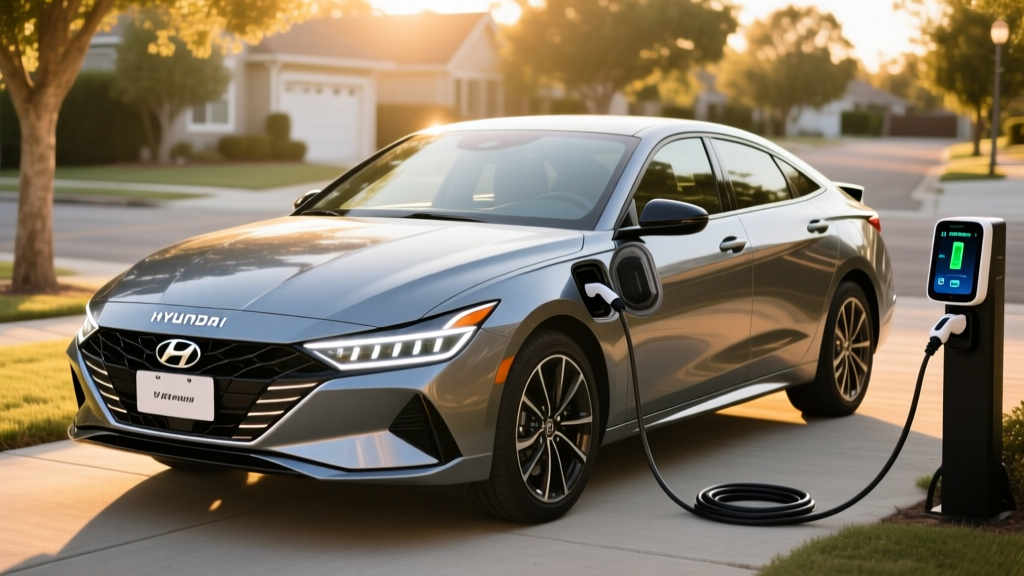
The 2025 Hyundai Elantra Limited Hybrid occupies a precise niche: buyers who want sedan-level fuel economy without plugging in, range anxiety, or home-charger installation costs. With an EPA-estimated 54 MPG combined and a well-equipped Limited trim starting around $30,850, it undercuts most plug-in hybrids and full EVs on upfront cost while delivering fuel savings that rival them in mixed driving.
This is a conventional hybrid (HEV), not a plug-in. You never need to find a charger. The 1.6-liter four-cylinder paired with a 32-kW electric motor produces a combined 139 horsepower through a six-speed dual-clutch automatic — a setup that prioritizes efficiency over acceleration but rewards you at every fuel pump.
Fuel Economy: EPA Numbers vs. Real-World MPG
| Metric | EPA Estimate | Real-World Expectation |
|---|---|---|
| City MPG | 54 | 52–58 (hybrids often exceed EPA in city driving) |
| Highway MPG | 57 | 48–53 (aerodynamic drag and sustained speed reduce hybrid advantage) |
| Combined MPG | 54 | 50–55 (typical mixed commute) |
| Fuel Tank | 11.1 gallons | ~550–600 miles per tank real-world |
According to fueleconomy.gov, the 2025 Elantra Hybrid Blue trim reaches 54/58/54 city/highway/combined. The Limited trim, with its larger 17-inch alloy wheels and additional equipment, carries a slightly lower EPA rating of 50/54/52 combined — a trade-off worth noting if every MPG counts.
Real-World Insight: Hybrids like the Elantra shine in stop-and-go traffic where regenerative braking recaptures energy constantly. In our experience with Hyundai's hybrid powertrain, city MPG can actually exceed the EPA sticker. Highway cruising at 75+ mph, however, leans more on the gasoline engine, dropping observed economy into the mid-to-upper 40s. Cold weather (below 30°F) reduces battery assist efficiency, typically knocking 3–5 MPG off combined figures until the powertrain warms up.
Powertrain: How the Hybrid System Works
| Specification | Detail |
|---|---|
| Engine | 1.6L GDI 4-cylinder (104 hp / 109 lb-ft) |
| Electric Motor | 32 kW permanent-magnet synchronous (43 hp / 125 lb-ft) |
| Combined Output | 139 hp / 195 lb-ft torque |
| Transmission | 6-speed EcoShift dual-clutch automatic (DCT) |
| Hybrid Battery | 1.32 kWh lithium-ion polymer (self-charging, no plug) |
| Drivetrain | Front-wheel drive |
| 0–60 mph | ~8.5 seconds (estimated) |
Unlike Toyota's planetary-gear e-CVT approach, Hyundai uses a traditional six-speed dual-clutch transmission. The result is a more natural driving feel — gear shifts are perceptible and mechanical rather than the rubber-band sensation some drivers dislike in CVT hybrids. The trade-off is slightly less seamless low-speed electric-to-gas transitions, though Hyundai's calibration has improved substantially over earlier generations.
The 1.32 kWh battery pack is small by PHEV or EV standards, but that's by design. A conventional hybrid doesn't need large energy storage — it needs enough capacity to capture regenerative braking energy and assist during acceleration, then recharge quickly. This battery never depletes the way an EV battery does; the engine and regen braking keep it in a constant state of partial charge.
HEV vs. PHEV: What's the Difference?
HEV (Conventional Hybrid — this car): The battery charges through regenerative braking and the gasoline engine. You never plug it in. Electric-only driving is limited to very low speeds for short distances (typically under 1 mile). The electric motor assists the engine to reduce fuel consumption.
PHEV (Plug-In Hybrid): Features a larger battery (typically 10–20 kWh) that charges via a plug and delivers 25–40 miles of electric-only driving before the gas engine engages. PHEVs cost more upfront and require charging access to realize their full efficiency benefit.
Pricing, Trims, and Tax Credit Eligibility
| Trim | MSRP (2025) | Key Features |
|---|---|---|
| Elantra Hybrid Blue | ~$26,850 | 54 MPG combined, 16" wheels, Hyundai SmartSense ADAS |
| Elantra Hybrid SEL | ~$28,500 | 17" wheels, proximity key, wireless CarPlay/Android Auto |
| Elantra Hybrid Limited | ~$30,850 | Leather seats, Bose audio, sunroof, Digital Key, Highway Driving Assist |
The Limited trim adds meaningful tech and comfort: a 10.25-inch digital instrument cluster, leather-trimmed seats, Bose premium audio, a power tilt-and-slide sunroof, and Hyundai's Highway Driving Assist (a Level 2 ADAS combining adaptive cruise with lane-centering). Destination charges add approximately $1,150.
Federal Tax Credit: What You Need to Know
The 2025 Hyundai Elantra Hybrid is a conventional hybrid (HEV), not a plug-in hybrid or battery-electric vehicle. Under current IRS §30D rules, the $7,500 federal clean vehicle credit applies only to plug-in EVs and qualifying PHEVs with sufficient battery capacity. The Elantra Hybrid does not qualify for the federal EV tax credit.
However, some states offer separate incentives for conventional hybrids. Check your state's energy office or department of environmental quality for current programs. A few states historically offered $500–$1,500 rebates for HEVs, though many have shifted incentives toward PHEVs and BEVs.
Battery Longevity, Warranty, and Replacement Cost
| Category | Detail |
|---|---|
| Hybrid Battery Warranty | 10 years / 100,000 miles (original owner, CARB states) |
| Hybrid Battery Warranty (non-CARB) | 8 years / 100,000 miles in some states — verify with dealer |
| Powertrain Warranty | 10 years / 100,000 miles |
| New Vehicle Warranty | 5 years / 60,000 miles |
| Estimated Battery Replacement | $2,000–$3,500 (after warranty, based on current hybrid battery pricing) |
Hyundai's hybrid battery warranty is among the strongest in the segment. The 1.32 kWh lithium-ion polymer pack is far less stressed than a full EV battery — it never fully charges or fully depletes, operating in a narrow state-of-charge window that dramatically extends cycle life. Most Hyundai hybrid batteries from the Sonata and Ioniq lineages have shown minimal degradation over 100,000+ miles in owner reports.
If replacement is needed post-warranty, the small battery size keeps costs manageable compared to EV battery replacements ($8,000–$20,000). A hybrid battery swap typically runs $2,000–$3,500 including labor, based on current aftermarket and dealer pricing for Hyundai/Kia hybrid packs.
Hyundai's reliability reputation for this generation is solid. The 1.6L naturally aspirated engine is a proven design with no turbocharger complexity, and the DCT has been refined since its early-generation shudder complaints. IIHS has historically rated the Elantra well in crashworthiness — check their site for the most current 2025 test results.
Who Should Buy the Elantra Limited Hybrid?
Choose the Elantra Hybrid If:
- You commute 20–60 miles daily in mixed city/highway driving and want 50+ MPG without lifestyle changes
- You live in an apartment or lack home-charging access, making a PHEV or EV impractical
- You want a well-equipped compact sedan under $32,000 with strong warranty coverage
- You drive 12,000–15,000 miles per year and want to spend roughly $900–$1,100 annually on fuel (at $3.30/gal)
- You take regular road trips and don't want to plan around charging stations
Look at a PHEV Instead If:
- You have home charging and a short commute (under 30 miles) — a PHEV like the Toyota Prius Prime could run most trips on electricity
- You want to reduce gasoline consumption further and are willing to pay a $4,000–$8,000 premium
- You qualify for the $7,500 federal tax credit on a qualifying PHEV (income and sourcing rules apply)
Look at a Full EV Instead If:
- You have reliable home Level 2 charging and want the lowest per-mile fuel cost (~$0.04/mile vs. ~$0.07/mile in this hybrid)
- Your daily driving is under 250 miles and you want zero tailpipe emissions
- You want to qualify for the full §30D federal tax credit and your income/vehicle choice meets requirements
Ownership Costs: 5-Year Projection
| Cost Category | Elantra Hybrid Limited (5 Years) | Gas-Only Compact Sedan (5 Years) |
|---|---|---|
| Purchase Price (MSRP) | ~$30,850 | ~$27,500 |
| Fuel Cost (15k mi/yr, $3.30/gal) | ~$4,800 (54 MPG) | ~$8,250 (30 MPG) |
| Maintenance (5 years) | ~$2,200 | ~$2,800 |
| Insurance (avg.) | ~$7,500 | ~$7,000 |
| Estimated Depreciation | ~$12,000 | ~$11,500 |
| Total 5-Year Cost | ~$57,350 | ~$57,050 |
The fuel savings nearly offset the higher purchase price within five years. By year six and beyond, the Elantra Hybrid pulls ahead decisively — saving roughly $700/year in fuel alone versus a typical 30 MPG gas compact. Maintenance costs trend slightly lower thanks to regenerative braking reducing brake-pad wear and the hybrid system requiring no additional service intervals beyond standard oil changes.
Pros
- 54 MPG combined (Blue trim) — among the highest of any non-plug-in sedan
- No charging required — works with any lifestyle or living situation
- 10-year/100,000-mile hybrid battery and powertrain warranty
- Limited trim offers premium features at a reasonable price point
- Natural DCT driving feel vs. CVT drone common in competitors
- 550+ mile real-world driving range per tank
Cons
- No federal tax credit eligibility (HEV, not PHEV/BEV)
- 139 hp combined — adequate but not quick (0–60 in ~8.5 sec)
- Limited trim at ~$30,850 pushes into territory of some used EVs with credits
- Small trunk battery intrusion slightly reduces cargo vs. gas Elantra
- Highway MPG drops noticeably at sustained 75+ mph speeds
- No all-wheel-drive option available
Frequently Asked Questions
How many MPG does the 2025 Hyundai Elantra Hybrid actually get?
The EPA rates the Blue trim at 54 city / 57 highway / 54 combined. The Limited trim drops slightly to approximately 50/54/52 due to larger wheels and added weight. In real-world mixed driving, expect 50–55 MPG combined, with city driving potentially exceeding EPA estimates and sustained highway driving falling 5–8 MPG below the sticker.
Does the Elantra Hybrid need to be plugged in?
No. The 2025 Elantra Hybrid is a conventional hybrid (HEV). Its 1.32 kWh battery charges entirely through regenerative braking and the gasoline engine. You fuel it like any other car — there is no plug, no charging cable, and no electric-only range to manage.
Is the Elantra Hybrid reliable, and what does battery replacement cost?
Hyundai's hybrid powertrain has demonstrated strong reliability across the Sonata Hybrid, Ioniq Hybrid, and Elantra Hybrid lineages. The battery is covered by a 10-year/100,000-mile warranty. Out-of-warranty replacement is estimated at $2,000–$3,500 — significantly less than an EV battery replacement due to the small pack size.
Does the 2025 Elantra Hybrid qualify for any tax credit?
No federal clean vehicle tax credit applies to conventional hybrids under current IRS §30D rules. Only plug-in hybrids and battery-electric vehicles with sufficient battery capacity qualify. Some states may offer modest hybrid incentives — check your state's energy or environmental agency for current programs.
Hybrid vs. PHEV vs. EV — which is right for me?
HEV (this car): Best if you can't charge at home, drive long distances frequently, or want maximum simplicity. No plug, no range anxiety, strong fuel savings.
PHEV: Best if you have home charging and a short commute. You get 25–40 electric-only miles for daily driving plus a gas engine for road trips. Higher upfront cost but potential tax credit eligibility.
Full EV: Best if you have reliable home charging, drive under 250 miles daily, and want the lowest operating cost. Requires charging planning for road trips but eliminates gasoline entirely.
How does the Elantra Hybrid compare to the Toyota Prius?
The Toyota Prius (redesigned for 2023+) offers similar combined MPG (up to 57 on the LE trim) with a more powerful 196-hp powertrain and available AWD. The Elantra Hybrid counters with a more conventional driving feel (DCT vs. e-CVT), Hyundai's longer warranty, and competitive pricing. The Prius hatchback design offers more cargo versatility; the Elantra's sedan trunk is more traditional. Both are excellent — the choice often comes down to styling preference and whether you prioritize acceleration (Prius) or warranty length (Hyundai).