Quick Verdict: A Luxury Family Hauler With a Short Electric Leash
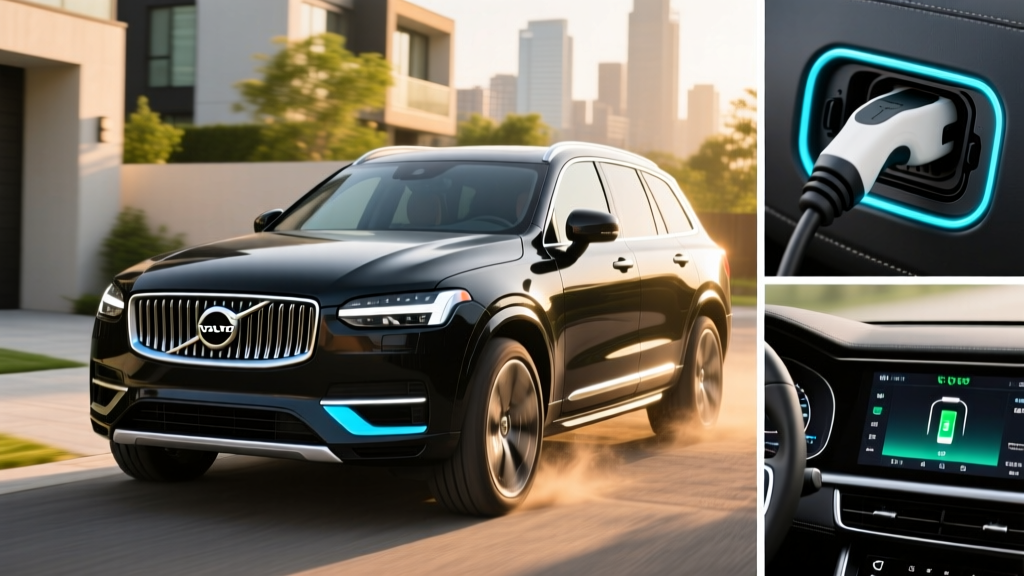
The 2022 Volvo XC90 Recharge plug-in hybrid occupies a specific niche: three-row luxury SUV buyers who want electric commuting without fully committing to a battery-electric vehicle. With 35 miles of EPA-rated electric-only range and a combined 455 horsepower from its turbocharged, supercharged, and electrified powertrain, it delivers on both efficiency and performance — but only if your daily routine fits within its modest battery envelope.
Now available exclusively on the used market, the 2022 XC90 Recharge presents an interesting value proposition. Depreciation has softened the original $68,000+ sticker, and qualifying buyers may still capture a federal used-EV tax credit. Here's exactly what you need to know before buying one in 2026.
HEV vs PHEV: What the XC90 Recharge Actually Is
Volvo's naming can confuse shoppers. Let's clarify the distinction before diving into specs.
Conventional Hybrid (HEV)
- No plug — battery charges via regenerative braking and the engine
- Small battery (~1-2 kWh)
- No electric-only driving beyond low-speed assist
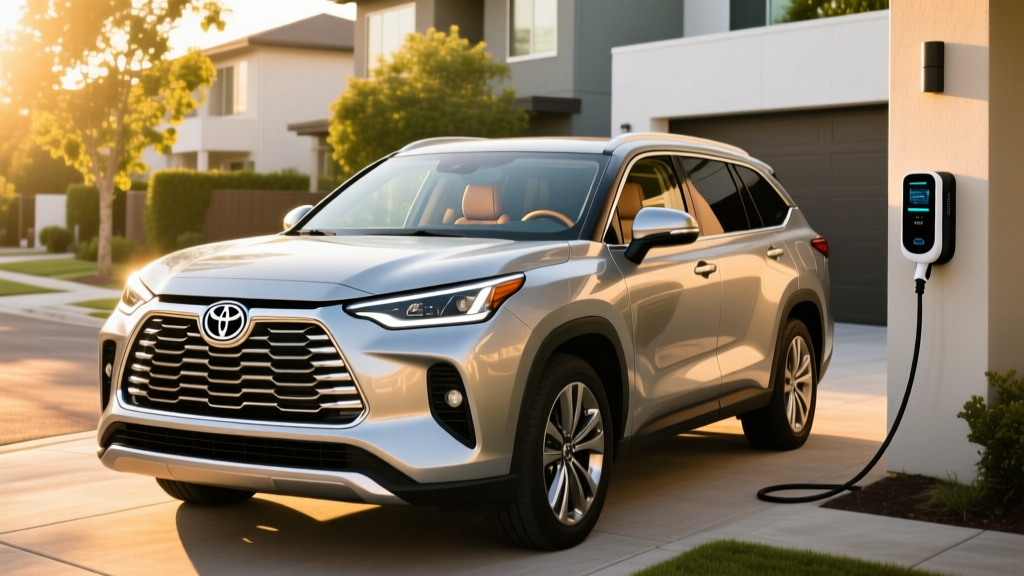
- Example: Toyota Highlander Hybrid
Plug-In Hybrid (PHEV) — XC90 Recharge
- Plugs in to charge — uses a larger battery for meaningful EV range
- 18.8 kWh battery (usable ~14.9 kWh)
- 35 miles electric-only before the gas engine engages
- Operates as a hybrid after battery depletion
The XC90 Recharge is firmly a PHEV. You can drive it without ever plugging in — it will simply operate as a heavy, less-efficient hybrid. To extract the fuel savings Volvo engineered, you need regular access to a Level 1 or Level 2 charger at home or work.
Powertrain, Battery, and Performance Specs
| Specification | 2022 Volvo XC90 Recharge |
|---|---|
| Powertrain | 2.0L turbo + supercharged I4 + rear electric motor (eAWD) |
| Combined Output | 455 hp / 523 lb-ft torque |
| 0–60 mph | 5.0 seconds |
| Battery Capacity | 18.8 kWh total (~14.9 kWh usable), NMC chemistry |
| Electric-Only Range | 35 miles (EPA) |
| Total Combined Range | ~400 miles (EV + 18.8-gal fuel tank) |
| MPGe (EV mode) | 55 MPGe combined |
| MPG (hybrid mode, battery depleted) | 27 combined (26 city / 27 highway) |
| Level 2 Charge Time (0–100%) | ~5 hours at 3.6 kW |
| DC Fast Charging | Not supported |
| Charge Port | J1772 (Level 1/2 only) |
| Towing Capacity | 5,000 lbs |
| Cargo Volume | 15.8 cu ft (behind 3rd row) / 85.7 cu ft (max) |
The 2022 model year was significant for the XC90 Recharge: Volvo upgraded the battery from the previous 11.6 kWh pack to 18.8 kWh and swapped the old T8 powertrain for the updated eAWD system with a more powerful 143-hp rear electric motor. That's the powertrain that delivers the 455 hp figure and the 35-mile EV range — a meaningful jump from the prior generation's 18-mile rating.
Fuel Economy: EPA Numbers vs Real-World MPG
| Mode | City | Highway | Combined |
|---|---|---|---|
| Electric-only (MPGe) | 58 MPGe | 52 MPGe | 55 MPGe |
| Hybrid (battery depleted) | 26 MPG | 27 MPG | 27 MPG |
According to fueleconomy.gov, the 2022 XC90 Recharge returns 27 MPG combined once the battery is exhausted. That's respectable for a 5,100-pound three-row luxury SUV, but context matters.
Real-world expectations:
- With daily charging (commutes under 35 miles): You may burn gasoline only on weekend road trips, effectively achieving 80–100+ MPGe over a typical month.
- Without regular charging: Expect 24–26 MPG combined in mixed driving. The added battery weight hurts efficiency compared to a lighter conventional hybrid.
- Cold weather impact: The electric-only range drops to roughly 25–28 miles in freezing temperatures due to cabin heating demands and reduced battery efficiency. The gas engine will kick on sooner.
- Highway driving: At 75+ mph, the electric range depletes faster than the EPA city-heavy test cycle suggests. Plan on ~28–30 electric miles in warm-weather highway driving, fewer in winter.
The XC90 Recharge does not support regenerative braking aggressive enough for true one-pedal driving, though you can select a "hold" mode to preserve battery charge for later use — useful if you're driving to a zero-emission zone or want electric miles saved for city traffic.
Charging: What You Need at Home
The XC90 Recharge accepts only Level 1 (120V) and Level 2 (240V) AC charging. There is no DC fast-charge capability — a limitation shared with most PHEVs but worth flagging if you expected quick top-ups on road trips.
| Charging Level | Power | 0–100% Time | Miles of Range Added Per Hour |
|---|---|---|---|
| Level 1 (120V household outlet) | ~1.4 kW | ~10–12 hours | ~6–7 miles EV range/hr |
| Level 2 (240V, 16A) | 3.6 kW | ~5 hours | ~14 miles EV range/hr |
Practical setup: A standard 120V outlet in your garage will fully recharge the battery overnight — sufficient for most owners with sub-35-mile commutes. However, a Level 2 home charger (240V) is the better long-term solution, cutting charge time in half and giving you flexibility if you return home with a depleted battery midday.
Level 2 home installation typically costs $500–$1,500 for the charger unit plus $800–$2,500 for electrician labor, depending on panel capacity and run distance. The XC90's onboard charger maxes out at 3.6 kW, so even a 48A Level 2 station will only deliver 3.6 kW to the vehicle — no need to overspend on a high-amperage unit for this car.
Pricing, Depreciation, and Tax Credit Eligibility
The 2022 XC90 Recharge originally started at $68,300 (Inscription Expression trim) and climbed past $78,000 for fully loaded models. In today's used market, expect to find 2022 examples between $38,000 and $52,000 depending on mileage, condition, and trim.
Federal Used-EV Tax Credit (§25E) — Up to $4,000
The XC90 Recharge may qualify for the federal used clean vehicle credit when purchased from a dealer. Requirements per IRS §25E:
- Sale price must be $25,000 or less (this is a challenge — most 2022 XC90 Recharge examples exceed this cap)
- Buyer income limits: $75,000 single / $112,500 head of household / $150,000 joint
- Vehicle must be at least 2 model years old (2022 qualifies in 2026)
- Must purchase from a licensed dealer (private sales excluded)
- Credit equals 30% of sale price, capped at $4,000
- Can be transferred to the dealer at point of sale for an immediate price reduction
The $25,000 sale price cap is the sticking point. Most 2022 XC90 Recharge models on dealer lots in 2026 are priced above $25,000, meaning the used-EV credit won't apply unless you find a high-mileage or lower-trim example that has depreciated below the threshold. The original new-vehicle §30D credit is no longer available for 2022 purchases. Always confirm eligibility with a tax professional before relying on any credit.
Battery Warranty, Reliability, and Replacement Cost
Volvo PHEV Battery Warranty
- Coverage: 8 years / 100,000 miles (whichever comes first)
- Capacity retention threshold: Volvo covers the battery if it falls below 70% of original capacity during the warranty period
- Powertrain warranty: 4 years / 50,000 miles
- Remaining coverage on a 2022 model in 2026: Approximately 4 years or ~60,000 miles of battery warranty left (varies by vehicle)
Reliability: Volvo's PHEV powertrain is more complex than a conventional hybrid or a pure EV — you have a turbocharger, supercharger, internal combustion engine, electric motor, high-voltage battery, and associated power electronics all working in concert. Owner surveys from Consumer Reports and J.D. Power place Volvo in the middle-to-lower tier for overall reliability, with PHEV-specific components adding potential failure points.
Battery degradation: NMC batteries in PHEVs typically lose 10–15% capacity over the first 5–7 years with normal use. For the XC90 Recharge, that could mean your 35-mile electric range gradually shrinks to 28–30 miles over time. Regular Level 2 charging (rather than frequent full 100% charges left sitting in heat) helps slow degradation.
Battery replacement cost: Out-of-warranty high-voltage battery replacement for the XC90 Recharge runs approximately $8,000–$12,000 including labor, based on current dealer parts pricing. This is a worst-case scenario — individual module replacement may be possible at lower cost if only specific cells fail.
XC90 Recharge vs Full EV vs Gas: Which Fits You?
Choose the XC90 Recharge PHEV if:
- Your daily commute is under 35 miles round-trip and you can charge at home
- You need three rows for family but want to minimize weekday fuel consumption
- You take road trips where charging infrastructure is uncertain
- You want electric driving without range anxiety on long hauls
Choose a full EV (e.g., Tesla Model X, Rivian R1S) if:
- You have reliable home charging and your trips rarely exceed 250–300 miles
- You want zero gasoline costs and minimal drivetrain maintenance
- You want access to DC fast charging for road trips
- You qualify for the full $7,500 new-EV federal tax credit
Choose a conventional hybrid (e.g., Toyota Highlander Hybrid) if:
- You cannot charge at home or work
- You want simpler mechanics with no plug-in dependency
- You prioritize lower purchase price and proven long-term reliability
- Your driving is mostly highway where PHEV electric range adds little benefit
Pros and Cons
Pros
- 35-mile EV range covers most daily commutes
- 455 hp provides effortless acceleration (5.0s to 60 mph)
- True three-row seating with 5,000-lb towing
- Premium Scandinavian interior with Google-based infotainment
- Significant depreciation makes used examples a value play
- Standard AWD with torque-vectoring rear e-motor
Cons
- No DC fast charging — road trips run on gasoline only
- 3.6 kW AC charging is slow compared to newer PHEVs
- Complex powertrain (turbo + supercharger + electric) raises long-term maintenance risk
- Battery depletion MPG (27) trails lighter conventional hybrids
- Used-EV tax credit unlikely due to $25K price cap
- Third row is tight for adults on longer trips
Frequently Asked Questions
How many MPG does the 2022 Volvo XC90 Recharge get?
The EPA rates it at 55 MPGe combined in electric mode and 27 MPG combined (26 city / 27 highway) after the battery is depleted. Real-world results depend heavily on charging habits — with daily plug-in, you may use very little gasoline on weekdays.
How far can the XC90 Recharge go on electric only?
The EPA rates it at 35 miles of electric-only range. In real-world driving, expect 28–33 miles in warm weather and 25–28 miles in freezing conditions. Highway speeds above 70 mph will deplete the battery faster than the city-biased EPA test.
Does the 2022 XC90 Recharge qualify for any tax credit in 2026?
The new-vehicle §30D credit is no longer available. The used-EV credit (§25E) offers up to $4,000, but requires a sale price of $25,000 or less — a threshold most 2022 XC90 Recharge examples don't meet. Check current IRS guidelines and consult a tax professional.
Is the XC90 Recharge reliable, and what does a battery replacement cost?
Volvo's PHEV powertrain is more complex than conventional hybrids, and brand reliability ratings are mid-tier. The high-voltage battery carries an 8-year/100,000-mile warranty (70% capacity threshold). Out-of-warranty replacement costs approximately $8,000–$12,000. A 2022 model in 2026 should still have roughly half its battery warranty remaining.
Can the XC90 Recharge DC fast charge?
No. The XC90 Recharge only supports AC charging via J1772 at up to 3.6 kW (Level 2). A full charge takes about 5 hours on Level 2 or 10–12 hours on a standard 120V outlet. This is typical for PHEVs but means road-trip charging must happen at your destination overnight.
What's the difference between the XC90 Recharge and the older XC90 T8?
For 2022, Volvo rebranded the T8 as the "Recharge" and upgraded the battery from 11.6 kWh to 18.8 kWh, added a more powerful rear electric motor (143 hp vs. 87 hp), and increased total output to 455 hp. Electric range jumped from 18 miles to 35 miles. If shopping used, the 2022 model year is the one to target for these improvements.