Quick Verdict: The 2021 Lexus NX 300h in 2026
The 2021 Lexus NX 300h occupies a specific niche that still resonates in 2026: a luxury compact SUV that sips fuel without requiring a plug, a charging routine, or any behavioral change from its owner. Built on Toyota's proven hybrid synergy drive, the NX 300h delivers an EPA-estimated 33 MPG combined in a segment where competitors like the BMW X3 and Audi Q5 return 25-28 MPG with conventional powertrains. As a used vehicle in 2026, it's entering the sweet spot for depreciation — typically $22,000–$28,000 depending on mileage and condition — while its hybrid battery remains well within its 10-year/150,000-mile warranty window for most examples on the market.
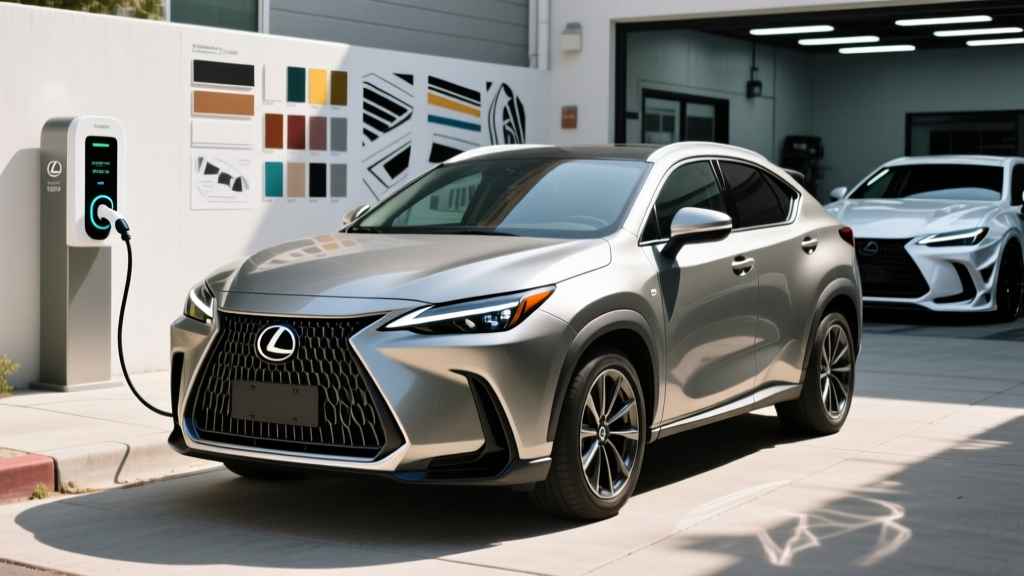
For owners looking to personalize the NX 300h's conservative styling, vinyl wrap kits have become the go-to modification — offering color shifts, matte finishes, or paint protection without the permanence or cost of a respray. This guide covers the NX 300h's powertrain, real-world fuel economy, battery longevity, and what to know before applying a wrap kit to this hybrid SUV.
HEV vs PHEV: Where the NX 300h Fits
Understanding the distinction between hybrid types is essential before shopping for the NX 300h, because Lexus offered two very different electrified NX models by 2022.
| Feature | NX 300h (HEV) | NX 450h+ (PHEV, 2022+) |
|---|---|---|
| Powertrain Type | Conventional Hybrid (HEV) | Plug-in Hybrid (PHEV) |
| Requires Plugging In? | No — self-charging via regen & engine | Yes — for electric-only driving |
| Electric-Only Range | Less than 1 mile at low speed | 37 miles (EPA) |
| Battery Size | 1.6 kWh (NiMH) | 18.1 kWh (lithium-ion) |
| Federal Tax Credit | None | Up to $7,500 (if eligible, new purchase) |
| Combined MPG/MPGe | 33 MPG | 84 MPGe / 37 MPG gas-only |
The 2021 NX 300h is a conventional hybrid (HEV). It never needs to be plugged in. The gasoline engine and regenerative braking keep the small nickel-metal hydride battery charged automatically. If you want plug-in capability from a Lexus NX, you'd need to look at the 2022+ NX 450h+, which is a completely different powertrain on the redesigned NX platform.
Powertrain & Performance Specs
| Specification | 2021 Lexus NX 300h |
|---|---|
| Engine | 2.5L inline-4 Atkinson cycle |
| Electric Motors | Front + rear (e-AWD) |
| Combined Horsepower | 194 HP (net system) |
| Transmission | ECVT (planetary gearset) |
| Drivetrain | Electronic AWD (e-AWD) |
| 0–60 mph | 9.2 seconds |
| Battery Type | NiMH, 1.6 kWh (gross) |
| Towing Capacity | Not rated for towing |
| Cargo Volume | 16.8 cu ft (rear seats up) / 54.6 cu ft (folded) |
The 2.5-liter Atkinson-cycle four-cylinder produces 152 HP on its own, supplemented by a front electric motor (105 kW / 141 HP) and a rear electric motor (50 kW / 67 HP) that provides all-wheel-drive traction without a mechanical driveshaft. Combined system output is 194 HP — adequate for merging and passing but not sporty. The 9.2-second 0–60 time trails the turbocharged NX 300 (7.0 seconds) and feels leisurely compared to modern EVs. This is a vehicle optimized for efficiency, not acceleration.
Fuel Economy: EPA Ratings vs Real-World MPG
| Driving Condition | EPA Estimate | Real-World Expectation |
|---|---|---|
| City | 33 MPG | 34–37 MPG |
| Highway | 30 MPG | 28–31 MPG |
| Combined | 33 MPG | 31–35 MPG |
Source: EPA fueleconomy.gov — 2021 Lexus NX 300h AWD
Like most Toyota/Lexus hybrids, the NX 300h tends to exceed its EPA city rating in stop-and-go traffic because regenerative braking recovers energy that a conventional vehicle wastes as heat. Owners who do mostly urban driving routinely report 35–37 MPG. Highway driving at 75+ mph is where the NX 300h falls slightly below its sticker, since the hybrid system provides less advantage at sustained high speeds and the SUV's aerodynamic drag increases significantly.
In cold weather (below 30°F), expect a 5–10% fuel economy reduction. The engine runs more frequently to provide cabin heat and maintain battery temperature, reducing the time spent in electric-only mode. This is normal for all hybrids and far less severe than the 20–30% range loss that battery-electric vehicles experience in winter.
Battery Warranty & Longevity
Hybrid Battery Warranty: 10 years / 150,000 miles (whichever comes first) in all 50 states for 2020+ model years, expanded from the previous 8-year/100,000-mile coverage. For a 2021 NX 300h, this means factory coverage extends through at least 2031.
Expected Battery Lifespan: Toyota/Lexus NiMH hybrid batteries have demonstrated exceptional longevity, with many exceeding 200,000 miles without replacement. The Prius taxi fleet data and Consumer Reports reliability surveys consistently rank Lexus hybrid systems among the most durable powertrains sold.
Replacement Cost (out of warranty): $3,000–$5,000 for a new OEM hybrid battery pack installed at a Lexus dealer. Refurbished packs are available for $1,500–$2,500. Individual cell replacement by a hybrid specialist can cost $500–$1,200.
Reliability, Ownership Costs & Tax Credit Eligibility
The 2021 NX 300h benefits from Lexus's reputation for reliability and the Toyota hybrid system's two-decade track record. The e-CVT transmission has no traditional clutch packs, bands, or torque converter — it's a planetary gearset with fewer wear components than a conventional automatic. IIHS rated the 2021 NX as a Top Safety Pick when equipped with specific headlights.
Federal Tax Credit Status
The 2021 Lexus NX 300h does not qualify for the federal §30D new vehicle tax credit — it is a conventional hybrid, not a plug-in vehicle. The IRS limits the §30D credit to battery-electric vehicles (BEVs) and plug-in hybrids (PHEVs) with at least 7 kWh of battery capacity.
For used purchases in 2026, the §25E Used Clean Vehicle Credit (up to $4,000 or 30% of sale price, whichever is less) also requires the vehicle to be a BEV or PHEV with at least 4 kWh of usable battery. The NX 300h's 1.6 kWh NiMH pack does not meet this threshold. No federal tax incentives apply to this vehicle.
Some states offer hybrid-specific rebates or HOV lane access that may still apply — check your state's energy office or DMV for current programs, as these vary by jurisdiction and change frequently.
Estimated 5-Year Ownership Cost
| Category | Estimated Cost |
|---|---|
| Purchase Price (used, 2026 market) | $22,000–$28,000 |
| Fuel (15,000 mi/yr × 5 yrs, 33 MPG, $3.40/gal) | ~$7,700 |
| Insurance (avg) | ~$8,500 |
| Maintenance (5 years) | ~$3,200 |
| Estimated Depreciation (5 yr) | ~$8,000–$10,000 |
Wrap Kit Options for the NX 300h
The 2021 NX 300h's conservative exterior design — angular spindle grille, clean body lines, limited factory color palette — makes it a strong candidate for vinyl wrap customization. A wrap kit offers color change, finish alteration (gloss, satin, matte, metallic), or paint protection film (PPF) without the cost, permanence, or insurance complications of a custom paint job.
Full Wrap vs Partial Wrap vs PPF
| Wrap Type | Typical Cost | Coverage | Lifespan |
|---|---|---|---|
| Full Color-Change Wrap | $2,500–$5,000 | All painted exterior panels | 5–7 years |
| Partial Wrap (roof, hood, accents) | $800–$2,000 | Select panels | 5–7 years |
| Paint Protection Film (PPF) | $1,500–$4,500 | High-impact zones or full front | 7–10 years |
| Chrome Delete (wrap over trim) | $400–$900 | Window surrounds, grille trim | 5–7 years |
For the NX 300h specifically, note that the spindle grille's complex geometry requires skilled installation — budget installers may struggle with the deep recesses and sharp angles. Request examples of Lexus spindle grille wraps from any shop before committing. Premium vinyl brands like 3M 2080 Series, Avery Dennison Supreme Wrapping Film, and KPMF offer warranties against fading, cracking, and adhesive failure.
Wrap Considerations for Hybrid Owners
A vinyl wrap does not affect the NX 300h's hybrid system, fuel economy, or warranty. However, keep these points in mind:
- Resale disclosure: Always disclose a wrap to potential buyers. A wrap hiding paint damage or rust will be discovered on inspection and erodes trust.
- Sensor clearance: The NX 300h has parking sensors and cameras in the bumpers and grille area. Ensure the installer cuts precise openings — wrapping over ultrasonic sensors can impair parking assist functionality.
- Insurance notification: Some insurers require notification of aftermarket modifications. A $4,000 wrap may or may not be covered in a total-loss claim depending on your policy.
- Removal cost: Professional wrap removal runs $500–$1,500. Cheap vinyl or improper installation can damage factory paint upon removal, particularly on older vehicles with pre-existing clear coat issues.
Who Should Choose the NX 300h vs a Full EV or Gas Car?
Choose the NX 300h If:
- You want luxury-brand comfort with 33+ MPG and zero charging infrastructure needed
- Your daily driving is mostly city/suburban where hybrid efficiency shines
- You live in an apartment or lack reliable home/workplace charging access
- You want proven reliability with low maintenance costs (no plug to maintain, no charging apps, no range planning)
- You plan to keep the vehicle 5+ years and value Lexus's long-term durability record
Look Elsewhere If:
- You want electric-only driving for short commutes (consider a PHEV like the NX 450h+ or Toyota RAV4 Prime)
- You prioritize acceleration — 9.2 seconds to 60 is leisurely by 2026 standards
- You want the latest infotainment (the 2021 NX uses Lexus's older Remote Touch trackpad, widely criticized)
- You need towing capacity (the NX 300h is not rated for towing)
- You want to maximize fuel savings — a full EV at $0.04–$0.06/mile (home charging) beats 33 MPG at $0.10/mile
Hybrid vs PHEV vs EV: Which Fits You?
The decision framework comes down to charging access, daily mileage, and budget:
Choose the HEV (NX 300h) if you cannot charge at home, drive 20–60 miles daily in mixed conditions, and want a simple ownership experience with no plugs, apps, or route planning.
Choose a PHEV (NX 450h+, RAV4 Prime) if you can install a Level 2 charger at home, drive under 35 miles round-trip on most days (covering your commute on electricity), but still want gas flexibility for road trips.
Choose a BEV (Tesla Model Y, Hyundai Ioniq 5, BMW iX) if you have reliable home charging, drive under 250 miles daily, want the lowest per-mile fuel cost, and value instant torque and quiet operation.
Frequently Asked Questions
How many MPG does the 2021 Lexus NX 300h get?
The EPA rates the 2021 NX 300h at 33 MPG city, 30 MPG highway, and 33 MPG combined. Real-world city driving often yields 34–37 MPG thanks to regenerative braking, while sustained highway driving above 75 mph may return 28–31 MPG.
Does the NX 300h need to be plugged in?
No. The NX 300h is a conventional hybrid (HEV). Its 1.6 kWh battery charges through regenerative braking and the gasoline engine. You fuel it like any other car — no plug, no charging cable, no app required.
Is the 2021 NX 300h reliable and what does a battery replacement cost?
Lexus hybrid systems are among the most reliable powertrains in the industry. The hybrid battery is warrantied for 10 years/150,000 miles. Out-of-warranty replacement runs $3,000–$5,000 for an OEM pack, though many units exceed 200,000 miles without issue.
Does the 2021 NX 300h qualify for any tax credit?
No. Federal tax credits under §30D (new) and §25E (used) require plug-in vehicles with minimum battery capacity thresholds. The NX 300h's 1.6 kWh NiMH battery does not qualify. Check your state's energy office for any local hybrid incentives, which vary by jurisdiction.
Will a vinyl wrap kit damage my NX 300h's paint?
A quality vinyl wrap (3M, Avery Dennison) installed professionally will not damage factory paint in good condition. In fact, it protects the paint underneath from UV exposure and minor abrasion. Damage risk comes from cheap vinyl, improper installation, or removing a wrap from a vehicle with pre-existing clear coat failure.
How does the NX 300h compare to the newer NX 350h?
The 2022+ NX 350h uses a redesigned platform with a 2.5L hybrid system producing 240 HP (vs 194 HP), an updated interior with a 9.8-inch touchscreen (replacing the divisive trackpad), and improved cargo space. EPA combined MPG is similar at 36 MPG. If budget allows, the newer generation is a meaningful upgrade in tech and power, though used 2021 NX 300h pricing offers strong value.