Quick Verdict: The 2020 RAV4 Hybrid XLE Still Delivers
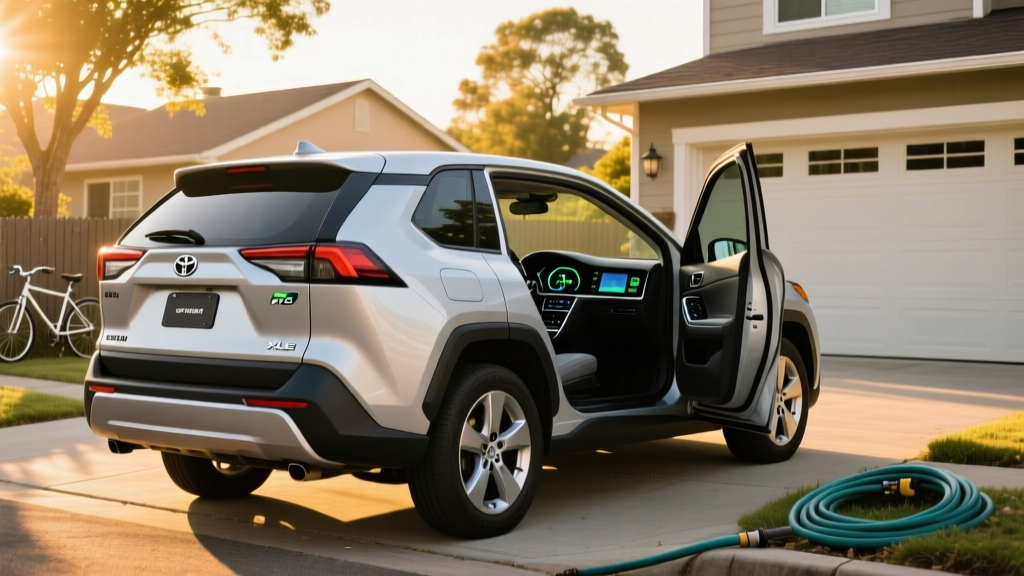
The 2020 Toyota RAV4 Hybrid XLE occupies a specific niche that remains compelling in 2026: a compact crossover that sips fuel without requiring a plug, a charging routine, or any change to your daily habits. With an EPA-rated 41 MPG combined and standard electronic all-wheel drive, this hybrid SUV bridges the gap between conventional gas vehicles and full electrification. For buyers who lack home charging access or frequently drive in areas with sparse public charging infrastructure, the RAV4 Hybrid XLE eliminates range anxiety entirely — you simply fill up at any gas station and go.
Now available exclusively on the used market, the 2020 RAV4 Hybrid XLE typically trades between $22,000 and $28,000 depending on mileage and condition. That positions it as a strong value proposition against newer, more expensive hybrids and EVs, especially when you factor in Toyota's proven hybrid reliability and the remaining hybrid battery warranty.
HEV vs PHEV vs EV: Where the RAV4 Hybrid Fits
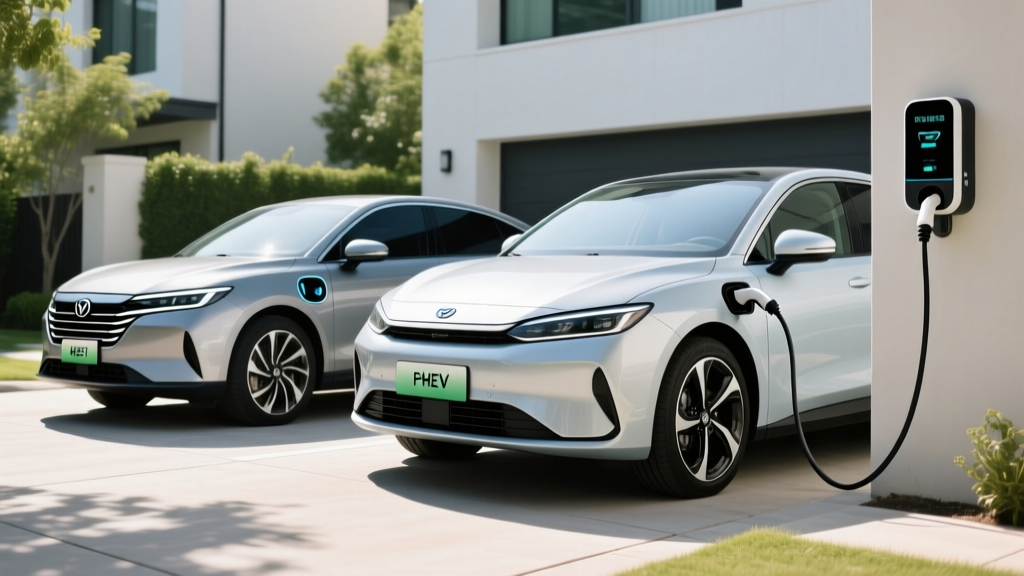
Before diving into the specs, it's essential to understand the fundamental distinction between hybrid types, because confusion here leads to costly purchase mistakes.
| Feature | HEV (This RAV4 Hybrid) | PHEV (RAV4 Prime) | BEV (e.g., Tesla Model Y) |
|---|---|---|---|
| Plug-in charging required? | No — self-charging via regen & engine | Yes — 2.5 hrs on 240V Level 2 | Yes — 7-10 hrs on Level 2 |
| Electric-only range | ~1 mile at low speed | 42 miles EPA | 260-330+ miles EPA |
| Gasoline engine | Yes — primary power source | Yes — backup after battery depletes | None |
| Federal tax credit (new) | None | Up to $7,500 (§30D, if eligible) | Up to $7,500 (§30D, if eligible) |
| Home charging install needed | No | Recommended ($500-$2,000) | Required ($500-$2,500+) |
The 2020 RAV4 Hybrid XLE is a conventional hybrid electric vehicle (HEV). It does not plug in. The 1.6 kWh nickel-metal hydride (NiMH) battery pack charges itself through regenerative braking and the gasoline engine. You will never search for a charging station or wait for a charge to complete. This is fundamentally different from the RAV4 Prime (the PHEV variant), which offers 42 miles of electric-only range but requires plugging in to realize its efficiency advantage.
Fuel Economy: EPA Ratings vs Real-World MPG
The headline number for the 2020 RAV4 Hybrid XLE is its EPA-estimated fuel economy. Here's the official breakdown from fueleconomy.gov:
| Driving Condition | EPA MPG Estimate |
|---|---|
| City | 41 MPG |
| Highway | 38 MPG |
| Combined | 41 MPG |
How Many MPG Does the RAV4 Hybrid XLE Actually Get?
In real-world driving, the 2020 RAV4 Hybrid XLE frequently matches or slightly exceeds its EPA city rating — a characteristic unique to hybrids. In stop-and-go urban traffic, regenerative braking recaptures kinetic energy that would otherwise be lost as heat, and the electric motor handles low-speed propulsion where gasoline engines are least efficient. Owners consistently report 39-43 MPG in mixed driving conditions.
On sustained highway trips at 70-75 mph, expect fuel economy to dip to 35-38 MPG. The aerodynamic profile of a compact SUV and the added weight of the hybrid system create a penalty at higher speeds that regenerative braking cannot recover. In cold weather (below 30°F), the gasoline engine runs more frequently to maintain cabin heat and battery temperature, reducing observed fuel economy by roughly 5-10%, landing around 36-39 MPG combined until temperatures rise.
With a 14.5-gallon fuel tank, real-world total range typically falls between 520 and 580 miles — meaning most drivers will visit a gas station once every two weeks or less under normal commuting patterns.
Powertrain Specs: 219 HP with Standard AWD
| Specification | 2020 RAV4 Hybrid XLE |
|---|---|
| Engine | 2.5L 4-cylinder Dynamic Force (176 HP, 163 lb-ft) |
| Front electric motor | 118 HP, 149 lb-ft |
| Rear electric motor | 54 HP, 89 lb-ft (AWD-i) |
| Net combined system output | 219 HP |
| Transmission | eCVT (electronically controlled) |
| Drivetrain | Electronic AWD (AWD-i) — standard |
| 0-60 mph | 7.8 seconds (manufacturer) |
| Hybrid battery | 1.6 kWh NiMH (sealed, self-charging) |
| Towing capacity | 1,750 lbs |
The powertrain pairs Toyota's 2.5-liter Dynamic Force four-cylinder with two electric motors — one driving the front axle through the eCVT, and a smaller motor powering the rear axle on demand. The rear motor (AWD-i) engages automatically during acceleration, on slippery surfaces, or when the system detects front-wheel slip. Unlike mechanical AWD systems, there is no driveshaft connecting the axles; the rear motor activates only when needed, reducing parasitic losses.
The 7.8-second 0-60 time is respectable for the segment and noticeably quicker than the non-hybrid RAV4 LE AWD (9.1 seconds). The electric motor's instant torque delivery makes the RAV4 Hybrid feel responsive from a stop, even though the peak horsepower figure is modest.
Reliability, Battery Warranty, and Replacement Costs
Toyota's hybrid system is among the most thoroughly proven in the automotive industry, with over 25 years of continuous production since the original Prius. The 2020 RAV4 Hybrid benefits from the fourth generation of Toyota's Hybrid Synergy Drive, and the components are mature and well-understood by dealerships nationwide.
Hybrid Battery Warranty Coverage
- Duration: 10 years / 150,000 miles (whichever comes first), transferable to subsequent owners
- Hybrid system components: 8 years / 100,000 miles (inverter, control module, battery ECU)
- Powertrain warranty: 5 years / 60,000 miles
- Coverage threshold: Toyota replaces the battery if capacity drops below a defined performance threshold, not a fixed percentage
Is the RAV4 Hybrid Reliable?
Based on long-term fleet data and owner surveys, the 2020 RAV4 Hybrid earns strong reliability marks. The NiMH battery chemistry is inherently stable and less prone to thermal runaway than lithium-ion alternatives. Real-world data from high-mileage Toyota hybrids (Prius, Camry Hybrid) shows battery packs routinely lasting 150,000-200,000+ miles before significant degradation. The RAV4 Hybrid's battery is larger and less stressed than a Prius pack, which bodes well for longevity.
What Does Battery Replacement Cost?
If the hybrid battery fails outside warranty coverage, a new OEM replacement battery from Toyota costs approximately $2,500-$3,500 for the part, with labor adding $500-$1,000, for a total of roughly $3,000-$4,500 at a dealership. Independent hybrid specialists and refurbished battery options can reduce this to $1,500-$2,500. Given that the 10-year/150,000-mile warranty on a 2020 model extends through 2030, most original owners will never face this expense, and used buyers in 2026 still have approximately 4 years of warranty coverage remaining.
Other maintenance is minimal: the RAV4 Hybrid has no alternator, no starter motor, no accessory drive belt, and the eCVT contains no traditional transmission clutches or bands to wear out. Brake pads last significantly longer than on gas-only models because regenerative braking handles most deceleration, with friction brakes engaging primarily for hard stops or when the battery is full.
Pricing, Tax Credits, and Ownership Economics
The 2020 RAV4 Hybrid XLE had an original MSRP of approximately $30,555 (including destination charge). In the 2026 used market, expect to pay:
- 30,000-50,000 miles: $25,000-$28,000
- 50,000-80,000 miles: $22,000-$25,000
- 80,000+ miles: $19,000-$22,000
Does the RAV4 Hybrid Qualify for Any Tax Credit?
No. The 2020 RAV4 Hybrid XLE is a conventional HEV and does not qualify for the federal §30D clean vehicle tax credit (up to $7,500), which is reserved for plug-in electric vehicles — battery-electric vehicles (BEVs) and plug-in hybrids (PHEVs) that meet battery sourcing, MSRP caps, and buyer income requirements per IRS guidelines. There is no federal tax incentive for purchasing a conventional hybrid, whether new or used.
Some states offer modest rebates or HOV lane access for hybrids, but these vary widely by jurisdiction. Check your state's energy office or DMV for current programs. A few states, such as Colorado, have offered state-level hybrid incentives, but availability changes annually.
5-Year Cost of Ownership vs Gas RAV4
Assuming 15,000 miles per year, $3.50/gallon gasoline, and the EPA combined rating, the RAV4 Hybrid XLE consumes roughly 366 gallons annually ($1,281/year in fuel). The non-hybrid 2020 RAV4 AWD (30 MPG combined) consumes 500 gallons ($1,750/year). That's a fuel savings of approximately $469 per year, or $2,345 over five years — enough to offset most of the hybrid's original price premium and significantly reduce total cost of ownership when combined with lower brake wear and strong resale value.
Who Should Choose This Hybrid vs a PHEV or Full EV?
Choose the RAV4 Hybrid XLE if:
- You rent or live somewhere you cannot install a Level 2 charger
- You regularly drive 400+ miles in rural areas with sparse charging
- You want maximum simplicity — no apps, no charging cables, no route planning
- Your daily commute is under 50 miles but includes significant stop-and-go traffic
- You value Toyota's dealer network and proven long-term reliability
- You want AWD capability for snow or light off-road without an EV range penalty
Consider a PHEV or BEV instead if:
- You have reliable home Level 2 charging and a commute under 40 miles (PHEV covers it electrically)
- You want to minimize or eliminate gasoline use entirely (BEV)
- You qualify for the full $7,500 federal tax credit and can absorb higher upfront cost
- You want one-pedal driving and instant electric torque (BEV experience)
- You drive primarily in urban areas where a BEV's efficiency advantage is greatest
The RAV4 Hybrid XLE is the pragmatic middle path. It asks nothing of your infrastructure and delivers consistent, predictable efficiency regardless of weather, terrain, or charging station availability. For the buyer who wants to reduce fuel consumption without fundamentally changing how they interact with their vehicle, it remains one of the strongest options on the used market.
Frequently Asked Questions
How many MPG does the 2020 Toyota RAV4 Hybrid XLE get?
The EPA rates it at 41 MPG city, 38 MPG highway, and 41 MPG combined. Real-world mixed driving typically yields 39-43 MPG, with highway-only trips dropping to 35-38 MPG and cold weather reducing efficiency by 5-10%.
Does the RAV4 Hybrid need to be plugged in?
No. The 2020 RAV4 Hybrid XLE is a conventional hybrid (HEV). The battery charges through regenerative braking and the gasoline engine. You never plug it in — you simply refuel at any gas station.
How far can it go on electric only?
Effectively less than one mile at very low speeds (under 25 mph) in EV mode. This is not a plug-in hybrid — the electric motor assists the gasoline engine but cannot sustain highway speeds or meaningful distances on battery power alone. If electric-only driving is your goal, look at the RAV4 Prime (PHEV) with 42 miles of electric range, or a full BEV.
Is the hybrid battery reliable and what does replacement cost?
Toyota's NiMH hybrid batteries are among the most reliable in the industry, routinely lasting 150,000-200,000+ miles. The battery is covered by a 10-year/150,000-mile warranty (transferable), meaning a 2020 model remains covered through 2030. Out-of-warranty replacement costs $3,000-$4,500 at a dealer, or $1,500-$2,500 through independent specialists using refurbished packs.
Does the 2020 RAV4 Hybrid qualify for a federal tax credit?
No. Only plug-in electric vehicles (BEVs and PHEVs) qualify for the §30D federal tax credit. The RAV4 Hybrid is a conventional HEV and is ineligible. Used hybrid buyers also do not qualify for the used clean vehicle credit (§25E), which applies only to used BEVs and PHEVs under $25,000.
What's the difference between the RAV4 Hybrid and RAV4 Prime?
The RAV4 Hybrid (HEV) does not plug in, has a 1.6 kWh NiMH battery, and gets 41 MPG combined. The RAV4 Prime (PHEV) plugs in, has an 18.1 kWh lithium-ion battery, offers 42 miles of electric-only range, and achieves 94 MPGe when charged regularly — but costs significantly more and requires home charging access to maximize its advantage.
Is the AWD system always active?
The electronic AWD-i system activates the rear electric motor automatically when needed — during hard acceleration, on wet or snowy roads, or when front-wheel slip is detected. Under steady highway cruising, the vehicle operates primarily in front-wheel drive to maximize efficiency. There is no driver control for the AWD system; it operates entirely automatically.