Quick Verdict: A Luxury Hybrid Bargain on the Used Market
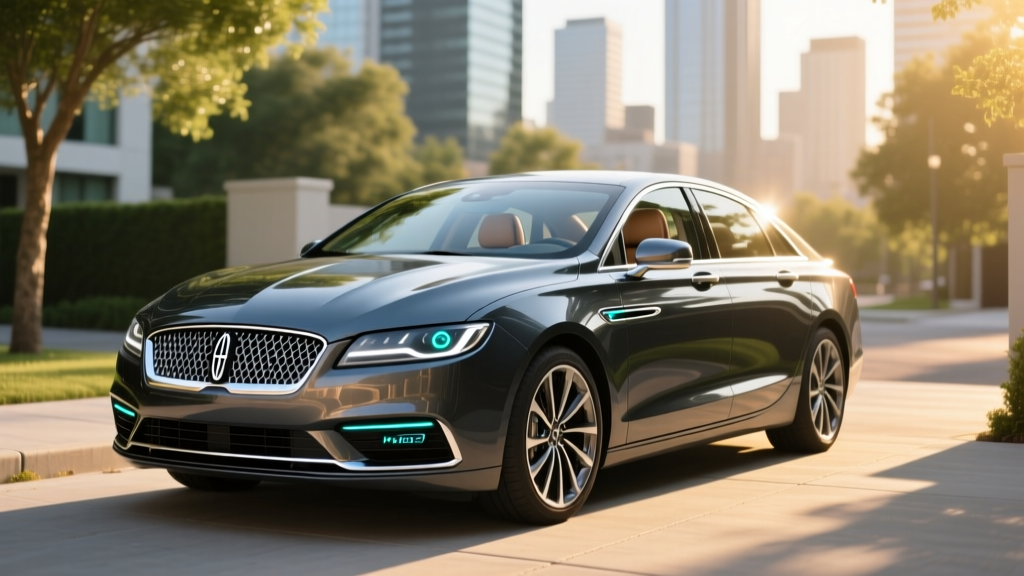
The 2020 Lincoln MKZ Hybrid occupies a specific niche that has all but vanished from new-car showrooms: a midsize luxury sedan that prioritizes fuel efficiency over performance theatrics. With an EPA-estimated 41 MPG combined, genuine premium materials, and Lincoln's understated design language, the MKZ Hybrid delivers a compelling ownership proposition — especially now that it's exclusively available on the used market at depreciated prices.
Lincoln discontinued the MKZ after the 2020 model year to pivot toward SUVs, which means buyers in 2026 are looking at a vehicle that's roughly six years old. The good news? The hybrid powertrain beneath the MKZ is Ford's well-proven 2.0-liter Atkinson-cycle system shared with the Ford Fusion Hybrid, meaning parts availability and service familiarity remain strong. The critical question for today's shopper is whether a used MKZ Hybrid's efficiency and comfort outweigh the lure of a newer plug-in hybrid or full battery-electric vehicle.
Fuel Economy: EPA Ratings vs. Real-World MPG
The 2020 MKZ Hybrid carries identical EPA ratings across its three trims (Standard, Reserve, and Black Label), since all share the same powertrain. Here's how the numbers break down:
| Metric | EPA Rating |
|---|---|
| City | 42 MPG |
| Highway | 39 MPG |
| Combined | 41 MPG |
| Fuel Tank Capacity | 16.5 gallons |
| Total Range | ~676 miles |
Source: EPA Fuel Economy Guide — 2020 Lincoln MKZ Hybrid
Real-World MPG: What Owners Actually See
Conventional hybrids like the MKZ tend to meet or slightly exceed their EPA estimates in city driving, where regenerative braking and low-speed electric assist do the heavy lifting. Highway driving is a different story. At sustained 70-80 mph speeds, the 2.0L engine operates more frequently without the benefit of regen, and real-world highway fuel economy typically drops to 35-37 MPG based on owner reports aggregated on Fuelly and Edmunds forums.
For mixed commuting — suburban stoplights, some highway, neighborhood driving — most owners report landing between 38 and 43 MPG combined. Cold-weather operation in northern climates can knock 3-5 MPG off those figures during winter months as the engine runs more often to maintain cabin heat and battery temperature. This is a normal hybrid characteristic, not a defect.
Powertrain and Performance Specs
The MKZ Hybrid pairs a 2.0-liter Atkinson-cycle four-cylinder engine with an electric motor and a planetary-gear eCVT (electronically controlled continuously variable transmission). Unlike a traditional belt-driven CVT, Ford's eCVT uses the motor-generator set to manage the ratio between engine and wheels — there's no belt to wear, and the unit is widely regarded as one of the most durable transmissions in the industry.
| Specification | Value |
|---|---|
| Engine | 2.0L Atkinson-cycle I4 |
| Engine Horsepower | 147 hp @ 6,000 rpm |
| Electric Motor Output | 118 hp |
| Combined Net Horsepower | 188 hp |
| Transmission | eCVT (planetary gearset) |
| Drivetrain | Front-wheel drive |
| Hybrid Battery Capacity | 1.4 kWh (lithium-ion) |
| 0-60 mph | ~8.1 seconds |
| Plug-In Capable? | No — HEV only |
With 188 combined horsepower, the MKZ Hybrid accelerates adequately for highway merging and passing but won't feel sporty. This is a car tuned for isolation and smoothness, not 0-60 bragging rights. The eCVT eliminates shift shock entirely, and the transition between electric and gasoline power is among the most seamless in the hybrid segment.
Hybrid vs. Plug-In Hybrid vs. Full EV: Which Fits Your Life?
Choosing between a conventional hybrid, a PHEV, and a full BEV depends on your charging access, driving patterns, and budget. Here's how the MKZ Hybrid stacks up against the alternatives:
Conventional Hybrid (HEV)
Example: 2020 Lincoln MKZ Hybrid
- No plug needed — gas only
- 41 MPG combined
- ~676-mile total range
- Lower purchase price
- No home charging required
- No tax credits (used)
Best for: Apartment dwellers, high-mileage commuters without charging access, buyers wanting luxury on a budget.
Plug-In Hybrid (PHEV)
Example: Used BMW 330e, Toyota RAV4 Prime
- 20-42 miles electric-only
- Plugs in at home (Level 1/2)
- Gas engine for longer trips
- Higher purchase price
- May qualify for used EV credit (§25E, up to $4,000)
- Requires charging access for full benefit
Best for: Homeowners with a garage outlet who want electric commuting but road-trip flexibility.
Full Battery EV (BEV)
Example: Tesla Model 3, Hyundai Ioniq 6
- 250-360+ miles range
- Zero tailpipe emissions
- Home + DC fast charging
- Highest upfront cost
- §30D new credit up to $7,500 / §25E used credit
- Lowest per-mile fuel cost
Best for: Homeowners with Level 2 charging who want minimal operating costs and latest tech.
The MKZ Hybrid makes the most sense if you lack reliable home charging infrastructure. A PHEV or BEV without a place to plug in becomes a heavier, less efficient gas car — negating the entire point of electrification.
Battery Longevity, Warranty, and Replacement Cost
Hybrid battery anxiety is the number-one concern for used hybrid buyers, and it's worth addressing with data rather than fear. The 2020 MKZ Hybrid uses a 1.4 kWh lithium-ion traction battery — far smaller than a full EV's 60-100 kWh pack — and it operates within a conservative state-of-charge window (roughly 40-80%) managed by the vehicle's battery management system. This shallow cycling dramatically extends cell life.
For a 2020 model in 2026, the standard 8-year warranty remains active until the vehicle's sixth birthday has passed and won't expire until 2028 at the earliest. If you purchase a 2020 MKZ Hybrid with under 100,000 miles, the hybrid battery is almost certainly still under factory warranty.
What Does Replacement Cost?
If the battery does fail outside warranty, replacement costs for the Ford/Lincoln 2.0L hybrid system typically range from $2,000 to $4,000 for a refurbished unit installed at an independent hybrid specialist, or $4,000 to $6,000 for a new OEM battery at a Lincoln dealer. This is substantially less than a full EV battery replacement ($10,000-$20,000+) because the HEV battery is small and modular.
In practice, widespread failures of this generation Ford hybrid battery are uncommon. The Ford Fusion Hybrid and Escape Hybrid — which share this powertrain — have demonstrated strong longevity in taxi fleet service, with many examples exceeding 200,000 miles on the original battery. Consumer Reports consistently rates Ford's hybrid system among the more reliable in the segment.
Pricing, Tax Credits, and Ownership Costs
Original MSRP (2020)
When new, the 2020 MKZ Hybrid was priced aggressively for a luxury hybrid sedan:
- Hybrid Standard: ~$37,230
- Hybrid Reserve: ~$42,230
- Hybrid Black Label: ~$56,390
These prices made the MKZ Hybrid significantly less expensive than German rivals like the BMW 530e (PHEV) or Lexus ES 300h.
Used Market Pricing (2026)
Depreciation has worked heavily in the buyer's favor. As of early 2026, used 2020 MKZ Hybrid listings typically fall in these ranges depending on mileage, condition, and trim:
- Standard trim (50K-80K miles): $18,000 – $22,000
- Reserve trim (40K-70K miles): $21,000 – $26,000
- Black Label (30K-60K miles): $26,000 – $33,000
Tax Credit Eligibility
Here's where the picture gets nuanced. The federal §25E Previously Owned Clean Vehicle Credit provides up to $4,000 (or 30% of the sale price, whichever is less) for qualifying used vehicles. However, there's a critical catch: the §25E credit only applies to plug-in electric vehicles (PHEVs and BEVs), not conventional hybrids.
Because the 2020 Lincoln MKZ Hybrid is an HEV with no plug, it does not qualify for any federal EV tax credit — neither the §30D new vehicle credit (irrelevant now that it's discontinued) nor the §25E used credit. Some states offer their own incentives for hybrid purchases, but these vary widely and are often structured as registration fee reductions rather than purchase credits. Check your state's DMV or energy office for specifics. For authoritative federal rules, consult the IRS §25E guidance page.
Reliability and What to Watch For
The MKZ Hybrid benefits from sharing its core powertrain with the Ford Fusion Hybrid, which was produced through 2020 and accumulated years of real-world reliability data. The eCVT planetary gearset is essentially maintenance-free — there are no clutch packs, bands, or belts to wear out as in a conventional automatic.
Areas to inspect on a used 2020 MKZ Hybrid:
- Hybrid battery state of health (SoH): Ask the dealer or seller for a hybrid battery diagnostic report. Ford/Lincoln dealers can pull this via OBD-II. Look for capacity above 85%.
- 12V auxiliary battery: Like all modern hybrids, the MKZ has a conventional 12V battery that powers electronics. These typically last 3-5 years and may be due for replacement on a 2020 model (~$200-$300).
- Brake wear: Hybrids use regenerative braking to slow the car, which means the friction brakes last significantly longer than on gas cars. Original brake pads at 60,000+ miles are common.
- Coolant service: The hybrid system has its own coolant loop. Verify it has been serviced per the maintenance schedule (typically every 100,000 miles).
- Infotainment updates: The 2020 MKZ uses SYNC 3, which is functional but dated compared to 2026 systems. Apple CarPlay and Android Auto are standard, which mitigates most tech complaints.
For safety ratings, the MKZ earned strong marks from the NHTSA, with a 5-Star overall rating when equipped with the optional Co-Pilot360 driver-assistance suite (automatic emergency braking, lane-keeping, blind-spot monitoring).
Pros and Cons
Pros
- 41 MPG combined — excellent for a luxury sedan
- Genuine premium interior (leather, wood, quiet cabin)
- Proven, reliable Ford hybrid powertrain
- Strong depreciation = excellent used value
- No charging infrastructure needed
- Hybrid battery likely still under warranty
- Co-Pilot360 safety suite available
- Comfortable ride quality for long commutes
Cons
- Discontinued — no new models available
- No EV tax credit eligibility (HEV, not PHEV)
- Modest 188 hp — acceleration is leisurely
- FWD only — no all-wheel-drive option
- SYNC 3 infotainment feels dated in 2026
- Highway MPG drops to 35-37 in real-world use
- Sedan body style limits cargo versatility
- Dealer network for Lincoln is shrinking
Frequently Asked Questions
How many MPG does the 2020 Lincoln MKZ Hybrid get?
The EPA rates the 2020 MKZ Hybrid at 42 MPG city, 39 MPG highway, and 41 MPG combined. Real-world mixed driving typically yields 38-43 MPG depending on conditions. Highway-heavy driving at 75+ mph may drop to 35-37 MPG, while city-heavy commuting can exceed the EPA estimate.
Does the 2020 MKZ Hybrid have electric-only range?
No. The MKZ Hybrid is a conventional HEV, not a plug-in hybrid. It can creep short distances (a few hundred yards) on electric power at very low speeds, but it has no meaningful electric-only range. You never plug it in — it runs exclusively on gasoline, with the hybrid system improving efficiency.
Is the 2020 Lincoln MKZ Hybrid reliable?
Yes, by most measures. The Ford 2.0L hybrid powertrain is one of the most proven systems in the industry, shared with the Fusion Hybrid and Escape Hybrid. The eCVT transmission has no wear items like clutch packs. The main risk factors on a used example are normal wear items and the 12V battery, not the hybrid system itself.
How much does it cost to replace the hybrid battery?
Out-of-warranty replacement runs $2,000-$4,000 for a refurbished unit or $4,000-$6,000 for a new OEM battery. However, widespread failures are uncommon, and the original 8-year/100,000-mile warranty (10-year/150,000-mile in CARB states) likely still covers a 2020 model as of 2026.
Does the 2020 MKZ Hybrid qualify for any tax credits?
No. Federal tax credits under §30D (new vehicles) and §25E (used vehicles) apply only to plug-in electric vehicles — PHEVs and BEVs. Because the MKZ Hybrid is a conventional HEV with no plug, it is not eligible for any federal clean-vehicle tax credit. Check your state's energy office for any local hybrid incentives.
Should I buy the MKZ Hybrid or a used Tesla Model 3?
This depends entirely on your charging situation. If you have reliable home Level 2 charging and want the lowest per-mile fuel cost and latest technology, a used Model 3 (which may qualify for the $4,000 §25E used credit) is the stronger choice. If you live in an apartment, park on the street, or simply don't want to think about charging, the MKZ Hybrid delivers luxury and 41 MPG with zero infrastructure changes.
What's the difference between the MKZ Hybrid and the Ford Fusion Hybrid?
They share the same 2.0L hybrid powertrain, eCVT, and battery system. The MKZ adds Lincoln's premium interior materials, a quieter cabin with additional sound deadening, standard luxury features (heated seats, premium audio), and the Lincoln Black Label concierge service option on top trims. The driving dynamics and fuel economy are nearly identical.