Quick Verdict: A PHEV Ahead of Its Time
The 2018 Honda Clarity Plug-In Hybrid was one of the most compelling PHEVs on the market when new, offering a class-leading 47 miles of electric-only range and a spacious midsize sedan body. Discontinued after the 2021 model year, it remains a strong used-PHEV option in 2026 for buyers who want daily electric commuting without range anxiety. Its 17 kWh battery pack and 212 combined horsepower deliver a driving experience that bridges the gap between a conventional hybrid and a full battery-electric vehicle.
This guide covers everything you need to know about the 2018 Clarity PHEV — from real-world MPG and electric range to battery longevity, charging logistics, and whether it still qualifies for any incentives on the used market.
| Spec | Value |
|---|---|
| EPA Electric-Only Range | 47 miles |
| Total Combined Range (EV + Gas) | ~340 miles |
| MPGe (Electric + Gas Combined) | 110 MPGe |
| Gas-Only MPG (Combined) | 42 MPG (44 city / 40 highway) |
| Battery Capacity | 17 kWh (usable ~14 kWh) |
| Battery Chemistry | Lithium-ion (NMC) |
| Combined Horsepower | 212 hp |
| Engine | 1.5L Atkinson-cycle 4-cylinder |
| Electric Motor | 181 hp / 232 lb-ft torque |
| Level 1 Charging (120V) | ~12 hours (0–100%) |
| Level 2 Charging (240V, 32A) | ~2.5 hours (0–100%) |
| DC Fast Charging | Not available |
| 0–60 mph | ~7.5 seconds |
| Original Base MSRP | $33,400 |
| Battery Warranty (Original) | 8 years / 100,000 miles |
HEV vs PHEV: Where the Clarity Fits
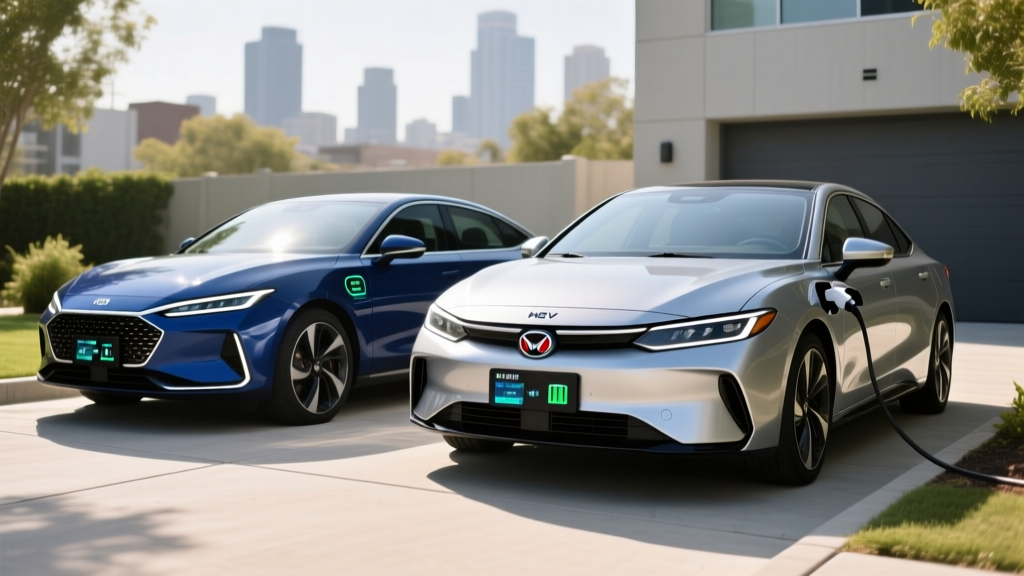
Before evaluating the Clarity, it's essential to understand the difference between a conventional hybrid (HEV) and a plug-in hybrid (PHEV):
- Conventional Hybrid (HEV): A small battery (typically 1–2 kWh) recharges solely through regenerative braking and the gasoline engine. You never plug it in. Examples: Toyota Prius, Honda Accord Hybrid. Electric-only driving is limited to brief low-speed bursts.
- Plug-In Hybrid (PHEV): A larger battery (the Clarity uses 17 kWh) that you plug in to recharge. It provides substantial electric-only range (47 miles EPA for the Clarity) before the gas engine engages. Once the battery is depleted, it operates like a conventional hybrid.
The 2018 Clarity is strictly a PHEV in its plug-in variant. Honda also sold a Clarity Electric (BEV) and Clarity Fuel Cell (hydrogen) in limited markets, but the PHEV was the volume model available nationwide.
Fuel Economy and Electric Range Breakdown
| Mode | City | Highway | Combined |
|---|---|---|---|
| Charge-Depleting (EV + Gas) | 118 MPGe | 102 MPGe | 110 MPGe |
| Charge-Sustaining (Gas Only) | 44 MPG | 40 MPG | 42 MPG |
Source: EPA Fuel Economy
Real-World MPG vs. EPA Estimates
The Clarity PHEV's 42 MPG combined gas-only rating is competitive with midsize hybrid sedans. In real-world driving, owners frequently report exceeding the EPA city figure — 46–50 MPG is common in stop-and-go traffic where regenerative braking is maximized. Highway cruising at 75+ mph tends to drop efficiency to 36–39 MPG due to the sedan's aerodynamic profile and the Atkinson-cycle engine's characteristics at sustained load.
For the electric-only range, the EPA's 47-mile estimate assumes moderate temperatures and mixed driving. Expect 38–42 miles in cold weather (below 40°F) due to cabin heating demands and reduced battery efficiency, and up to 50 miles in mild conditions with light throttle use.
Real-World Range Expectation: EPA rates the Clarity PHEV at 47 miles electric-only. In practice, plan for 35–42 miles in winter, 42–48 miles in moderate weather, and up to 50 miles in ideal conditions. Once the battery depletes, the 12.4-gallon fuel tank provides roughly 300+ additional gas miles.
Charging the Clarity PHEV: What You Need to Know
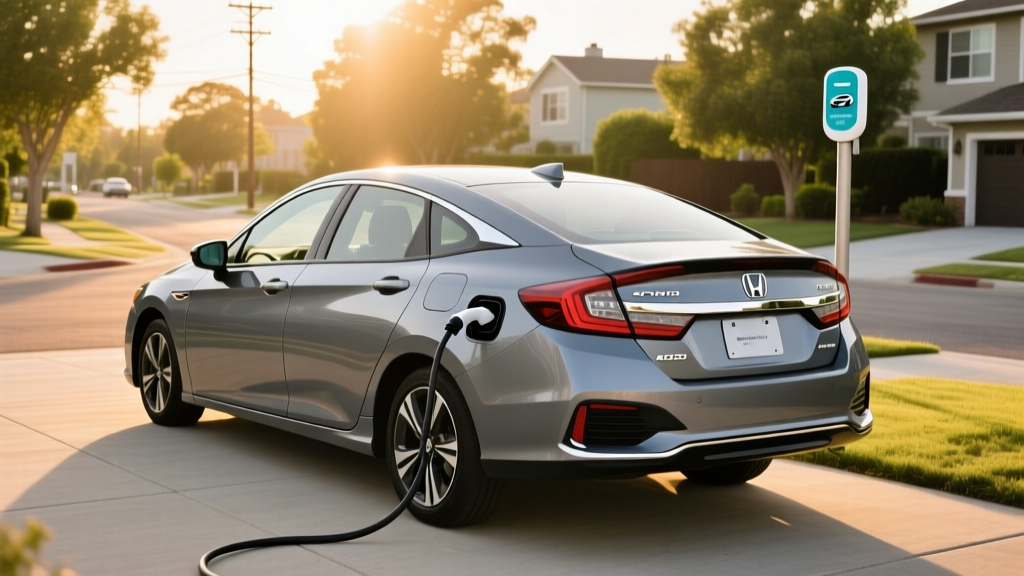
The 2018 Clarity PHEV uses a standard J1772 connector for AC charging. Here's the critical limitation: it does not support DC fast charging. All charging is AC-only, which is typical for PHEVs of this era but worth noting if you expected quick top-ups on road trips.
| Level | Power (kW) | Time (0–100%) | Miles Added per Hour |
|---|---|---|---|
| Level 1 (120V, 12A) | ~1.4 kW | ~12 hours | ~4 miles/hr |
| Level 2 (240V, 32A) | ~6.6 kW (onboard charger limit) | ~2.5 hours | ~19 miles/hr |
| DC Fast Charge | N/A | N/A | N/A |
Home charging setup: Most Clarity PHEV owners install a Level 2 (240V) home charger. With the car's 6.6 kW onboard charger, a full charge takes about 2.5 hours — easily enough to recharge overnight or between commutes. A standard 120V outlet works but takes roughly 12 hours for a full charge, making it viable only for overnight top-ups if your daily electric driving is under 30 miles.
Note: The kW figures above refer to charging power (rate of energy delivery), while the battery's 17 kWh capacity refers to energy stored. These are fundamentally different measurements — kW is how fast you fill the tank, kWh is the tank's size.
Powertrain and Driving Dynamics
The Clarity PHEV pairs a 1.5-liter Atkinson-cycle four-cylinder engine (103 hp) with a powerful electric motor (181 hp, 232 lb-ft). Combined system output is 212 hp, routed through an electronically controlled continuously variable transmission (e-CVT).
The electric motor does most of the work in daily driving. The gas engine primarily acts as a generator in series-hybrid mode at lower speeds, only engaging directly to drive the wheels at highway speeds above ~65 mph. This results in smooth, quiet acceleration around town and a seamless transition when the engine kicks in.
The 0–60 mph time of approximately 7.5 seconds is adequate for merging and passing. The 3,800-pound curb weight is noticeable in corners, but the low center of gravity from the under-floor battery pack keeps the ride composed. Honda's adaptive dampers (standard on the Touring trim) further improve ride quality.
Used Pricing and Tax Credit Eligibility in 2026
The 2018 Honda Clarity PHEV originally started at $33,400 (base) and $36,620 (Touring). As a discontinued model, it is only available on the used market in 2026. Expect pricing in the range of $17,000–$24,000 depending on mileage, condition, and trim.
Does It Qualify for Any Tax Credit?
The 2018 Clarity PHEV originally qualified for the full $7,500 federal tax credit under pre-2023 rules. Under current IRS §30D rules (as of 2026), new-vehicle credits no longer apply to discontinued models. However, the Used Clean Vehicle Credit (§25E) may apply:
- Credit amount: Up to $4,000 or 30% of the sale price (whichever is less) for qualifying used EVs and PHEVs
- Vehicle requirements: Must be at least 2 model years old (2018 qualifies), sale price ≤ $25,000, battery ≥ 7 kWh (Clarity's 17 kWh qualifies)
- Buyer income caps: AGI ≤ $75,000 (single), $112,500 (head of household), $150,000 (joint)
- Dealer requirement: Must purchase from a licensed dealer (private-party sales do not qualify)
- Transfer option: Credit can be transferred to the dealer at point of sale to reduce the purchase price
Source: IRS Used Clean Vehicle Credit. Tax rules change — consult a tax professional before relying on credit eligibility.
If you find a qualifying 2018 Clarity PHEV at a dealer for $22,000, the used credit could bring your effective cost down to approximately $18,000 — exceptional value for a PHEV with this much electric range.
Battery Longevity, Warranty, and Replacement Cost
Original Battery Warranty: Honda covered the Clarity PHEV's high-voltage battery for 8 years / 100,000 miles (10 years / 150,000 miles in CARB states including California, New York, Massachusetts, and others). The warranty guarantees the battery will retain at least ~70% of its original capacity.
Is the 2018 Clarity PHEV Reliable?
The Clarity PHEV's powertrain has proven durable. Honda's hybrid system is well-established, and the 1.5L Atkinson-cycle engine is low-stress by design. The lithium-ion battery pack uses conservative thermal management, which promotes longevity. Most 2018 models in 2026 are 8 years old — right at the edge of the standard federal battery warranty. CARB-state vehicles retain warranty coverage through 2028.
Common issues reported by owners are minor: 12V auxiliary battery drain if the car sits unplugged for extended periods, and occasional infotainment software glitches. The high-voltage traction battery has shown minimal degradation in most cases — owners report 5–10% capacity loss after 80,000–100,000 miles, which translates to losing roughly 3–5 miles of electric range.
Battery Replacement Cost
If the high-voltage battery requires replacement out of warranty, expect a cost of $4,000–$7,000 for a refurbished or new pack plus labor at a Honda dealership. Third-party hybrid battery repair shops can sometimes replace individual modules for $1,500–$3,000. Given the battery's track record, full replacement remains uncommon at current mileages.
Pros and Cons of the 2018 Clarity PHEV
Pros
- 47-mile EPA electric range — among the highest of any PHEV from this era
- 42 MPG gas-only is efficient for a midsize sedan
- Spacious cabin with comfortable rear seating for three adults
- Smooth electric-dominant driving feel around town
- Qualifies for up to $4,000 used federal tax credit (if eligible)
- Honda Sensing suite (adaptive cruise, lane-keep, AEB) standard on all trims
Cons
- No DC fast charging — AC-only limits road-trip convenience
- Discontinued after 2021 — limited dealer support and parts availability long-term
- Cargo space reduced to 15.5 cu ft due to battery placement
- Infotainment system feels dated by 2026 standards (no wireless CarPlay)
- Heavier than competing PHEVs — noticeable in spirited driving
- Original battery warranty expiring for non-CARB-state vehicles in 2026
Who Should Choose the Clarity PHEV vs. a Full EV or Gas Car?
Choose the 2018 Clarity PHEV if:
- Your daily round-trip commute is under 45 miles and you can charge at home
- You take occasional road trips where charging infrastructure is sparse
- You want to reduce fuel costs significantly without committing to full electric
- You find a well-maintained example under $22,000 and qualify for the used EV credit
Choose a full EV (BEV) instead if:
- You have reliable home Level 2 charging and your daily driving is under 250 miles
- You want to eliminate oil changes, spark plugs, and exhaust-system maintenance entirely
- You want access to newer technology (modern infotainment, faster DC charging, larger batteries)
Choose a conventional hybrid (HEV) instead if:
- You cannot charge at home or at work
- You want simplicity — no plugs, no charging cables, no battery-management thinking
- Your budget is tighter and you want a newer model year with remaining factory warranty
Frequently Asked Questions
How many MPG does the 2018 Honda Clarity Plug-In Hybrid get?
The EPA rates it at 42 MPG combined in gas-only (charge-sustaining) mode — 44 city / 40 highway. In combined EV + gas operation, it achieves 110 MPGe. Real-world city driving often yields 46–50 MPG thanks to aggressive regenerative braking, while sustained highway speeds above 75 mph may drop to 36–39 MPG.
How far can the 2018 Clarity PHEV go on electric only?
The EPA rates it at 47 miles of electric-only range. Real-world results vary: expect 35–42 miles in cold weather, 42–48 miles in moderate temperatures, and up to 50 miles with gentle driving in ideal conditions. This range covers most daily commutes entirely on electricity.
Hybrid vs PHEV vs EV — which is right for me?
A conventional hybrid (HEV) is best if you can't plug in at all — it requires zero behavioral change and still delivers 40–55 MPG. A PHEV like the Clarity is ideal if you can charge at home and want to drive mostly electric daily while keeping a gas engine for longer trips. A full EV (BEV) makes the most sense if you have home charging, drive under 250 miles daily, and want the lowest operating cost and newest technology.
Is the 2018 Clarity PHEV reliable, and what does a battery replacement cost?
Yes — Honda's hybrid powertrain has a strong reliability record. The high-voltage battery has shown minimal degradation (typically 5–10% over 100,000 miles). Out-of-warranty battery replacement costs approximately $4,000–$7,000 at a dealer, or $1,500–$3,000 at a specialist hybrid shop for module-level repair. The original 8-year/100,000-mile battery warranty is expiring in 2026 for non-CARB-state vehicles, but CARB-state examples retain coverage through 2028.
Does the 2018 Honda Clarity PHEV qualify for any tax credit in 2026?
It no longer qualifies for the new-vehicle §30D credit. However, it may qualify for the Used Clean Vehicle Credit (§25E) — up to $4,000 or 30% of the sale price (whichever is less) — if purchased from a dealer for $25,000 or less, and if your adjusted gross income falls under IRS limits ($75,000 single / $150,000 joint). Verify eligibility at IRS.gov and consult a tax professional.
Can the Clarity PHEV use DC fast chargers?
No. The 2018 Clarity PHEV only supports AC charging via a J1772 connector — Level 1 (120V) at ~1.4 kW or Level 2 (240V) at up to 6.6 kW. It cannot connect to DC fast chargers (CHAdeMO, CCS, or NACS). This is standard for PHEVs of this era; their smaller batteries don't require rapid charging.
What's the difference between the Clarity PHEV and the Clarity Electric?
The Clarity PHEV has a 17 kWh battery plus a 1.5L gas engine for 340+ total miles of range. The Clarity Electric (sold only in California and Oregon) was a pure BEV with a 25.5 kWh battery and just 89 miles of EPA range. The PHEV was the far more practical and widely available variant.