Why the 2018 Honda Clarity Plug-In Hybrid Still Matters in 2026
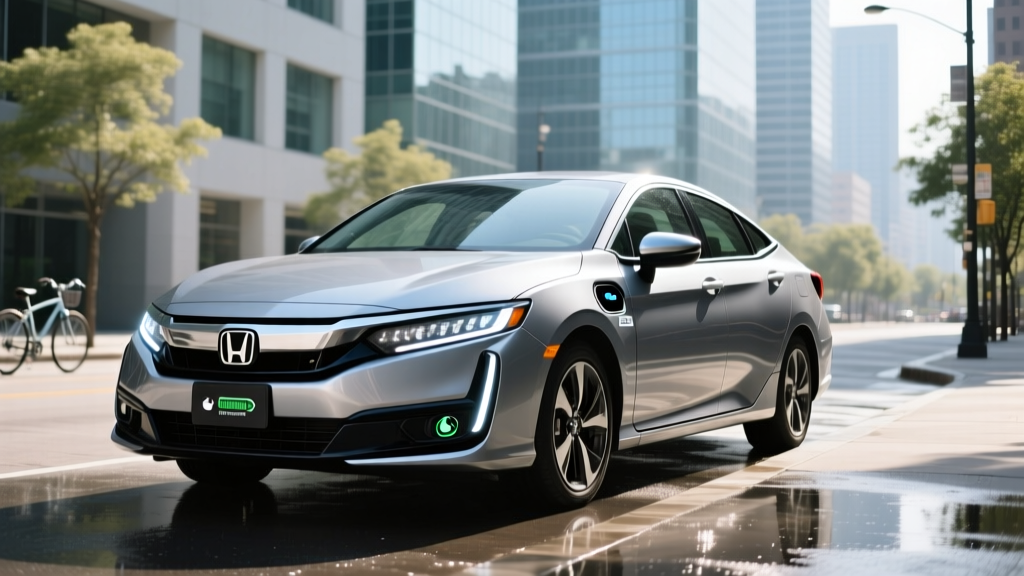
Honda discontinued the Clarity after the 2022 model year, but the plug-in hybrid variant remains one of the most compelling used electrified vehicles on the market. With 47 miles of EPA-rated electric-only range — the highest of any PHEV sedan at launch — and a combined 44 MPG once the battery depletes, the 2018 Honda Clarity Plug-In Hybrid occupies a rare middle ground: genuine daily EV commuting without range anxiety on road trips.
This guide breaks down the real-world efficiency, battery health considerations, powertrain specs, and ownership economics of the 2018 Clarity PHEV for buyers evaluating it on the used market today.
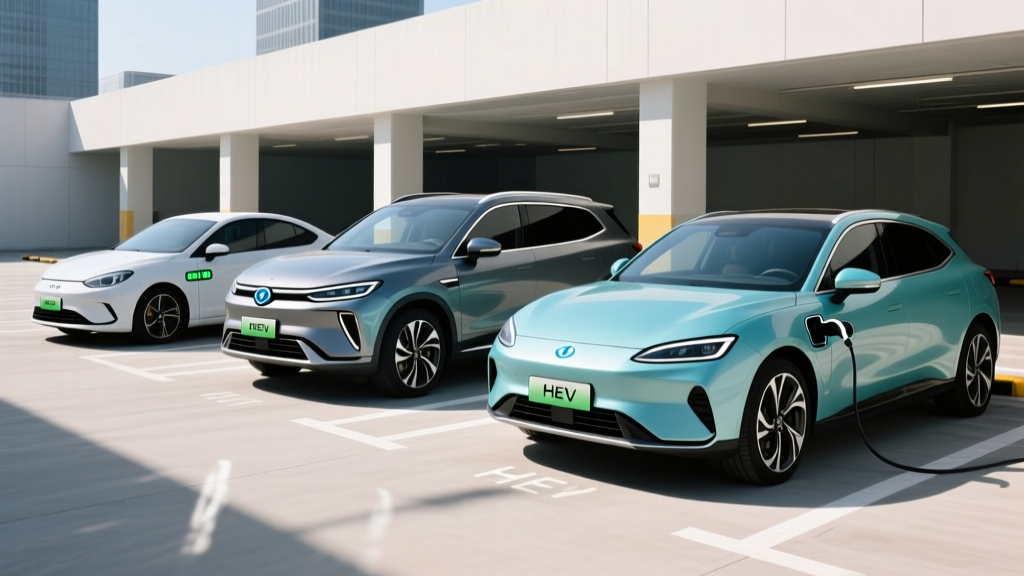
HEV vs. PHEV: What the Clarity Actually Is
Before diving into specs, it is critical to distinguish between the two hybrid architectures Honda sold under the Clarity nameplate:
Conventional Hybrid (HEV)
The Clarity Hybrid (non-plug-in) uses a small battery recharged solely by regenerative braking and the gasoline engine. You never plug it in. It operates like a Toyota Prius — the battery assists the engine for better fuel economy but cannot drive the car on electricity alone for meaningful distances.
Plug-In Hybrid (PHEV)
The Clarity Plug-In Hybrid carries a much larger 17.0 kWh lithium-ion battery pack that you charge from a wall outlet or public charger. It can drive up to 47 miles on electricity alone before the 1.5-liter gasoline engine activates, functioning as a series hybrid to extend range.
The Clarity was also sold as a hydrogen fuel-cell vehicle (Clarity Fuel Cell) and a battery-electric vehicle (Clarity Electric, with only 89 miles of range). This guide focuses exclusively on the Plug-In Hybrid variant — the one that makes sense for most buyers.
2018 Honda Clarity Plug-In Hybrid MPG and Efficiency
| Metric | EPA Rating | Real-World Expectation |
|---|---|---|
| Combined MPGe (electric + gas) | 110 MPGe | Varies with charging frequency |
| Combined MPG (gas only, battery depleted) | 44 MPG | 40–46 MPG depending on conditions |
| City MPG (gas only) | 44 MPG | 45–48 MPG (regen-heavy city driving) |
| Highway MPG (gas only) | 40 MPG | 36–40 MPG (sustained speeds reduce regen benefit) |
| Electric-only range | 47 miles | 38–47 miles (weather/terrain dependent) |
| Total combined range (electric + gas) | 340 miles | 310–350 miles |
How many MPG does the 2018 Honda Clarity Plug-In Hybrid get? The EPA rates it at 44 MPG combined when operating on gasoline after the battery is depleted. In real-world driving, owners frequently report exceeding that figure in city conditions — regenerative braking recaptures energy during stop-and-go traffic, pushing observed city MPG into the mid-to-high 40s. Highway driving is less efficient, as sustained speeds above 65 mph reduce the regenerative benefit and the 1.5-liter Atkinson-cycle engine works harder. Expect 36–40 MPG on the interstate.
Real-World Range Note: The 47-mile EPA electric range assumes moderate temperatures and mixed driving. In cold weather (below 40°F), expect that figure to drop to 35–40 miles due to cabin heating demands and reduced battery efficiency. Aggressive acceleration and sustained hill climbs will also shorten electric-only range. Source: fueleconomy.gov
Battery, Charging, and Powertrain Specs
| Specification | 2018 Clarity Plug-In Hybrid |
|---|---|
| Battery capacity | 17.0 kWh (lithium-ion, NMC chemistry) |
| Usable battery capacity | ~14.0 kWh (buffer protects longevity) |
| Electric-only range (EPA) | 47 miles |
| Level 1 charging (120V) | ~12 hours (0–100%) |
| Level 2 charging (240V, 32A) | ~2.5 hours (0–100%) |
| DC fast charging | Not supported |
| Charge port | J1772 (Level 1/2 only) |
| Gasoline engine | 1.5L Atkinson-cycle 4-cylinder |
| Electric motor output | 181 hp / 232 lb-ft torque |
| Combined system horsepower | 212 hp |
| 0–60 mph | ~7.7 seconds |
| Drivetrain | Front-wheel drive |
| Transmission | Single-speed (E-CVT behavior) |
How far can the 2018 Clarity go on electric only? The EPA-rated 47 miles is among the highest of any PHEV from that era, surpassed at the time only by the Chevrolet Volt (53 miles). For most commuters with a sub-40-mile round trip, the Clarity can function as a daily EV — you would only burn gasoline on weekend road trips or longer errands. The key is having access to Level 2 charging at home or work to replenish the 17.0 kWh pack in roughly 2.5 hours.
The Clarity PHEV does not support DC fast charging. This is a deliberate engineering trade-off: adding DC fast-charge hardware would have increased cost, weight, and complexity for a battery small enough to fully recharge overnight on a standard 240V outlet. For a PHEV with a 17 kWh pack, Level 2 charging at home is the practical sweet spot.
Powertrain Behavior: How It Actually Drives
The Clarity PHEV uses Honda's two-motor hybrid system, which operates differently from a traditional parallel hybrid like the Toyota Camry Hybrid. In EV mode, only the 181-hp electric drive motor turns the wheels — the gasoline engine is completely off. When the battery depletes or you demand hard acceleration, the 1.5-liter engine primarily acts as a generator, producing electricity that feeds the drive motor. At highway cruising speeds (roughly above 65 mph), a clutch engages to let the engine directly drive the wheels for improved efficiency.
This series-hybrid-dominant architecture means the Clarity drives like an EV most of the time: smooth, quiet, and torque-rich off the line. The engine engagement is generally unobtrusive, though it becomes audible under heavy acceleration or steep grades. The 212 combined system horsepower provides adequate passing power, and the single-speed transmission eliminates the rubber-band feel of some CVTs.
Reliability, Battery Health, and Warranty
Battery Warranty Coverage
Honda warranted the Clarity PHEV's high-voltage battery for 8 years / 100,000 miles (10 years / 150,000 miles in California and states that follow CARB emissions standards). This warranty covers defects and excessive capacity loss — typically defined as dropping below 70% of original capacity.
For 2018 models in 2026: The standard 8-year warranty has expired for most vehicles. However, California and CARB-state owners may still have coverage through the 10-year provision. Always verify warranty status with a Honda dealer using the VIN.
Is the 2018 Honda Clarity Plug-In Hybrid reliable? The Clarity PHEV's powertrain has proven durable. Honda's two-motor hybrid system has been in production since the 2014 Accord Hybrid and is well-understood. The 1.5-liter Atkinson-cycle engine is low-stress, and the electric drive motor has no wear items. Common complaints on owner forums center on infotainment responsiveness and road noise — not powertrain failures.
Battery replacement cost: If the high-voltage pack requires replacement outside of warranty, expect a cost between $3,000 and $5,500 for a refurbished or new battery pack including labor at a Honda dealership. Independent hybrid-battery specialists may offer refurbished packs for less. Given the 17 kWh pack size, this is significantly cheaper than a full EV battery replacement (which can exceed $10,000–$20,000 for larger packs).
For used buyers, request a battery health report. Honda dealerships can pull a State of Health (SoH) reading from the battery management system. A 2018 Clarity with 80,000 miles should still retain roughly 85–92% of its original capacity, assuming normal use and no extreme heat exposure. Lithium-ion NMC packs degrade primarily from high temperatures, sustained 100% charge states, and high cycle counts — a garage-kept, daily-charged Clarity will typically fare well.
Used Market Pricing and Tax Credit Eligibility
The 2018 Honda Clarity Plug-In Hybrid originally carried an MSRP of $33,400 (base) to $37,400 (Touring trim), before any incentives. At launch, it qualified for the full $7,500 federal tax credit under the previous §30D rules — a significant factor in its value proposition.
Does the 2018 Clarity qualify for any tax credit today? On the used market, the relevant incentive is the Used Clean Vehicle Credit (IRS §25E), which provides up to $4,000 (or 30% of the sale price, whichever is lower) for qualifying pre-owned plug-in vehicles. Key requirements for 2026:
- Sale price cap: The used vehicle must sell for $25,000 or less to qualify.
- Buyer income limits: Modified adjusted gross income must not exceed $75,000 (single), $112,500 (head of household), or $150,000 (joint filers).
- Vehicle age: Must be at least 2 model years old (2018 qualifies).
- Dealer requirement: Must be purchased from a licensed dealer (private-party sales do not qualify).
- One-time use: Each buyer can claim this credit once every 3 years.
- Point-of-sale transfer: The credit can be applied at purchase, reducing the upfront cost.
As of 2026, used Clarity PHEVs typically list between $14,000 and $22,000 depending on mileage, condition, and trim — putting most examples squarely within the $25,000 price cap. A qualifying buyer purchasing a Clarity for $18,000 from a dealer could receive $4,000 off at point of sale, effectively paying $14,000. Verify current rules at IRS.gov §25E, as incentive structures are subject to legislative change.
Who Should Choose the Clarity PHEV vs. a Full EV or Gas Car
Choose the 2018 Honda Clarity PHEV If:
- Your daily round-trip commute is under 45 miles and you can charge at home (Level 1 or 2).
- You take 2–4 road trips per year exceeding 100 miles and want zero range anxiety.
- You live in an apartment or area with limited public charging infrastructure — the gas engine is your backup.
- You want EV-like daily driving without committing to a full battery-electric vehicle.
- You value a spacious, comfortable midsize sedan with a large trunk (15.5 cu ft) and premium interior materials.
Choose a Full EV Instead If:
- You have reliable home Level 2 charging and rarely drive more than 200 miles in a day.
- You want to eliminate oil changes, spark plugs, and all gasoline expenses.
- You want access to HOV lane stickers (varies by state; some states no longer grant them to PHEVs).
Choose a Conventional Hybrid (HEV) Instead If:
- You cannot charge at home or work — a PHEV's electric range is wasted without regular plug-in access.
- You want simplicity: no plug, no charging cable, just drive and refuel at any gas station.
- Your budget is tighter and you prefer a lower upfront cost (HEVs are typically $2,000–$5,000 cheaper than comparable PHEVs).
Pros
- 47-mile electric range covers most commutes entirely on electricity
- 44 MPG combined on gas is excellent for a midsize sedan
- Spacious cabin with premium materials and quiet ride
- Smooth EV-like driving feel in electric mode
- Qualifies for up to $4,000 used EV credit (income/price limits apply)
- Low battery replacement cost relative to full EVs
Cons
- No DC fast charging capability
- Discontinued after 2022 — limited dealer support for body parts
- Infotainment system feels dated by 2026 standards
- Trunk space reduced slightly by battery pack placement
- Only front-wheel drive — no AWD option for snow-belt buyers
- Out-of-warranty battery replacement still a $3,000+ expense
Frequently Asked Questions
How many MPG does the 2018 Honda Clarity Plug-In Hybrid get?
The EPA rates it at 44 MPG combined, 44 city, and 40 highway when running on gasoline after the battery is depleted. Real-world city driving often yields 45–48 MPG thanks to regenerative braking, while sustained highway speeds typically produce 36–40 MPG.
How far can the 2018 Clarity drive on electric power alone?
The EPA rates the electric-only range at 47 miles. In practice, expect 38–47 miles depending on temperature, driving style, and terrain. Cold weather (below 40°F) can reduce this to roughly 35–40 miles.
Can the 2018 Clarity Plug-In Hybrid use DC fast chargers?
No. The Clarity PHEV only accepts Level 1 (120V) and Level 2 (240V) AC charging via a J1772 connector. A full Level 2 charge takes approximately 2.5 hours.
Is the 2018 Honda Clarity reliable?
Yes. Honda's two-motor hybrid system has a strong reliability track record since its 2014 debut. The powertrain has few wear items, and major failures are uncommon. The most frequent complaints involve the infotainment system and road noise, not mechanical issues.
What does a replacement battery cost for the Clarity PHEV?
Out-of-warranty high-voltage battery replacement typically costs $3,000–$5,500 at a Honda dealer, including labor. Refurbished packs from independent specialists may be available for less. This is significantly lower than full EV battery replacement costs.
Does the 2018 Clarity qualify for any tax credits in 2026?
It is no longer eligible for the new-vehicle §30D credit. However, it may qualify for the Used Clean Vehicle Credit (§25E) — up to $4,000 — if purchased from a dealer for $25,000 or less by a buyer meeting income limits. Confirm eligibility at IRS.gov.
Should I buy the Clarity PHEV or a full EV like a used Tesla Model 3?
If you can charge at home and your daily driving stays under 45 miles, the Clarity PHEV gives you EV commuting with a gas-engine safety net for road trips — ideal if you lack reliable public charging access. A used Model 3 offers lower operating costs and more advanced tech but requires confidence in charging infrastructure for longer trips. The decision hinges on your charging access and trip patterns.