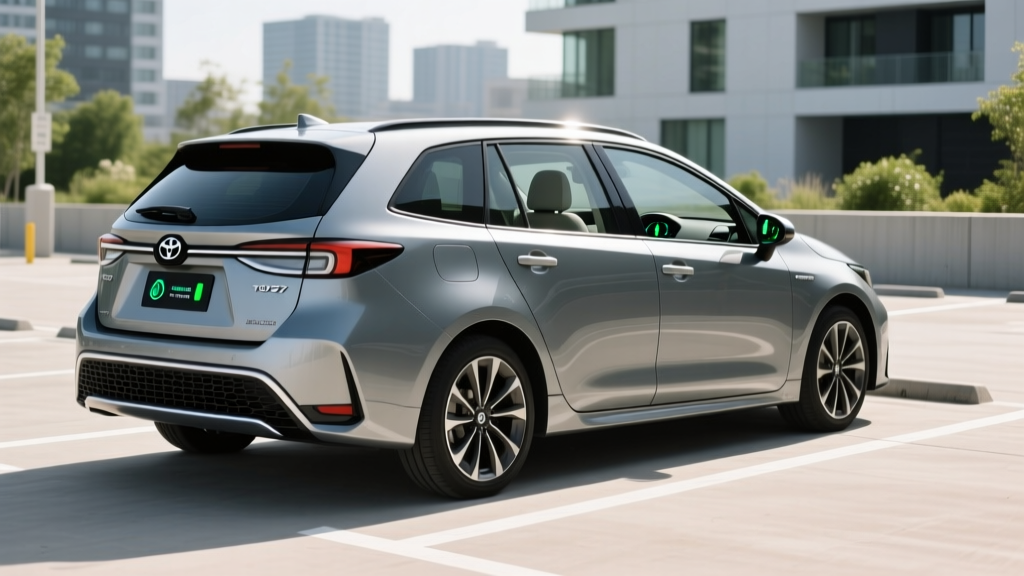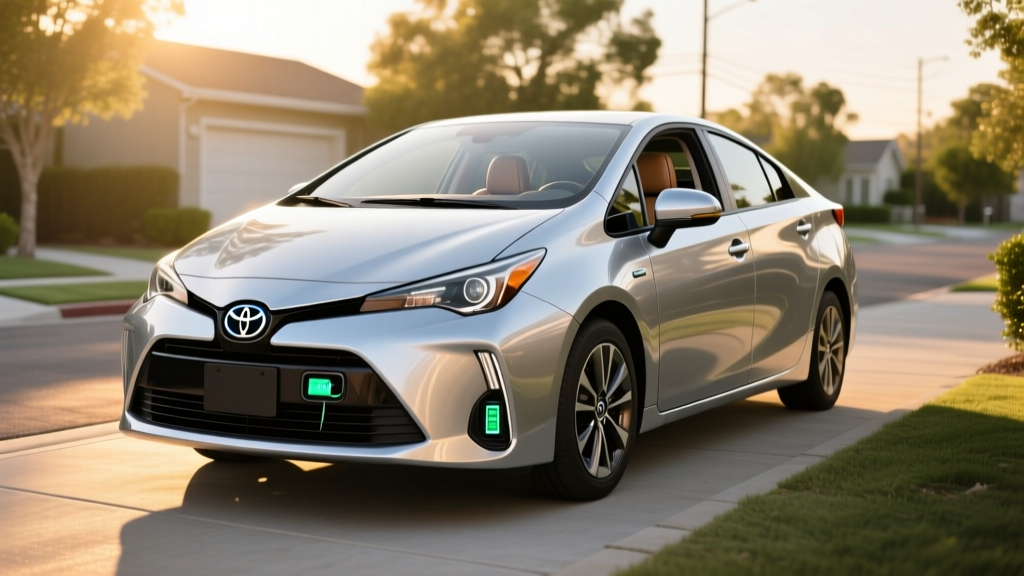
Quick Verdict: The 2017 Prius Hybrid Still Sets the Efficiency Bar
If you're researching the 2017 Toyota Prius hybrid on the used market in 2026, you're looking at one of the most proven, fuel-efficient vehicles ever sold in the United States. Nearly a decade after its launch, the fourth-generation Prius (XW50 chassis) remains a benchmark for real-world fuel economy, low cost of ownership, and hybrid battery longevity. With EPA-rated combined fuel economy of up to 56 MPG and a track record of batteries lasting well past 150,000 miles, it's a rational pick for commuters who want maximum efficiency without plugging in.
But the electrified vehicle landscape has shifted dramatically since 2017. Plug-in hybrids like the current Toyota Prius PHEV (formerly Prius Prime) now offer 40+ miles of electric-only range, and affordable BEVs from Hyundai, Chevrolet, and Tesla have entered the mainstream. So where does a used 2017 Prius HEV fit in 2026? This guide breaks down every number that matters.
2017 Prius Hybrid vs. Prius Prime (PHEV): What's the Difference?
Toyota sold two electrified Prius models for the 2017 model year, and buyers frequently confuse them. Here's the critical distinction:
| Feature | 2017 Prius Hybrid (HEV) | 2017 Prius Prime (PHEV) |
|---|---|---|
| Powertrain Type | Conventional Hybrid (no plug) | Plug-in Hybrid |
| Electric-Only Range | N/A (EV mode ~1 mi at low speed) | 25 miles (EPA) |
| Battery Capacity | 0.75 kWh (NiMH, usable ~0.5 kWh) | 8.8 kWh (Li-ion, usable ~6.0 kWh) |
| Plug-In Charging | No — charges via regen & engine | Yes — Level 1 (120V) or Level 2 (240V) |
| DC Fast Charging | No | No |
| Level 2 Charge Time (0–100%) | N/A | ~2 hours at 3.3 kW |
| EPA Combined MPG / MPGe | 52–56 MPG | 54 MPG / 133 MPGe |
| Combined Horsepower | 121 hp | 121 hp |
The 2017 Prius hybrid (HEV) is a self-charging vehicle. Its small nickel-metal hydride (NiMH) battery recovers energy from regenerative braking and the gasoline engine — you never plug it in. The 2017 Prius Prime (PHEV) has a larger lithium-ion battery you charge from a wall outlet, giving you 25 miles of pure electric driving before the gasoline engine kicks in as a conventional hybrid.
This article focuses on the conventional 2017 Prius HEV. If you're specifically looking at the plug-in Prime variant, see the PHEV callouts below.
Fuel Economy: EPA Ratings and Real-World MPG
The 2017 Toyota Prius hybrid was offered in multiple trims, and fuel economy varies slightly by configuration due to weight and wheel size differences. Here are the official EPA figures from fueleconomy.gov:
| Trim | City MPG | Highway MPG | Combined MPG |
|---|---|---|---|
| Prius Two Eco | 58 | 53 | 56 |
| Prius One / Two / Three / Four / Four Touring | 54 | 50 | 52 |
The Eco trim achieves its higher rating through lighter-weight components (no spare tire, lighter wheels) and low-rolling-resistance tires. All trims use the same powertrain.
Real-World MPG: What Owners Actually See
Hybrids consistently outperform their EPA ratings in stop-and-go city driving because regenerative braking recovers kinetic energy that a gasoline car wastes as heat. Based on aggregated owner data from Fuelly and EPA user reports:
- City driving: 50–60 MPG (many owners report exceeding 58 MPG in warm-weather urban commutes)
- Highway driving (70+ mph): 43–48 MPG (aerodynamic drag and less regen opportunity reduce efficiency)
- Cold weather (below 30°F): Expect a 5–10 MPG drop due to engine running longer for cabin heat and reduced battery efficiency
- Combined real-world average: 48–54 MPG for most owners
At a national average gas price of roughly $3.10/gallon (early 2026), a Prius Two Eco averaging 54 MPG combined costs approximately $0.057 per mile in fuel. Compare that to a 28 MPG combined gasoline compact at $0.111/mile — nearly double.
Powertrain and Performance Specs
| Specification | 2017 Toyota Prius Hybrid |
|---|---|
| Engine | 1.8L 4-cylinder Atkinson cycle (95 hp / 105 lb-ft) |
| Electric Motor | Permanent magnet AC synchronous (71 hp / 120 lb-ft) |
| Combined Net Horsepower | 121 hp |
| Transmission | ECVT (planetary gearset, not a belt-driven CVT) |
| 0–60 mph | ~9.8 seconds |
| Drivetrain | Front-wheel drive (AWD-e not available until 2019) |
| Hybrid Battery | 0.75 kWh NiMH (207.2V nominal) |
| Curb Weight | 3,042–3,117 lbs (varies by trim) |
| Cargo Volume | 24.6 cu ft (rear seats up) / 50.7 cu ft (folded) |
The 2017 Prius uses Toyota's Hybrid Synergy Drive system. The gasoline engine and electric motor can power the car independently or together, managed seamlessly by the planetary gearset. There's no traditional transmission shifting — acceleration is linear. The 9.8-second 0–60 time is leisurely by modern standards, but the instant electric torque makes the Prius feel responsive around town. Merging onto highways at speed is where you notice the power limitation most.
Hybrid Battery Longevity, Warranty, and Replacement Cost
2017 Prius Hybrid Battery Warranty
Original factory coverage: 8 years / 100,000 miles (10 years / 150,000 miles in California Air Resources Board states including CA, NY, MA, and others adopting CARB standards).
What it covers: Battery capacity falling below a defined threshold (typically ~60–70% state of health) or complete failure.
Status in 2026: The 8-year/100,000-mile federal warranty has expired for all 2017 models. CARB-state 10-year/150,000-mile coverage may still apply for low-mileage examples through mid-2027.
How Long Do 2017 Prius NiMH Batteries Last?
The fourth-generation Prius NiMH battery pack is one of Toyota's most durable. Aggregated data from fleet operators, taxi services, and high-mileage owners shows:
- Typical lifespan: 150,000–200,000+ miles before significant degradation
- Capacity loss at 100,000 miles: Typically 10–15% (measured via OBD-II diagnostic tools)
- Failure mode: Gradual capacity reduction rather than sudden failure; MPG slowly declines as the battery ages
NiMH chemistry is less energy-dense than modern lithium-ion but extremely tolerant of the shallow charge-discharge cycles that hybrids use. The Prius never fully charges or fully depletes its battery — it operates in a narrow state-of-charge window (~40–80%), which dramatically extends cycle life.
Battery Replacement Cost in 2026
If your 2017 Prius battery does eventually fail outside warranty:
- New OEM Toyota battery: $2,000–$2,500 installed at a dealership
- Refurbished/remanufactured pack: $1,000–$1,600 installed at an independent hybrid specialist
- Individual module replacement: $300–$600 if only 1–2 of the 28 NiMH modules are weak (diagnosed via voltage delta testing)
Given that most 2017 Prius examples on the used market in 2026 have 80,000–140,000 miles, many will still be on their original battery with usable life remaining. A pre-purchase battery health check (available at any Toyota dealer or hybrid specialist for ~$50–$100) is strongly recommended.
Pricing and Tax Credit Eligibility
The 2017 Prius hybrid is only available on the used market in 2026. Pricing varies by mileage, condition, and trim:
- Prius Two (base): $14,000–$17,000 (80k–120k miles)
- Prius Three (mid-trim, adds navigation/SofTex): $15,500–$18,500
- Prius Four / Four Touring (leather, JBL audio, HUD): $17,000–$21,000
- Prius Two Eco: $15,000–$18,000 (less common, commands slight premium)
Does the 2017 Prius Qualify for Any Tax Credit?
Federal §30D New EV Credit: No. The 2017 Prius HEV is a conventional hybrid, not a plug-in vehicle. It never qualified for the federal plug-in credit when new, and it does not qualify now.
Used Clean Vehicle Credit (§25E): No. The IRS §25E credit (up to $4,000 or 30% of sale price, whichever is less) applies only to used plug-in electric vehicles and fuel cell vehicles. Conventional hybrids like the Prius HEV are excluded. See the IRS used clean vehicle credit page for current eligibility rules.
State incentives: A handful of states offer rebates or HOV lane access for hybrids, but most have shifted incentives exclusively to plug-in vehicles. Check your state's energy office or DMV for current programs — these vary by jurisdiction and change frequently.
The 2017 Prius makes its financial case not through tax credits but through extremely low fuel cost, low maintenance cost, and strong resale value.
2017 Prius HEV vs. PHEV vs. Full EV: Which Fits You?
Choose the 2017 Prius Hybrid (HEV) If:
- You cannot charge at home (apartment, street parking, no garage)
- Your budget is under $20,000
- You drive 15,000+ miles/year and want the lowest fuel cost without lifestyle changes
- You want proven reliability with minimal maintenance
- You frequently take long road trips and don't want to plan charging stops
Consider a PHEV or Full EV Instead If:
- You have home Level 2 charging and a short commute (a PHEV covers most trips on electricity)
- You want access to HOV/carpool lanes (many states restrict these to plug-in vehicles now)
- You want to qualify for federal or state plug-in tax credits on a new or used purchase
- You want one-pedal driving and instant full-electric torque
- You drive less than 10,000 miles/year (fuel savings alone won't offset higher purchase price of a newer PHEV/EV)
The 2017 Prius HEV's biggest advantage in 2026 is simplicity. No charging infrastructure needed, no range planning, no plug-in credit paperwork. You fill up at any gas station and drive. For high-mileage commuters without home charging access, it remains one of the most cost-effective vehicles available.
Safety, Reliability Ratings, and Known Issues
The 2017 Prius earned strong safety marks:
- IIHS: Top Safety Pick (Good ratings in all crashworthiness tests; acceptable headlight rating on some trims)
- NHTSA: 5-star overall safety rating — see NHTSA.gov for full test data
Toyota Safety Sense P (TSS-P) was standard on all 2017 Prius trims, including pre-collision system with pedestrian detection, lane departure alert with steering assist, automatic high beams, and full-speed dynamic radar cruise control. This was notably generous for 2017 — many competitors charged extra for adaptive cruise.
Common Issues to Watch
- Head gasket (rare, higher mileage): The 2ZR-FXE engine is reliable, but EGR valve clogging can contribute to head gasket stress above 150,000 miles. EGR cleaning every 80,000–100,000 miles is a common preventative measure ($200–$400).
- Inverter coolant pump: Occasional failures reported; replacement ~$400–$600.
- 12V auxiliary battery: The small 12V AGM battery (separate from the hybrid traction battery) typically lasts 4–6 years. Replacement: $200–$300. A dead 12V battery will prevent the car from starting even if the hybrid battery is full.
- Oil consumption: Some owners report minor oil consumption at higher mileage. Check oil level between changes.
Frequently Asked Questions
How many MPG does the 2017 Toyota Prius hybrid get?
The EPA rates the 2017 Prius Two Eco at 58 city / 53 highway / 56 combined MPG. Other trims are rated at 54 city / 50 highway / 52 combined. Real-world owner averages typically fall between 48 and 54 MPG combined, with city driving often exceeding the EPA estimate and highway driving falling below it.
Can I plug in the 2017 Prius hybrid to charge it?
No. The 2017 Prius hybrid (HEV) is a conventional, self-charging hybrid. It has no plug and no charging port. The battery charges through regenerative braking and the gasoline engine. Only the 2017 Prius Prime (PHEV) can be plugged in.
How far can the 2017 Prius Prime go on electric only?
The 2017 Prius Prime (the plug-in variant) has an EPA-rated 25 miles of electric-only range. After the battery depletes, it operates as a conventional hybrid rated at 54 MPG combined. Total range with a full tank and full charge exceeds 600 miles.
Is the 2017 Prius hybrid reliable?
Yes. The 2017 Prius is widely considered one of the most reliable vehicles in Toyota's lineup. The hybrid system adds complexity but has been refined over 20+ years of production. The NiMH battery typically lasts 150,000–200,000+ miles. Consumer Reports and J.D. Power consistently rate this generation highly for long-term dependability.
What does it cost to replace a 2017 Prius hybrid battery?
A new OEM Toyota replacement battery costs $2,000–$2,500 installed at a dealership. Refurbished packs from independent hybrid specialists run $1,000–$1,600 installed. Individual module replacement (if only a few cells are weak) can cost $300–$600.
Does the 2017 Prius qualify for any federal tax credit?
No. The 2017 Prius HEV is a conventional hybrid and has never qualified for the federal plug-in electric vehicle tax credit (§30D). It also does not qualify for the used clean vehicle credit (§25E), which is limited to plug-in electric and fuel cell vehicles. Check your state energy office for any local hybrid incentives.
How does the 2017 Prius compare to a modern EV like the Chevy Bolt or Hyundai Kona Electric?
A used 2022–2024 Chevy Bolt EV offers 259 miles of range for $18,000–$22,000 and may qualify for the $4,000 used EV tax credit. If you have home charging, the Bolt costs roughly $0.04/mile in electricity vs. the Prius's $0.057/mile in gas. However, the Prius wins on road-trip flexibility (no charging stops), lower purchase price, and no dependence on charging infrastructure. For apartment dwellers without charging access, the Prius HEV remains the more practical choice.