Quick Verdict: A Luxury PHEV Ahead of Its Time
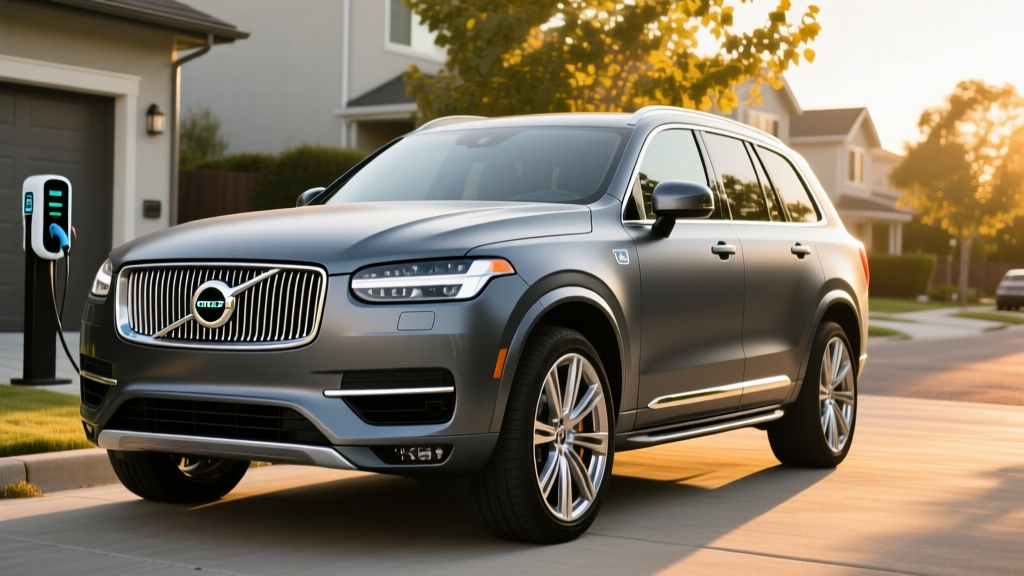
The 2016 Volvo XC90 T8 Twin Engine was Volvo's first plug-in hybrid SUV, pairing a supercharged and turbocharged 2.0-liter four-cylinder with a rear-axle electric motor for a combined 400 horsepower. On paper, it delivered 53 MPGe and 13 miles of electric-only range. In practice, a decade later, it remains one of the more complex used luxury PHEVs on the market — rewarding for informed buyers, punishing for those who skip the pre-purchase inspection.
If you're evaluating a used 2016 XC90 T8 in 2026, the real questions aren't about its launch-day specs. They're about battery degradation, out-of-warranty repair exposure, and whether this early-generation PHEV still makes financial sense against a newer full EV or conventional hybrid. This guide covers every number you need.
HEV vs. PHEV: What the XC90 T8 Actually Is
The 2016 XC90 came in two powertrain flavors, and confusing them is the most common buyer mistake:
T6 (Conventional Hybrid — HEV)
Wait — the T6 is not a hybrid at all. The 2016 XC90 T6 uses a supercharged + turbocharged 2.0L gas engine with no electric motor or hybrid system. It's a mild electrification-free powertrain. Some used listings mislabel it; always verify the badge.
T8 Twin Engine (Plug-In Hybrid — PHEV)
The T8 is a true plug-in hybrid (PHEV). It has a high-voltage traction battery you can charge from a wall outlet or public charger, an electric motor driving the rear wheels, and a gas engine driving the front wheels. It can operate in pure electric mode for short trips, then seamlessly switches to hybrid operation once the battery depletes.
Conventional hybrids (HEVs) like the Toyota RAV4 Hybrid never plug in — they recapture energy through regenerative braking and use a small battery for brief electric assist. PHEVs like the XC90 T8 have a larger battery that provides meaningful electric-only range before the gas engine takes over. The distinction matters for charging habits, tax credit eligibility, and operating cost.
Powertrain and Performance Specs
| Specification | 2016 Volvo XC90 T8 |
|---|---|
| Engine | 2.0L I-4 supercharged + turbocharged |
| Electric Motor | Rear-axle, 87 HP (65 kW) |
| Combined System Output | 400 HP / 472 lb-ft torque |
| Battery (Gross / Usable) | 11.6 kWh gross / ~9.2 kWh usable (NMC) |
| Transmission | 8-speed automatic |
| Drivetrain | AWD (gas front / electric rear) |
| 0–60 mph | 5.6 seconds |
| Towing Capacity | 5,000 lbs |
| Charge Port | J1772 (Level 1/2 only) |
| DC Fast Charging | Not supported |
| Onboard Charger | 3.7 kW |
The T8's twin-charged four-cylinder was controversial in 2016 — a luxury three-row SUV running a 2.0L engine raised eyebrows. But the supercharger provides low-end response while the turbo spools for mid-range pull, and the rear electric motor fills in torque instantly. The 400 combined HP figure is legitimate and makes the XC90 T8 genuinely quick for its 5,100-pound curb weight.
Fuel Economy: EPA Numbers vs. Real-World MPG
| Metric | EPA Estimate | Real-World Expectation |
|---|---|---|
| MPGe (combined, electric + gas) | 53 MPGe | 45–53 MPGe (depends on charge frequency) |
| Gas-only MPG (combined) | 25 MPG | 22–26 MPG |
| Gas-only City | 26 MPG | 23–27 MPG |
| Gas-only Highway | 25 MPG | 23–27 MPG |
| Electric-Only Range | 13 miles | 10–14 miles (less in cold) |
| Total Combined Range | ~380 miles | ~340–390 miles |
| Energy Consumption (EV mode) | 55 kWh/100 mi | 50–62 kWh/100 mi |
Source: EPA Fuel Economy — 2016 Volvo XC90 T8
The gas-only MPG figure surprises some buyers. At 25 MPG combined, the XC90 T8 with a depleted battery returns fuel economy similar to the non-hybrid T6 AWD (which rates 23 MPG combined). The PHEV advantage only materializes when you're regularly plugging in and using the electric range. Drive it like a conventional SUV without charging, and the extra weight of the battery and motor erases most efficiency gains.
Charging: What to Expect at Home and in Public
The 2016 XC90 T8 uses a J1772 connector for Level 1 and Level 2 AC charging. It does not support DC fast charging — a significant limitation by 2026 standards, though understandable given the small 11.6 kWh battery.
| Charging Level | Power | Time (0–100%) | Notes |
|---|---|---|---|
| Level 1 (120V household) | ~1.4 kW | ~7–8 hours | Adequate for overnight top-ups |
| Level 2 (240V) | 3.7 kW (vehicle-limited) | ~2.5–3 hours | Onboard charger caps at 3.7 kW |
| DC Fast Charge | N/A | N/A | Not supported |
Even with a 48-amp Level 2 home charger, the T8's onboard charger maxes out at 3.7 kW, meaning you won't see faster charging from a higher-powered wall unit. A standard 240V / 16A circuit (like a dryer outlet adapter) will deliver roughly 3.3 kW, which is close enough to the vehicle's maximum. This makes the T8 straightforward for home charging — you don't need an expensive high-amperage wallbox installation.
For a 2026 buyer installing a Level 2 home charger, expect $500–$1,200 for the charger unit and $800–$2,500 for electrician installation (panel permitting and conduit run dependent). A 240V NEMA 14-50 outlet with a portable J1772 EVSE is the most cost-effective path for this vehicle's modest charging needs.
Battery Health, Warranty, and Replacement Cost
This is the most critical ownership variable for a used 2016 T8. The 11.6 kWh NMC (nickel-manganese-cobalt) battery was sized for the era, but NMC chemistry from 2016 has shown measurable degradation over a decade of use. Based on owner reports and PHEV battery aging data:
- Expected capacity retention at 10 years: 70–85%, depending on climate, charge habits, and thermal exposure
- Practical electric range at 80% SoH: ~9–10 miles (down from the original 13)
- Full battery replacement cost (2026): $8,000–$14,000 including parts and labor at a Volvo dealer
- Third-party refurbishment: $5,000–$8,000 from specialized hybrid battery shops (cell-level repair)
Before purchasing, request a battery State of Health (SoH) reading from a Volvo dealer or a shop with VIDA diagnostic access. A SoH below 75% on a 2016 T8 means noticeably reduced electric range and should be factored into the purchase price negotiation. The hybrid system's 12V auxiliary battery is a separate concern — typically a $250–$400 replacement every 4–6 years.
Pricing, Tax Credits, and Used Market Value
The 2016 XC90 T8 originally started at $68,100 (base Inscription) and climbed past $80,000 with options. In the 2026 used market:
- Private party (80k–120k miles): $18,000–$25,000
- Dealer retail (60k–100k miles): $22,000–$30,000
- CPO or low-mileage examples: $28,000–$35,000
Federal Tax Credit Eligibility
The 2016 XC90 T8 no longer qualifies for the federal §30D new vehicle tax credit (it applied only at original purchase, and Volvo's credit allocation was exhausted years ago). However, if you're buying from a dealer in 2026, the used clean vehicle credit (IRC §25E) may apply:
- Credit amount: Up to $4,000 or 30% of sale price, whichever is less
- Vehicle price cap: Sale price must be $25,000 or less
- Buyer income cap: AGI ≤ $75,000 (single) / $112,500 (head of household) / $150,000 (joint)
- Vehicle age: Must be at least 2 model years old (2016 qualifies)
- Dealer requirement: Must purchase from a licensed dealer, not private party
- Battery requirement: Vehicle must have at least 4 kWh battery capacity (T8's 11.6 kWh qualifies)
Source: IRS — Used Clean Vehicle Credit
This means a qualifying buyer purchasing a 2016 XC90 T8 from a dealer for $24,000 could receive up to $4,000 as a point-of-sale reduction, effectively bringing the net cost to $20,000. Verify current eligibility on IRS.gov, as rules and dealer registration requirements can shift.
Reliability and Common Issues
The 2016 XC90 T8's reliability record is mixed — a reality worth confronting before purchase:
- Powertrain complexity: A twin-charged engine + electric motor + 8-speed auto creates many potential failure points. The supercharger, turbocharger, and their associated plumbing add maintenance items a simpler hybrid avoids.
- Electrical gremlins: Early-model-year XC90s (2016 was the first year of the new SPA platform) experienced software bugs, infotainment freezes, and sensor faults. Most were addressed through TSBs and software updates — confirm these were applied.
- Air suspension: Optional on higher trims; compressor and air strut failures are common past 80,000 miles. Replacement runs $1,500–$2,500 per corner.
- Brake wear: Regenerative braking reduces pad wear, but the T8's weight still consumes rotors at a normal rate. Budget $800–$1,200 for a full brake job.
- Timing chain: The Drive-E 2.0L engine family has shown timing chain tensioner wear past 100,000 miles in some examples — listen for startup rattle.
Source: NHTSA — 2016 Volvo XC90 Hybrid Recalls & Complaints
Compared to a Toyota or Lexus hybrid, the XC90 T8 is more expensive to maintain out of warranty. Compared to a similarly aged BMW X5 xDrive40e or Porsche Cayenne S E-Hybrid, it's roughly on par. A pre-purchase inspection by a Volvo specialist (not just any shop) is non-negotiable for this vehicle.
Who Should Choose the XC90 T8 vs. a Full EV or Gas SUV?
Choose the 2016 XC90 T8 if:
- You need three rows and AWD but want some electric driving for short commutes
- You can charge at home nightly (even Level 1 is sufficient for 13 miles)
- You value Scandinavian design, excellent seats, and a premium cabin at a depreciated price
- You're comfortable budgeting $1,500–$3,000/year for maintenance and potential repairs
- Your typical trip is under 30 miles, letting you use electric mode frequently
Choose a full EV instead if:
- You want zero gasoline costs and minimal drivetrain maintenance
- You have reliable Level 2 home charging and access to DC fast chargers for road trips
- You prefer a simpler powertrain with fewer failure points (no turbo, supercharger, or transmission fluid)
- Models like a used Tesla Model X or Rivian R1S fit your budget and space needs
Choose a conventional gas or HEV SUV instead if:
- You can't charge at home or work — a PHEV you never plug in is just a heavier gas car
- You want predictable, low-cost ownership without battery degradation concerns
- You regularly tow near the 5,000-lb limit (hybrid battery adds weight, reducing payload margin)
- A Toyota Highlander Hybrid or Mazda CX-90 PHEV (newer, under warranty) fits your needs
Pros
- 400 HP provides genuine performance from a family SUV
- 13-mile EV range covers most short errands emission-free
- Premium interior materials, class-leading seats, strong safety ratings
- Used pricing has depreciated significantly from $68k+ MSRP
- May qualify for up to $4,000 used EV tax credit (income/price limits apply)
- J1772 charging is universal and home-installation is simple
Cons
- Out of factory battery warranty — replacement costs $8,000–$14,000
- 13-mile electric range is short by 2026 PHEV standards (newer PHEVs offer 30–45 mi)
- No DC fast charging capability
- Complex twin-charged engine adds maintenance cost vs. naturally aspirated hybrids
- First-year SPA platform had software and electrical teething issues
- 25 MPG gas-only is unremarkable for the class
Frequently Asked Questions
How many MPG does the 2016 Volvo XC90 T8 hybrid get?
The EPA rates it at 25 MPG combined in gas-only operation (26 city / 25 highway), and 53 MPGe when factoring in electric driving. Real-world gas-only MPG typically falls between 22–26 MPG depending on driving style and terrain. If you charge daily and drive under 13 miles, your effective fuel consumption can be far lower — some owners report using one tank of gas over several months.
How far can the 2016 XC90 T8 go on electric only?
The EPA rates it at 13 miles of electric-only range. In real-world driving, expect 10–14 miles in moderate weather, dropping to 8–9 miles in freezing conditions. This was competitive for a luxury PHEV in 2016 but is short by today's standards — the 2026 Volvo XC90 Recharge offers 35 miles of electric range on a much larger 18.8 kWh battery.
Is the 2016 XC90 T8 reliable, and what does a battery replacement cost?
Reliability is average for a complex European luxury PHEV — not as bulletproof as a Toyota hybrid, but not as fragile as some contemporaries. The main risk is out-of-warranty battery replacement, which runs $8,000–$14,000 at a dealer or $5,000–$8,000 through a third-party hybrid specialist. Get a battery SoH check before purchase and budget accordingly.
Does the 2016 XC90 T8 qualify for any tax credit in 2026?
Not the original $5,000+ federal credit — that applied only at first purchase. However, the used clean vehicle credit (§25E) may provide up to $4,000 if you buy from a dealer for $25,000 or less and meet income requirements (≤$75k single / ≤$150k joint AGI). Check current rules at IRS.gov.
Should I get the T8 PHEV or the regular T6 gas model?
If you can charge at home and your commute is under 15 miles, the T8's electric mode makes daily driving smoother and cheaper. If you can't charge regularly, the T8's extra 400+ lbs of battery weight gives you worse fuel economy than the T6 for no benefit — buy the T6 instead and save on purchase price and complexity.
Can the 2016 XC90 T8 charge at Tesla Superchargers?
No. The T8 uses a J1772 connector for AC charging only and does not support DC fast charging of any kind — not Tesla NACS, not CCS, not CHAdeMO. You're limited to Level 1 (120V) and Level 2 (240V) AC charging at home, work, or public Level 2 stations.
What's the difference between the 2016 XC90 T8 and the newer XC90 Recharge?
Volvo rebranded the T8 as the "Recharge" starting in 2022, but the bigger change came in 2023 when Volvo increased the battery to 18.8 kWh (usable ~14.9 kWh), boosting electric range to 35 miles EPA and adding a more powerful rear motor (143 HP). The 2016 T8's 13-mile range reflects its smaller, older-generation battery. If electric range is a priority, a 2023+ Recharge is a meaningful upgrade.