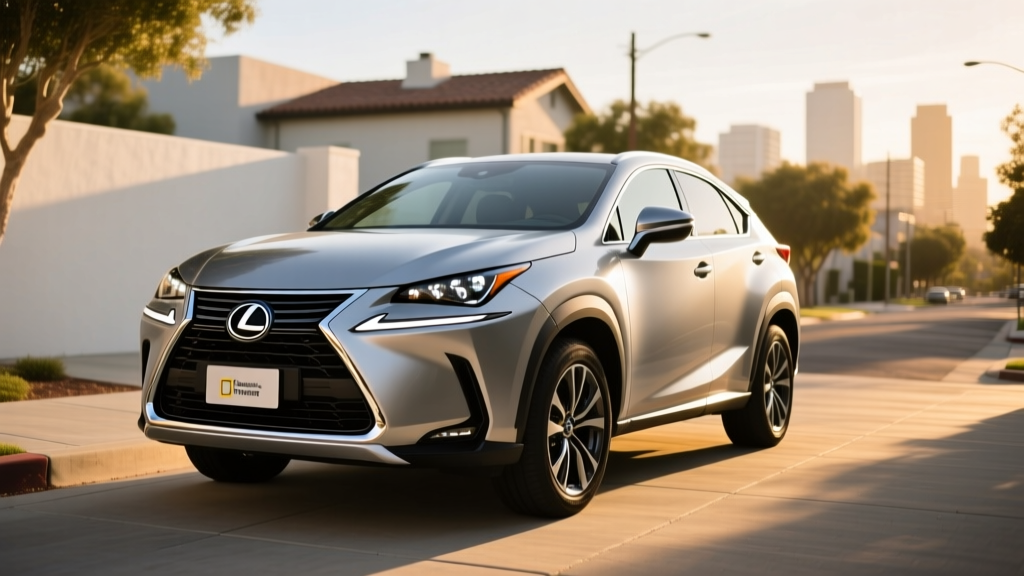
The 2016 Lexus NX 300h occupies a specific niche in the used luxury compact SUV market: a conventional hybrid (HEV) that never needs to be plugged in, delivers all-wheel drive, and sips fuel at a rate that rivals much smaller vehicles. For buyers in 2026 weighing a used electrified crossover against newer plug-in hybrids or full EVs, the NX 300h's proven Toyota-sourced powertrain and strong reliability record make it worth a close look. This guide breaks down everything you need to know about the 2016 Lexus NX hybrid — from real-world MPG to battery replacement cost.
2016 Lexus NX 300h: Powertrain and Hybrid System Explained
The 2016 NX 300h pairs a 2.5-liter Atkinson-cycle four-cylinder engine with two electric motor-generators through Lexus's e-CVT (electronically controlled continuously variable transmission). The combined system output is 194 horsepower. Unlike the turbocharged NX 200t of the same year, the hybrid prioritizes efficiency over punch — 0-60 mph takes approximately 9.1 seconds, which is leisurely by luxury standards but adequate for daily commuting and highway merging.
The AWD system uses a third, rear-mounted electric motor (68 hp) that activates when slip is detected or during hard acceleration. This is an on-demand setup — not a mechanical connection — which keeps weight and drivetrain losses low.
| Specification | Value |
|---|---|
| Combined System Horsepower | 194 hp |
| Engine | 2.5L I4 Atkinson-cycle |
| Electric Motors | Front (141 hp) + Rear (68 hp) |
| Transmission | e-CVT |
| Drivetrain | AWD (E-Four electric rear axle) |
| Hybrid Battery | ~1.6 kWh NiMH (sealed) |
| Curb Weight | ~4,045 lbs |
| Cargo Volume (rear seats up) | 17.7 cu ft |
| Cargo Volume (rear seats folded) | 54.6 cu ft |
| Original MSRP (2016) | $39,720 (base AWD) |
| Typical 2026 Used Price | $16,000 – $22,000 |
Fuel Economy: EPA Ratings vs. Real-World MPG
The headline number for the 2016 NX 300h is its EPA-rated fuel economy, which remains competitive a decade after this vehicle was built. According to fueleconomy.gov, the official ratings are:
| Driving Condition | MPG |
|---|---|
| City | 33 MPG |
| Highway | 30 MPG |
| Combined | 31 MPG |
Real-world expectations: Toyota/Lexus hybrid systems tend to perform at or slightly above their EPA city rating in stop-and-go traffic, where regenerative braking recaptures energy and the electric motor handles low-speed propulsion. Owners commonly report 32-35 MPG in mixed suburban driving. Highway-only trips at 75+ mph may dip to 27-29 MPG because the Atkinson-cycle engine is less efficient under sustained high-load conditions and aerodynamic drag increases significantly.
For context, the non-hybrid 2016 NX 200t AWD was EPA-rated at 22 MPG combined — meaning the hybrid saves roughly 9 MPG (about 29% less fuel) in typical driving. At $3.40/gallon and 12,000 miles per year, that translates to approximately $520 in annual fuel savings with the hybrid.
HEV vs. PHEV vs. Full EV: Which Is Right for You?
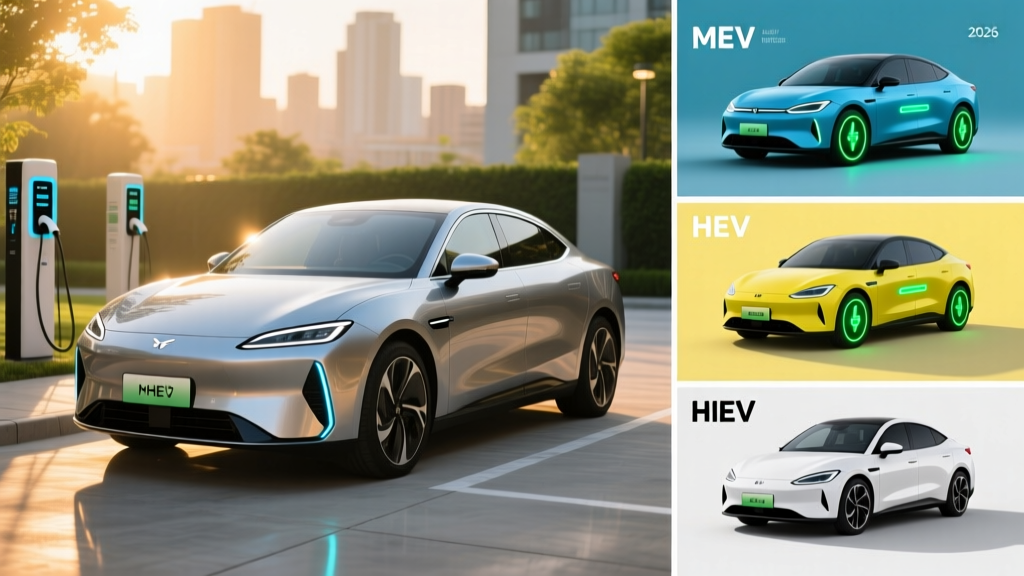
The 2016 NX 300h is a conventional hybrid (HEV). It does not plug in. The small 1.6 kWh nickel-metal hydride battery charges exclusively through regenerative braking and the gasoline engine. There is no electric-only driving mode of any meaningful distance — the EV mode button allows short, low-speed electric-only movement (roughly 0.5-1 mile at under 25 mph), but this is not a practical commute solution.
This is a common point of confusion, so the distinction matters:
| Feature | HEV (NX 300h) | PHEV (e.g., RAV4 Prime) | BEV (e.g., Tesla Model Y) |
|---|---|---|---|
| Plugs in? | No | Yes (Level 1/2) | Yes (Level 1/2/DC) |
| Electric-only range | ~0.5 mi (token) | 25-42 mi typical | 250-330 mi typical |
| Gas engine? | Yes (primary) | Yes (backup) | No |
| Tailpipe emissions | Reduced vs. gas | Zero in EV mode | Zero |
| Home charging needed? | No | Recommended | Essential |
| Federal tax credit (§30D)? | No | Up to $7,500* | Up to $7,500* |
| Ideal for | No home charging access | Short commutes + road trips | Home charging + daily driving |
*§30D credit eligibility depends on MSRP caps, buyer income limits, battery sourcing, and point-of-sale transfer rules per IRS guidelines. Conventional hybrids like the NX 300h do not qualify for any federal EV tax credit.
- Choose this HEV if: You want better fuel economy but lack access to home or workplace charging, you live in a cold climate where EV range loss is a concern, or you want a proven luxury crossover with low running costs and no plug-in commitment.
- Choose a PHEV instead if: You have a garage or driveway where you can install a Level 2 charger, your daily commute is under 30 miles, and you want electric-only driving for most trips with gas backup for road trips.
- Choose a full EV instead if: You have reliable home charging, you want zero tailpipe emissions, minimal maintenance, and access to the federal tax credit on a new or qualifying used purchase.
Hybrid Battery Lifespan, Warranty, and Replacement Cost
The single biggest concern for used-hybrid buyers is the traction battery. The 2016 NX 300h uses a sealed nickel-metal hydride (NiMH) pack located under the rear seat. NiMH chemistry is well-proven — Toyota has been deploying it in hybrids since the 1997 Prius, and the failure data is extensive.
Real-world battery longevity: NiMH packs in Toyota/Lexus hybrids commonly last 150,000-200,000+ miles before significant degradation. "Significant" here means capacity loss that noticeably reduces MPG or triggers a hybrid system warning — not a sudden failure. Many first-generation Prius taxis surpassed 300,000 miles on the original pack. For a 2016 NX 300h with typical mileage (80,000-120,000 miles in 2026), the battery likely has substantial remaining life.
Replacement cost if needed:
- Refurbished/remanufactured NiMH pack: $2,000 – $3,500 installed (independent hybrid specialist)
- New OEM Lexus pack: $4,000 – $5,500 installed at a dealership
- Individual cell/module replacement: $500 – $1,200 if only a few cells are weak (requires a hybrid-specialist shop with cell-balancing equipment)
Before purchasing, request a hybrid battery health check from a Lexus dealer or a qualified hybrid specialist. They can pull the State of Health (SoH) data through the OBD-II port using Toyota's Techstream diagnostic software. A pack showing 85%+ SoH with no cell-voltage imbalance is in good shape.
Reliability and Ownership Costs
The 2016 NX 300h benefits from shared underpinnings with the Toyota RAV4 Hybrid and the Lexus ES 300h, both of which have excellent long-term reliability records. The hybrid system itself has fewer wear items than a conventional powertrain — no traditional starter motor, no alternator, and regenerative braking significantly extends brake pad life (60,000-100,000 miles on original pads is common).
Key reliability considerations for a used 2016 NX 300h:
- Hybrid system: Very low failure rate. The inverter, motor-generators, and e-CVT are proven components.
- 12V auxiliary battery: Like all modern vehicles, the NX 300h has a 12V battery that powers electronics. If this dies, the car won't start even if the hybrid battery is full. Replace proactively every 4-5 years.
- A/C compressor: Electrically driven (not belt-driven). Replacement is more expensive than a conventional compressor ($1,200-$1,800) but failures are uncommon.
- Brakes: Expect long life due to regen. Inspect rotors for surface rust if the vehicle has been driven lightly.
- Timing chain: The 2AR-FXE engine uses a timing chain (not a belt), which is a lifetime component under normal maintenance.
The 2016 NX 300h earned the IIHS Top Safety Pick designation with Good ratings across all crashworthiness categories when equipped with the optional front crash prevention package. NHTSA gave it a 5-star overall safety rating.
What It's Like to Drive and Live With
The NX 300h's e-CVT delivers smooth, linear acceleration without the gear-hunting of a traditional automatic. The trade-off is the characteristic hybrid "rubber-band" sensation under hard acceleration — engine RPM rises and holds while the vehicle speed catches up. Around town, this is imperceptible; on highway on-ramps, it's noticeable.
Ride quality is firm but well-damped, typical of Lexus's tuning philosophy. Cabin noise is low at cruising speeds, though the four-cylinder engine becomes vocal when pushed. The interior materials hold up well — Lexus's SofTex (synthetic leather) on the base trim and available semi-aniline leather on higher trims show minimal wear at 100,000 miles.
The infotainment system is the NX's weakest point by modern standards. The 7-inch display uses Lexus's Remote Touch Interface (a joystick-like controller), which is fiddly to operate while driving. Apple CarPlay and Android Auto were not available on the 2016 model year — Lexus didn't add smartphone integration until the 2019 refresh. Aftermarket solutions (like a CarPlay adapter box) exist for $200-$400 but require installation.
- 31-33 MPG combined with no plug-in requirement
- Proven hybrid system with low failure rates
- AWD standard on all NX 300h trims
- Quiet, comfortable cabin with Lexus build quality
- Strong IIHS/NHTSA safety ratings
- Low brake wear thanks to regenerative braking
- No range anxiety — fill up at any gas station
- Modest 194 hp; 0-60 in ~9.1 seconds
- No Apple CarPlay or Android Auto
- Remote Touch controller is frustrating
- Small cargo area (17.7 cu ft) for the class
- No federal tax credit eligibility
- Hybrid battery warranty likely expired
- CVT drone under hard acceleration
2016 NX 300h vs. Alternatives: What Else Should You Consider?
If you're shopping the used 2016 NX 300h, these competitors are worth cross-shopping:
| Model | Type | EPA Combined MPG | HP | Used Price Range (2026) |
|---|---|---|---|---|
| 2016 Lexus NX 300h | HEV | 31 MPG | 194 | $16,000 – $22,000 |
| 2016 Toyota RAV4 Hybrid | HEV | 32 MPG | 194 | $14,000 – $19,000 |
| 2017 Audi Q5 Hybrid (quattro) | HEV | 26 MPG | 245 | $18,000 – $24,000 |
| 2016 BMW X3 xDrive28d | Diesel | 30 MPG | 180 | $15,000 – $20,000 |
| 2017 Mitsubishi Outlander PHEV | PHEV | 25 MPG + 10 mi EV | 197 | $14,000 – $18,000 |
The RAV4 Hybrid shares the same powertrain but trades luxury for practicality (more cargo space, lower price). The Outlander PHEV offers plug-in capability with ~10 miles of electric range but has higher long-term maintenance costs and a less refined interior.
Tax Credits and Incentives for the 2016 NX 300h
The 2016 Lexus NX 300h is a conventional hybrid and does not qualify for the federal §30D New Clean Vehicle Credit, which applies only to plug-in electric vehicles (PHEVs and BEVs) meeting battery sourcing and MSRP/income requirements. It also does not qualify for the federal Used Clean Vehicle Credit (§25E), which requires a plug-in vehicle with at least 4 kWh of battery capacity.
Some states historically offered rebates for conventional hybrids, but most have shifted incentive programs toward plug-in vehicles. Check your state's current energy or environmental agency website for any residual programs. As of 2026, no major state incentive programs offer credits for purchasing a used conventional hybrid.
Frequently Asked Questions
How many MPG does the 2016 Lexus NX 300h hybrid get?
The EPA rates the 2016 NX 300h at 33 MPG city, 30 MPG highway, and 31 MPG combined. Real-world owners typically see 32-35 MPG in mixed suburban driving and 27-29 MPG on sustained highway trips at higher speeds.
Does the 2016 Lexus NX hybrid need to be plugged in?
No. The NX 300h is a conventional hybrid (HEV), not a plug-in hybrid. It charges its small battery through regenerative braking and the gasoline engine. You simply fill it with gas like any other car.
How far can the NX 300h drive on electric power alone?
Effectively less than 1 mile at very low speeds (under 25 mph) using the EV mode button. This is designed for creeping through parking lots or residential streets, not for commuting. If you want meaningful electric-only range, you need a PHEV or a full EV.
Is the 2016 Lexus NX 300h reliable?
Yes. The hybrid powertrain is shared with the Toyota RAV4 Hybrid and Lexus ES 300h, both of which have strong long-term reliability records. The NiMH hybrid battery commonly lasts 150,000-200,000+ miles. The e-CVT has no traditional gears or clutch packs to wear out.
What does a replacement hybrid battery cost for the NX 300h?
A refurbished NiMH pack runs $2,000-$3,500 installed at an independent hybrid specialist. A new OEM pack from Lexus costs $4,000-$5,500 installed. Individual cell replacement (if only a few modules are degraded) can be as low as $500-$1,200.
Does the 2016 NX 300h qualify for any tax credit?
No. As a conventional hybrid, it is not eligible for the federal §30D EV tax credit or the §25E used EV credit. These programs require plug-in capability (PHEV or BEV). Check your state's programs, but most state incentives have also moved to plug-in vehicles only.
Is the hybrid battery warranty still valid on a 2016 model?
The original warranty was 8 years/100,000 miles (10 years/150,000 miles in CARB states like California). For most 2016 models, this warranty expired in 2024. California-registered vehicles may still have coverage through 2026 if under 150,000 miles. Verify with a Lexus dealer using your VIN.
How does the NX 300h compare to a full EV like the Tesla Model Y?
They serve different needs. The NX 300h costs less upfront (used), requires no charging infrastructure, and has no range anxiety. The Model Y offers dramatically lower per-mile energy costs (~$0.04/mile vs. ~$0.11/mile for the Lexus), zero tailpipe emissions, faster acceleration, and access to the Supercharger network — but requires home charging access and a higher purchase price.