Quick Verdict: The 2016 Optima Hybrid a Decade Later
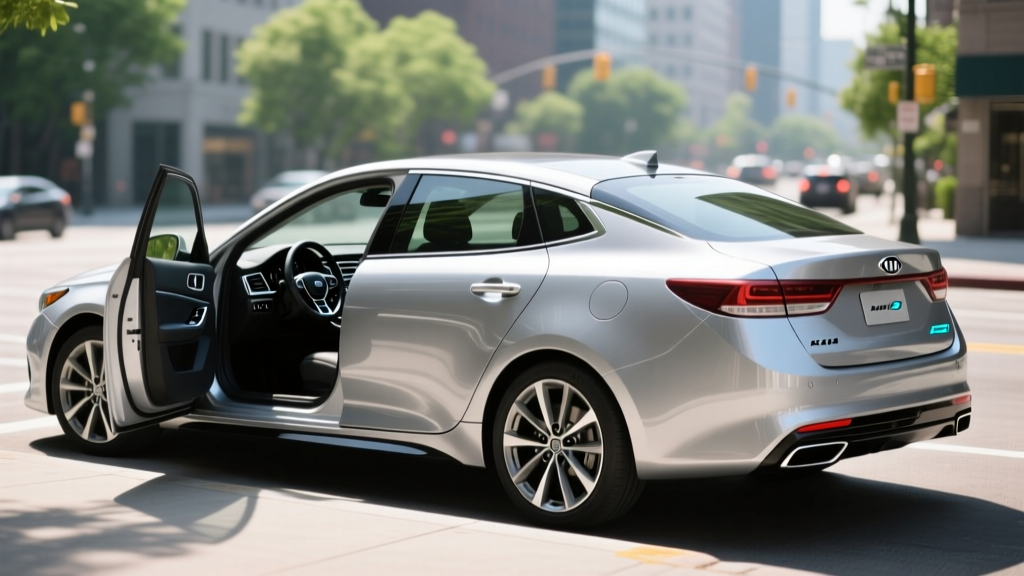
A full decade after its debut, the 2016 Kia Optima Hybrid remains a fixture on the used-car market for buyers who want electrified efficiency without plugging in. It was never the flashiest midsize hybrid — the Toyota Camry Hybrid and Ford Fusion Hybrid grabbed more headlines — but the Optima Hybrid carved out a niche with strong value, a conventional hybrid powertrain (HEV, not a plug-in), and Kia's industry-leading warranty. In 2026, with used EV prices still elevated and public charging infrastructure uneven outside major metros, a well-maintained 2016 Optima Hybrid can be a pragmatic daily driver delivering real-world fuel economy that often beats its EPA sticker in city driving.
This guide covers exactly what you need to know before buying one today: real MPG data, powertrain specs, battery longevity, replacement cost expectations, and how it stacks up against modern PHEVs and full EVs for today's commuters.
EPA Fuel Economy vs. Real-World MPG
The 2016 Kia Optima Hybrid carries an EPA-estimated 36 MPG city / 40 MPG highway / 38 MPG combined according to fueleconomy.gov. Those numbers placed it competitively against the 2016 Toyota Camry Hybrid (40/38/40) and the 2016 Ford Fusion Hybrid (44/41/42), though the Fusion held a clear city-driving advantage thanks to its more aggressive regenerative braking strategy.
| Driving Cycle | EPA Estimate | Real-World Expectation |
|---|---|---|
| City | 36 MPG | 37–41 MPG (regen-heavy routes) |
| Highway | 40 MPG | 36–39 MPG (70+ mph sustained) |
| Combined | 38 MPG | 35–40 MPG (mixed driving) |
Real-world reality check: Hybrid sedans like the Optima tend to exceed their EPA city estimates on stop-and-go commutes where regenerative braking recaptures energy constantly. Highway driving is the opposite story — at sustained speeds above 70 mph, the electric motor contributes less and the 2.0-liter four-cylinder does most of the work, pulling real-world highway MPG down to the mid-to-upper 30s. In cold climates (below 30°F), expect a 5–10% efficiency hit as the engine runs longer to heat the cabin and bring the catalytic converter up to operating temperature.
Powertrain and Performance Specs
The 2016 Optima Hybrid pairs a 2.0-liter GDI four-cylinder engine (154 hp, 140 lb-ft torque) with a 38-kW electric motor integrated into the transmission housing. Combined system output is 199 horsepower. Unlike many competitors that use a continuously variable transmission (CVT), Kia opted for a 6-speed automatic, which gives the car a more traditional, stepped acceleration feel — a plus for drivers who dislike the rubber-band sensation of CVTs, though it sacrifices a small amount of efficiency.
| Specification | Value |
|---|---|
| Engine | 2.0L GDI 4-cylinder (154 hp / 140 lb-ft) |
| Electric Motor | 38 kW (51 hp) |
| Combined System Output | 199 hp |
| Transmission | 6-speed automatic |
| Drivetrain | Front-wheel drive |
| Hybrid Battery | 1.62 kWh lithium-polymer (NMC chemistry) |
| 0–60 mph | ~8.8 seconds (est.) |
| Curb Weight | ~3,525 lbs |
| Fuel Tank | 18.5 gallons |
| Total Range | ~700 miles (at combined EPA) |
The 1.62 kWh lithium-polymer pack sits behind the rear seats, which reduces trunk space slightly compared to the gas-only Optima (13.4 cu ft vs. 15.9 cu ft). This is a self-charging hybrid battery — it recovers energy through regenerative braking and engine-driven generation. No plug-in charging is required or possible. The car manages its state of charge automatically, using electric-only propulsion at low speeds and blending power sources under harder acceleration.
HEV vs. PHEV vs. Full EV: Which Is Right for You?
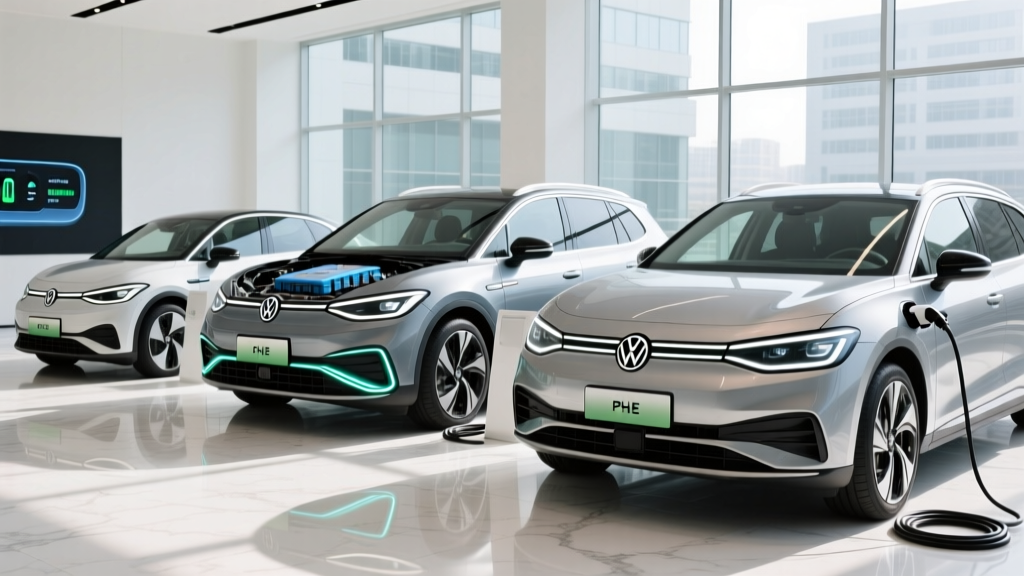
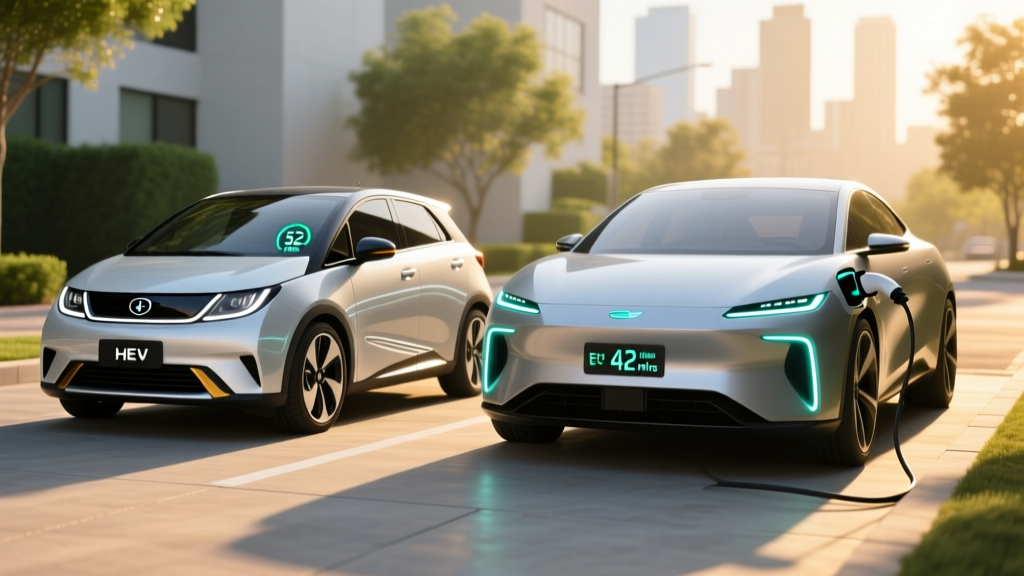
The 2016 Optima is a conventional hybrid (HEV). Understanding the distinction between HEV, PHEV, and BEV is essential before shopping the used electrified market.
| Feature | HEV (e.g., Optima Hybrid) | PHEV (e.g., Optima PHEV) | BEV (e.g., Tesla Model 3) |
|---|---|---|---|
| Plug-in Charging | No | Yes (Level 1/2) | Yes (Level 1/2/DC) |
| Electric-Only Range | ~1 mile at low speed | ~27 miles (2016 Optima PHEV) | 250–350+ miles |
| Gas Engine | Yes (primary + assist) | Yes (backup after EV range) | None |
| Home Charging Needed | No | Recommended | Essential |
| Tailpipe Emissions | Reduced | Zero (EV mode) / Reduced | Zero |
| Federal Tax Credit (New) | None | Up to $7,500 (§30D) | Up to $7,500 (§30D) |
- Choose the HEV (Optima Hybrid) if you lack home charging access, drive a mix of city and highway, and want zero lifestyle change from a gas car — just better MPG.
- Choose a PHEV if you have home Level 2 charging and a commute under 30 miles round-trip, letting you drive mostly electric on weekdays and gas-free on road trips.
- Choose a full BEV if you have reliable home charging, want zero tailpipe emissions, and your typical trips fall within the vehicle's range (accounting for cold-weather loss).
For 2026 buyers, the used HEV market (including this Optima) fills a specific gap: electrified efficiency for apartment dwellers, street parkers, and rural drivers who can't install a home charger. If you can charge at home, a used PHEV or BEV will likely deliver lower per-mile operating costs.
Battery Longevity, Warranty, and Replacement Cost
Battery lifespan is the number-one concern for used hybrid buyers, and with good reason — a 2016 model is now a decade old. Here's what the data shows.
Degradation reality: The 1.62 kWh lithium-polymer pack in the Optima Hybrid is small and operates within a narrow state-of-charge window (roughly 20–80% SoC), which significantly reduces calendar degradation compared to a full EV battery that cycles through a wider range. Based on long-term owner reports and hybrid fleet data, most 2016-era Kia and Hyundai hybrid packs retain 85–95% of their original capacity after 100,000 miles. Because the pack is small and used primarily for assist and regen buffering — not long electric-only driving — even moderate degradation has a minimal impact on fuel economy.
Replacement cost: If the pack does fail outside warranty, expect a replacement cost of $2,000–$4,000 for a refurbished or new OEM battery pack, including labor. Independent hybrid repair shops have emerged as a lower-cost alternative to dealerships, often offering refurbished packs with 3-year warranties. This is significantly cheaper than full EV battery replacement ($8,000–$20,000+) because the pack is much smaller.
2016 Kia Optima Hybrid vs. Key Competitors
| Spec | Kia Optima Hybrid | Toyota Camry Hybrid | Ford Fusion Hybrid | Honda Accord Hybrid |
|---|---|---|---|---|
| EPA Combined MPG | 38 | 40 | 42 | 40 |
| Combined HP | 199 | 200 | 188 | 196 |
| Transmission | 6-speed auto | eCVT | eCVT | eCVT (2-motor) |
| Trunk (cu ft) | 13.4 | 13.1 | 12.0 | 13.4 |
| Original MSRP (base) | ~$26,795 | ~$27,595 | ~$26,810 | ~$29,805 |
| Battery Warranty (orig.) | 10 yr / 100k mi | 10 yr / 150k mi* | 8 yr / 100k mi | 8 yr / 100k mi |
*Toyota's 10/150k hybrid battery warranty applies in California-emissions states; 8/100k in others.
The Optima Hybrid trades a slight MPG deficit to the Fusion and Camry for a more engaging driving experience (the 6-speed auto feels more natural than eCVT drone), a lower original MSRP, and Kia's generous warranty. Its trunk space, while reduced from the gas model, ties the Accord Hybrid and beats the Camry and Fusion. On the used market in 2026, the Optima Hybrid typically lists for $9,000–$14,000 depending on mileage and condition — often $1,000–$3,000 less than comparable Camry Hybrids, which hold resale value more aggressively.
Pricing, Tax Credits, and Used Ownership Costs
When the 2016 Optima Hybrid was new, it did not qualify for the federal §30D plug-in vehicle tax credit because it is a conventional hybrid with no plug-in capability. That remains true today: no federal tax credit is available for used HEVs. The IRS §30D credit applies only to plug-in electric vehicles (PHEVs and BEVs) that meet battery-sourcing, MSRP, and buyer-income requirements.
For 2026 used buyers, the financial picture looks like this:
| Cost Category | Annual Estimate |
|---|---|
| Purchase Price (used, avg.) | $10,000–$13,000 |
| Fuel (12,000 mi/yr at 38 MPG, $3.30/gal) | ~$1,042 |
| Insurance (avg.) | ~$1,100–$1,400 |
| Maintenance (oil, tires, brakes) | ~$500–$700 |
| Depreciation (est. yr 10–11) | ~$500–$800 |
Compared to a 2016 gas-only Optima (28 MPG combined), the hybrid saves roughly $300–$450 per year in fuel at current gas prices and 12,000 miles annually. That savings narrows the price premium you might pay over a gas-only used Optima, typically within 2–3 years of ownership.
Reliability, Safety, and Known Issues
The 2016 Optima Hybrid earned strong safety marks: a 5-star overall NHTSA rating and an IIHS Top Safety Pick designation. Per NHTSA records, there have been no major safety recalls specific to the hybrid battery system.
Common owner-reported issues for the 2016 model year include:
- Transmission hesitation: Some drivers report a brief lag during initial acceleration from a stop — the handoff between electric motor and gas engine through the 6-speed automatic. This is generally a calibration characteristic rather than a defect, but it's worth testing during a test drive.
- 12V auxiliary battery drain: Like many hybrids, the Optima can experience 12V battery issues if the car sits for extended periods. This is the standard lead-acid accessory battery, not the hybrid traction pack, and replacement costs ~$150–$200.
- Brake actuator noise: The regenerative braking system can produce a low hum or slight pulsation — normal for blended braking systems but worth confirming during a pre-purchase inspection.
Overall, the 2016 Optima Hybrid has proven to be a reliable vehicle when maintained per Kia's service schedule. The hybrid system adds complexity but has fewer failure points than early-generation hybrids from the 2000s, and Kia's powertrain is less stressed than some competitors due to the conservative battery management strategy.
Pros, Cons, and Final Recommendation
Pros
- 38 MPG combined EPA; often beats this in city driving
- 6-speed automatic feels more natural than CVT competitors
- 199 hp combined — adequate passing power
- 10 yr / 100k mi hybrid battery warranty (original owner)
- Lower used prices than Camry Hybrid equivalents
- No plug-in infrastructure required
Cons
- Trunk reduced to 13.4 cu ft (battery placement)
- Highway MPG drops below EPA estimate at 70+ mph
- No electric-only driving beyond low-speed creep
- No federal tax credit eligibility (HEV)
- Original-owner battery warranty may have expired (2026)
- Some transmission handoff hesitation from stop
The bottom line for 2026 buyers: The 2016 Kia Optima Hybrid is a smart used-car pick for drivers who want hybrid efficiency without the charging logistics of a PHEV or BEV. It's particularly well-suited to apartment dwellers, street parkers, and anyone whose daily route involves frequent stops. The main risk at this age is battery warranty expiration — get a pre-purchase inspection that includes a hybrid battery health check, and factor a potential $2,000–$4,000 battery replacement into your 5-year budget if the pack shows significant degradation.
Frequently Asked Questions
How many MPG does the 2016 Kia Optima Hybrid get?
The EPA rates it at 36 city / 40 highway / 38 combined. In real-world city-heavy driving, many owners report 38–41 MPG. Highway-dominant driving at speeds above 70 mph typically yields 35–37 MPG combined.
Is the 2016 Optima Hybrid a plug-in?
No. The 2016 Optima Hybrid is a conventional self-charging hybrid (HEV). It does not have a plug and cannot charge from an external power source. Kia did offer a separate Optima PHEV variant (2017–2020 model years) with ~27 miles of electric-only range and a plug-in port, but that is a different vehicle.
How far can it drive on electric power alone?
Essentially zero meaningful distance. The 1.62 kWh battery provides electric assist at low speeds and during initial acceleration, but the gas engine engages almost immediately under normal driving. This is by design — HEVs use their small batteries for efficiency optimization, not electric-only range.
Does the 2016 Optima Hybrid qualify for any tax credit?
No. Federal §30D tax credits apply only to plug-in electric vehicles (PHEVs and BEVs). Conventional hybrids like the Optima Hybrid are not eligible. Some states may offer minimal incentives for used hybrid purchases, but these vary by jurisdiction — check your state's energy or DMV website for current programs.
How long will the hybrid battery last?
Most 2016-era Kia/Hyundai hybrid battery packs last 120,000–150,000+ miles before significant degradation, based on fleet and owner data. The small pack size and conservative state-of-charge management (operating between ~20–80% SoC) reduce stress on the cells. If replacement is needed, budget $2,000–$4,000 for a refurbished or OEM pack.
Is the 2016 Optima Hybrid reliable?
Yes, with caveats. The powertrain is proven and the hybrid system is less complex than early-generation designs. Common minor issues include transmission handoff hesitation and 12V battery drain during long sit periods. A pre-purchase inspection focusing on hybrid battery health and brake actuator function is strongly recommended for any 10-year-old hybrid.