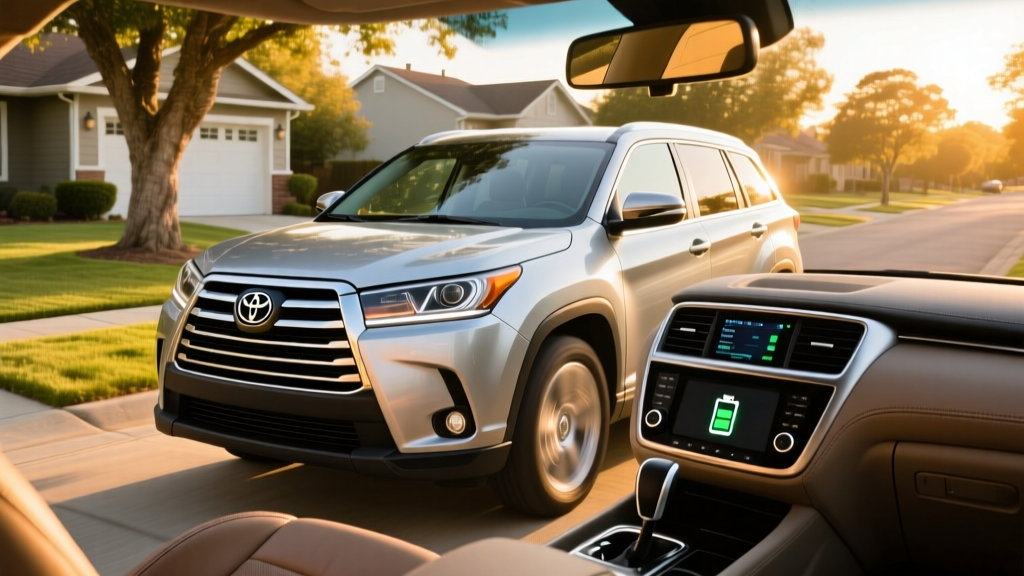
The 2016 Toyota Highlander Hybrid Limited occupies a specific niche in the used three-row SUV market: a conventional hybrid (HEV) that delivers meaningful fuel savings over its gas-only counterpart without requiring any change in driving or refueling habits. Nearly a decade after its debut, buyers are circling back to this generation for its proven reliability, comfortable ride, and the cost advantages of a mature hybrid powertrain that has accumulated billions of real-world miles across the Toyota fleet.
This guide breaks down everything a 2026 used-car buyer needs to know — from exact EPA fuel economy figures and real-world MPG expectations, to hybrid battery health checks, replacement costs, and how this HEV stacks up against modern plug-in hybrids and full battery-electric SUVs.
HEV vs PHEV vs EV: Where the 2016 Highlander Hybrid Fits
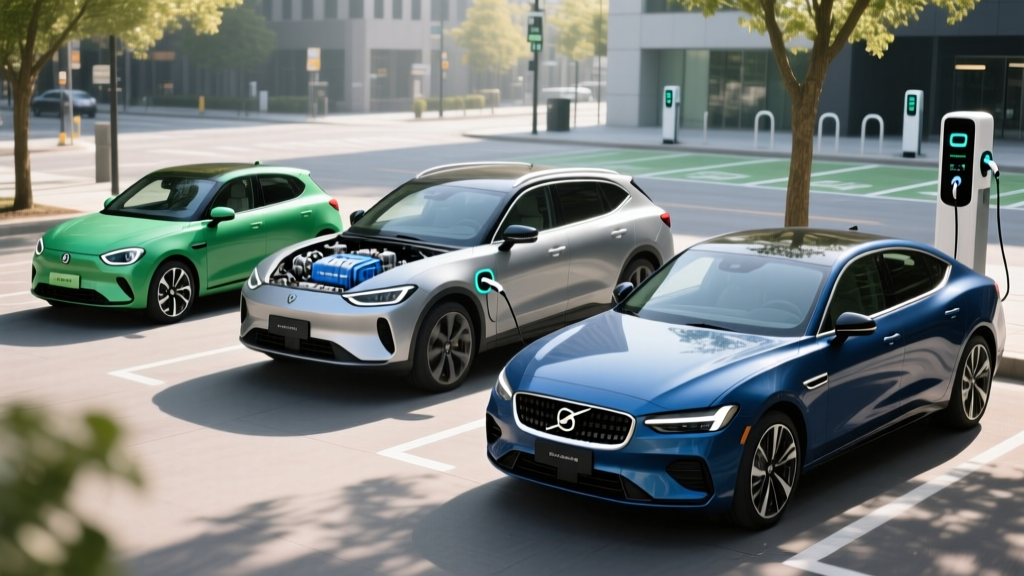
Before evaluating specs, it's essential to understand what the 2016 Highlander Hybrid is — and what it isn't. This is a conventional hybrid electric vehicle (HEV). It pairs a gasoline engine with an electric motor and a small battery that recharges through regenerative braking and the engine itself. There is no plug. You fuel it at a gas station exactly like any other car.
Quick Reference: HEV vs PHEV vs BEV
| Feature | HEV (this vehicle) | PHEV | BEV (Full EV) |
|---|---|---|---|
| Plug-in charging | No | Yes | Yes |
| Electric-only range | ~1 mile at low speed | 20–50 miles typical | 200–400+ miles |
| Gasoline engine | Yes (primary) | Yes (backup) | No |
| Fueling | Gas station only | Gas + plug | Plug only |
| Federal tax credit (§30D) | Not eligible | Up to $7,500 (new, if eligible) | Up to $7,500 (new, if eligible) |
| Best for | No home charging access | Short commutes + road trips | Home charging + lower running cost |
The 2016 Highlander Hybrid was never offered as a plug-in hybrid. Toyota did not introduce a PHEV three-row SUV until the much later RAV4 Prime and, subsequently, other models in global markets. If you need electric-only commuting range, this vehicle won't provide it — but if you want a no-compromise family hauler with better fuel economy and no charging logistics, the HEV format remains compelling even in 2026.
Powertrain Specs: 306 HP V6 Hybrid System
The 2016 Highlander Hybrid Limited uses Toyota's well-established hybrid synergy drive system adapted for a larger, heavier SUV platform.
| Specification | 2016 Highlander Hybrid Limited |
|---|---|
| Engine | 3.5L V6 (2GR-FXE) Atkinson cycle |
| Engine output | 236 HP @ 5,800 rpm / 215 lb-ft @ 4,800 rpm |
| Electric motors | Front: 123 kW (165 HP) / Rear: 50 kW (67 HP) |
| Net combined system HP | 306 HP |
| Transmission | eCVT (electronically controlled CVT) |
| Drivetrain | AWD-i (electronic on-demand AWD via rear motor) |
| Hybrid battery | 1.9 kWh nickel-metal hydride (NiMH) |
| 0–60 mph | ~7.8 seconds |
| Towing capacity | 3,500 lbs |
| Seating | 7 passengers |
| Cargo (behind 3rd row) | 13.8 cu ft |
The AWD-i system is worth noting: unlike mechanical AWD with a driveshaft, the rear axle is powered exclusively by the 50 kW electric motor. This means the rear wheels engage only when the system detects slip or heavy acceleration. It's effective for rain and light snow but not a substitute for a dedicated off-road system. The eCVT is a planetary gearset, not a belt-driven CVT — Toyota's hybrid transaxles are among the most durable transmissions in the industry, with no belts or cones to wear out.
Fuel Economy: EPA Ratings and Real-World MPG
Fuel economy is the primary reason buyers choose this powertrain. The EPA rates the 2016 Highlander Hybrid as follows, per fueleconomy.gov:
| Driving Cycle | EPA Rating |
|---|---|
| City | 27 MPG |
| Highway | 28 MPG |
| Combined | 28 MPG |
For comparison, the gas-only 2016 Highlander V6 AWD is rated at 18 city / 24 highway / 20 combined. That's an 8 MPG combined advantage for the hybrid — roughly a 40% improvement in fuel efficiency.
Real-World MPG: What Owners Actually Report
Hybrids tend to perform close to or slightly above EPA estimates in city driving because regenerative braking recovers energy that would otherwise be lost. Highway driving is where hybrids lose their advantage, since the electric motor assists less at sustained high speeds.
Based on aggregated owner data from Fuelly and owner forums, real-world combined MPG for the 2016 Highlander Hybrid typically falls between 25 and 29 MPG, with city-dominant drivers occasionally reporting 30+ MPG in warm weather. Highway-only road trips at 75+ mph tend to drop to 23–25 MPG.
At 27 MPG real-world combined and $3.40/gallon (2026 national average for regular unleaded), the annual fuel cost for 15,000 miles is approximately $1,889. The gas-only equivalent at 20 MPG would cost about $2,550 — a savings of roughly $660 per year, or $3,300 over five years.
Hybrid Battery Health, Warranty, and Replacement Cost
The single biggest concern for any used-hybrid buyer is battery longevity. The 2016 Highlander Hybrid uses a nickel-metal hydride (NiMH) battery pack — not the lithium-ion chemistry found in modern EVs and PHEVs. NiMH packs are less energy-dense but have a well-documented track record for durability in Toyota's hybrid fleet.
Battery Warranty (When New)
Toyota's hybrid battery warranty for the 2016 model year was 8 years / 100,000 miles (10 years / 150,000 miles in California and states that adopted CARB emissions standards). By 2026, most 2016 Highlander Hybrids have exceeded the original warranty coverage on age alone.
How Long Do These Batteries Last?
Toyota's NiMH hybrid batteries in the Highlander and similar platforms (Camry Hybrid, Sienna) routinely last 150,000 to 200,000+ miles before significant degradation. Unlike EV batteries that lose range proportionally, hybrid batteries degrade more slowly because they operate within a narrow state-of-charge window (roughly 40–80%), never fully charging or fully discharging. This shallow cycling dramatically extends cell life.
However, a 2016 model is now 10 years old. Calendar aging does affect NiMH chemistry, though less severely than lithium-ion. High-mileage examples (120,000+ miles) may show some capacity loss, manifesting as slightly reduced low-speed electric assist and marginally lower MPG — but rarely a complete failure.
Battery Replacement Cost
If the hybrid battery does fail, replacement options in 2026 include:
- New OEM Toyota battery: $2,500–$3,500 (parts) + $500–$800 labor = $3,000–$4,300 total
- Refurbished/remanufactured pack: $1,200–$2,000 installed
- Individual cell module replacement: $500–$1,000 at a specialist hybrid shop (only failed modules replaced)
The cell-module repair route has become increasingly common and is a cost-effective option for out-of-warranty vehicles. Many independent hybrid specialists now offer this service with 1–3 year warranties on the repair.
2016 Highlander Hybrid Limited: Features and What You Get
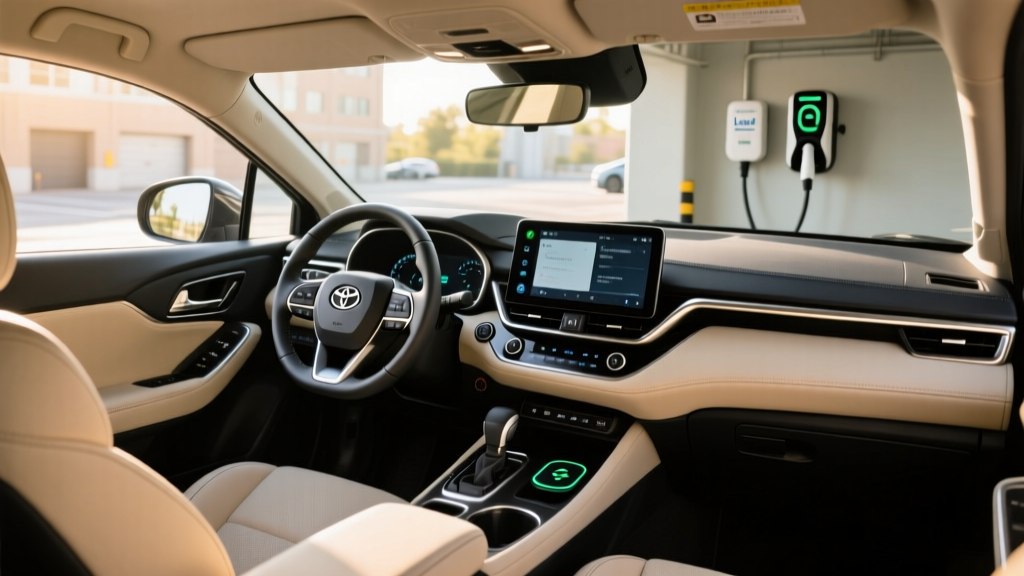
The Limited was the top trim for the 2016 Highlander Hybrid (above the XLE). Standard equipment on the Limited included:
- Leather-trimmed heated and ventilated front seats
- Driver memory settings (seat, mirror)
- Navigation system with 8-inch touchscreen
- JBL premium audio (12 speakers)
- Blind Spot Monitor with Rear Cross-Traffic Alert
- Power liftgate
- Pre-Collision System with pedestrian detection (Toyota's early ADAS suite)
- Lane Departure Alert
- Automatic High Beams
- 19-inch alloy wheels
Note that Toyota Safety Sense-P (TSS-P) — which added full-speed adaptive cruise control and enhanced pre-collision braking — was introduced mid-cycle and became standard on the 2017 model year. Some late-build 2016 models may have it, but verify by VIN. This matters if you want modern adaptive cruise for highway driving.
Tax Credits and Used-Buyer Economics
The 2016 Highlander Hybrid does not qualify for the federal §30D new clean vehicle tax credit — that credit applies only to plug-in vehicles (PHEVs and BEVs) with sufficient battery capacity, and conventional HEVs have never been eligible. The now-expired §30C alternative fuel vehicle credit did not cover standard hybrids either.
For used buyers in 2026, the relevant incentive is the §25E previously owned clean vehicle credit — but again, this applies only to used PHEVs and BEVs, not conventional hybrids. There is no federal tax credit available for purchasing a used HEV of any kind.
Some states and utilities offer rebates or HOV lane access for hybrids, but these vary significantly by jurisdiction. Check your state's energy office or DMV for current programs. Per the IRS clean vehicle credit page, only vehicles with plug-in capability and minimum battery capacity qualify for federal credits.
Used Pricing in 2026
As of early 2026, the 2016 Toyota Highlander Hybrid Limited trades in the used market at approximately:
- 80,000–100,000 miles: $18,000–$22,000
- 100,000–130,000 miles: $15,000–$18,000
- 130,000+ miles: $12,000–$15,000
Prices vary by region, condition, and accident history. The hybrid premium over the gas-only Limited has largely depreciated away, making the hybrid the more rational buy at similar used prices given its fuel savings.
Who Should Buy This Hybrid vs a PHEV or EV?
Choose the 2016 Highlander Hybrid if:
- You lack access to home or workplace charging (apartment, street parking)
- You regularly drive long distances and don't want to plan charging stops
- You need three rows of seating on a sub-$25,000 budget
- You value Toyota's long-term reliability track record
- You want better MPG without changing any refueling habits
Consider a PHEV or full EV instead if:
- You have Level 2 home charging and a commute under 30 miles (a PHEV like the Chrysler Pacifica Hybrid or a newer Toyota RAV4 Prime could eliminate most gas use)
- You want access to HOV/carpool lanes (available for PHEVs/EVs in many states, not for HEVs)
- You want to reduce tailpipe emissions to zero on daily driving (BEV) or most driving (PHEV)
- You're buying new and can take advantage of the §30D or §25E tax credits on a plug-in vehicle
Pros
- 28 MPG combined in a 3-row, 4,500-lb SUV
- Proven NiMH battery with 200k+ mile lifespan potential
- 306 HP provides confident merging and passing
- eCVT is among the most durable transmissions available
- No charging infrastructure needed
- Strong resale value relative to non-Toyota competitors
Cons
- No plug-in or electric-only driving capability
- 1.9 kWh battery is tiny — electric assist only at low speeds
- Third row is tight for adults on long trips
- Infotainment feels dated by 2026 standards
- Early TSS-P availability is inconsistent on 2016 builds
- No federal or most state tax incentives for HEVs
Frequently Asked Questions
How many MPG does the 2016 Highlander Hybrid Limited get?
The EPA rates it at 27 city / 28 highway / 28 combined. Real-world owner reports cluster between 25–29 MPG combined depending on driving mix and climate. City-heavy drivers often see 29–30 MPG in warm weather thanks to regenerative braking.
Can the 2016 Highlander Hybrid drive on electric power alone?
Only at very low speeds (under ~25 mph) for roughly one mile or less. The 1.9 kWh NiMH battery is too small for meaningful electric-only driving. This is normal for conventional hybrids — the electric motor's primary role is to assist the gas engine and recapture braking energy, not to replace it.
Is the 2016 Highlander Hybrid reliable?
Toyota's hybrid powertrains are among the most reliable in the automotive industry. The 2GR-FXE V6 engine, eCVT transaxle, and NiMH battery have been in continuous production and refinement since the early 2000s. The main risk for a 10-year-old example is hybrid battery degradation, but even that typically results in reduced efficiency rather than a no-start condition. According to NHTSA records, this model has no systemic powertrain recalls beyond standard maintenance campaigns.
What does a hybrid battery replacement cost?
A new OEM battery runs $3,000–$4,300 installed. Refurbished packs cost $1,200–$2,000 installed, and individual cell-module replacement at a hybrid specialist can be done for $500–$1,000. Most 2016 Highlander Hybrid batteries are still on their original pack at 100,000–150,000 miles.
Does this hybrid qualify for any tax credit?
No. The federal §30D new vehicle credit and §25E used vehicle credit apply only to plug-in vehicles (PHEVs and BEVs). Conventional hybrids like the Highlander Hybrid are not eligible for any current federal tax credit. Check your state for any local incentives, though most state programs have also shifted to plug-in vehicles.
How does the 2016 Highlander Hybrid compare to a modern PHEV SUV?
A 2026 PHEV SUV like the Toyota Grand Highlander Hybrid MAX or Hyundai Santa Fe Plug-In Hybrid offers 30+ miles of electric-only range and 30+ MPG combined when the battery is depleted. However, these vehicles cost $45,000–$55,000 new. The 2016 Highlander Hybrid at $15,000–$22,000 used delivers 28 MPG with zero charging hassle — a compelling value proposition for budget-conscious families who don't have charging access.
What should I check before buying a used 2016 Highlander Hybrid?
Request a hybrid battery health check from a Toyota dealer or hybrid specialist — they can read the battery's internal resistance and voltage variance across modules. Also verify: maintenance records for the inverter coolant system, transmission fluid condition (Toyota WS fluid), whether TSS-P is equipped (check for the radar sensor in the front grille), and any outstanding recalls via the VIN at nhtsa.gov/recalls.