Quick Verdict: The 2016 Malibu Hybrid in 2026
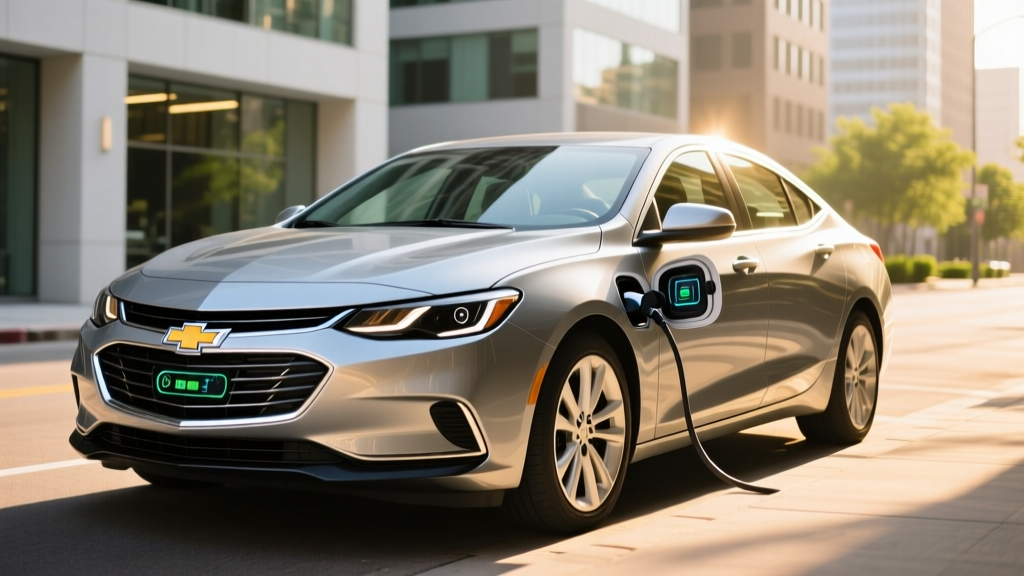
The 2016 Chevrolet Malibu Hybrid was a standout when it launched — delivering EPA-estimated 47 city / 46 highway / 46 combined MPG in a midsize sedan that didn't look or drive like a science experiment. A decade later, it remains one of the most efficient conventional hybrids (HEVs) on the used market, and its powertrain technology — borrowed directly from the second-generation Chevrolet Volt — gives it credibility that many rival used hybrids from the same era can't match.
If you're shopping for a fuel-efficient used sedan in 2026 and aren't ready to commit to a plug-in hybrid or full electric vehicle, the 2016 Malibu Hybrid deserves serious attention. But there are battery-age considerations, tax-credit realities, and real-world MPG nuances you need to understand before signing the paperwork.
2016 Chevy Malibu Hybrid: Key Specifications
| Specification | Value |
|---|---|
| Powertrain Type | Conventional Hybrid (HEV) — no plug |
| Engine | 1.8L 4-cylinder direct-injection |
| Electric Motors | Two-motor drive unit (derived from Volt) |
| Combined System Output | 182 horsepower |
| Hybrid Battery | 1.5 kWh lithium-ion (80-cell, LG Chem) |
| Transmission | Continuously variable (eCVT via Voltec drive unit) |
| EPA Fuel Economy | 47 city / 46 highway / 46 combined MPG |
| 0–60 mph | ~7.5 seconds (estimated) |
| Curb Weight | ~3,457 lbs |
| Original MSRP | ~$28,645 (base) |
| Typical 2026 Used Price | $9,000–$14,500 (depending on mileage/condition) |
| Hybrid Battery Warranty (original) | 8 years / 100,000 miles |
Fuel Economy: EPA Sticker vs. Real-World MPG
The EPA rates the 2016 Malibu Hybrid at 47 MPG city, 46 MPG highway, and 46 MPG combined, according to fueleconomy.gov. Those numbers were competitive with the Toyota Camry Hybrid and Ford Fusion Hybrid of the same vintage — and in city driving, the Malibu often outperformed them.
Why Hybrids Often Beat EPA in the City
Conventional hybrids like the Malibu Hybrid recapture energy through regenerative braking and run on electric power at low speeds. Stop-and-go traffic, which murders a gas car's fuel economy, actually plays to an HEV's strengths. Many owners report seeing 48–52 MPG in urban commuting during mild weather.
Where Real-World MPG Falls Short
Highway driving at sustained 75+ MPH speeds reduces the hybrid system's advantage. Expect 40–43 MPG on long interstate trips. Cold weather (below 30°F) also reduces efficiency — the engine runs more frequently to provide cabin heat and maintain battery temperature, dropping observed MPG to roughly 38–42 in winter conditions.
- City (mild weather): 47–52 MPG observed
- Highway (70–75 MPH): 40–43 MPG observed
- Cold-weather combined: 38–42 MPG observed
- Annual fuel cost (15,000 mi at $3.25/gal): ~$1,050–$1,300
How the Malibu Hybrid Powertrain Works
The 2016 Malibu Hybrid uses a powertrain architecture derived from the second-generation Chevrolet Volt — one of the most sophisticated hybrid systems GM has ever built. It pairs a 1.8-liter four-cylinder engine with a two-motor drive unit that functions as an electronically controlled continuously variable transmission (eCVT).
Unlike simpler belt-driven hybrid systems, this Voltec-derived setup can operate in multiple modes:
- EV mode: Pure electric drive at low speeds (very short distances, under ~1 mile)
- Series hybrid: Engine generates electricity while motors drive the wheels
- Parallel hybrid: Engine and motors both provide mechanical power to the wheels
- Regenerative braking: Motors recapture kinetic energy during deceleration
The 1.5 kWh lithium-ion battery pack is relatively small — it's designed for frequent shallow charge-discharge cycles, not extended electric-only driving. This is a key distinction between a conventional HEV and a plug-in hybrid (PHEV).
HEV vs. PHEV vs. EV: Which Should You Choose?
The 2016 Malibu Hybrid is a conventional hybrid (HEV). It never needs to be plugged in. The battery charges exclusively through regenerative braking and the gasoline engine. If you're comparing it to other electrified options, here's how the categories break down:
| Factor | HEV (e.g., Malibu Hybrid) | PHEV (e.g., Prius Prime) | BEV (e.g., Tesla Model 3) |
|---|---|---|---|
| Plug-in required? | No | Yes (for EV range benefit) | Yes (always) |
| Electric-only range | Under 1 mile at low speed | 25–44 miles typical | 250–350+ miles |
| Total range | 500+ miles (gas tank) | 400–550+ miles combined | 250–350+ miles |
| Home charging needed? | No | Recommended (120V or 240V) | Essential (240V ideal) |
| Federal tax credit (new) | None | Up to $7,500 (§30D) | Up to $7,500 (§30D) |
| Used EV tax credit | Not eligible | Eligible if ≤$25,000 sale price | Eligible if ≤$25,000 sale price |
| Best for | No home charging access; long highway commutes | Short daily commute + home charging + road trips | Home charging access + daily driving under 300 mi |
Hybrid Battery Health: Longevity, Warranty & Replacement Cost
The biggest concern for any used hybrid buyer is battery condition. Here's what you need to know about the 2016 Malibu Hybrid's 1.5 kWh lithium-ion pack.
Original Warranty Coverage
GM warranted the hybrid battery and related powertrain components for 8 years or 100,000 miles (whichever comes first) in most states. In California Air Resources Board (CARB) states, that warranty extends to 10 years or 150,000 miles. Since the 2016 model year is now a decade old, most vehicles will have exceeded the standard 8-year warranty window unless mileage remained low and you're in a CARB state.
- Standard: 8 years / 100,000 miles (expired for most 2016 models)
- CARB states: 10 years / 150,000 miles (may still apply through 2026)
- Warranty trigger: Battery capacity drops below ~60% of original
Real-World Battery Degradation
The 1.5 kWh battery in the Malibu Hybrid is small and managed conservatively — GM's battery management system keeps the state of charge within a narrow operating window to minimize degradation. Based on owner reports and hybrid battery longevity data from similar GM Voltec systems, most 2016 Malibu Hybrid batteries retain 85–95% of their original capacity at the 10-year mark, assuming normal use.
Unlike a full EV where battery degradation directly reduces your driving range, a conventional hybrid's small battery primarily affects the frequency of engine stop-start events and low-speed electric assist. Even with 20% degradation, the car will still drive normally — you may just see a 1–3 MPG drop in city driving.
Battery Replacement Cost
If the hybrid battery does fail outside of warranty, expect these costs:
- New OEM battery: $2,500–$3,500 (parts only)
- Remanufactured battery: $1,500–$2,200
- Labor: $300–$600 (2–3 hours)
- Total replacement range: $1,800–$4,100
The good news: complete hybrid battery failure on the 2016 Malibu Hybrid is relatively uncommon. The Voltec-derived system has proven durable, and the battery's conservative management strategy prioritizes longevity over performance.
Tax Credits and Incentives in 2026
Because the 2016 Malibu Hybrid is a conventional hybrid (HEV) — not a plug-in hybrid or battery electric vehicle — it has never qualified for the federal §30D new clean vehicle tax credit. That credit applies only to plug-in vehicles with sufficient battery capacity.
Used Clean Vehicle Credit (§25E)
Under the current IRS rules for the Used Clean Vehicle Credit, only plug-in electric vehicles and fuel-cell vehicles qualify — conventional hybrids do not. So the 2016 Malibu Hybrid is not eligible for the up-to-$4,000 used EV credit either.
State and Local Incentives
A handful of states historically offered rebates or tax credits for conventional hybrids, but most have phased these out in favor of PHEV and BEV incentives. Check your state's energy or environmental agency website for current programs. Some states offer reduced registration fees or HOV lane access for hybrids, though these benefits vary widely by jurisdiction and may have expired for 2016 registrations.
Pricing and Value in the Used Market
As of early 2026, the 2016 Chevy Malibu Hybrid trades in the used market at roughly $9,000–$14,500, depending on mileage, condition, and regional demand. Low-mileage examples (under 60,000 miles) in excellent condition command the top of that range.
Total Cost of Ownership Estimate (5 Years / 75,000 Miles)
| Cost Category | 2016 Malibu Hybrid | Comparable Gas Sedan (30 MPG) |
|---|---|---|
| Purchase price (avg.) | $11,500 | $10,000 |
| Fuel (75,000 mi at $3.25/gal) | $5,285 | $8,125 |
| Maintenance (5 yr est.) | $2,800 | $3,200 |
| Insurance (5 yr est.) | $5,500 | $5,200 |
| 5-Year Total | $25,085 | $26,525 |
The hybrid's fuel savings of roughly $2,840 over five years more than offset its slightly higher purchase price. If gas prices rise above $3.50/gallon, the savings gap widens further.
Pros and Cons of the 2016 Malibu Hybrid Today
Pros
- Excellent city MPG (47 EPA, often 48–52 real-world)
- Voltec-derived powertrain is proven and durable
- No plug-in charging required — works like a gas car
- Spacious midsize cabin with competitive trunk room (15.8 cu ft)
- Smooth, quiet ride quality
- Apple CarPlay and Android Auto standard
- Lower total cost of ownership vs. gas equivalent
Cons
- Highway MPG less impressive than city (40–43 real-world)
- No federal or state tax credit eligibility
- Original 8-year battery warranty expired for most examples
- CVT-like driving feel lacks engagement
- Limited model-year production means fewer used examples available
- 1.5 kWh battery too small for meaningful electric-only driving
- Rear visibility slightly compromised by trunk design
Who Should Buy the 2016 Chevy Malibu Hybrid?
This car makes the most sense for:
- Apartment dwellers or street parkers who can't install a home charger but want hybrid efficiency
- High-mileage city commuters — Uber/Lyft drivers, delivery workers, or anyone doing 20,000+ miles per year in stop-and-go traffic
- Budget-conscious buyers who want a reliable midsize sedan under $15,000 with low fuel costs
- Drivers in warm climates where the battery operates in its ideal temperature range year-round
Consider a different vehicle if:
- You have home charging access — a used PHEV like the Chevrolet Volt or Toyota Prius Prime will save more fuel on short commutes
- Your driving is mostly highway — the highway MPG advantage over a modern turbo gas sedan narrows to just 5–8 MPG
- You want the latest ADAS features — the 2016 model offers basic safety tech but lacks the adaptive cruise and lane-centering found in newer vehicles
Frequently Asked Questions
How many MPG does the 2016 Chevy Malibu Hybrid get?
The EPA rates it at 47 city / 46 highway / 46 combined MPG. In real-world driving, expect 47–52 MPG in city conditions, 40–43 MPG on the highway, and 38–42 MPG in cold weather.
Does the 2016 Malibu Hybrid need to be plugged in?
No. It is a conventional hybrid (HEV), not a plug-in hybrid. The battery charges through regenerative braking and the gasoline engine. You fuel it like any other car.
Is the 2016 Malibu Hybrid reliable?
Yes. The Voltec-derived hybrid powertrain has proven durable, and the 1.8L engine is a straightforward design. The main reliability variable is hybrid battery age, but GM's conservative battery management strategy has kept failure rates low. Standard maintenance (oil changes, brake fluid, coolant) is similar to any gas car, and regenerative braking extends brake pad life significantly.
What does it cost to replace the hybrid battery?
A full replacement runs $1,800–$4,100 depending on whether you use a remanufactured or new OEM battery. Complete failures are uncommon; most batteries retain 85–95% capacity at the 10-year mark.
Does the 2016 Malibu Hybrid qualify for any tax credit?
No. As a conventional hybrid, it is not eligible for the federal §30D new vehicle credit or the §25E used clean vehicle credit. Only plug-in hybrids and battery electric vehicles qualify for these federal incentives. Some states may offer minor registration or HOV benefits — check your local jurisdiction.
How does the Malibu Hybrid compare to a Toyota Camry Hybrid?
The 2016 Camry Hybrid LE was EPA-rated at 42 city / 38 highway / 41 combined — the Malibu Hybrid beats it by 5 MPG combined. However, the Camry Hybrid has a longer production history, wider parts availability, and typically stronger resale value. The Malibu is the efficiency pick; the Camry is the safer used-market bet.
Can I still get parts and service for the 2016 Malibu Hybrid?
Yes. GM dealerships and most independent shops can service the conventional hybrid components. The 1.8L engine shares parts with other GM Ecotec family engines, and the hybrid battery and drive unit are serviced through GM's dealer network. Third-party hybrid battery specialists are also available in most metro areas.