Quick Verdict: A Proven Hybrid Sedan for Budget-Conscious Commuters
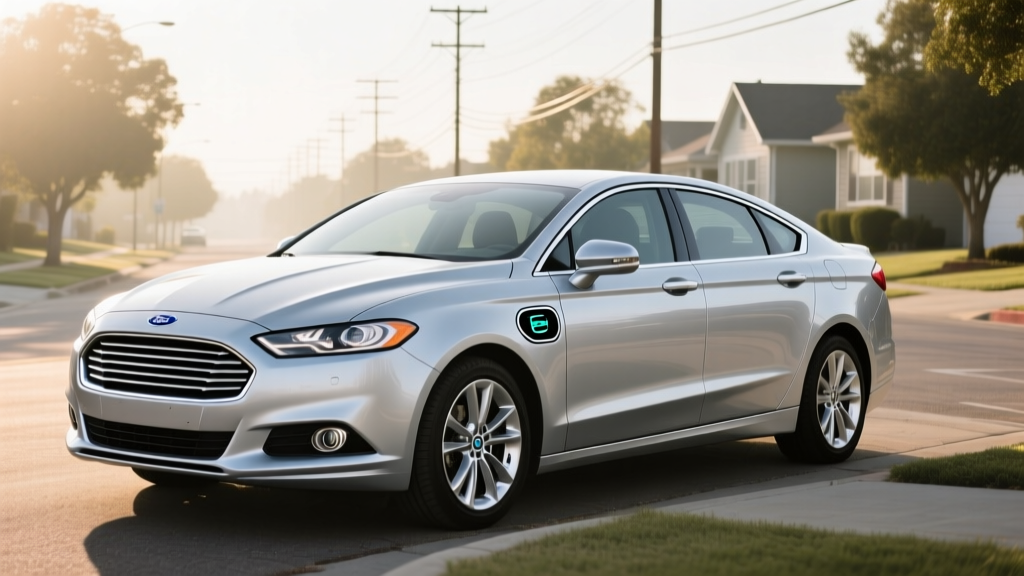
The 2015 Ford Fusion Hybrid SE sedan occupies a specific niche in 2026's used-car market: a midsize hybrid that delivers genuine fuel savings without plug-in complexity. With an EPA-rated 44 MPG city and 41 MPG highway, it remains competitive against newer hybrids costing thousands more. For buyers who want hybrid efficiency without worrying about charging infrastructure, this generation of Fusion Hybrid is a pragmatic, well-documented choice.
But at roughly 11 years old, the real question isn't the sticker MPG — it's whether the hybrid battery and powertrain hold up long-term. This guide covers the exact numbers, real-world efficiency, battery longevity data, and what you should budget for as a used buyer in 2026.
HEV vs PHEV: What the 2015 Fusion Hybrid Actually Is
Before diving into specs, it's essential to distinguish what this car is — and what it isn't. The 2015 Fusion Hybrid is a conventional hybrid electric vehicle (HEV). It does not plug in. There is no charging port, no electric-only driving mode of meaningful distance, and no battery you charge from a wall outlet. The gasoline engine and regenerative braking system keep the small battery charged automatically.
| Feature | HEV (This Car) | PHEV (e.g., Fusion Energi) | BEV (Full Electric) |
|---|---|---|---|
| Plugs in? | No | Yes | Yes |
| Electric-only range | ~0.5 mi (low speed) | 15–40 mi typical | 200–400+ mi |
| Home charging needed? | No | Recommended (Level 2) | Required |
| Federal tax credit (new) | None | Up to $7,500 (§30D) | Up to $7,500 (§30D) |
| Used EV credit (≤$25k) | Not eligible | Up to $4,000 (§25E) | Up to $4,000 (§25E) |
| Best for | No home charging access | Short commute + road trips | Home charging + low running cost |
Ford also sold a plug-in variant called the Fusion Energi for 2015, which is a PHEV with about 19 miles of electric-only range and a 7.6 kWh battery pack. That is a fundamentally different vehicle. This article focuses exclusively on the conventional Hybrid SE sedan.
Fuel Economy: EPA Ratings vs Real-World MPG
The EPA rates the 2015 Ford Fusion Hybrid at 44 MPG city / 41 MPG highway / 42 MPG combined, according to fueleconomy.gov. These are strong numbers for a midsize sedan, and they reflect how hybrid systems excel in stop-and-go driving where regenerative braking recovers energy that a gas car would waste as heat.
| Driving Cycle | EPA Rating | Real-World Expectation |
|---|---|---|
| City | 44 MPG | 42–48 MPG (hybrids often beat EPA in city) |
| Highway | 41 MPG | 36–40 MPG (sustained 70+ mph reduces regen benefit) |
| Combined | 42 MPG | 38–44 MPG (varies by driving mix) |
| Cold weather (below 32°F) | — | 34–38 MPG (engine runs more for cabin heat) |
Real-world note: Hybrid sedans like the Fusion tend to exceed their EPA city ratings in moderate-temperature urban driving. Owners on Fuelly and similar tracking sites frequently report 44–48 MPG in warm-weather city commuting. Highway efficiency drops because the electric motor assists less at sustained speeds, and aerodynamic drag dominates. In winter, expect a 10–15% efficiency penalty as the gasoline engine runs more frequently to provide cabin heat and maintain battery temperature.
With a 13.5-gallon fuel tank, real-world range falls between 500 and 570 miles per tank depending on conditions — enough for most commuters to visit a gas station once every two to three weeks.
Powertrain Specs: Engine, Motor, and Combined Output
| Engine | 2.0L Atkinson-cycle inline-4 |
| Engine power | 141 hp @ 6,000 rpm |
| Engine torque | 129 lb-ft @ 4,000 rpm |
| Electric motor | Permanent-magnet AC synchronous |
| Motor power | 118 hp (88 kW) |
| Combined system output | 188 hp (net) |
| Transmission | Electronic CVT (eCVT / power-split device) |
| Hybrid battery | 1.4 kWh lithium-ion (air-cooled) |
| Drivetrain | Front-wheel drive |
| 0–60 mph | ~8.8 seconds |
| Curb weight | ~3,615 lbs |
The Fusion Hybrid uses Ford's second-generation hybrid powertrain, pairing a 2.0-liter Atkinson-cycle four-cylinder with an electric motor through a planetary gearset (eCVT). Unlike a belt-driven CVT found in some competitors, this power-split device has no belts or pulleys to wear — it's a gear-based system that's proven durable. The combined 188 hp is adequate for highway merging and passing, though this is not a quick car by modern standards.
The 1.4 kWh lithium-ion battery is small by design. In a conventional HEV, the battery doesn't store energy for long-distance electric driving — it acts as a buffer, capturing regenerative braking energy and deploying it for electric motor assist during acceleration. This smaller pack means less weight, less thermal management complexity, and lower eventual replacement cost compared to PHEV or BEV batteries.
Hybrid Battery Longevity, Warranty, and Replacement Cost
Battery Coverage (Original)
- Hybrid battery warranty: 8 years / 100,000 miles (federal emissions mandate); 10 years / 150,000 miles in CARB states (CA, NY, MA, and others)
- Hybrid system components: 8 years / 100,000 miles
- Capacity retention threshold: Ford did not publish a specific degradation percentage, but warranty covers defects and significant capacity loss
Real-world longevity data: The 2015 Fusion Hybrid's 1.4 kWh lithium-ion pack has a strong track record. Because the battery is small and the hybrid control system keeps it within a narrow state-of-charge window (typically 40–60% SoC), stress on the cells is minimal. Taxi fleets and high-mileage owners have reported 150,000–200,000+ miles on the original pack. That said, at 11 years old, any used example is approaching or past the original warranty period.
Battery replacement cost (2026 estimates):
- OEM Ford replacement battery: $2,500–$3,800 (part only)
- Full dealer-installed replacement: $3,500–$5,500 (parts + labor)
- Aftermarket/remanufactured pack: $1,500–$2,800 installed
- Individual cell module replacement: $300–$800 (if only one or two modules have failed — requires diagnostic testing)
The Fusion Hybrid's battery is divided into multiple modules. In many cases, a hybrid battery "failure" is actually one or two degraded modules rather than the entire pack. An experienced hybrid repair shop can test and replace individual modules for a fraction of a full pack swap. This is a significant cost advantage over large BEV batteries.
Warning signs of hybrid battery degradation: reduced fuel economy (3–5 MPG drop), the battery charge indicator swinging rapidly between high and low, the gasoline engine running more frequently than normal, or a dashboard warning light indicating hybrid system fault. A pre-purchase hybrid battery health scan (available at Ford dealers and hybrid specialists) can assess remaining capacity before you buy.
Pricing, Value, and Tax Credit Eligibility in 2026
The 2015 Ford Fusion Hybrid SE originally carried an MSRP of approximately $26,995 (before destination). In the 2026 used market, expect to pay:
- Fair market range: $7,000–$12,000 depending on mileage, condition, and region
- Low-mileage examples (<80k mi): $10,000–$13,000
- High-mileage examples (>130k mi): $5,500–$8,500
Tax credit status: The 2015 Fusion Hybrid SE is a conventional HEV. It does not qualify for the federal §30D new clean vehicle credit, nor does it qualify for the §25E used clean vehicle credit. Those credits require a plug-in vehicle (PHEV or BEV) with a battery capacity of at least 7 kWh for §30D or at least 7 kWh for §25E. The Fusion Hybrid's 1.4 kWh pack falls well below that threshold. Per IRS guidelines, only plug-in electric vehicles are eligible.
However, some states offer their own incentives for efficient used vehicles or hybrid purchases. Check your state's energy or environmental agency for current programs — these vary widely by jurisdiction and change frequently.
Reliability, Ownership Costs, and Known Issues
The 2015 Fusion Hybrid benefits from Ford's extensive hybrid experience (the company has been building hybrid Escapes and Fusions since the mid-2000s). The powertrain is generally robust, but there are known issues to watch for:
Common concerns:
- 12V auxiliary battery: Like many hybrids, the Fusion uses a standard 12V battery for accessories and computer boot-up. These typically last 3–5 years and cost $150–$250 to replace. A dead 12V battery will prevent the car from starting, even if the hybrid battery is healthy.
- Brake actuator / regenerative braking transition: Some owners report a slightly grabby or inconsistent feel when the car transitions between regenerative braking and friction braking. This is partly normal for the system design, but a noticeable change in behavior warrants inspection.
- Infotainment (SYNC / MyFord Touch): The 2015 model year uses Ford's MyFord Touch system, which was widely criticized for sluggishness and unresponsiveness. Software updates improved it somewhat, but it remains dated compared to modern interfaces.
- Coolant intrusion (2.0L engine): A small number of 2.0L engines in this generation have experienced coolant intrusion into cylinders. While more commonly reported in the non-hybrid EcoBoost 2.0L, it's worth checking for white exhaust smoke or coolant loss during a pre-purchase inspection.
Annual ownership cost estimate (2026):
- Fuel (12,000 mi/yr @ 42 MPG, $3.20/gal): ~$915/year
- Insurance (national average, midsize sedan): ~$1,200–$1,600/year
- Maintenance (oil changes, tires, brakes): ~$400–$600/year (regenerative braking extends brake pad life significantly)
- Estimated annual total: ~$2,500–$3,100
For comparison, a non-hybrid 2015 Fusion with the 2.5L gas engine (EPA 22/34/26 combined) would cost roughly $1,475/year in fuel under the same assumptions — making the hybrid's fuel savings approximately $560 per year at current gas prices. Over five years of ownership, that's about $2,800 in fuel savings, which helps justify any premium paid at purchase.
Who Should Buy the 2015 Fusion Hybrid SE — and Who Shouldn't
Choose This Car If:
- You commute in city/suburban traffic and want to maximize MPG without plugging in
- You lack access to home or workplace charging (apartment, street parking)
- Your budget is under $12,000 and you want proven hybrid tech
- You drive 12,000–18,000 miles/year and fuel cost matters
- You want a midsize sedan with a comfortable ride and decent trunk space (12.0 cu ft)
Look Elsewhere If:
- You want electric-only driving or plug-in capability (consider a used Fusion Energi PHEV or a BEV)
- You prioritize acceleration and sporty handling (the Fusion Hybrid prioritizes efficiency)
- You need AWD (this generation is FWD only; the 2020+ Fusion Hybrid offered AWD)
- You want modern infotainment with Apple CarPlay/Android Auto (not available on the 2015 model)
- The vehicle you're considering has >160,000 miles and no hybrid battery health documentation
Hybrid vs PHEV vs EV decision framework: If you can charge at home and your daily commute is under 30 miles, a used PHEV (like the Fusion Energi or a Chevrolet Volt) gives you electric-only weekday driving with gas flexibility for road trips. If you charge at home and rarely drive over 250 miles in a day, a used BEV (like a Nissan Leaf or Chevrolet Bolt) offers lower per-mile energy costs and minimal maintenance. The conventional HEV like this Fusion Hybrid is the right call when charging access is uncertain, budget is tight, and you want zero behavior change from a gas car.
Frequently Asked Questions
How many MPG does the 2015 Ford Fusion Hybrid SE actually get?
The EPA rates it at 44 city / 41 highway / 42 combined. In real-world city driving at moderate temperatures, many owners report 44–48 MPG. Highway driving at 70+ mph typically yields 36–40 MPG. Cold weather reduces efficiency by 10–15% due to increased engine operation for cabin heating.
Does the 2015 Fusion Hybrid need to be plugged in?
No. This is a conventional hybrid (HEV), not a plug-in hybrid (PHEV). The battery charges through regenerative braking and the gasoline engine. There is no charging port. The plug-in variant is called the Fusion Energi, which is a different model.
How long does the hybrid battery last, and what does replacement cost?
The 1.4 kWh lithium-ion battery typically lasts 150,000–200,000+ miles under normal use. Original warranty was 8 years/100,000 miles (10 years/150,000 miles in CARB states). Full replacement costs $3,500–$5,500 at a dealer, or $1,500–$2,800 with an aftermarket/remanufactured pack. Individual module replacement can cost as little as $300–$800 if only partial degradation is present.
Does the 2015 Fusion Hybrid qualify for any federal tax credit?
No. Federal tax credits under §30D (new vehicles) and §25E (used vehicles) require plug-in electric vehicles with a minimum battery capacity. The Fusion Hybrid's 1.4 kWh battery does not meet the threshold. Only the plug-in Fusion Energi and fully electric vehicles qualify. Check IRS.gov for current eligibility rules. Some states may offer separate incentives for efficient used vehicles.
Is the 2015 Fusion Hybrid SE reliable?
Yes, with caveats. The hybrid powertrain (engine, eCVT, motor, battery) has a strong reliability record. The 12V accessory battery, infotainment system (MyFord Touch), and brake feel are the most common complaints. A pre-purchase inspection including a hybrid battery health scan is strongly recommended for any 11-year-old used hybrid.
How does the Fusion Hybrid compare to a Toyota Camry Hybrid of the same year?
The 2015 Camry Hybrid LE is rated at 40 city / 38 highway / 40 combined — slightly lower than the Fusion Hybrid on paper. However, Toyota's hybrid system has an arguably stronger long-term reliability reputation, and Camry Hybrids tend to command higher used prices. The Fusion Hybrid offers a more refined ride and slightly better EPA numbers, making it a value-oriented alternative if the battery checks out.
What's the difference between the Fusion Hybrid SE and Titanium trims?
The SE is the mid-level trim with features like dual-zone climate control, SYNC infotainment, power driver's seat, and 17-inch wheels. The Titanium adds leather seating, a premium Sony audio system, 18-inch wheels, and additional technology features. Both share the identical hybrid powertrain and EPA ratings. The SE represents the better value proposition on the used market.
Sources: U.S. EPA / fueleconomy.gov, IRS Clean Vehicle Credits, Ford Motor Company specifications.