Quick Verdict: The 2015 Fusion Energi in 2026
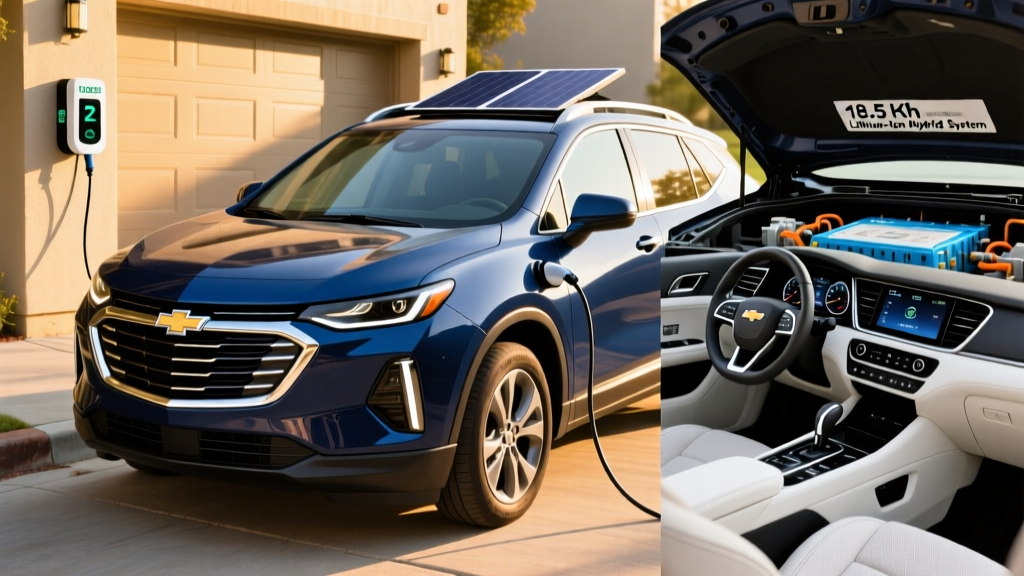
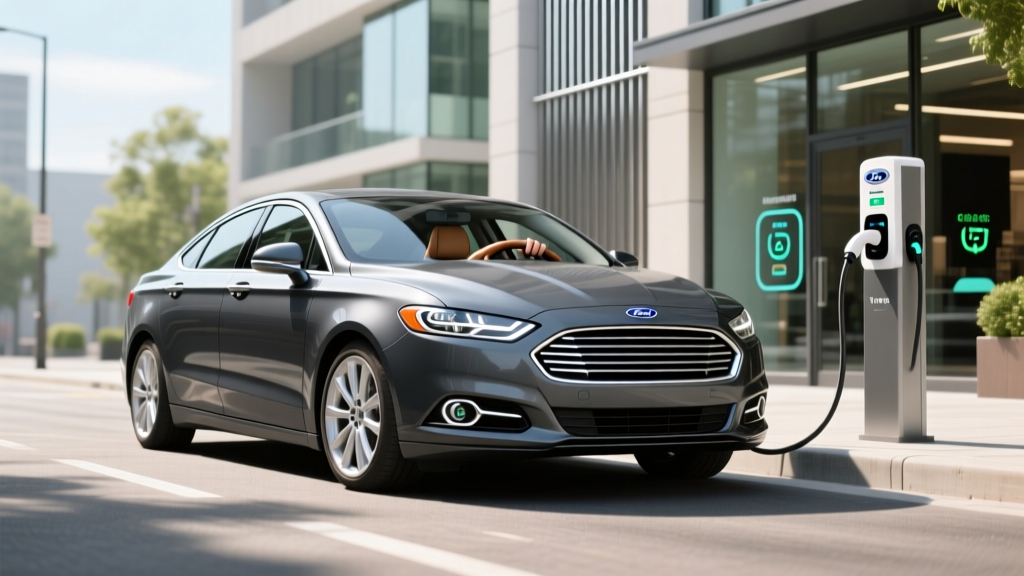
If you're searching for a 2015 Ford Fusion Energi plug-in hybrid on the used market, you're looking at a midsize sedan that was ahead of its time — but now shows its age against modern PHEVs and BEVs. The Energi pairs a 2.0-liter Atkinson-cycle four-cylinder with an electric motor and a 7.6 kWh lithium-ion battery, delivering an EPA-rated 19 miles of electric-only driving and 38 MPG combined once the gas engine kicks in. In 2026, it remains a practical bridge for drivers who want some electric commuting without range anxiety, but buyers should weigh its modest EV range and aging battery against newer alternatives.
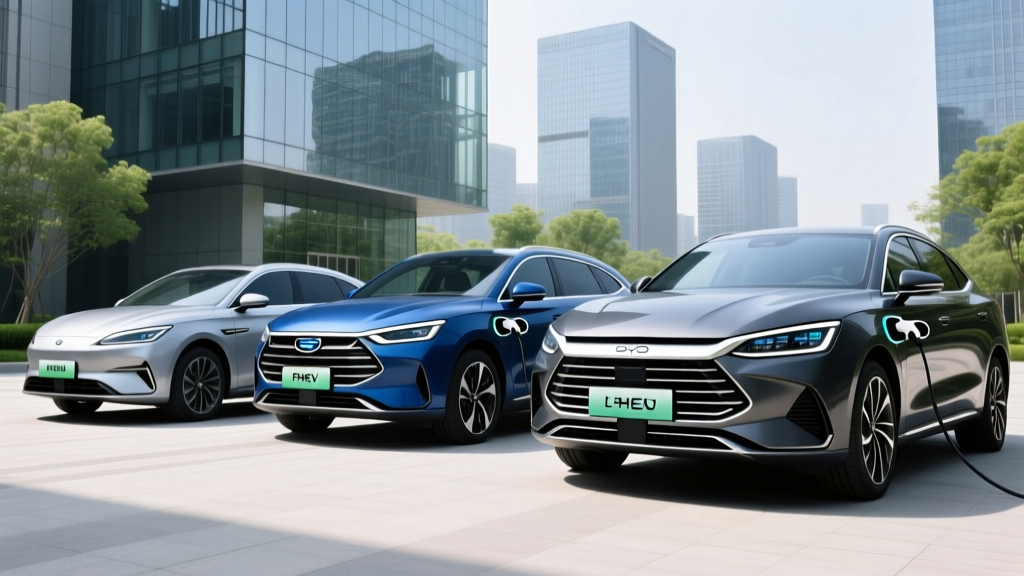
The 2015 Ford Fusion came in two electrified flavors. The Fusion Hybrid (HEV) uses a small battery recharged only by regenerative braking and the engine — you never plug it in, and it can only drive about 1–2 miles on electric at low speeds. The Fusion Energi (PHEV) has a larger 7.6 kWh battery, a charge port, and can travel up to 19 miles on electricity alone before the gas engine starts. If you can charge at home or work, the Energi saves significantly more fuel; if you can't plug in regularly, the standard Hybrid is simpler and lighter.
Powertrain and Performance Specs
| Spec | Value |
|---|---|
| Powertrain | 2.0L Atkinson I-4 + AC electric motor (PHEV) |
| Combined Horsepower | 188 hp (net system) |
| Engine Output | 141 hp / 129 lb-ft |
| Electric Motor Output | 118 hp / 117 lb-ft |
| Transmission | eCVT (planetary gearset) |
| Battery (Usable) | 7.6 kWh lithium-ion (NMC chemistry) |
| EPA Electric-Only Range | 19 miles |
| Total Combined Range | ~550 miles (14-gal tank + EV) |
| 0–60 mph | ~9.2 seconds |
| Drivetrain | Front-wheel drive |
| Charge Port | J1772 (Level 1 / Level 2 AC only, no DC fast charge) |
| Level 1 Charge Time (120V) | ~7 hours (0–100%) |
| Level 2 Charge Time (240V, 3.3 kW) | ~2.5 hours (0–100%) |
| Original MSRP | $35,625 (SE) / $39,500 (Titanium) |
| 2026 Used Price Range | $7,000–$13,000 (depending on mileage/condition) |
The Fusion Energi's eCVT is not a traditional belt-and-pulley CVT — it uses Toyota-licensed planetary gears to blend engine and motor power. The result is smooth, linear acceleration, though 188 net horsepower means highway merging requires planning. The extra ~350 lbs of battery mass over the standard Hybrid is noticeable in corners but contributes to a planted ride on the highway.
Fuel Economy: EPA Ratings vs Real-World MPG
| Mode | City | Highway | Combined |
|---|---|---|---|
| Charge-Sustaining (gas only) | 40 MPG | 36 MPG | 38 MPG |
| Charge-Depleting (EV+gas blended) | 88 MPGe combined | ||
| Electric-Only Energy Use | 34 kWh/100 mi | ||
Source: EPA fueleconomy.gov
Owners who plug in nightly and commute under 19 miles each way report using very little gasoline — effectively achieving 80–100+ MPG equivalent in daily driving. However, once the battery is depleted, expect 34–38 MPG combined in mixed driving. Highway-heavy trips at 75+ mph typically yield 32–35 MPG. In cold weather (below 30°F), the gas engine fires up sooner to provide cabin heat, reducing electric-only range to roughly 13–15 miles. The Fusion Energi does not have a dedicated heat pump — it relies on engine waste heat and an electric resistive heater, which drains the battery faster in winter.
Charging: What You Need to Know
The 2015 Fusion Energi uses a J1772 connector for AC charging. It does not support DC fast charging — there is no CCS or CHAdeMO port. This is standard for PHEVs of this era; the small battery simply doesn't need rapid charging.
- Level 1 (120V household outlet): ~7 hours from empty to full using the included cordset. Adequate if you park overnight and drive less than 19 miles the next day.
- Level 2 (240V, 3.3 kW onboard charger): ~2.5 hours from empty. A basic Level 2 home station ($300–$500 for equipment) ensures a full battery by morning and lets you top up mid-day if you have access at work.
- Public charging: The 3.3 kW onboard charger means public Level 2 stations will charge at the same rate — useful for topping up at a grocery store or workplace, but not transformative given the small battery.
Important for 2026 buyers: The J1772 connector is still the standard for non-Tesla AC charging. If you own a Tesla with a NACS port, you'll need a J1772 adapter (Tesla includes one with most vehicles) to charge the Fusion Energi at a Tesla Wall Connector, though this is rarely relevant since the Energi uses its own cord.
Battery Health, Warranty, and Replacement Cost
Ford warranted the Fusion Energi's high-voltage battery for 8 years / 100,000 miles (10 years / 150,000 miles in CARB states including CA, CT, ME, MA, NJ, NY, OR, RI, VT, WA). The warranty covers capacity loss below approximately 70% of original capacity. For a 2015 model, the 8-year federal warranty expired in 2023; the 10-year CARB warranty expires in 2025. As of 2026, most examples are out of factory battery warranty unless covered by an extended service contract.
Degradation Expectations
The 7.6 kWh NMC (nickel-manganese-cobalt) battery in the Fusion Energi has shown moderate degradation over a decade. Based on owner reports and fleet data:
- Typical 10-year degradation: 15–25%, meaning electric-only range drops from 19 miles to roughly 14–16 miles on a well-maintained example.
- Worst cases: 30%+ loss in vehicles frequently DC-charged (not applicable here) or regularly stored at 100% SoC in hot climates.
- Best cases: Under 15% loss for garage-kept vehicles in temperate climates with regular Level 2 charging and 80% daily charge limits.
Battery Replacement Cost
As of 2026, a replacement high-voltage battery for the 2015 Fusion Energi costs approximately $5,000–$8,000 for the part, plus $1,000–$2,000 in labor at a Ford dealer. Third-party hybrid battery rebuilders offer refurbished packs for $3,000–$5,000 installed. Given that a clean 2015 Energi sells for $7,000–$13,000, a full dealer battery replacement can approach the car's value — a critical factor in your purchase decision.
Pre-purchase tip: Before buying, use an OBD-II scanner with hybrid battery diagnostics (or ask a dealer) to check the battery's State of Health (SoH). Look for a capacity retention above 75%. Also check for any open recalls — the Fusion Energi had a recall related to the battery cooling system hose (NHTSA recall 20V-488) that should have been addressed.
Tax Credits and Incentives in 2026
The 2015 Ford Fusion Energi originally qualified for a $4,007 federal tax credit under the pre-2023 rules (based on battery capacity). However, under current IRS §30D rules effective in 2026:
- The federal new-vehicle EV/PHEV credit applies only to new vehicles, so it is not available for a used 2015 model.
- The used clean vehicle credit (§25E) offers up to $4,000 or 30% of the sale price (whichever is less) for eligible used EVs and PHEVs. However, the vehicle must be purchased from a licensed dealer (not a private party), the sale price must be $25,000 or less, and the buyer must meet income caps ($75,000 single / $150,000 married filing jointly).
- Critical caveat: The used vehicle credit requires the PHEV to have a battery capacity of at least 7 kWh (the Energi's 7.6 kWh qualifies) and the model must be on the IRS eligible list. The Fusion Energi has appeared on eligible lists, but confirm current-year eligibility at fueleconomy.gov before purchasing.
- State incentives vary widely. Check your state's energy office or AFDC state incentive database for local rebates.
Who Should Buy the 2015 Fusion Energi?
✓ Choose the Fusion Energi If
- Your daily commute is under 20 miles round-trip and you can charge at home
- You want a comfortable midsize sedan with low operating costs
- You take occasional long road trips and don't want to plan around charging
- You're buying on a budget under $12,000 and want PHEV capability
- You value a large trunk (the Energi sacrifices some cargo space but retains ~8.2 cu ft usable)
✗ Look Elsewhere If
- You can't charge at home or work (you'll just be driving a heavier, less efficient hybrid)
- You want more than 19 miles of electric range — consider a 2021+ RAV4 Prime (42 mi) or a used Chevrolet Volt (53 mi)
- You want modern driver-assist tech (the 2015 Fusion lacks automatic emergency braking and lane-keeping)
- Battery replacement cost would be a financial hardship
- You need all-wheel drive (Energi is FWD only)
Fusion Energi vs Full EV vs Gas Car — Which Fits You?
| Factor | 2015 Fusion Energi (PHEV) | Used BEV (e.g., 2018 Bolt) | Gas Sedan (e.g., 2015 Camry) |
|---|---|---|---|
| Home Charging Needed? | Recommended, not required | Essential | No |
| Daily EV Range | ~14–19 mi | ~180–238 mi | 0 mi |
| Road Trip Ease | Easy (gas station) | Requires DCFC planning | Easy |
| Annual Fuel Cost* | $600–$1,200 | $400–$700 | $1,400–$1,800 |
| Maintenance | Moderate (engine + EV) | Low (no engine) | Moderate |
*Based on 12,000 miles/year, $3.50/gal gas, $0.14/kWh electricity. Actual costs vary by region and driving pattern.
Frequently Asked Questions
How many MPG does the 2015 Ford Fusion Energi get?
The EPA rates the Fusion Energi at 40 city / 36 highway / 38 combined MPG in charge-sustaining (gas-only) mode. When factoring in electric-only driving, the combined rating is 88 MPGe. Real-world results vary: owners who plug in daily and drive short distances use far less fuel, while highway-only drivers after battery depletion typically see 32–35 MPG.
How far can the 2015 Fusion Energi go on electric only?
The EPA rates it at 19 miles of electric-only range when new. In 2026, expect a used example with typical battery degradation to deliver 14–16 miles in moderate temperatures, and as little as 11–13 miles in freezing weather. The car will automatically switch to hybrid mode when the battery is depleted — you are never stranded.
Is the 2015 Fusion Energi reliable, and what does battery replacement cost?
The Fusion Energi's powertrain is generally reliable. The eCVT has no wear-prone belts or clutches, and the 2.0L Atkinson engine is under-stressed. Common issues include the battery cooling system hose (recall item), occasional 12V battery drain if the car sits unplugged for weeks, and SYNC infotainment glitches. The high-voltage battery replacement costs $5,000–$8,000 at a dealer or $3,000–$5,000 from a third-party rebuilder. Most 2015 examples are now out of the original 8-year/100,000-mile battery warranty.
Does the 2015 Fusion Energi qualify for any tax credit in 2026?
Not the new-vehicle §30D credit. However, if you buy from a licensed dealer for $25,000 or less and meet income limits ($75K single / $150K joint), you may qualify for the used clean vehicle credit (§25E) — up to $4,000 or 30% of the sale price, whichever is less. Since most 2015 Energi examples sell for $7,000–$13,000, the credit would likely be 30% of the purchase price ($2,100–$3,900). Confirm eligibility on the IRS clean vehicle credit page and with a tax professional before finalizing your purchase.
Can the Fusion Energi DC fast charge?
No. The 2015 Fusion Energi has a J1772 AC charge port only. Its onboard charger is rated at 3.3 kW, meaning Level 2 charging takes about 2.5 hours and Level 1 takes about 7 hours. DC fast charging (CCS, CHAdeMO, or NACS) is not available on this vehicle — a common limitation of PHEVs from this era due to the small battery size.
Should I get the Fusion Energi or the regular Fusion Hybrid?
If you can charge at home or work and your daily driving is under 20 miles, the Energi saves significantly more fuel. If you lack charging access, the standard Fusion Hybrid (rated at 44 city / 41 highway / 42 combined MPG) is lighter, less complex, and avoids the risk of an expensive PHEV battery replacement. The Hybrid also has a larger trunk since it doesn't carry the bigger battery pack.