Quick Verdict: The 2014 Camry Hybrid XLE in 2026
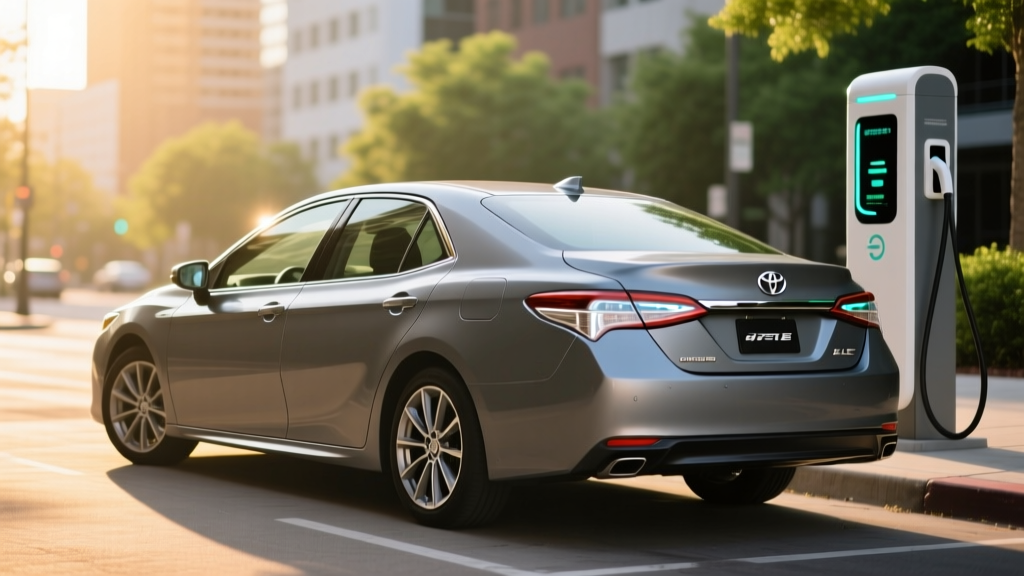
The 2014 Toyota Camry Hybrid XLE occupies a specific niche in the used-car market: a midsize sedan that delivers genuine hybrid efficiency without the complexity, range anxiety, or charging infrastructure requirements of a plug-in vehicle. With an EPA-rated 40 MPG combined and Toyota's reputation for hybrid powertrain longevity, this generation remains a pragmatic choice for budget-conscious commuters in 2026 — provided the hybrid battery checks out.
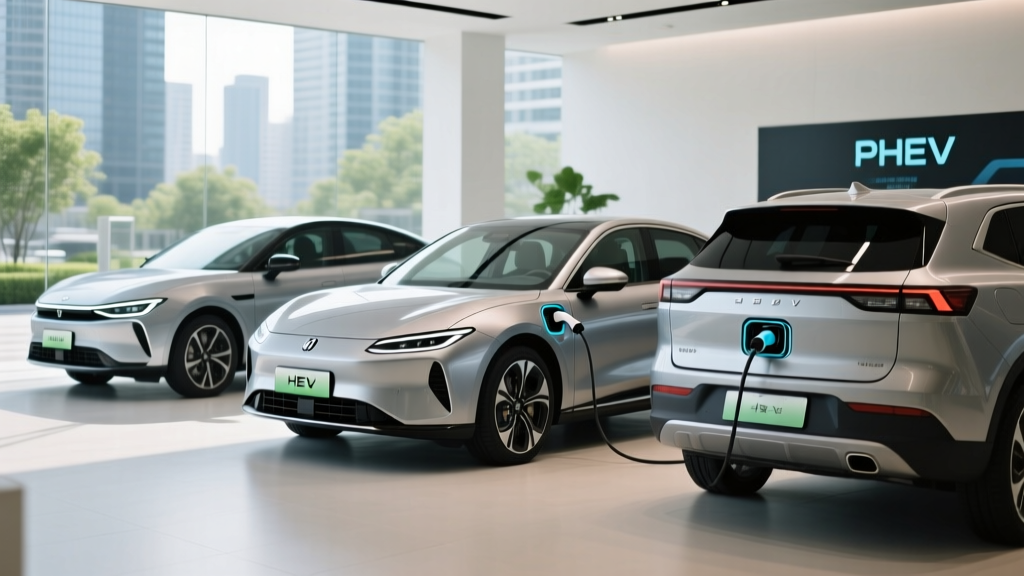
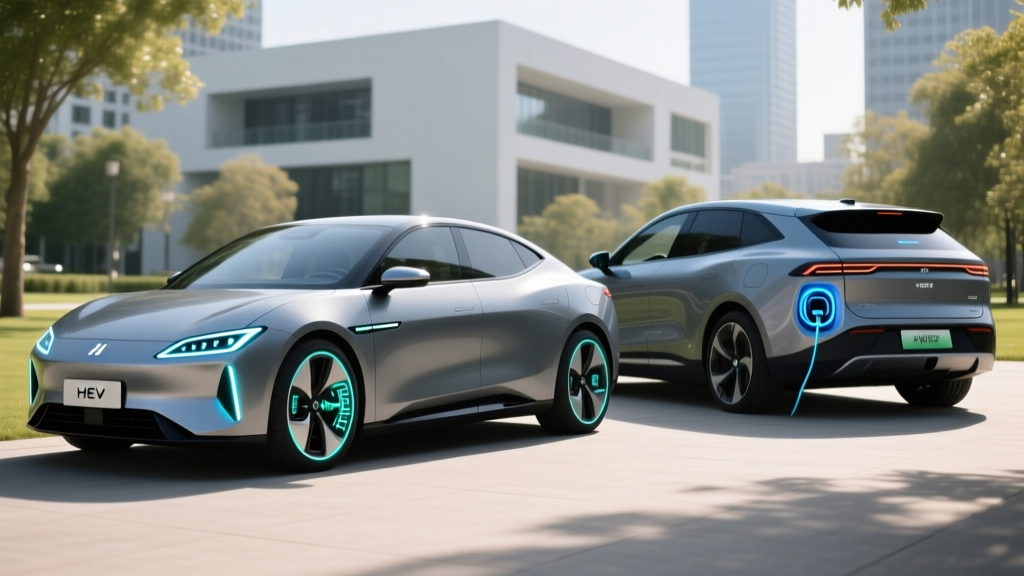
Before we get into the numbers, let's establish what this car is and isn't. The 2014 Camry Hybrid is a conventional hybrid electric vehicle (HEV). It cannot be plugged in. It has no electric-only driving range. It recovers energy through regenerative braking and the gasoline engine to charge a small battery pack. This is fundamentally different from a plug-in hybrid (PHEV) like the Toyota Prius Prime or a full battery electric vehicle (BEV) like the Tesla Model 3. If you're cross-shopping those categories, we'll address the decision framework below.
| Spec | Value |
|---|---|
| Powertrain Type | Conventional Hybrid (HEV) — no plug-in |
| Engine | 2.5L 4-cylinder Atkinson-cycle + electric motor |
| Combined Horsepower | 200 HP (net system) |
| EPA City MPG | 40 MPG |
| EPA Highway MPG | 38 MPG |
| EPA Combined MPG | 40 MPG |
| Fuel Tank Capacity | 17.0 gallons |
| Total Driving Range | ~680 miles |
| Hybrid Battery | 1.6 kWh Nickel-Metal Hydride (NiMH) |
| 0–60 MPH | ~7.6 seconds |
| Drivetrain | Front-wheel drive (eCVT) |
| Original MSRP (XLE trim) | ~$30,510 (2014) |
| Typical 2026 Used Price | $9,000–$14,000 (depending on mileage/condition) |
| Hybrid Battery Warranty (original) | 8 years / 100,000 miles (10 yr/150,000 mi in CARB states) |
Fuel Economy: EPA Ratings vs. Real-World MPG
The EPA rates the 2014 Camry Hybrid XLE at 40 MPG city / 38 MPG highway / 40 MPG combined. These figures come from the U.S. Department of Energy's fueleconomy.gov database and represent standardized laboratory testing.
But how does that translate to real-world driving? Hybrid vehicles, particularly Toyota's Hybrid Synergy Drive system, tend to exceed their EPA city ratings in stop-and-go traffic. This is counterintuitive compared to gas-only cars, which lose efficiency in city driving. The reason: every braking event regenerates energy back into the battery, and the electric motor handles low-speed propulsion where gasoline engines are least efficient.
Based on aggregated owner data from Fuelly and long-term testing archives, expect the following real-world figures:
| Driving Scenario | Expected MPG | Notes |
|---|---|---|
| City / stop-and-go | 41–45 MPG | Regen braking maximizes efficiency |
| Suburban mixed | 38–42 MPG | Closest to EPA combined |
| Highway (70+ MPH) | 34–37 MPG | Aero drag dominates; electric assist minimal |
| Cold weather (below 32°F) | 33–38 MPG | Engine runs more for cabin heat; battery less efficient |
| Hot weather with A/C | 37–40 MPG | Modest impact from compressor load |
The key takeaway: if your commute is primarily urban or suburban with frequent stops, you'll likely see 40–44 MPG consistently. Sustained highway driving at 75 MPH will drop that to the mid-30s. Cold-weather operation in northern climates will knock 3–5 MPG off your combined average during winter months.
For context, the 2014 gas-only Camry LE (2.5L 4-cylinder) was EPA-rated at 25/35/28 MPG. The hybrid's 40 MPG combined represents a 43% improvement in fuel consumption — significant over 15,000 annual miles.
HEV vs. PHEV vs. EV: Where the 2014 Camry Hybrid Fits
Buyers researching the 2014 Camry Hybrid XLE often encounter plug-in hybrids and full EVs in the same search results. Understanding the distinction is essential before making a purchase decision.
| Feature | HEV (e.g., 2014 Camry Hybrid) | PHEV (e.g., Prius Prime) | BEV (e.g., Tesla Model 3) |
|---|---|---|---|
| Plug-in charging? | No — self-charging via regen + engine | Yes — Level 1/2 AC charging | Yes — Level 1/2/DC fast charging |
| Electric-only range | None (EV mode limited to ~1 mi at low speed) | 25–44 miles (model dependent) | 250–400+ miles |
| Battery size | 1–2 kWh (NiMH or small Li-ion) | 8–18 kWh (Li-ion) | 50–100 kWh (Li-ion/LFP) |
| Gasoline engine? | Yes — primary power source | Yes — backup after EV range depletes | No — fully electric |
| Home charging needed? | No | Recommended for EV range benefit | Essential |
| Federal tax credit (new) | None | Up to $7,500 (§30D, income/MSRP/sourcing rules apply) | Up to $7,500 (§30D, income/MSRP/sourcing rules apply) |
| 2026 used EV credit (§25E) | Not eligible | Up to $4,000 if eligible | Up to $4,000 if eligible |
The 2014 Camry Hybrid is an HEV. You never plug it in. There is no meaningful electric-only range — the "EV Mode" button allows roughly one mile of electric-only driving at speeds under 25 MPH under ideal conditions, primarily for creeping through a parking lot or driveway. This is not a vehicle that will let you commute on electricity.
If you want electric-only commuting without range anxiety, a PHEV with 25–44 miles of EV range (like a used Prius Prime or Chrysler Pacifica Hybrid) or a full BEV is the appropriate category. The Camry Hybrid's advantage is simplicity: no charging infrastructure needed, no battery degradation anxiety on a large pack, and a proven powertrain with over a decade of real-world data.
Powertrain Deep Dive: 200 HP Hybrid Synergy Drive
The 2014 Camry Hybrid pairs a 2.5-liter Atkinson-cycle 4-cylinder gasoline engine (156 HP, 156 lb-ft torque) with a permanent-magnet synchronous electric motor integrated into the transaxle. Combined net system output is 200 horsepower.
The Atkinson-cycle engine sacrifices some low-end torque for greater thermal efficiency — it keeps the intake valve open slightly longer during the compression stroke, effectively creating a shorter compression stroke than expansion stroke. The electric motor fills in the torque gap at low RPMs, which is why the Camry Hybrid feels responsive off the line despite the efficiency-focused engine tuning.
Power delivery is managed through Toyota's eCVT — an electronically controlled continuously variable transmission that uses a planetary gearset rather than belts or chains. This is mechanically simpler and more durable than the belt-driven CVTs found in some competitors. There are no traditional "gears" to shift; the system seamlessly blends engine and motor output.
The 0–60 MPH time of approximately 7.6 seconds is adequate for merging and passing, though not quick by modern standards. For comparison, the 2014 Camry V6 (non-hybrid) hit 60 MPH in about 6.6 seconds, and a 2026 Tesla Model 3 RWD does it in 5.8 seconds. The Camry Hybrid prioritizes efficiency over acceleration, and that trade-off is reflected in the numbers.
Hybrid Battery: Lifespan, Warranty, and Replacement Cost
Hybrid Battery Warranty (Original): 8 years / 100,000 miles nationwide; 10 years / 150,000 miles in CARB states (CA, CT, ME, MD, MA, NJ, NY, OR, RI, VT, WA, and others that adopted California emissions standards). This warranty has expired for most 2014 models as of 2022–2024.
Battery Chemistry: Nickel-Metal Hydride (NiMH), 1.6 kWh capacity, 244.8V nominal.
The hybrid battery is the single largest concern for any used HEV buyer. Here's what you need to know about the 2014 Camry Hybrid's NiMH pack:
Expected lifespan: Toyota's NiMH hybrid batteries have demonstrated remarkable longevity in real-world use. Data from fleet operators, taxi services, and long-term owners indicates these packs typically last 150,000–200,000 miles before significant capacity loss, and many exceed 200,000 miles with gradual degradation rather than sudden failure. The Prius, which uses a similar NiMH architecture, has documented cases of original batteries surpassing 300,000 miles.
Degradation behavior: Unlike the lithium-ion batteries in EVs and PHEVs, NiMH packs degrade gradually. You won't experience a sudden "cliff" of capacity loss. Instead, you'll notice slowly declining fuel economy over time as the battery holds less charge and the engine runs more frequently. A 2014 Camry Hybrid with 130,000 miles might see 1–3 MPG less than its original rating — noticeable but not catastrophic.
Replacement cost (2026): If the hybrid battery does fail, replacement options include:
- New OEM Toyota battery: $2,500–$3,500 (parts) + $500–$1,000 labor = roughly $3,000–$4,500 total at a dealership
- Refurbished/remanufactured battery: $1,500–$2,500 installed (available from specialized hybrid repair shops)
- Individual module replacement: $500–$1,200 if only specific cells have failed (requires diagnostic testing to identify weak modules)
Pre-purchase inspection: Before buying any 2014 Camry Hybrid in 2026, have the hybrid battery health checked using an OBD-II scanner with Toyota-specific hybrid diagnostics (apps like Dr. Prius or Hybrid Assistant can read battery block voltages and internal resistance). A healthy pack shows block voltage variance under 0.20V under load. Wider variance signals aging modules. This $20–$40 diagnostic tool can save you thousands.
Pricing, Tax Credits, and Total Cost of Ownership
As of early 2026, the 2014 Toyota Camry Hybrid XLE trades in the used market between $9,000 and $14,000, depending on mileage (typically 80,000–150,000 miles at this age), condition, and regional demand. The XLE is the top trim for this model year and includes leather seats, dual-zone automatic climate control, premium JBL audio, and a rear-view camera.
Tax credit eligibility: The 2014 Camry Hybrid does not qualify for any federal tax credit — neither the §30D new clean vehicle credit nor the §25E used clean vehicle credit. The §25E credit (up to $4,000 or 30% of sale price for used vehicles under $25,000) applies only to plug-in electric vehicles: BEVs and PHEVs with at least 7 kWh of battery capacity. Conventional hybrids like the Camry Hybrid have never qualified for federal purchase incentives. Some states historically offered hybrid rebates, but most have expired or transitioned to plug-in-only programs. Check your state's current incentive database at the Alternative Fuels Data Center for any remaining programs.
Annual fuel cost estimate: At 15,000 miles per year, 40 MPG combined, and $3.30/gallon national average (2026 estimate):
- Annual fuel cost: ~$1,238
- Compare to 2014 Camry gas (28 MPG combined): ~$1,768/year
- Annual savings vs. gas model: ~$530
Over five years of ownership, that fuel savings totals approximately $2,650 — enough to offset a meaningful portion of the purchase price or fund a hybrid battery replacement if needed.
Pros
- Proven 40 MPG combined with real-world potential for 42+ in city driving
- No plug-in charging required — works anywhere gas is available
- Toyota Hybrid Synergy Drive has exceptional reliability record
- NiMH battery lifespan typically 150,000–200,000+ miles
- XLE trim well-equipped: leather, JBL audio, dual-zone climate
- eCVT planetary gearset is mechanically robust (no belt/chain)
- 680-mile total range eliminates fuel stops on long trips
- Low insurance costs compared to EVs
Cons
- Original hybrid battery warranty has expired on all 2014 examples
- No electric-only driving range (not a PHEV)
- No federal or state tax credit eligibility
- Highway MPG drops to 34–37 at sustained 70+ MPH speeds
- 2014 infotainment is dated: no Apple CarPlay, no Android Auto
- Trunk space reduced by battery pack (13.1 cu ft vs 15.4 cu ft in gas model)
- NiMH battery is heavier and less energy-dense than modern Li-ion
- 200 HP adequate but not quick by 2026 standards
Who Should Buy the 2014 Camry Hybrid XLE?
This car fits a specific buyer profile. Here's the decision framework:
Choose the 2014 Camry Hybrid XLE if:
- You drive 12,000–20,000 miles per year, mostly city or suburban
- You cannot install a home charger (apartment, no garage, workplace-only parking)
- Your budget is $10,000–$15,000 and you want maximum fuel savings per dollar
- You want a reliable daily driver with minimal technology complexity
- You regularly take long road trips and don't want to plan around charging stations
- You live in a region with extreme cold where EV range loss is a concern
Look at a PHEV or BEV instead if:
- You have home Level 2 charging and a commute under 30 miles (a PHEV covers your commute on electricity)
- You want to reduce gasoline consumption to near-zero for daily driving
- You're eligible for the §25E used EV credit ($4,000) on a qualifying plug-in vehicle
- You want modern infotainment (CarPlay/Android Auto) and ADAS features
- Your budget extends to $20,000+ for a newer PHEV like a 2019–2022 Prius Prime
The 2014 Camry Hybrid XLE is a bridge vehicle — it delivers meaningful fuel savings over a gas car without requiring any lifestyle change. You fuel it like any other car. You maintain it like any other Toyota. The hybrid system works invisibly in the background. For buyers who need simplicity and can't charge at home, it remains a rational choice even 12 years after production.
Reliability, Maintenance, and Safety
The 2014 Camry Hybrid benefits from Toyota's extensive hybrid reliability data. The Hybrid Synergy Drive system in this generation had been in production since 2006 (second-generation Camry Hybrid), meaning the 2014 model year represents a mature, well-debugged powertrain.
Common maintenance items are identical to the gas Camry: oil changes (0W-20 synthetic, every 10,000 miles), brake fluid, coolant, and cabin air filters. One hybrid-specific advantage: regenerative braking significantly reduces wear on the friction brakes. Original brake pads lasting 80,000–100,000 miles is common, compared to 30,000–50,000 miles on the gas model.
Known issues to watch for:
- Hybrid battery cooling fan: The battery cooling fan filter (located near the rear seat) should be cleaned every 30,000 miles. A clogged filter causes the battery to overheat and degrade faster. This is a $15 filter and a 10-minute DIY job.
- 12V auxiliary battery: Like all hybrids, the Camry has a standard 12V battery (located in the trunk) that powers electronics. It typically lasts 4–6 years. If it dies, the car won't start — even though the hybrid battery may be fully charged. This is a common roadside-assistance call for hybrid owners unfamiliar with the dual-battery system.
- Brake actuator assembly: Some 2012–2014 Camry Hybrids experienced premature wear of the brake actuator (the electrohydraulic unit that manages regen and friction braking). Repair cost: $1,200–$1,800. Check for any brake-related recalls or TSBs on the specific VIN at NHTSA's recall database.
Safety ratings: The 2014 Camry earned a 5-star overall rating from NHTSA and was an IIHS Top Safety Pick. Standard equipment includes stability control, antilock brakes, and 10 airbags. Note that this predates modern ADAS — there is no automatic emergency braking, lane-keeping assist, or adaptive cruise control on this model year.
Frequently Asked Questions
How many MPG does the 2014 Camry Hybrid XLE get?
The EPA rates it at 40 MPG city / 38 MPG highway / 40 MPG combined. Real-world results typically range from 34 MPG (sustained highway driving in cold weather) to 45 MPG (city commuting in mild weather). Most owners report 38–43 MPG in mixed driving.
Can I plug in the 2014 Camry Hybrid to charge it?
No. The 2014 Camry Hybrid is a conventional HEV with no plug-in capability. The 1.6 kWh NiMH battery charges exclusively through regenerative braking and the gasoline engine. There is no charging port, no EV range, and no need for any charging infrastructure.
How far can it go on electric only?
Effectively zero miles for practical purposes. The "EV Mode" button allows approximately one mile of electric-only propulsion at speeds under 25 MPH under ideal conditions (flat ground, mild temperature, battery at high state of charge). This is designed for driveway maneuvering and parking-lot creeping, not commuting. If you need electric-only range, you need a PHEV or BEV.
Is the 2014 Camry Hybrid reliable, and what does battery replacement cost?
Yes — the Hybrid Synergy Drive system is among the most reliable powertrains Toyota has produced. The NiMH battery typically lasts 150,000–200,000 miles before significant degradation. Replacement costs $3,000–$4,500 for a new OEM battery at a dealer, or $1,500–$2,500 for a refurbished unit at a hybrid specialist. Many owners reach 200,000+ miles on the original battery.
Does the 2014 Camry Hybrid qualify for any tax credit?
No. The 2014 Camry Hybrid does not qualify for the federal §30D new vehicle credit or the §25E used clean vehicle credit. Both programs require plug-in electric vehicles (BEVs or PHEVs) with minimum battery capacity thresholds. Conventional hybrids have never been eligible for federal purchase incentives. Check your state's incentive programs at the Alternative Fuels Data Center, though most state hybrid rebates have also expired.
What's the difference between the 2014 Camry Hybrid LE and XLE trims?
The XLE is the higher trim and adds leather-trimmed seats, a power-adjustable front passenger seat, dual-zone automatic climate control, a premium JBL audio system with 10 speakers, an auto-dimming rearview mirror with a compass and HomeLink, and a rear-view camera. The LE trim has cloth seats, single-zone A/C, and a standard audio system. Both share the identical hybrid powertrain and EPA MPG ratings. The XLE typically commands a $1,000–$2,000 premium in the used market.
How does the 2014 Camry Hybrid compare to a 2026 hybrid like the Toyota Crown?
The 2026 Toyota Crown (hybrid, 2.5L, 236 HP) achieves an EPA-rated 41 MPG combined — only 1 MPG better than the 2014 Camry Hybrid despite 12 years of development. This illustrates how mature Toyota's hybrid system was even in 2014. The Crown offers significantly more power, modern ADAS (Toyota Safety Sense 3.0), CarPlay/Android Auto, and a new-car warranty — but starts at ~$42,000. The value proposition of a $12,000 used Camry Hybrid delivering nearly identical fuel economy is compelling for budget-focused buyers.
Sources: fueleconomy.gov — 2014 Toyota Camry Hybrid, NHTSA Recall Lookup, Alternative Fuels Data Center — State Incentives, Toyota Motor Corporation specifications.