Quick Verdict: The 2013 Prius Still Delivers at 50 MPG
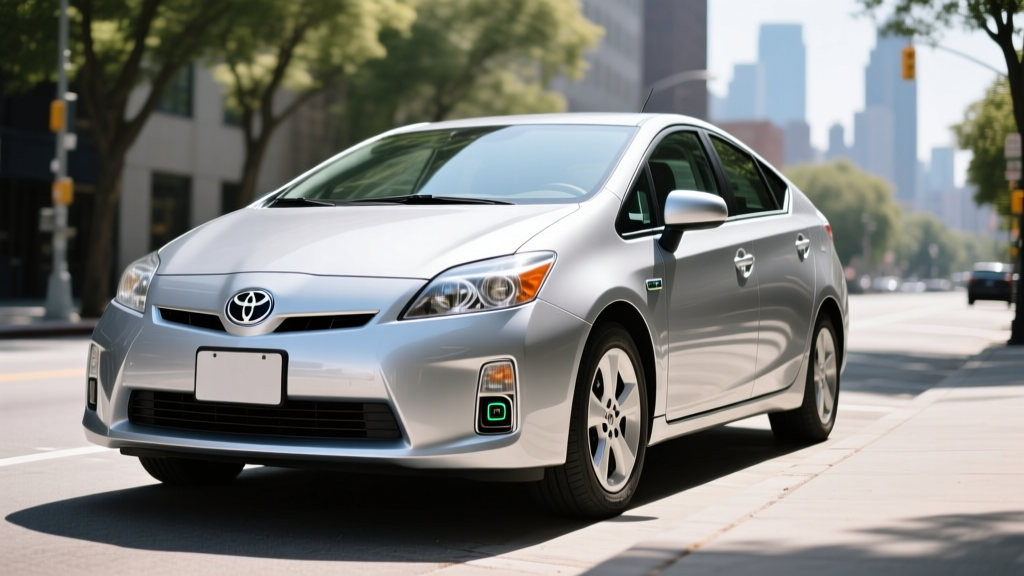
The 2013 Toyota Prius hybrid remains one of the most fuel-efficient vehicles ever sold in the United States, with an EPA-rated 50 MPG combined. More than a decade after its launch, it continues to serve as a benchmark for conventional hybrid (HEV) efficiency, reliability, and low total cost of ownership. For used-car shoppers in 2026, a well-maintained third-generation Prius represents a compelling entry point into hybrid ownership — provided you understand what to inspect before buying a 12-year-old hybrid battery.
| Spec | Value |
|---|---|
| Powertrain | 1.8L 4-cyl Atkinson-cycle + electric motor (HEV) |
| Combined Horsepower | 134 hp (net system output) |
| EPA MPG (City / Hwy / Combined) | 51 / 48 / 50 |
| Battery Type | Nickel-Metal Hydride (NiMH), 1.3 kWh |
| 0–60 mph | ~9.8 seconds |
| Drivetrain | Front-wheel drive, eCVT |
| Cargo Volume | 21.6 cu ft (rear seats up) |
| Plug-In Required? | No — regenerative braking recharges battery |
Understanding the 2013 Prius: HEV, Not PHEV
Before evaluating this car, it is critical to distinguish what the 2013 Prius is — and what it is not. The standard 2013 Prius is a conventional hybrid electric vehicle (HEV). It pairs a gasoline engine with an electric motor and a small battery pack, but it never plugs in. The battery recharges exclusively through regenerative braking and engine-driven generation.
| Feature | HEV (2013 Prius) | PHEV (e.g., Prius Prime) | BEV (Full Electric) |
|---|---|---|---|
| Plugs In? | No | Yes | Yes |
| Electric-Only Range | ~1 mile at low speed | 25–44 miles (model dependent) | 200–400+ miles |
| Fuel/Charging | Gasoline only | Gasoline + Level 1/2 charging | Level 1/2/DC charging |
| Home Charger Needed? | No | Recommended | Essential |
| Tailpipe Emissions | Low | Very low (on electric) | Zero |
| Federal Tax Credit (§30D) | Not eligible | Up to $7,500 (new, rules vary) | Up to $7,500 (new, rules vary) |
Toyota did offer the Prius Plug-in Hybrid (later renamed Prius Prime) starting in 2012, but it was a separate model with an enlarged 4.4 kWh lithium-ion battery and approximately 11 miles of electric-only range. The 2013 model year lineup included the standard Prius (Liftback), the Prius v (larger wagon), the Prius c (subcompact), and the Prius Plug-in. This review focuses on the standard Prius Liftback, the highest-volume variant.
Fuel Economy: EPA Ratings vs. Real-World MPG
The 2013 Prius carries EPA ratings of 51 city / 48 highway / 50 combined MPG, according to fueleconomy.gov. These numbers were class-leading at launch and remain competitive with most 2026 hybrids.
| Driving Condition | EPA MPG | Real-World Expectation |
|---|---|---|
| City | 51 | 48–55 (hybrids often exceed EPA in stop-and-go) |
| Highway | 48 | 42–48 (aerodynamic drag and higher speeds reduce regen benefit) |
| Combined | 50 | 44–52 (varies by driving style, terrain, climate) |
One advantage of conventional hybrids over gasoline-only vehicles: city driving often exceeds the EPA city estimate. Frequent stops allow regenerative braking to recapture energy, and the engine shuts off at idle. Many Prius owners report 52–55 MPG in urban commuting, particularly in mild climates. Highway driving, however, tends to fall slightly below the EPA highway figure, as the electric motor provides less assistance at sustained high speeds and aerodynamic drag increases.
Cold-weather note: In sub-freezing temperatures, expect a 5–10% reduction in fuel economy. The engine runs more frequently to maintain cabin heat and battery temperature, reducing the electric motor's contribution. Owners in northern climates typically see 43–47 MPG combined during winter months.
Powertrain and Battery Specifications
The 2013 Prius uses Toyota's Hybrid Synergy Drive system, pairing a 1.8-liter Atkinson-cycle four-cylinder engine (98 hp, 105 lb-ft torque) with a 60 kW (80 hp) electric motor. The net system output is 134 horsepower, delivered through an electronically controlled continuously variable transmission (eCVT).
The hybrid battery is a nickel-metal hydride (NiMH) pack with approximately 1.3 kWh of total capacity. Unlike modern lithium-ion packs, NiMH chemistry is heavier and less energy-dense, but it has proven remarkably durable in Toyota's hybrid applications. The battery sits beneath the rear cargo area and includes a cooling fan that must remain unobstructed to prevent overheating.
Hybrid Battery Lifespan, Warranty, and Replacement Cost
2013 Prius Battery Warranty (Original)
Toyota warranted the hybrid battery for 8 years / 100,000 miles in most states, and 10 years / 150,000 miles in California Air Resources Board (CARB) states (CA, CT, ME, MA, NJ, NY, OR, RI, VT, WA). For a 2013 model, original factory warranty coverage has expired as of 2023 at the latest.
The most common concern for used Prius buyers is hybrid battery degradation and replacement cost. Here is what the data shows:
- Typical lifespan: NiMH packs in the third-generation Prius (2010–2015) commonly last 150,000–200,000 miles before significant degradation triggers a check-engine light or noticeable efficiency loss. Some units exceed 250,000 miles.
- Degradation symptoms: Reduced fuel economy, frequent engine cycling, "Check Hybrid System" warning, and reduced regenerative braking capability.
- Replacement cost (2026): A new OEM Toyota hybrid battery costs approximately $2,200–$3,000 installed at a dealership. Remanufactured or reconditioned packs are available from third-party suppliers for $1,000–$1,800 installed. Individual module replacement (repairing only failed cells) can cost $500–$1,000 at a hybrid specialist shop.
- Aftermarket options: Several companies offer refurbished NiMH packs with 1–3 year warranties. Quality varies — seek suppliers who test and balance all modules before assembly.
Pre-purchase inspection tip: Ask for a hybrid battery health check using an OBD-II scanner that reads individual module voltages. A healthy pack shows all modules within 0.2V of each other under load. Wider variance indicates aging cells that may fail soon.
Does the 2013 Prius Qualify for Any Tax Credit?
No. The 2013 Toyota Prius (standard HEV) does not qualify for the federal §30D clean vehicle tax credit, which applies only to plug-in electric vehicles (PHEVs and BEVs) with a battery capacity of at least 4 kWh that can be recharged from an external source. Conventional hybrids that recharge solely through regenerative braking and the gasoline engine are not eligible.
The original Prius Plug-in Hybrid (2012–2015) qualified for a $2,500 federal tax credit when purchased new, but that credit is no longer available for used purchases of that generation. Under current 2026 IRS rules, the Used Clean Vehicle Credit (§25E) offers up to $4,000 for qualifying used PHEVs and BEVs priced under $25,000 — but conventional HEVs remain excluded. Always verify current eligibility at irs.gov or consult a tax professional before making purchase decisions based on incentive assumptions.
Reliability and Ownership Costs in 2026
The third-generation Prius (2010–2015) has an established reliability record. According to NHTSA data and long-term owner surveys, the powertrain is among the most durable Toyota has produced. Key reliability notes:
- Hybrid system: The inverter, electric motor, and eCVT are largely trouble-free. The inverter coolant pump was subject to a recall (check NHTSA campaign ID for VIN-specific status).
- Engine: The 2ZR-FXE 1.8L is robust, but some high-mileage examples develop oil consumption issues (particularly 2010–2012 build dates). Check oil level at every fill-up.
- Brakes: Regenerative braking significantly reduces pad wear. Original brake pads frequently last 80,000–100,000 miles.
- 12V auxiliary battery: Located in the rear cargo area, this standard lead-accent battery typically lasts 4–6 years and costs $150–$250 to replace. It is separate from the hybrid traction battery.
Pros
- 50 MPG combined still competitive with 2026 hybrids
- Proven powertrain with extensive aftermarket support
- Low maintenance costs (long brake life, no plug-in infrastructure needed)
- Spacious hatchback cargo area (21.6 cu ft)
- Strong parts availability and DIY repair community
Cons
- Hybrid battery likely due for replacement if original (12+ years old)
- Slow acceleration (9.8s 0–60) and modest passing power
- Dated infotainment — no Apple CarPlay/Android Auto without aftermarket head unit
- Road noise and firm ride quality at highway speeds
- No federal tax credit eligibility
2013 Prius vs. Modern Hybrids and EVs: What Makes Sense in 2026?
The used 2013 Prius occupies a specific niche. Here is how it compares to current alternatives:
| Metric | 2013 Prius (Used) | 2026 Toyota Prius LE (New) | 2026 Toyota Prius Prime SE (PHEV) |
|---|---|---|---|
| Price | $6,000–$10,000 | ~$28,350 MSRP | ~$33,450 MSRP |
| EPA Combined MPG / MPGe | 50 MPG | 57 MPG | 52 MPG + 127 MPGe (electric) |
| Combined HP | 134 | 194 | 220 |
| Electric-Only Range | None | None | ~44 miles |
| Tax Credit Eligible? | No | Potentially (check IRS §30D) | Potentially up to $7,500 (§30D) |
| Battery Warranty Remaining | Expired | 10 yr / 150,000 mi | 10 yr / 150,000 mi |
Who Should Buy the 2013 Prius Hybrid?
Choose the 2013 Prius If:
- You need maximum fuel economy on a sub-$10,000 budget
- You cannot install a home charger and lack access to public charging
- You want a proven, low-maintenance commuter with cheap parts
- You drive mostly in city/stop-and-go traffic where hybrids excel
- You are comfortable budgeting $1,000–$3,000 for a potential hybrid battery replacement
Look at a Newer PHEV or BEV Instead If:
- You have home charging access and want electric-only commuting
- You want modern safety features (automatic emergency braking, lane-keeping) — the 2013 Prius predates Toyota Safety Sense as standard equipment
- You want to claim a federal tax credit on your purchase
- You prioritize acceleration, ride refinement, or modern infotainment
Frequently Asked Questions
How many MPG does the 2013 Toyota Prius hybrid get?
The EPA rates the 2013 Prius at 51 city / 48 highway / 50 combined MPG. Real-world results typically range from 44–55 MPG depending on driving conditions, with city driving often exceeding the EPA estimate due to regenerative braking.
Does the 2013 Prius need to be plugged in?
No. The 2013 Prius is a conventional hybrid (HEV) that charges its battery through regenerative braking and the gasoline engine. There is no plug and no electric-only driving range of practical significance. If you want plug-in capability, look at the Prius Plug-in (2012–2015) or the newer Prius Prime.
How much does it cost to replace the hybrid battery in a 2013 Prius?
In 2026, expect to pay $2,200–$3,000 for a new OEM battery at a Toyota dealership, $1,000–$1,800 for a remanufactured pack from a reputable third party, or $500–$1,000 for individual module replacement at a hybrid specialist.
Is the 2013 Prius reliable at high mileage?
Yes, with proper maintenance. The hybrid powertrain, eCVT, and electric motor are proven durable past 200,000 miles. The primary wear item is the NiMH hybrid battery, which typically requires replacement between 150,000–200,000 miles. Check for oil consumption on early third-generation engines and verify the inverter coolant pump recall has been addressed.
Hybrid vs. PHEV vs. EV — which should I choose?
A conventional hybrid (HEV) like the 2013 Prius is ideal if you lack charging access and want maximum range flexibility with no behavioral changes. A PHEV makes sense if you can charge at home and want 25–44 miles of electric-only commuting with a gas engine for longer trips. A full BEV offers the lowest operating costs and zero tailpipe emissions but requires reliable charging infrastructure and a higher upfront investment.
Does the 2013 Prius qualify for any federal tax credit?
No. The federal §30D Clean Vehicle Credit and the §25E Used Clean Vehicle Credit apply only to plug-in vehicles (PHEVs and BEVs). Conventional hybrids that cannot be charged from an external source do not qualify for any current federal purchase incentive.