Quick Verdict: The 2013 Lincoln MKZ Hybrid FWD in 2026
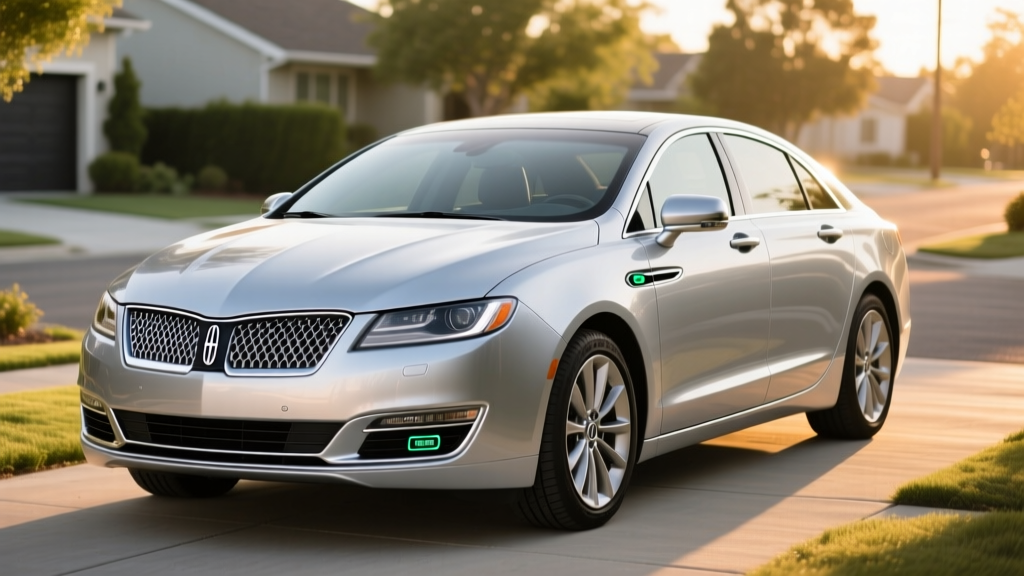
The 2013 Lincoln MKZ Hybrid FWD was one of the first luxury sedans to pair genuine fuel-sipping efficiency with a premium cabin — and over a decade later, it remains a compelling used hybrid buy. With an EPA-estimated 45 MPG combined, this conventional hybrid (HEV) requires no plug, no lifestyle change, and no charging infrastructure. For 2026 used-car shoppers eyeing an affordable entry into electrified driving without range anxiety or home-charger installation, the MKZ Hybrid FWD occupies a specific and practical niche.
But buying a 13-year-old hybrid in 2026 demands honest questions: How has the battery held up? What does replacement cost? And does this first-generation MKZ Hybrid still make financial sense against newer hybrids and modern EVs? This guide answers each of those with real numbers.
| Spec | 2013 Lincoln MKZ Hybrid FWD |
|---|---|
| Powertrain | 2.0L Atkinson-cycle I4 + electric motor (HEV) |
| Combined Horsepower | 188 hp (net system) |
| EPA MPG (City / Hwy / Combined) | 45 / 45 / 45 |
| Fuel Tank | 13.5 gallons |
| Total Range | ~607 miles |
| 0–60 mph | ~8.5 seconds |
| Drivetrain | Front-wheel drive (FWD) |
| Hybrid Battery | 1.4 kWh (usable ~1.0 kWh), NiMH |
| Plug-in Charging | None — self-charging HEV |
| Original MSRP (Base) | $35,925 |
| 2026 Used Price Range | $6,500 – $11,000 (varies by mileage/condition) |
HEV vs PHEV vs EV: Where the MKZ Hybrid Fits
Before evaluating this car, it is essential to understand what it is — and what it is not. The 2013 Lincoln MKZ Hybrid is a conventional hybrid electric vehicle (HEV). It is not a plug-in hybrid (PHEV) and not a battery electric vehicle (BEV). Here is how those categories differ:
| Feature | HEV (This Car) | PHEV (e.g., Toyota RAV4 Prime) | BEV (e.g., Tesla Model 3) |
|---|---|---|---|
| Plug-in Required? | No | Yes (for EV range) | Yes (always) |
| Electric-Only Range | ~1 mile at low speed | 25–42 miles typical | 250–400+ miles |
| Battery Size | 1.0–1.5 kWh | 13–20 kWh | 50–100+ kWh |
| Gas Engine | Yes (primary) | Yes (backup + highway) | No |
| Fuel/Charging Needed | Gas only | Gas + plug-in | Plug-in only |
| Federal Tax Credit (New) | None | Up to $7,500 (§30D) | Up to $7,500 (§30D) |
The MKZ Hybrid's small 1.4 kWh nickel-metal hydride (NiMH) battery recharges through regenerative braking and the gas engine. You never plug it in. It uses electric assist to reduce fuel consumption, smooth out stop-start driving, and enable brief electric-only creeping at low speeds — but the gasoline engine remains the primary power source at all times.
Fuel Economy: EPA Numbers vs Real-World MPG
The EPA rates the 2013 Lincoln MKZ Hybrid FWD at 45 MPG city, 45 MPG highway, and 45 MPG combined. That parity between city and highway is a hallmark of conventional hybrids: regenerative braking recovers energy in stop-and-go traffic that a gas-only car wastes as heat, effectively boosting city efficiency to match highway figures.
| Driving Scenario | Expected MPG | Notes |
|---|---|---|
| EPA Combined | 45 MPG | Official sticker rating |
| City / Suburban (real-world) | 42–48 MPG | Hybrids often exceed EPA in gentle city driving |
| Highway (70+ mph sustained) | 37–41 MPG | Aero drag and less regen opportunity reduce efficiency |
| Cold Weather (below 30°F) | 35–40 MPG | Engine runs longer for cabin heat; battery less efficient |
| Owner-Reported Average | 40–44 MPG | Based on aggregated user data on Fuelly-style trackers |
In practice, owners who drive conservatively in suburban conditions can match or slightly beat the 45 MPG EPA figure. Aggressive highway driving at 75–80 mph, or frequent cold-weather operation, will drop real-world economy into the high 30s. This is normal hybrid behavior — not a defect — and still dramatically better than the 22–26 MPG combined that a comparable gas-only luxury sedan from the same era returns.
Powertrain and Driving Dynamics
The 2013 MKZ Hybrid pairs a 2.0-liter Atkinson-cycle four-cylinder engine (141 hp on its own) with a permanent-magnet electric motor and a lithium-free NiMH battery pack. Combined net system output is 188 horsepower, routed through an electronically controlled continuously variable transmission (eCVT) to the front wheels.
The eCVT is not a belt-and-pulley CVT like those in some Nissan or Subaru models. Instead, it uses a planetary gearset (Toyota's Hybrid Synergy Drive architecture, which Ford licensed for this generation) to seamlessly blend engine and motor power. The result is smooth, shift-free acceleration with none of the rubber-band drone associated with conventional CVTs — though the engine does hold a steady RPM under hard acceleration, which some drivers find monotonous.
At 188 hp net and roughly 3,700 lbs curb weight, the MKZ Hybrid is adequate rather than quick. The 0–60 mph time of approximately 8.5 seconds is sufficient for highway merging and daily commuting, but this is a car optimized for efficiency and refinement, not performance. Lincoln's tuning prioritizes ride comfort and cabin isolation, and on that front, the MKZ Hybrid delivers impressively for its age and price point.
Hybrid Battery Lifespan, Warranty, and Replacement Cost
Original Hybrid Battery Warranty: 8 years / 100,000 miles (whichever comes first), covering defects and capacity loss below a defined threshold. In California and states adopting CARB emissions standards, the warranty extended to 10 years / 150,000 miles.
Status in 2026: The original factory warranty has expired for all 2013 MKZ Hybrids regardless of mileage. Battery condition is now a used-buyer inspection item.
The 2013 MKZ Hybrid's NiMH battery pack is relatively small (1.4 kWh gross) and is managed conservatively by the powertrain computer — it never fully charges or fully depletes the pack, which significantly extends cell life. Toyota and Ford hybrid systems from this era have demonstrated strong longevity: many Prius and Fusion Hybrid examples have exceeded 200,000 miles on the original battery.
That said, a 2013 model is now 13 years old. NiMH cells degrade with both time and heat, and some 2013 MKZ Hybrids will be on their original battery while others may have already required replacement. Here is what to budget for:
| Battery Service | Estimated Cost (2026) |
|---|---|
| OEM replacement (Ford/Lincoln dealer) | $2,500 – $3,800 (parts + labor) |
| Aftermarket / remanufactured pack | $1,200 – $2,200 (parts + labor) |
| Individual cell/module replacement | $400 – $900 (specialist hybrid shops) |
| Hybrid battery diagnostic / health check | $100 – $200 |
Pre-purchase tip: Before buying any 2013 MKZ Hybrid, have a hybrid-qualified mechanic run a battery health scan using a Ford-compatible OBD-II tool. This reveals the pack's state of health (SoH), individual module voltage balance, and any stored hybrid-system fault codes. A pack showing more than 25–30% degradation or significant cell imbalance should factor into your offer price or be a walk-away signal.
Tax Credits and Incentives: What Applies in 2026
The 2013 Lincoln MKZ Hybrid is a conventional HEV, not a plug-in vehicle. This means it does not qualify for the federal §30D Clean Vehicle Credit (up to $7,500 for new PHEVs/BEVs) or the §25E Used Clean Vehicle Credit (up to $4,000 for pre-owned PHEVs/BEVs). Those credits require plug-in capability and minimum battery capacity thresholds that the MKZ Hybrid does not meet.
When purchased new, the 2013 MKZ Hybrid was also ineligible for the federal hybrid tax credit that had applied to earlier models (that credit expired for Ford/Lincoln hybrids after the manufacturer hit its 60,000-unit cap). Some states offered their own hybrid incentives at the time, but these have largely expired or shifted focus to plug-in vehicles.
Bottom line for 2026 buyers: There is no federal or state tax credit available for purchasing a used 2013 MKZ Hybrid. The financial case for this car rests entirely on its low purchase price and strong fuel economy — which, as we will see below, still adds up.
Ownership Economics: Does the Math Work in 2026?
At a used price of roughly $6,500 to $11,000, the 2013 MKZ Hybrid FWD competes against newer gas-only sedans and more expensive used PHEVs and BEVs. Here is a simplified five-year cost snapshot assuming 12,000 miles per year, $3.30/gallon regular unleaded, and 42 MPG real-world average:
| Annual Cost Factor | 2013 MKZ Hybrid (42 MPG avg) | Comparable Gas Sedan (26 MPG avg) |
|---|---|---|
| Fuel (12,000 mi/yr) | ~$943/year | ~$1,523/year |
| Annual Fuel Savings | ~$580/year in favor of MKZ Hybrid | |
| 5-Year Fuel Savings | ~$2,900 | |
| Insurance (avg) | ~$1,100–$1,400/year | ~$1,100–$1,400/year |
| Maintenance | Lower (no plug, simple HEV system) | Standard |
The fuel savings are meaningful but not transformative at this price point. The stronger argument is the total package: a luxury sedan with a quiet cabin, leather seats, premium audio, and 45 MPG capability for under $10,000. If the hybrid battery is healthy, the MKZ Hybrid offers one of the lowest cost-per-mile propositions in the used luxury segment.
Reliability and Common Issues
The Ford/Toyota-sourced hybrid powertrain in the 2013 MKZ is one of the most proven hybrid systems ever mass-produced. The eCVT has no traditional transmission fluid to change, no clutch packs to wear, and no belts to replace. The regenerative braking system reduces wear on the friction brakes significantly — many owners report original brake pads lasting 80,000+ miles.
Areas to watch on a used 2013 MKZ Hybrid include:
- Hybrid battery age: As discussed, 13-year-old NiMH packs are nearing end-of-life even with low mileage. Budget for potential replacement.
- 12V auxiliary battery: Like all hybrids, the MKZ has a standard 12V battery that powers electronics. If it dies, the car will not start — even if the hybrid battery is full. Replace every 4–5 years.
- MyLincoln Touch infotainment: The SYNC/MyLincoln Touch system in 2013 models is notoriously slow and prone to freezing. A firmware update or aftermarket head unit swap is a common fix.
- Coolant system: The hybrid system has its own separate coolant loop. Verify that the hybrid inverter coolant has been serviced per the maintenance schedule.
The NHTSA recorded very few complaints specific to the hybrid system for this model year, which is consistent with the platform's strong reliability reputation.
Who Should Buy the 2013 MKZ Hybrid — and Who Shouldn't
Pros
- 45 MPG combined — exceptional for a luxury sedan of any era
- No plug-in required — works with any lifestyle or housing situation
- Proven, reliable Ford/Toyota hybrid powertrain
- Luxury features (leather, premium audio, quiet cabin) at budget prices
- Low running costs: minimal brake wear, no transmission fluid changes
- Strong total range (~607 miles per tank)
Cons
- Hybrid battery is 13 years old — replacement risk is real
- Dated infotainment system (MyLincoln Touch)
- Modest 188 hp — not a performance car
- No federal or state tax credits available
- eCVT drone under hard acceleration
- No Apple CarPlay / Android Auto without aftermarket swap
Choose the 2013 MKZ Hybrid FWD if: You want a cheap, comfortable daily driver with outstanding fuel economy, you cannot charge at home (apartment, street parking), and you are comfortable budgeting $1,500–$3,000 for a potential hybrid battery replacement within your ownership window.
Look elsewhere if: You want electric-only commuting range (consider a used PHEV like the Chevrolet Volt or Toyota Prius Prime), you want a modern infotainment experience, or you plan to keep the car 10+ years and prefer a newer platform with remaining battery warranty.
Frequently Asked Questions
How many MPG does the 2013 Lincoln MKZ Hybrid get?
The EPA rates it at 45 MPG city, 45 MPG highway, and 45 MPG combined. Real-world results range from the high 30s in cold-weather highway driving to the upper 40s in gentle suburban use. Most owners report averaging 40–44 MPG in mixed driving.
Does the 2013 MKZ Hybrid need to be plugged in?
No. It is a conventional hybrid (HEV), not a plug-in hybrid. The battery recharges through regenerative braking and the gasoline engine. You fuel it like any other car — with gasoline at a gas station.
How far can it go on electric power alone?
Only about 1 mile at very low speeds (under 25 mph) under ideal conditions. The electric motor primarily assists the gas engine rather than replacing it. This is standard HEV behavior — for meaningful electric-only range (25–42 miles), you would need a PHEV.
Is the hybrid battery reliable, and what does replacement cost?
The NiMH hybrid battery and Ford/Toyota hybrid system are among the most reliable in the industry, with many examples exceeding 200,000 miles. However, at 13 years old, age-related degradation is a factor. OEM replacement costs $2,500–$3,800; aftermarket/remanufactured packs run $1,200–$2,200. A pre-purchase battery health scan is essential.
Does the 2013 MKZ Hybrid qualify for any tax credit?
No. As a conventional hybrid (HEV) with no plug-in capability, it is not eligible for the federal §30D Clean Vehicle Credit, the §25E Used Clean Vehicle Credit, or most current state EV/PHEV incentives. The IRS outlines current credit eligibility requirements, all of which require plug-in capability.
How does it compare to a modern hybrid like the 2025 Toyota Camry Hybrid?
The 2025 Camry Hybrid achieves 51 MPG combined (LE AWD: 44 MPG) with a more modern interior, current infotainment with CarPlay/Android Auto, and a full factory hybrid warranty. However, a used 2025 Camry Hybrid costs $28,000–$35,000, while a 2013 MKZ Hybrid runs $6,500–$11,000. If budget is the priority and you accept the battery-age risk, the MKZ delivers comparable efficiency at a fraction of the price.
Is the 2013 MKZ Hybrid safe?
The 2013 MKZ earned a 5-star overall safety rating from NHTSA and Top Safety Pick from IIHS. Standard safety equipment includes front, side, and curtain airbags, stability control, and available blind-spot monitoring. It lacks modern ADAS features like automatic emergency braking or lane-keeping assist that became common in later model years.