Quick Verdict: A First-Generation Hybrid That Aged Surprisingly Well
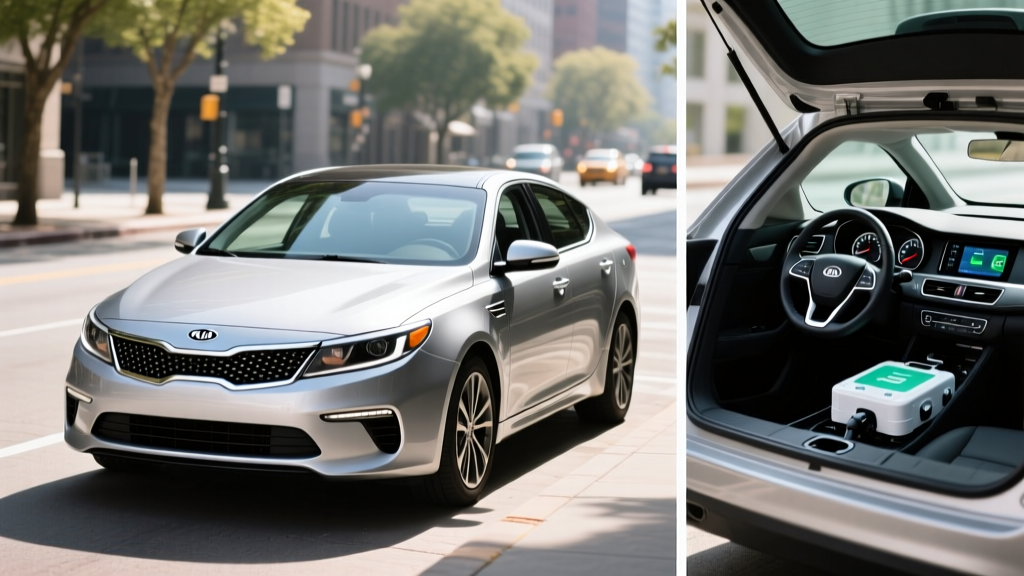
The 2013 Kia Optima Hybrid sedan represents Kia's first serious attempt at the hybrid midsize sedan segment, competing directly with the Toyota Camry Hybrid and Hyundai Sonata Hybrid of the same era. Built on the third-generation Optima platform, this conventional hybrid (HEV) pairs a 2.4-liter four-cylinder engine with a 47-horsepower electric motor and a compact lithium-polymer battery pack. Unlike plug-in hybrids (PHEVs) or full battery-electric vehicles (BEVs), the 2013 Optima Hybrid never needs to be plugged in — it recovers energy through regenerative braking and the gasoline engine.
For 2026 used-car shoppers, this model offers an affordable entry point into hybrid ownership, typically trading between $5,000 and $9,000 depending on mileage and condition. But with a decade-plus of battery aging behind it, prospective buyers need to understand what they're getting into regarding fuel economy, reliability, and potential battery replacement costs.
HEV vs PHEV vs EV: What the 2013 Optima Hybrid Actually Is
Conventional Hybrid (HEV) — This Car: The 2013 Kia Optima Hybrid is a parallel hybrid. It uses a small battery (1.35 kWh) and electric motor to assist the gas engine, enable electric-only driving at low speeds, and capture braking energy. You never plug it in. The battery recharges through regen and the engine.
Plug-In Hybrid (PHEV): A PHEV like the newer Kia Optima PHEV (2017+) or Toyota RAV4 Prime has a much larger battery (typically 8–18 kWh), can be plugged into a wall outlet or Level 2 charger, and offers 20–40 miles of electric-only range before the gas engine kicks in. The 2013 Optima Hybrid is not a PHEV.
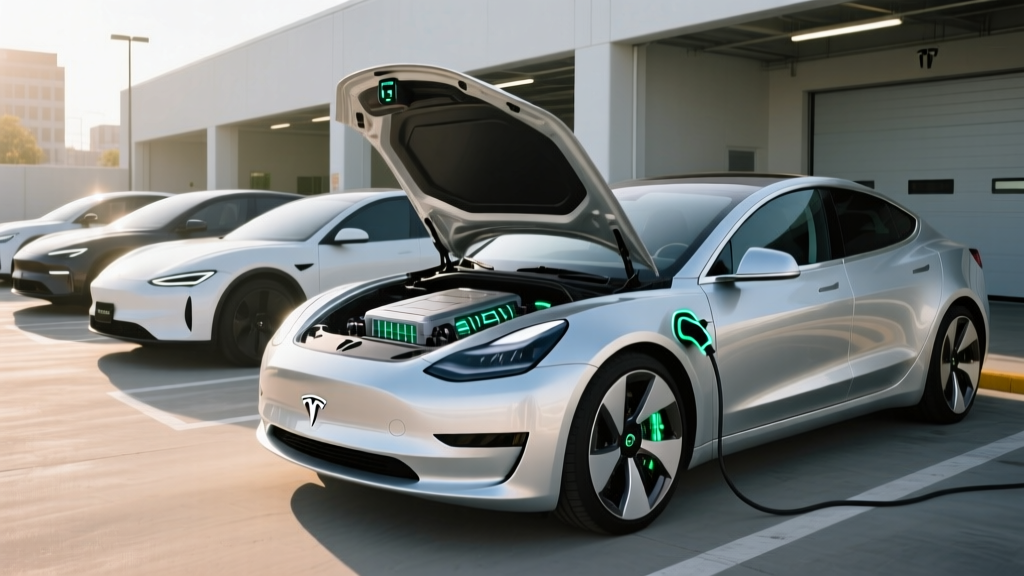
Battery Electric Vehicle (BEV): A full EV like the Tesla Model 3 or Hyundai Ioniq 5 runs entirely on electricity with no gasoline engine. Requires regular charging and offers 200–350+ miles of range.
This distinction matters because the 2013 Optima Hybrid's 1.35 kWh battery is far too small for meaningful electric-only driving. You'll get brief EV-mode operation at parking-lot speeds (under ~25 mph, for roughly 1–2 miles at most on a full charge), but the gasoline engine is doing the heavy lifting the vast majority of the time. If you're looking for plug-in electric range, this isn't the vehicle — you'd need to look at a PHEV or BEV instead.
Fuel Economy: EPA Ratings and Real-World MPG
The EPA rated the 2013 Kia Optima Hybrid at the following fuel economy figures:
| Driving Cycle | EPA Rating | Real-World Expectation |
|---|---|---|
| City | 35 MPG | 33–37 MPG (hybrids often beat EPA city) |
| Highway | 39 MPG | 34–38 MPG (highway favors gas engines) |
| Combined | 36 MPG | 33–37 MPG depending on driving mix |
Source: fueleconomy.gov
Why real-world MPG varies: Hybrid systems excel in stop-and-go city driving, where regenerative braking recaptures energy and the electric motor handles low-speed propulsion. On sustained highway cruising, the benefit narrows because the engine runs continuously and aerodynamic drag dominates. Owners who drive predominantly in urban traffic often report exceeding the EPA combined estimate, while highway-heavy commuters may see 32–34 MPG.
By 2026, a 13-year-old hybrid battery will have degraded to some degree, which can reduce the electric motor's assist contribution and slightly lower fuel economy. Expect a well-maintained example to deliver within 2–3 MPG of the EPA sticker; a degraded battery could drop city MPG by 3–5 MPG as the system relies more heavily on the gasoline engine.
Battery Warranty & Lifespan
Kia originally warranted the 2013 Optima Hybrid's lithium-polymer battery pack for 10 years / 100,000 miles (in CARB states, extended to 10 years / 150,000 miles). As of 2026, that factory warranty has expired for virtually all examples on the road unless the vehicle was certified pre-owned with an extended warranty transfer. Battery replacement for this generation typically costs between $2,000 and $4,000 including labor, depending on whether you source a new OEM pack, a refurbished unit, or a salvage-yard pull. Independent hybrid specialists often offer refurbished packs at the lower end of that range.
Powertrain Specs: Engine, Motor, and Combined Output
| Specification | 2013 Kia Optima Hybrid |
|---|---|
| Gas Engine | 2.4L DOHC 4-cylinder (Atkinson cycle) |
| Engine Power | 169 HP @ 6,000 RPM |
| Electric Motor | 35 kW (47 HP) |
| Combined System Output | 206 HP |
| Transmission | 6-speed automatic |
| Battery Type | Lithium-polymer (Li-Po) |
| Battery Capacity | 1.35 kWh (gross) |
| Drivetrain | Front-wheel drive |
| 0–60 MPH | ~8.5 seconds (est.) |
| Curb Weight | ~3,496 lbs |
| Plug-In Capable? | No — HEV only |
The 2.4-liter engine uses the Atkinson cycle, a common hybrid strategy that sacrifices peak power for improved thermal efficiency. The 47 HP electric motor is sandwiched between the engine and the 6-speed automatic transmission, enabling smooth torque fill at low RPMs and brief electric-only creeping. Unlike Toyota's planetary-gear hybrid system (HSD), Kia's setup uses a traditional stepped automatic rather than a continuously variable transmission (CVT), which some drivers prefer for its more familiar shift feel — though it's marginally less efficient in seamless power blending.
The 1.35 kWh lithium-polymer battery was a notable choice for 2013. Most competitors used nickel-metal hydride (NiMH) packs at the time. Li-Po offered better energy density and lighter weight, but long-term degradation data was less established. Thirteen years on, most surviving packs have lost 20–40% of their original capacity, which primarily reduces the frequency and duration of EV-mode operation and electric motor assist — it doesn't strand the car, but it does erode the fuel-economy advantage.
Pricing in 2026: Used Market Value and Tax Credits
As of early 2026, the 2013 Kia Optima Hybrid sedan trades in the used market at approximately:
- $5,000–$6,500: High-mileage examples (120,000+ miles), fair condition, possible battery degradation
- $6,500–$8,000: Average mileage (80,000–120,000), good condition, battery functional
- $8,000–$9,500: Low-mileage examples (under 80,000), excellent condition, battery health confirmed
Tax Credit Eligibility
Federal §30D New Vehicle Credit: Not applicable — this credit applies only to new vehicle purchases. The 2013 Optima Hybrid was never eligible for the full $7,500 new-vehicle credit even when new, as Kia's early hybrid models did not meet the battery sourcing requirements that were later codified under the Inflation Reduction Act.
Used EV Credit (§25E): The federal used clean vehicle credit offers up to $4,000 (or 30% of the sale price, whichever is less) for qualified used EVs and PHEVs purchased from a dealer. However, conventional hybrids (HEVs) like the 2013 Optima Hybrid do not qualify for the §25E credit. Only plug-in vehicles with at least 4 miles of electric-only range are eligible. See IRS.gov §25E guidelines for current eligibility rules.
State incentives: Most state-level hybrid incentives have expired or were limited to new purchases. Check your state's energy office for any remaining programs, but expect no credits for a used 2013 HEV purchase.
Reliability, Known Issues, and Battery Replacement Costs
The 2013 Optima Hybrid received middling reliability marks in its era. Key areas to inspect on a 2026 used purchase:
Common Issues
- Hybrid battery degradation: The most significant concern. Symptoms include reduced fuel economy, more frequent engine engagement, and dashboard warnings. A dealer-level scan tool can check individual cell voltages to assess remaining pack health.
- Hybrid system cooling fan: Located behind the rear seat, this fan keeps the battery pack within operating temperature. A clogged or failed fan accelerates battery degradation. Listen for unusual noise from the rear cabin area.
- Brake actuator/recall: Some 2011–2013 Optima Hybrids were subject to recalls related to the hydraulic brake system. Verify all recall campaigns were completed via NHTSA's VIN lookup tool.
- Transmission shudder: The 6-speed automatic in early Kia hybrids occasionally exhibits rough shifts, particularly when transitioning between electric and gas power at low speeds. A transmission fluid flush may help but doesn't always resolve the issue.
Battery Replacement Cost Breakdown
| Option | Estimated Cost | Warranty | Notes |
|---|---|---|---|
| New OEM battery (dealer) | $3,500–$4,500 | 1–3 years | Most reliable, highest cost; availability may be limited for 2013 models |
| Refurbished/remanufactured pack | $2,000–$3,000 | 1–3 years | Replaced weak cells, tested; good value from reputable hybrid shops |
| Salvage yard pull | $800–$1,500 | 30–90 days | Highest risk — unknown remaining life; a gamble |
| Cell-level repair (specialist) | $1,000–$2,000 | Varies | Replace only failed modules; requires a skilled hybrid technician |
For a car worth $6,000–$8,000, a $3,500+ battery replacement represents a significant percentage of the vehicle's value. Factor this into your purchase decision — if the battery is already showing signs of weakness, negotiate the price accordingly or budget for a replacement within the first year of ownership.
Who Should Buy This Hybrid vs a PHEV or Full EV?
Pros
- Affordable entry price ($5K–$9K used)
- No plug-in charging required — works like a regular car
- Better city MPG than the gas-only Optima (35 vs 24 city)
- 6-speed automatic feels more natural than a CVT
- Spacious midsize sedan cabin with solid trunk room
Cons
- Factory battery warranty has expired
- Real-world highway MPG advantage over gas models is modest
- No electric-only driving range to speak of
- No federal tax credits available for used HEV purchase
- Hybrid system adds complexity and potential repair cost
Choose the 2013 Optima Hybrid If:
- You want better fuel economy without changing your driving or charging habits
- You lack access to home or workplace charging (no plug needed)
- Your budget is under $10,000 and you want a midsize sedan
- You drive primarily in city traffic where the hybrid system shines
Look at a PHEV Instead If:
- You have home Level 2 charging and a short commute (under 30 miles)
- You want to drive on electricity most days and use gas only for road trips
- You want to qualify for the §25E used clean vehicle credit (up to $4,000)
Look at a Full EV Instead If:
- You have reliable home charging and want zero gasoline costs
- Your daily driving is under 200 miles round-trip
- You want the lowest operating cost and minimal maintenance
Ownership Economics: Is It Worth It in 2026?
Let's compare annual fuel costs for the 2013 Optima Hybrid versus its gas-only sibling and a modern used EV, assuming 12,000 miles/year and $3.40/gallon regular unleaded:
| Vehicle | Combined MPG / MPGe | Annual Fuel/Energy Cost | 5-Year Fuel Cost |
|---|---|---|---|
| 2013 Optima Hybrid (36 MPG) | 36 MPG | $1,133 | $5,667 |
| 2013 Optima Gas (26 MPG) | 26 MPG | $1,569 | $7,846 |
| 2019 Nissan Leaf (111 MPGe) | 111 MPGe | $540 (electric) | $2,700 |
The hybrid saves roughly $436/year over the gas-only Optima — about $2,179 over five years. That's meaningful but not transformative, especially if you need to spend $2,500+ on a hybrid battery replacement during that period. A used EV like the Leaf offers far greater fuel savings, but requires charging access and carries its own battery-degradation considerations.
The 2013 Optima Hybrid makes the most financial sense as a budget-conscious daily driver for someone who already has one in the family, or as a purchase where the battery health has been verified and the price reflects any remaining risk.
Frequently Asked Questions
How many MPG does the 2013 Kia Optima Hybrid get?
The EPA rates it at 35 city / 39 highway / 36 combined MPG. Real-world results typically range from 33–37 combined depending on your driving mix. City-heavy driving favors the hybrid system and may yield results above the combined rating; highway-heavy commutes may drop to 32–34 MPG.
Can the 2013 Optima Hybrid drive on electric power only?
Only marginally. The 1.35 kWh battery and 47 HP motor allow brief electric-only creeping at very low speeds (under ~25 MPH) for roughly 1 mile under ideal conditions. This is not a plug-in hybrid — there is no meaningful electric-only range for commuting. The electric motor primarily assists the gas engine and enables regenerative braking.
Is the 2013 Kia Optima Hybrid reliable?
It's average to slightly below average for its era. The conventional powertrain (2.4L engine, 6-speed automatic) is well-understood and generally durable. The hybrid-specific components — battery pack, hybrid cooling fan, brake actuator — add failure points that non-hybrid Optimas don't have. At 13 years old, battery health is the single biggest reliability variable. A pre-purchase hybrid system scan is strongly recommended.
What does a replacement hybrid battery cost?
Expect to pay $2,000–$4,500 depending on whether you choose a refurbished pack, a new OEM unit, or a salvage-yard pull. Refurbished packs from reputable hybrid specialists in the $2,000–$3,000 range offer the best value. Given that the car itself is worth $5,000–$9,000, a battery replacement is a significant percentage of the vehicle's value — budget accordingly.
Does the 2013 Optima Hybrid qualify for any tax credit?
No. The federal §30D new vehicle credit and the §25E used clean vehicle credit both require a plug-in vehicle with a minimum battery capacity and electric-only range. Conventional hybrids (HEVs) that cannot be plugged in do not qualify for either federal credit. Some states may have had hybrid incentives when the car was new, but these have largely expired. Check your state's current programs, but expect no tax benefits for this purchase.
How does it compare to a Toyota Camry Hybrid of the same year?
The 2013 Camry Hybrid LE was EPA-rated at 43 combined MPG — significantly higher than the Optima Hybrid's 36 MPG. Toyota's Hybrid Synergy Drive (planetary gearset + eCVT) was more refined and more proven in long-term reliability by 2013. The Camry Hybrid typically commands a premium on the used market ($7,000–$11,000) reflecting its better fuel economy and stronger reliability reputation. If fuel economy is your top priority, the Camry Hybrid wins. If budget is paramount and you find a clean Optima Hybrid with a healthy battery, it remains a reasonable value.