Quick Verdict: A Practical Hybrid Hatchback That Still Delivers
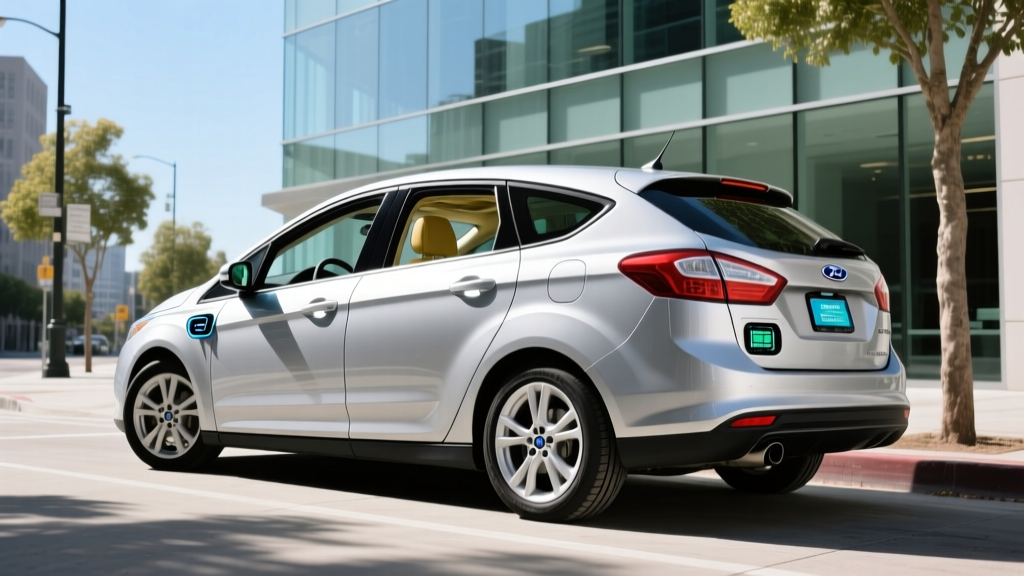
The 2013 Ford C-Max Hybrid SE hatchback was Ford's answer to the Toyota Prius v — a taller, roomier hybrid that didn't sacrifice fuel economy for cargo space. With an EPA-rated 47 MPG combined, it remains one of the most efficient used hybrid hatchbacks on the market in 2026. But with a decade-plus of real-world data now available, buyers need to know what to expect from aging battery packs, actual fuel economy, and long-term reliability before signing on the dotted line.
This guide breaks down every number that matters — from EPA MPG to battery warranty status, replacement costs, and how the C-Max Hybrid stacks up against modern alternatives.
HEV vs. PHEV: Understanding the C-Max Lineup
Ford sold two electrified C-Max variants for the 2013 model year, and confusing them is one of the most common buyer mistakes:
| Feature | C-Max Hybrid (HEV) | C-Max Energi (PHEV) |
|---|---|---|
| Powertrain type | Conventional hybrid — no plug | Plug-in hybrid — requires charging |
| Battery capacity | 1.4 kWh (usable ~1.0 kWh) | 7.6 kWh (usable ~5.5 kWh) |
| Electric-only range | N/A (EV assist only at low speeds) | 21 miles (EPA) |
| EPA combined MPG/MPGe | 47 MPG | 100 MPGe (electric) / 43 MPG (gas) |
| Charging required? | No — regenerative braking recharges | Yes — Level 1 (120V) ~7 hrs, Level 2 (240V) ~2.5 hrs |
| DC fast charging | No | No |
| Cargo volume (seats up) | 24.5 cu ft | 19.2 cu ft (battery encroaches) |
This article focuses on the C-Max Hybrid SE — the conventional HEV. If you're researching the Energi plug-in, the electric-only range, battery size, and charging dynamics are substantially different. The Hybrid never needs to be plugged in; it generates all its electrical energy through regenerative braking and the gasoline engine.
Fuel Economy: EPA Ratings vs. Real-World MPG
The headline number drew buyers in 2013, and it still holds up. Here's the official EPA breakdown per fueleconomy.gov:
| Driving Cycle | EPA Rating | Real-World Expectation |
|---|---|---|
| City | 47 MPG | 44–50 MPG (hybrids excel in stop-and-go) |
| Highway | 47 MPG | 40–45 MPG (less regen benefit at steady speed) |
| Combined | 47 MPG | 42–47 MPG depending on driving mix |
Why real-world can beat EPA in the city: Unlike gas cars, hybrids recapture energy every time you brake. Dense urban driving with frequent stops actually improves the C-Max Hybrid's efficiency relative to its combined rating. Owners who drive predominantly in city traffic regularly report 48–52 MPG on forums and fuel-tracking apps.
Where you'll fall short: Sustained highway driving above 70 MPH, cold weather (below 30°F), and aggressive acceleration all reduce efficiency. In winter conditions, expect a 10–15% drop — roughly 40–42 MPG combined — because the engine runs more often to provide cabin heat and the battery is less efficient at low temperatures.
Powertrain and Performance Specs
| Specification | 2013 C-Max Hybrid SE |
|---|---|
| Engine | 2.0L Atkinson-cycle 4-cylinder |
| Engine horsepower | 141 HP @ 6,000 RPM |
| Electric motor output | 118 HP (88 kW) |
| Combined system horsepower | 188 HP |
| Transmission | Electronic CVT (eCVT, planetary gearset) |
| 0–60 MPH | ~8.5 seconds |
| Drivetrain | Front-wheel drive |
| Curb weight | ~3,600 lbs |
| Battery chemistry | Lithium-ion (LG Chem) |
| Battery capacity | 1.4 kWh gross (~1.0 kWh usable) |
| Fuel tank | 13.5 gallons |
| Cargo volume (rear seats up) | 24.5 cu ft |
| Cargo volume (rear seats folded) | 52.6 cu ft |
The 2.0L Atkinson-cycle engine paired with Ford's eCVT is the same powertrain architecture used in the Fusion Hybrid of the same era. The eCVT is not a belt-driven CVT — it uses a planetary gearset to blend engine and motor power, which is inherently more durable and avoids the rubber-band feel associated with Nissan-style CVTs. The 188 combined horsepower gives the C-Max adequate passing power, though it's no performance vehicle. Expect confident highway merging but noticeable engine drone under hard acceleration.
Used Pricing in 2026 and Tax Credit Eligibility
The 2013 C-Max Hybrid SE originally carried an MSRP of approximately $25,995 (including destination). In the 2026 used market, expect to pay:
- $6,000–$8,500 for examples with 100,000–140,000 miles in fair condition
- $8,500–$11,000 for well-maintained examples under 90,000 miles
- $11,000–$13,500 for low-mileage (<60,000 mi), clean-title, dealer-certified units
- Sale price must be $25,000 or less
- Buyer income caps: $75,000 single / $112,500 head of household / $150,000 joint
- Vehicle must be at least 2 model years old (2013 qualifies)
- Must purchase from a licensed dealer (private-party sales excluded)
- Vehicle must be a qualifying clean vehicle (hybrids are eligible under §25E)
Battery Health, Reliability, and Replacement Costs
The 1.4 kWh lithium-ion pack in the C-Max Hybrid is small compared to a full EV, but it's the heart of the hybrid system. Here's what 13 years of real-world data tells us:
Original warranty: Ford covered the hybrid battery for 8 years / 100,000 miles (10 years / 150,000 miles in CARB states including California, New York, Massachusetts, and others that adopted California emissions standards). For a 2013 model, the standard warranty expired in 2021. In CARB states, coverage may extend through 2023 or until 150,000 miles — meaning most 2013 examples are now out of factory battery warranty.
Degradation reality: Unlike EV batteries that lose visible range, hybrid battery degradation manifests as reduced fuel economy and more frequent engine engagement. The C-Max's small battery cycles frequently but shallowly — a pattern that's actually gentle on lithium-ion cells. Most owners report minimal noticeable degradation through 150,000+ miles. However, individual cell failures within the pack do occur, particularly in high-mileage or hot-climate vehicles.
Battery replacement cost:
- Dealer OEM replacement: $2,500–$3,800 (parts + labor)
- Aftermarket/remanufactured pack: $1,200–$2,200 installed
- Individual cell/module repair: $300–$800 at a hybrid specialist shop
For a vehicle worth $7,000–$11,000, a full OEM battery replacement represents a significant percentage of the car's value. Before purchasing, request a hybrid battery health check — many Ford dealers and independent hybrid shops can read the battery's State of Health (SoH) via OBD-II. Look for less than 15% capacity loss from original spec.
General reliability: The C-Max Hybrid's powertrain is broadly reliable. The eCVT has no belts, clutches, or traditional wear items. Common non-hybrid complaints include:
- Interior door handle breakage (known Ford issue of this era)
- Sync infotainment system glitches and unresponsiveness
- Power steering assist faults (recall — confirm completion via NHTSA VIN lookup)
- HVAC blend door actuator failures
C-Max Hybrid vs. Full EV vs. Gas Car: Which Fits You?
Choose the 2013 C-Max Hybrid if:
- You want 45+ MPG without changing your driving or fueling habits
- You lack access to home or workplace charging (apartment, street parking)
- You need hatchback cargo space (24.5 cu ft beats most sedans)
- Your budget is under $12,000 and you want minimal maintenance risk
- You drive a mix of city and highway and want consistent efficiency
Choose a full EV (e.g., used Chevrolet Bolt, Nissan Leaf) if:
- You can install a Level 2 charger at home
- Your daily driving is under 100 miles round-trip
- You want to eliminate oil changes, spark plugs, and exhaust maintenance entirely
- Local electricity rates make charging significantly cheaper than gas
Choose a conventional gas car if:
- You drive predominantly highway miles at high speed (hybrid advantage shrinks)
- You need the lowest possible purchase price under $5,000
- You live in a very cold climate and drive short trips (hybrid battery and engine both suffer)
Pros and Cons at a Glance
Pros
- 47 MPG EPA combined — competitive with Prius
- Spacious hatchback cargo area (24.5 cu ft)
- 188 HP — more power than most 2013 hybrids
- No plug-in required — zero lifestyle change
- eCVT planetary gearset is proven durable
- Comfortable ride quality for a compact hatch
- Available features: panoramic roof, hands-free liftgate, active park assist
Cons
- Original EPA rating was revised downward — early marketing claimed 47 MPG but real-world testing by Ford led to an amended label; some 2013 owners received settlement payouts
- Hybrid battery now out of warranty on most examples
- Rear visibility is limited (thick C-pillars)
- Sync infotainment system is dated and prone to freezing
- Not as refined as Toyota's Hybrid Synergy Drive at low-speed transitions
- Higher cargo floor than a conventional hatchback due to battery placement
- Ford discontinued the C-Max in the U.S. after 2018 — limited dealer familiarity for newer techs
Frequently Asked Questions
How many MPG does the 2013 Ford C-Max Hybrid SE actually get?
The EPA rates it at 47 MPG city, 47 MPG highway, and 47 MPG combined. In real-world driving, most owners see 42–48 MPG combined. City-heavy drivers often exceed 48 MPG thanks to regenerative braking, while highway-heavy drivers at 75+ MPH typically see 40–43 MPG. Cold weather reduces efficiency by 10–15%.
Does the C-Max Hybrid need to be plugged in?
No. The C-Max Hybrid is a conventional hybrid (HEV), not a plug-in. It charges its 1.4 kWh battery entirely through regenerative braking and the gasoline engine. You fuel it like any other car — just less often. Only the C-Max Energi variant requires plugging in.
How far can the C-Max Hybrid drive on electric power alone?
The conventional C-Max Hybrid can creep at low speeds (under ~25 MPH) on electric power for very short distances — typically a few hundred yards in parking lots or stop-and-go traffic. It cannot sustain highway speeds on electricity alone. If you need meaningful electric-only range, the C-Max Energi PHEV offers 21 miles of EV driving on a full charge.
Is the 2013 C-Max Hybrid reliable, and what does battery replacement cost?
The powertrain is generally reliable, with the eCVT and hybrid system proving durable past 150,000 miles. The lithium-ion battery pack may need replacement at high mileage — expect $1,200–$3,800 depending on whether you choose a remanufactured or OEM pack. Non-hybrid reliability weak spots include the Sync infotainment system and interior trim pieces. Always run a pre-purchase hybrid battery health check.
Does the 2013 C-Max Hybrid qualify for any tax credit in 2026?
It does not qualify for the new-vehicle §30D federal credit. However, if you buy from a licensed dealer for $25,000 or less, it may be eligible for the Used Clean Vehicle Credit (§25E) — up to $4,000 or 30% of sale price, whichever is less. Income caps apply ($75K single / $150K joint). Confirm with a tax professional, as IRS rules for used hybrids under §25E have specific eligibility criteria.
What should I check before buying a used 2013 C-Max Hybrid?
Priority checks: (1) hybrid battery State of Health via OBD-II scan, (2) confirmation that the electric power steering recall was performed (check NHTSA VIN lookup), (3) transmission fluid condition and service history, (4) 12V battery age — hybrid vehicles still use a conventional 12V battery for accessories and it can strand you if it fails, (5) brake pad life — regenerative braking extends pad life significantly, so if pads were recently replaced, ask why.