Quick Verdict: The Original Prius Plug-In in 2026
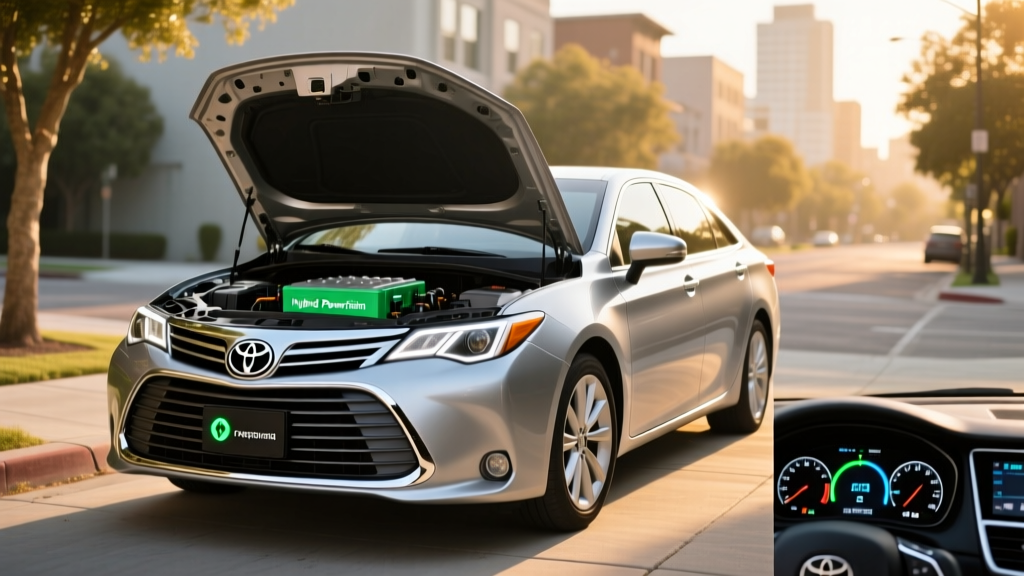
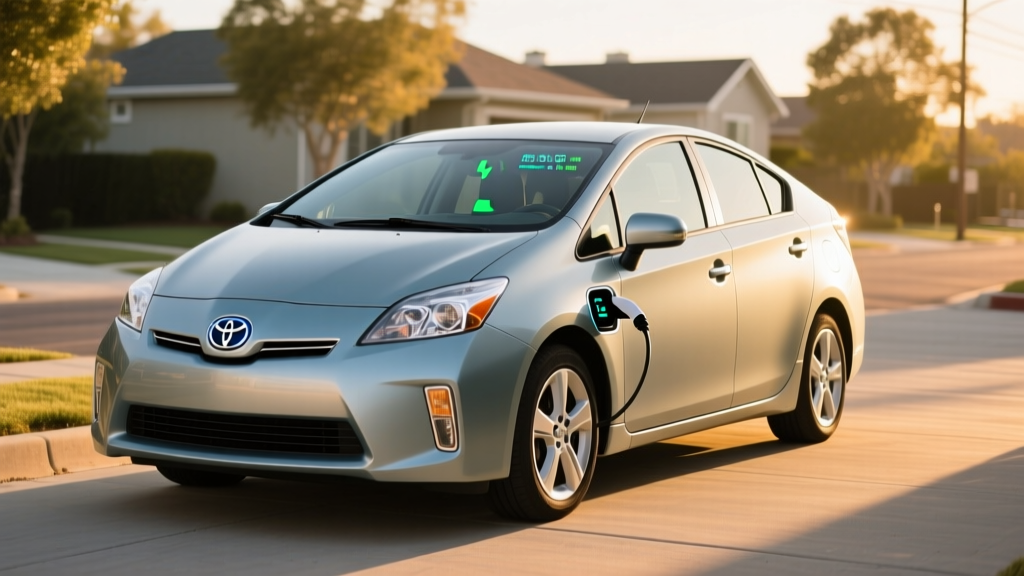
The 2012 Toyota Prius Plug-In Hybrid (often called the Prius PHV) was Toyota's first mass-market attempt at bridging a conventional hybrid with plug-in electric capability. Sold in limited U.S. markets starting in early 2012, it offered roughly 11 miles of electric-only driving before its gasoline engine kicked in — a modest figure by today's standards, but genuinely useful for short commutes. In 2026, this car only exists on the used market, and its value proposition hinges almost entirely on one question: how healthy is the high-voltage battery?
If you're considering a 2012 Prius Plug-In as a budget commuter or second car, this guide covers the real-world fuel economy, electric range, battery longevity concerns, and ownership economics you need before signing any paperwork.
HEV vs. PHEV: What the 2012 Prius Plug-In Actually Is
Toyota sold two distinct Prius variants around this era, and buyers frequently confuse them:
Conventional Prius (HEV)
The standard 2012 Prius is a self-charging hybrid. It cannot be plugged in. Its small battery recharges via regenerative braking and the gasoline engine. EPA-rated at 50 MPG combined, it has no electric-only driving range to speak of — the electric motor assists the engine but cannot propel the car alone at meaningful speeds for any distance.
Prius Plug-In Hybrid (PHEV)
The 2012 Prius Plug-In adds a larger 4.4 kWh lithium-ion battery and a charge port (J1772 connector). You can plug it into a standard 120V outlet or a 240V Level 2 charger. It delivers approximately 11 miles of electric-only range at speeds up to about 62 mph before the 1.8L gasoline engine engages, after which it operates as a conventional hybrid.
This distinction matters enormously for used buyers: a PHEV's value depends on its ability to drive on electricity, while a standard HEV's value depends purely on its hybrid fuel economy. They are fundamentally different ownership experiences.
Fuel Economy & Electric Range: The Numbers
| Metric | EPA Rating | Real-World Expectation |
|---|---|---|
| Combined MPGe (EV + gas) | 95 MPGe | 85–100 MPGe (depends on plug-in frequency) |
| Gas-only combined MPG | 50 MPG | 46–52 MPG (city-favored; highway drops to ~44) |
| City MPG (gas-only) | 51 MPG | 48–54 MPG (hybrids often beat EPA in stop-and-go) |
| Highway MPG (gas-only) | 49 MPG | 43–47 MPG (aerodynamic drag hurts at 70+ mph) |
| Electric-only range | 11 miles | 8–11 miles (7–9 in cold weather or at highway speed) |
| Total combined range | ~540 miles | ~480–530 miles with full tank + full charge |
According to fueleconomy.gov, the 2012 Prius Plug-In achieves 95 MPGe when factoring in electric driving. But that figure assumes you're charging regularly. If you never plug it in, you're simply driving a slightly heavier conventional Prius and should expect roughly 48–50 MPG combined — essentially identical to the standard HEV.
Real-world EV range reality: The EPA-rated 11 electric miles assumes moderate temperatures and mixed driving. In our experience with early PHEVs of this era, expect 8–9 miles of usable EV range in winter conditions (below 40°F) and 10–11 miles in mild weather. Highway driving at 65+ mph depletes the battery noticeably faster than city stop-and-go, where regenerative braking recaptures energy.
Battery, Powertrain & Charging Specifications
| Specification | 2012 Prius Plug-In Hybrid |
|---|---|
| Battery capacity | 4.4 kWh lithium-ion (usable ~3.1 kWh) |
| Battery chemistry | Lithium-ion (NMC-type) |
| Electric motor output | 60 kW (80 hp) |
| Gasoline engine | 1.8L 4-cylinder Atkinson cycle, 98 hp |
| Combined system horsepower | 134 hp (net) |
| 0–60 mph | ~9.8 seconds |
| Charge port | J1772 (Level 1 / Level 2 AC only) |
| DC fast charging | Not supported |
| Level 1 charge time (120V) | ~2.5–3 hours (0 to full) |
| Level 2 charge time (240V) | ~1.5 hours (0 to full) |
| EV-only top speed | ~62 mph |
| Cargo volume | 21.6 cu ft (rear seats up) |
The 4.4 kWh battery pack is small by modern PHEV standards — for comparison, the 2025 Prius Prime carries an 11.3 kWh pack yielding 44 miles of EV range. But the 2012 model's pack was purpose-built for short errands and commute segments, not full electric driving.
Charging is AC-only via the J1772 connector standard on all non-Tesla EVs of that era. There is no DC fast-charge capability. At Level 1 (a standard household 120V outlet), a full charge takes roughly 2.5 to 3 hours — practical for overnight charging. A 240V Level 2 station cuts that to about 90 minutes.
Battery Health, Degradation & Replacement Cost
Original Battery Warranty
Toyota warranted the 2012 Prius Plug-In's hybrid battery for 8 years / 100,000 miles (extended to 10 years / 150,000 miles in California and states adopting CARB emissions standards). That warranty has now expired on every 2012 model regardless of mileage.
This is the single most important factor for any used 2012 Prius PHEV purchase. The lithium-ion pack is now 13–14 years old. Even with low mileage, calendar aging degrades battery capacity. Owners of early Prius Plug-Ins have reported EV range dropping from the original 11 miles to 6–8 miles after a decade of use. Some units have held up better, particularly in moderate climates, but you should budget for eventual battery service.
Battery replacement cost: A new OEM replacement battery from Toyota typically runs $3,500–$5,000 including labor at a dealership. Independent hybrid specialists and refurbished battery options can bring this down to $1,800–$3,000. Some shops offer individual module replacement (only swapping degraded cells) for $800–$1,500, though results vary.
Pre-purchase advice: Before buying, have the battery's State of Health (SoH) checked using an OBD-II scanner with hybrid-specific software (such as the Dr. Prius app or Toyota's Techstream). A pack showing less than 70% capacity retention is a negotiation point or a dealbreaker, depending on the asking price.
Pricing, Tax Credits & Ownership Economics
When new, the 2012 Prius Plug-In started at approximately $32,000 MSRP before a $7,500 federal tax credit and various state incentives (California offered an additional $1,500 CVRP rebate and HOV lane access). That credit is long gone for this vehicle.
Used market pricing (early 2026): Expect to pay $6,000–$11,000 depending on mileage, condition, battery health, and region. Lower-mileage examples with documented battery health checks command the top of that range. High-mileage cars or those with degraded EV range cluster around $6,000–$8,000.
Federal tax credit status: The 2012 Prius Plug-In does not qualify for the current IRS §30D new clean vehicle credit — it is a used vehicle. However, it may qualify for the Used Clean Vehicle Credit (§25E), which provides up to $4,000 or 30% of the sale price (whichever is lower) if all of the following are met:
- The vehicle is purchased from a licensed dealer (not a private party)
- The sale price is $25,000 or less (virtually all 2012 Prius PHEVs qualify)
- The buyer's adjusted gross income is ≤ $75,000 (single) / $112,500 (head of household) / $150,000 (joint)
- The vehicle is at least 2 model years old (a 2012 model easily qualifies)
- The buyer has not claimed the used EV credit in the prior 3 years
At a typical $8,000 sale price, the 30% calculation yields a $2,400 credit. Consult a tax professional to confirm eligibility, as IRS rules are subject to change and individual circumstances vary.
Reliability & Common Issues
The 2012 Prius Plug-In inherits the third-generation Prius platform's strong reliability record. The 1.8L 2ZR-FXE Atkinson-cycle engine and Toyota's Hybrid Synergy Drive powertrain are among the most proven electrified systems ever mass-produced. Taxis and fleet vehicles have logged 300,000+ miles on this platform.
Known issues to inspect:
- Hybrid battery degradation — as discussed above; the primary concern
- EGR (exhaust gas recirculation) valve clogging — common on 2010–2015 Prius engines; causes rough idle and can lead to head gasket failure if ignored. Cleaning or replacement costs $200–$500
- Brake actuator assembly — some third-gen Prius models experienced premature wear in the regenerative braking actuator. Replacement runs $1,200–$2,000 at a dealer
- 12V auxiliary battery — like all hybrids, the Prius has a standard 12V battery that powers electronics. It typically lasts 4–6 years and costs $200–$350 to replace
- Inverter coolant pump — check for recalls and service history; failure can disable the hybrid system
Overall, a well-maintained 2012 Prius Plug-In with a healthy high-voltage battery remains one of the most dependable and economical vehicles on the road. The NHTSA gave it a 4-star overall safety rating.
Who Should Buy the 2012 Prius PHEV (and Who Shouldn't)
Choose the 2012 Prius Plug-In if:
- Your daily commute is under 15 miles round-trip and you can charge at home or work
- You want a cheap, reliable commuter with the option of electric driving for short trips
- You need a car that can also handle long road trips without range anxiety
- You're in a state with CARB extended warranty coverage and the battery has been recently replaced or tested healthy
- Your budget is under $10,000 and you want maximum fuel efficiency per dollar
Look elsewhere if:
- You want meaningful electric-only range — consider a used 2017+ Prius Prime (25–44 EV miles)
- You cannot charge at home or work — without plugging in, the PHEV advantage disappears
- You need a modern infotainment system, Apple CarPlay, or advanced driver-assist features
- The battery shows significant degradation and you're unwilling to budget $2,000–$5,000 for replacement
- You'd prefer a full EV — a used Nissan Leaf, Chevy Bolt, or Tesla Model 3 offers 150+ miles of range for $12,000–$18,000
Hybrid vs. PHEV vs. Full EV: Which Fits You?
| Factor | Conventional Hybrid (HEV) | Plug-In Hybrid (PHEV) | Battery Electric (BEV) |
|---|---|---|---|
| Plug in required? | No | Optional but recommended | Yes — always |
| Electric-only range | ~0 miles | 11 miles (2012 PHEV) | 150–400+ miles |
| Best for | No home charging access | Short commutes + occasional road trips | Home charging + daily driving under 300 mi |
| Maintenance cost | Low | Low–moderate | Lowest (no oil changes, fewer moving parts) |
| Fuel cost per mile | ~$0.08–$0.10 | ~$0.03–$0.08 (varies by plug-in frequency) | ~$0.03–$0.05 (home charging) |
| Used 2012 price range | $5,000–$9,000 | $6,000–$11,000 | N/A (few 2012 BEVs available) |
Pros & Cons
Pros
- Proven Toyota hybrid reliability with massive service network
- 50 MPG gas-only means no range anxiety on road trips
- 11 EV miles covers many short commutes emission-free
- Charges on any standard 120V outlet — no special equipment needed
- Low insurance costs and widely available replacement parts
- May qualify for up to $2,400 used clean vehicle tax credit
Cons
- Only 11 miles of EV range (8–9 in cold weather)
- High-voltage battery is 13+ years old — replacement likely needed soon
- No DC fast charging capability
- Dated interior with no modern safety tech (no AEB, no lane-keep)
- Slow acceleration (9.8s to 60 mph) — adequate but not confident for highway merging
- Original hybrid battery warranty fully expired
Frequently Asked Questions
How many MPG does the 2012 Toyota Prius Plug-In get?
The EPA rates it at 95 MPGe when using both electric and gasoline power, and 50 MPG combined (51 city / 49 highway) in gas-only hybrid mode. Real-world results typically match or slightly exceed the city rating due to regenerative braking, while highway driving at 70+ mph often yields 43–47 MPG.
How far can the 2012 Prius Plug-In go on electric only?
The EPA-rated electric-only range is 11 miles. In real-world conditions, expect 8–11 miles depending on temperature, speed, and terrain. Cold weather (below 40°F) and sustained highway speeds above 60 mph reduce this to roughly 7–9 miles.
Is the 2012 Prius Plug-In reliable, and what does a battery replacement cost?
The powertrain is among the most reliable Toyota has ever built, with many examples exceeding 200,000 miles. The main risk is the aging lithium-ion battery pack. OEM replacement costs $3,500–$5,000 at a dealer, or $1,800–$3,000 through independent hybrid specialists using refurbished packs. Always check battery State of Health before purchasing.
Does the 2012 Prius Plug-In qualify for any tax credit in 2026?
It does not qualify for the new vehicle §30D credit. However, buyers may be eligible for the IRS §25E Used Clean Vehicle Credit — up to $4,000 or 30% of the purchase price (whichever is less) — if purchased from a dealer for $25,000 or less and the buyer meets income requirements. At typical used prices, this translates to roughly $1,800–$2,400. Verify with a tax professional and consult IRS guidance on the used vehicle credit.
Should I buy the 2012 Prius Plug-In or a newer Prius Prime?
If budget allows, the 2017–2023 Prius Prime offers 25 miles of EV range and a fresher battery. The 2024+ Prius Prime delivers 44 miles. But if you need a sub-$10,000 commuter and can verify battery health, the 2012 PHEV still delivers excellent fuel economy and Toyota reliability at a fraction of the cost.
Can I charge the 2012 Prius Plug-In at a public DC fast charger?
No. The 2012 Prius Plug-In only supports AC charging via the J1772 connector — Level 1 (120V) or Level 2 (240V). It has no DC fast-charge port and cannot use CCS or CHAdeMO stations. This is typical for PHEVs of this era, which have small batteries that don't require rapid charging.