The 2012 Toyota Prius in 2026: Still the Hybrid Benchmark?
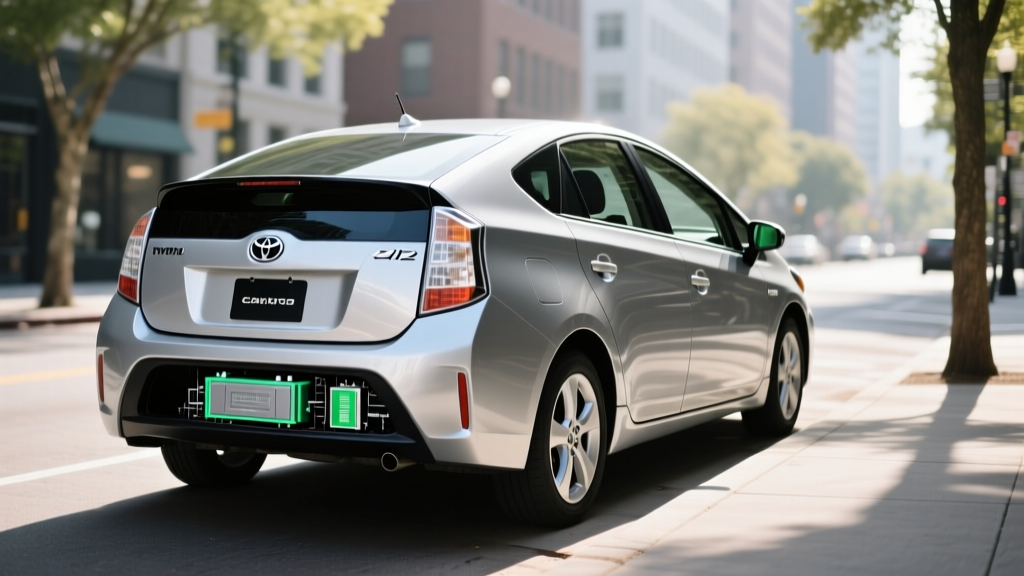
If you're searching for hybrid cars Toyota Prius 2012, you're likely evaluating one of the most consequential vehicles in automotive electrification history. The third-generation Prius (model years 2010–2015) remains one of the most common used hybrids on American roads, and for good reason: proven reliability, exceptional fuel economy, and parts availability that outpaces nearly every other hybrid from its era.
But buying a 14-year-old hybrid in 2026 raises legitimate questions. What's the real-world MPG after a decade-plus of battery aging? What does a hybrid battery replacement actually cost? And with modern EVs and new PHEVs now widely available, does a used 2012 Prius still earn its place in a driveway?
This guide covers the exact specifications, real-world efficiency data, battery longevity, and ownership economics you need to make that decision — no nostalgia, just numbers.
2012 Toyota Prius MPG: EPA Ratings vs. Real-World Efficiency
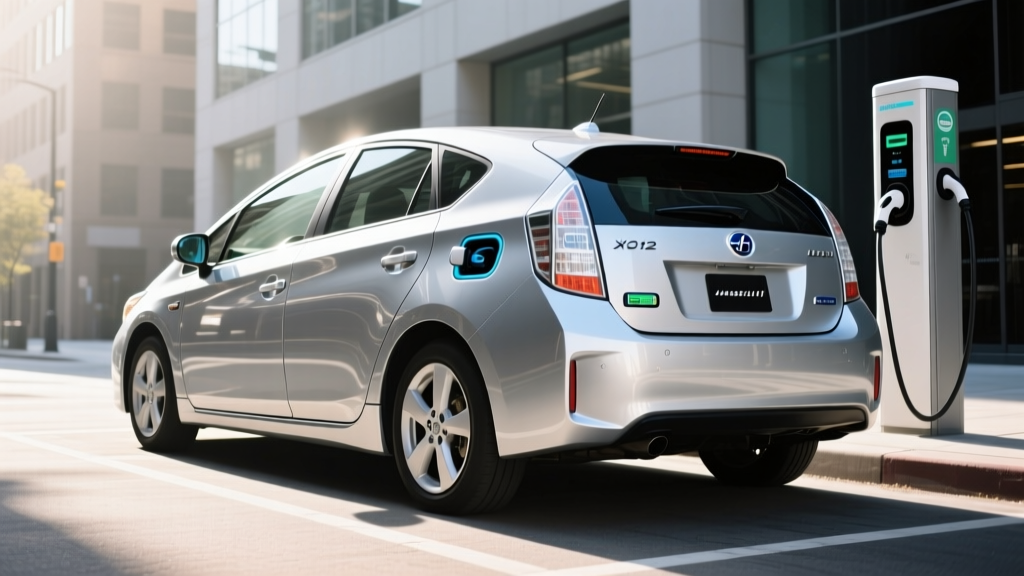
The 2012 Prius is a conventional hybrid electric vehicle (HEV) — meaning it generates all its own electricity through regenerative braking and its gasoline engine. You never plug it in. This is fundamentally different from a plug-in hybrid (PHEV), which we'll compare later.
| Metric | Value |
|---|---|
| Combined MPG | 50 MPG |
| City MPG | 51 MPG |
| Highway MPG | 48 MPG |
| Fuel Type | Regular Unleaded (87 octane) |
| Fuel Tank Capacity | 11.9 gallons |
| Total Range (EPA) | ~595 miles |
| Annual Fuel Cost (EPA est.) | ~$950 (15,000 mi/yr at $3.20/gal) |
Real-World MPG: What Owners Actually Report
The 2012 Prius is one of the rare vehicles where real-world city driving often matches or exceeds EPA estimates — a characteristic of Toyota's Hybrid Synergy Drive system, which leans heavily on electric-motor propulsion at low speeds.
- City driving (mixed traffic, 25–45 mph): 48–53 MPG is typical. Short trips in warm weather can push toward 55 MPG.
- Highway driving (65–75 mph sustained): Expect 42–46 MPG. The 1.8L Atkinson-cycle engine runs more at highway speeds, and aerodynamic drag reduces efficiency.
- Cold weather (below 35°F): 38–44 MPG combined. The engine runs more frequently to heat the cabin and keep the catalytic converter warm, and battery efficiency drops.
- High-mileage battery degradation effect: A 2012 Prius with its original hybrid battery at 150,000+ miles may see a 2–5 MPG reduction as the NiMH pack loses capacity. This is gradual and often masked by driving habit changes.
HEV vs. PHEV: Understanding the 2012 Prius Powertrain
The 2012 Prius is a conventional hybrid (HEV), not a plug-in hybrid (PHEV). Toyota did introduce the Prius Plug-in Hybrid for the 2012 model year, but it was a distinct model with different hardware. Here's the critical distinction:
| Attribute | 2012 Prius (HEV) | 2012 Prius Plug-in (PHEV) |
|---|---|---|
| Plug-in Charging | No — self-charging only | Yes — Level 1/Level 2 |
| Electric-Only Range | ~1 mile at very low speed | 11 miles (EPA EV mode) |
| Battery Chemistry | NiMH (Nickel-Metal Hydride) | Li-ion (Lithium-Ion) |
| Battery Capacity | 1.3 kWh (gross, ~0.6 usable) | 4.4 kWh (gross, ~2.6 usable) |
| Combined MPG (gas mode) | 50 MPG | 49 MPG (95 MPGe in EV mode) |
| DC Fast Charging | No | No |
| Level 2 Charge Time | N/A | ~1.5 hours (240V) |
| Level 1 Charge Time | N/A | ~3 hours (120V) |
For the remainder of this guide, we focus primarily on the standard 2012 Prius HEV, as it represents the vast majority of used listings. If you're looking at the Plug-in variant, the electric-only range of 11 miles was modest even for 2012 — today's PHEVs like the current Toyota RAV4 Prime deliver 42 miles of electric range.
Powertrain Specifications and Performance
| Specification | Value |
|---|---|
| Engine | 1.8L 4-cylinder Atkinson-cycle (98 HP @ 5,200 RPM) |
| Electric Motor | Permanent magnet AC synchronous (80 HP / 60 kW) |
| Combined Net Horsepower | 134 HP |
| Transmission | ECVT (electronically controlled continuously variable) |
| 0–60 MPH | 9.8 seconds |
| Drivetrain | Front-wheel drive |
| Curb Weight | 3,042 lbs (base) |
| Hybrid Battery Type | NiMH, 201.6V nominal, 1.3 kWh gross |
| Emissions Rating | SULEV (Super Ultra Low Emission Vehicle) |
The 134 combined horsepower figure is modest by 2026 standards, but the Prius powertrain's strength is torque delivery — the electric motor provides immediate low-end thrust, making the car feel more responsive in city driving than the 9.8-second 0–60 time suggests. The ECVT is not a belt-driven CVT; it's a planetary gearset (Toyota's Hybrid Synergy Drive) with no belts or cones to wear, contributing to long-term durability.
Hybrid Battery Longevity, Warranty, and Replacement Cost
This is the single most important consideration for anyone buying a 2012 Prius in 2026. The original hybrid battery warranty was:
8 years / 100,000 miles (10 years / 150,000 miles in CARB states: CA, CT, ME, MA, NJ, NY, OR, RI, VT, WA, and others adopting California emissions standards).
For a 2012 model in 2026: This warranty has expired for all vehicles regardless of mileage. Any battery failure is now an out-of-pocket expense unless covered by an extended warranty purchased separately.
How Long Do 2012 Prius Hybrid Batteries Actually Last?
The NiMH battery pack in the third-generation Prius has an extensive real-world track record:
- Typical lifespan: 150,000–220,000 miles before significant degradation or failure, based on aggregated owner reports and fleet data.
- Age-related degradation: Even with low mileage, NiMH cells degrade over time. A 14-year-old pack with only 80,000 miles may still be at risk due to calendar aging.
- Failure mode: NiMH packs rarely fail catastrophically. Instead, individual modules weaken, triggering a hybrid system warning light and reducing fuel economy by 5–15%. The car remains drivable.
- Taxi and rideshare data: Prius taxis have been documented reaching 300,000+ miles on original batteries in moderate climates, though these are high-cycle-use cases that keep the battery thermally active.
Battery Replacement Costs in 2026
| Option | Cost Range | Warranty | Notes |
|---|---|---|---|
| New OEM Toyota Battery | $2,200–$2,800 (parts + labor) | 1 year / unlimited miles | Available through Toyota dealers; most expensive but most reliable |
| Refurbished/Reconditioned Pack | $800–$1,400 (parts + labor) | 1–3 years (varies by vendor) | Replace weak modules; quality varies significantly by provider |
| Aftermarket New Pack (e.g., Green Bean Battery) | $1,400–$1,900 (parts + labor) | Up to 3 years | New NiMH modules in compatible housing; solid middle ground |
| Individual Module Replacement | $300–$600 (parts + labor) | None or minimal | Replace only bad cells; requires diagnosis and expertise; temporary fix |
| Junkyard/Salvage Pack | $300–$700 (parts + labor) | 30–90 days | Highest risk; unknown remaining life |
At current market values for a 2012 Prius (typically $5,000–$9,000 depending on mileage and condition), a full OEM battery replacement can represent 25–50% of the vehicle's value. This is the critical economic calculation for any buyer.
Pricing, Tax Credits, and Total Cost of Ownership
Used Market Pricing (2026)
The 2012 Prius trades in the used market at roughly the following ranges:
- High mileage (140,000+ miles), fair condition: $4,000–$6,000
- Average mileage (90,000–140,000), good condition: $6,000–$8,500
- Low mileage (under 90,000), excellent condition: $8,500–$11,000
Tax Credit Eligibility
The 2012 Prius does not qualify for the federal §30D new clean vehicle tax credit — that credit applies only to new vehicle purchases. However, if purchased from a licensed dealer, it may be eligible for the used clean vehicle credit under IRC §25E:
- Credit amount: 30% of sale price, up to $4,000 maximum
- Vehicle price cap: Sale price must be $25,000 or less (the 2012 Prius easily qualifies)
- Vehicle age requirement: Must be at least 2 model years old (2012 qualifies)
- Buyer income caps (2026): $75,000 single / $112,500 head of household / $150,000 joint filers (based on modified AGI)
- Dealer requirement: Must be purchased from a licensed dealer, not a private party
- First use rule: You must be the first person to use the vehicle after purchase (cannot buy, sell, and rebuy)
- Lifetime limit: One used-EV credit per buyer every 3 years
For a $7,000 dealer-purchased 2012 Prius, the 30% calculation yields $2,100 — that's your potential credit. Always verify current eligibility at IRS.gov and consult a tax professional before relying on credit assumptions.
5-Year Total Cost of Ownership Estimate
| Category | 5-Year Total | Notes |
|---|---|---|
| Purchase Price | $7,000 | Before any tax credit |
| Fuel (gasoline) | $4,750 | 50 MPG avg, $3.20/gal avg |
| Insurance | $4,500 | $900/yr avg (varies significantly by state/driver) |
| Maintenance | $2,500 | Oil changes, brakes, tires, fluids |
| Potential Battery Replacement | $1,500 | Budget reserve for refurb/aftermarket pack |
| Depreciation | $2,500 | Estimated resale ~$4,500 after 5 years |
| Total (before tax credit) | $22,750 | ~$4,550/year or $0.38/mile |
| After Used Clean Vehicle Credit | $20,650 | If eligible for $2,100 credit |
Reliability, Safety, and Common Issues
The third-generation Prius (2010–2015) carries a strong reliability reputation, but it's not without known issues that any 2026 buyer should inspect:
Known Issues to Check
- Head gasket concerns (EGR-related): The 1.8L 2ZR-FXE engine can develop head gasket issues above 150,000 miles, often linked to clogged EGR (exhaust gas recirculation) passages. A clean EGR system and regular coolant changes mitigate this. Repair cost: $1,500–$3,000.
- Oil consumption: Some 2010–2014 Prius engines consume oil at higher-than-expected rates. Check oil level regularly; consumption above 1 quart per 1,000 miles warrants attention.
- Brake actuator recall: Toyota issued recalls for brake actuator assemblies on some 2010–2015 Prius vehicles. Verify recall completion at a Toyota dealer using the VIN.
- Inverter coolant pump: A known wear item that can fail between 100,000–150,000 miles. Check for inverter coolant flow (visible in the reservoir when the car is on). Replacement: $300–$600.
- 12V auxiliary battery: The small 12V battery (in the rear cargo area) typically lasts 4–6 years. A weak 12V battery causes bizarre electrical symptoms that mimic hybrid system failures. Replacement: $200–$350.
Safety Ratings
The 2012 Prius earned the following ratings from NHTSA:
- Overall: 4 out of 5 stars
- Frontal crash: 4/5 stars
- Side crash: 5/5 stars
- Rollover: 4/5 stars
Standard safety features include stability control, anti-lock brakes, seven airbags, and a tire pressure monitoring system. Toyota Safety Sense (pre-collision, lane departure, auto high beams) was not available on the 2012 model — that suite was introduced in later generations.
2012 Prius vs. Modern Alternatives: HEV, PHEV, or Full EV?
The decision between a used 2012 Prius and a modern electrified vehicle depends on your driving pattern, budget, and charging access:
| Factor | 2012 Prius (Used HEV) | New PHEV (e.g., 2026 Prius Prime) | New BEV (e.g., 2026 Chevy Equinox EV) |
|---|---|---|---|
| Upfront Cost | $5,000–$9,000 | $33,000–$40,000 | $33,000–$43,000 |
| Fuel/Energy Cost per Mile | ~$0.064 | ~$0.03 (electric) / $0.07 (gas) | ~$0.035 (electric) |
| Home Charging Needed? | No | Recommended (Level 2) | Required (Level 2 ideal) |
| EPA Range / Efficiency | 50 MPG / ~595 mi range | 44 mi EV + 48 MPG gas / 440+ mi total | 315 mi EPA range |
| Federal Tax Credit | Up to $4,000 (used) | Up to $7,500 (new, if eligible) | Up to $7,500 (new, if eligible) |
| Maintenance Cost | Moderate (aging vehicle) | Low (under warranty) | Very low (fewer wear items) |
| Battery Risk | High (out of warranty) | None (10-yr warranty) | None (8-yr warranty) |
- Choose the 2012 Prius if: Your budget is under $10,000, you drive primarily in the city, you lack home charging access, and you can budget $1,500–$2,500 for a potential battery replacement.
- Choose a new PHEV (like the 2026 Prius Prime) if: You want electric-only commuting (40+ miles), have home Level 2 charging, want full warranty coverage, and qualify for the §30D new vehicle credit.
- Choose a full BEV if: You have reliable home charging, drive under 250 miles daily, want minimal maintenance, and want to eliminate gasoline entirely.
- Choose a gas car instead if: You drive under 6,000 miles per year (fuel savings won't offset hybrid premiums), you lack access to hybrid-qualified mechanics, or you need towing capacity.
Pre-Purchase Checklist for a Used 2012 Prius
Before committing to a 2012 Prius, perform or commission these checks:
- Hybrid battery health check: Use an OBD-II scanner with Toyota hybrid-compatible software (e.g., Techstream, Dr. Prius app) to read individual battery module voltages. Delta voltage spread above 0.3V between modules signals degradation.
- EGR system inspection: Ask a mechanic to check EGR cooler and valve for carbon buildup. A clogged EGR system is the leading cause of head gasket failure on this engine.
- Recall verification: Enter the VIN at NHTSA.gov/recalls to confirm all open recalls (especially brake actuator and cable) have been completed.
- Inverter coolant flow check: With the vehicle ON (ready to drive, not just accessory mode), open the hood and check the inverter coolant reservoir — you should see visible fluid turbulence, indicating the pump is working.
- Oil consumption test: Check the dipstick. If the oil level is low, ask the owner how frequently they add oil. Consumption above 1 quart per 2,000 miles is a concern.
- 12V battery age: Check the date sticker on the 12V battery in the cargo area. If it's over 5 years old, budget for immediate replacement.
Frequently Asked Questions
How many MPG does the 2012 Toyota Prius actually get?
The EPA rates the 2012 Prius at 51 city / 48 highway / 50 combined MPG. In real-world ownership, most drivers report 46–52 MPG in mixed driving. City-heavy routes tend to yield higher numbers (up to 54 MPG), while sustained highway driving at 75+ MPH drops to 40–44 MPG. Cold weather below freezing typically reduces efficiency by 10–15%.
Does the 2012 Prius need to be plugged in?
No. The standard 2012 Prius is a conventional hybrid (HEV) that charges its own battery through regenerative braking and the gasoline engine. You never plug it in. The separate 2012 Prius Plug-in Hybrid model does accept a plug, but it's a different vehicle with a larger Li-ion battery and 11 miles of electric-only range.
Is the 2012 Prius reliable, and what does a battery replacement cost?
The 2012 Prius is among the most reliable vehicles Toyota has produced, with many examples exceeding 200,000 miles with basic maintenance. The primary cost concern is the hybrid battery: OEM replacement runs $2,200–$2,800, while refurbished packs cost $800–$1,400. The original NiMH battery typically lasts 150,000–220,000 miles. Other known issues include EGR-related head gasket wear (above 150K miles) and inverter coolant pump failure.
Does the 2012 Prius qualify for any tax credit in 2026?
The 2012 Prius does not qualify for the new vehicle §30D credit. However, if purchased from a licensed dealer for $25,000 or less, it may qualify for the used clean vehicle credit (§25E): 30% of the sale price up to $4,000, subject to buyer income limits ($75K single / $150K joint). A $7,000 Prius could yield a $2,100 credit. Verify rules at IRS.gov and consult a tax professional.
Should I buy a 2012 Prius or a newer hybrid?
It depends on budget and risk tolerance. A 2012 Prius at $6,000–$8,000 offers outstanding value per dollar if the hybrid battery is healthy and you can budget for eventual replacement. A new 2026 Prius starts around $28,000 and delivers 57 MPG with a full 10-year hybrid battery warranty — better efficiency and zero battery risk, but at 3–4× the cost. If cash flow is tight and you need transportation now, the 2012 is a defensible choice with proper pre-purchase inspection.
What's the difference between the 2012 Prius and the Prius V or Prius C?
Toyota sold three Prius variants in 2012: the standard Prius (mid-size liftback, 50 MPG), the Prius V (larger wagon body, 42 MPG combined), and the Prius C (subcompact, 50 MPG, less power). The standard Prius offers the best balance of space and efficiency. The Prius V suits families needing cargo room. The Prius C is the most affordable but feels notably slower and smaller.