The 2012 Kia Optima Hybrid Sedan in 2026: Still Worth It?
If you're searching for a 2012 Kia Optima Hybrid sedan on the used market in 2026, you're likely weighing budget-friendly fuel savings against the risk of a 14-year-old hybrid powertrain. Kia's first hybrid midsize sedan was a significant launch for the brand — pairing a 2.4-liter four-cylinder with an electric motor sandwiched into a six-speed automatic transmission. Unlike the CVT-based systems in the Toyota Camry Hybrid or Ford Fusion Hybrid of the same era, Kia opted for a traditional stepped gearbox, which delivers a more familiar driving feel at a slight efficiency cost.
This guide breaks down the exact fuel economy figures, real-world MPG expectations, battery longevity, replacement costs, and whether the 2012 Optima Hybrid still makes financial sense compared to a modern used EV, a newer PHEV, or a conventional gas sedan.
EPA Fuel Economy and Real-World MPG
The EPA rated the 2012 Kia Optima Hybrid at 35 MPG city / 39 MPG highway / 36 MPG combined — though some model-year documentation lists 34/39/35 depending on trim and testing revision. Per fueleconomy.gov, the combined figure is 36 MPG for the base trim.
| Metric | EPA Estimate | Real-World Expectation |
|---|---|---|
| City MPG | 35 MPG | 37–42 MPG |
| Highway MPG | 39 MPG | 34–37 MPG |
| Combined MPG | 36 MPG | 35–39 MPG |
| Annual Fuel Cost* | ~$1,550 | ~$1,400–$1,650 |
*Based on 15,000 miles/year, 55% city / 45% highway, at $3.40/gallon regular unleaded (2026 national average estimate).
Why Real-World City MPG Often Exceeds the EPA Sticker
Hybrids shine in stop-and-go traffic. The 2012 Optima Hybrid's regenerative braking system recaptures kinetic energy during deceleration, recharging the 1.4 kWh lithium-polymer battery pack. In city driving with frequent stops, the electric motor handles more of the workload, and the gasoline engine shuts off at idle. Owners consistently report 38–42 MPG on city commutes — sometimes beating the EPA city rating by 5–7 MPG.
Highway driving tells a different story. At sustained speeds above 65 mph, the electric motor contributes less and aerodynamic drag dominates. Expect 34–37 MPG on highway-heavy commutes. In cold weather (below 35°F), fuel economy drops an additional 5–10% because the engine runs more frequently to maintain cabin heat and battery temperature.
Powertrain Specifications
The 2012 Optima Hybrid uses a parallel hybrid architecture — the gasoline engine and electric motor can drive the wheels independently or together through a conventional six-speed automatic transmission.
| Component | Specification |
|---|---|
| Gasoline Engine | 2.4L inline-4, 169 HP / 156 lb-ft |
| Electric Motor | 30 kW (40 HP) / 151 lb-ft |
| Combined System Output | 206 HP / 195 lb-ft |
| Transmission | 6-speed automatic (no CVT) |
| Hybrid Battery | 1.4 kWh lithium-polymer (Li-Po) |
| Drivetrain | Front-wheel drive |
| 0–60 MPH | ~8.7 seconds |
| Curb Weight | 3,496 lbs |
The combined 206 HP output was competitive for the 2012 midsize sedan segment, though the added 130+ pounds of hybrid hardware gives it a slightly heavier feel than the non-hybrid 2.4L Optima. The six-speed automatic avoids the "rubber-band" sensation of Toyota's eCVT, but the trade-off is less seamless transitions between electric and gas power — you may notice a brief hesitation during certain acceleration requests as the system decides whether to engage the engine.
HEV vs PHEV vs EV: Where Does This Optima Fit?
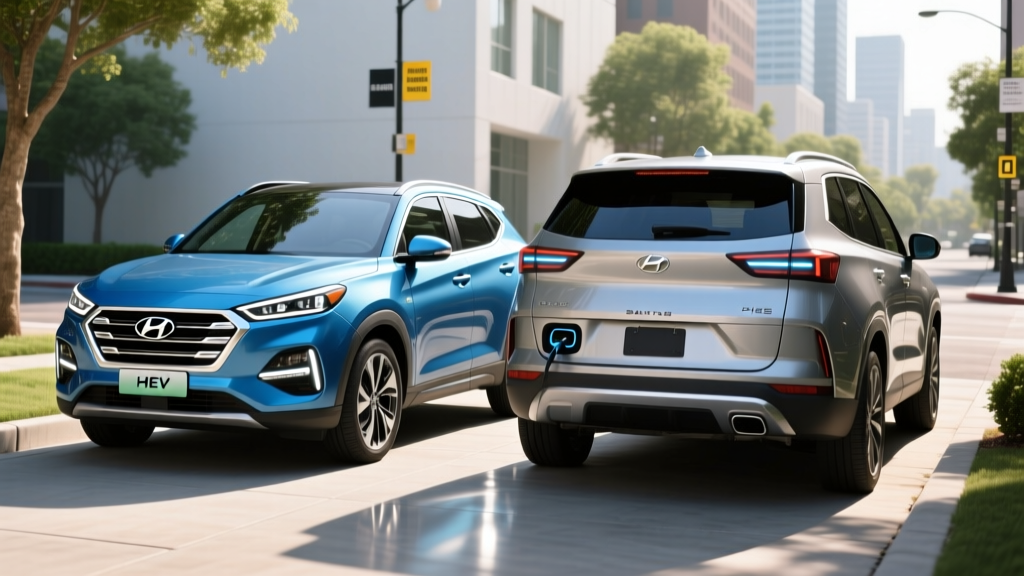
The 2012 Kia Optima Hybrid is a conventional hybrid electric vehicle (HEV) — it does not plug in. Kia did not offer a plug-in hybrid (PHEV) version of the Optima until the 2017 model year. Here's how the three electrified categories compare for a used-car buyer in 2026:
HEV vs PHEV vs BEV — Quick Comparison
| Factor | HEV (This Car) | PHEV | BEV (Full EV) |
|---|---|---|---|
| Plugs in? | No | Yes (Level 1/2) | Yes (Level 1/2/DC) |
| Electric-Only Range | ~1 mile at low speed | 20–45 miles (typical) | 200–400+ miles |
| Gas Required? | Yes, always | Yes, for longer trips | No |
| Home Charging Needed? | No | Recommended | Essential |
| Federal Tax Credit (Used) | None | Up to $4,000 (§25E) | Up to $4,000 (§25E) |
| 2026 Used Price Range | $5,000–$8,500 | $12,000–$25,000+ | $10,000–$30,000+ |
Who Should Choose the 2012 Optima Hybrid?
Choose this HEV if: You want better fuel economy without changing your habits. No charging infrastructure is needed — just fill up at any gas station. The purchase price is low, and the mechanical complexity is modest. It's ideal for apartment dwellers who can't install a charger, or as a secondary car for a mixed-fleet household.
Look at a used PHEV instead if: Your daily commute is under 30 miles and you have access to a standard 120V outlet at home or work. A PHEV like the 2017+ Optima PHEV or a used Chevy Volt lets you drive most days on electricity alone while keeping gas for road trips.
Consider a used BEV if: You have reliable home Level 2 charging, your daily driving is under 200 miles, and you want to eliminate gas purchases entirely. A 2018–2020 Chevy Bolt or Nissan LEAF can often be found in the $10,000–$15,000 range and may qualify for the §25E used EV tax credit (up to $4,000 for qualifying vehicles under $25,000).
Hybrid Battery Longevity and Replacement Cost
How Long Do These Batteries Actually Last?
Kia's 1.4 kWh lithium-polymer pack is relatively small and operates within a conservative state-of-charge window (roughly 25%–80% usable). This shallow-cycling approach reduces stress on the cells. Based on owner reports and hybrid battery degradation data from this generation:
- 100,000–150,000 miles: Most packs show 10–15% capacity loss. Fuel economy degrades slightly but the car remains fully functional.
- 150,000–200,000 miles: Some packs develop weak cells. The system may throw a P0A80 or similar hybrid battery diagnostic code, triggering limp mode or a check-engine light.
- 200,000+ miles: Battery replacement becomes likely if the original pack is still installed.
Battery Replacement Costs in 2026
| Option | Estimated Cost | Notes |
|---|---|---|
| OEM New (Kia Dealer) | $3,500–$5,000 | Includes labor; may require ordering |
| Refurbished / Remanufactured | $1,800–$2,800 | Third-party suppliers; 1–3 year warranty |
| Used / Salvage Yard | $800–$1,500 | Risk of similar degradation; no warranty |
| Individual Cell Replacement | $500–$1,200 | Specialist hybrid shops only; labor-intensive |
Before purchasing any 2012 Optima Hybrid, request a hybrid battery health report from a Kia dealer or qualified hybrid shop. A scan tool can read individual cell voltages — if any cell deviates more than 0.2V from the pack average under load, the battery is approaching end of life. Factor a potential $2,000–$3,500 replacement into your total budget if the pack hasn't been replaced.
Tax Credits and Incentives
The 2012 Kia Optima Hybrid does not qualify for the federal §30D new vehicle tax credit — that credit was never applicable to this model, as it did not meet the battery capacity threshold (minimum 4 kWh for the old credit, now 7 kWh under current rules).
For used purchases in 2026, the §25E used clean vehicle credit also does not apply. Per IRS guidelines, the §25E credit requires the vehicle to be a plug-in electric vehicle (PHEV or BEV) with a battery capacity of at least 7 kWh. The 2012 Optima Hybrid's 1.4 kWh pack falls far short of this requirement.
- §30D New Vehicle Credit: Not eligible (non-plug-in, below 7 kWh)
- §25E Used Vehicle Credit: Not eligible (non-plug-in, below 7 kWh)
- State/Local Incentives: Generally not eligible — most state programs require plug-in capability
- HOV Lane Access: Expired or unavailable in most states for non-plug-in hybrids
The financial case for the 2012 Optima Hybrid rests entirely on fuel savings, not incentives. At 36 MPG combined versus a comparable non-hybrid 2012 Optima (24 MPG combined), you'd save approximately $600–$750 per year in fuel costs driving 15,000 miles annually at $3.40/gallon.
Reliability and Common Issues
The 2012 Optima Hybrid received average reliability ratings from major evaluators. The hybrid-specific components (battery, inverter, electric motor) have proven reasonably durable, but several non-hybrid issues carry over from the standard Optima:
- Hybrid battery degradation (as detailed above) is the primary age-related concern.
- Hybrid system cooling fan: Located behind the rear seat, this fan can accumulate dust and fail, leading to battery overheating warnings. Replacement: $200–$400.
- Theta II engine concerns: The 2.4L engine in this generation was part of Kia/Hyundai's Theta II family, which had known connecting-rod bearing issues. While the hybrid version operates under different load profiles, verify that any engine-related recalls (including the NHTSA knock-sensor recall campaign) have been completed.
- Brake actuator: The regenerative brake system uses an electric actuator that can develop faults around 120,000–160,000 miles. Replacement: $800–$1,400.
- 12V auxiliary battery: Like all hybrids, the 12V battery can fail independently of the hybrid pack. If the car won't start or shows electrical gremlins, check the 12V first.
Pros
- 36 MPG combined with no plug-in required
- Real-world city MPG often exceeds EPA (38–42)
- Low used purchase price ($5K–$8.5K)
- Conventional 6-speed auto (no CVT drone)
- Spacious midsize sedan cabin and trunk
- Competitive 206 HP combined output
Cons
- Original hybrid battery warranty has expired
- Battery replacement can cost $2,000–$5,000
- No federal or state tax credits available
- Highway MPG (34–37 real-world) less impressive
- Theta II engine recall history — verify completion
- Hybrid system transitions can feel less smooth than Toyota
- No electric-only driving beyond very low speeds
Frequently Asked Questions
How many MPG does the 2012 Kia Optima Hybrid get?
The EPA rates it at 35 city / 39 highway / 36 combined MPG. In real-world driving, expect 37–42 MPG in city conditions (where regenerative braking helps most) and 34–37 MPG on the highway. Cold weather reduces these figures by 5–10%.
Can I plug in the 2012 Kia Optima Hybrid to charge?
No. This is a conventional hybrid (HEV), not a plug-in hybrid (PHEV). The 1.4 kWh battery recharges exclusively through regenerative braking and the gasoline engine. You never plug it in — just fill up at a gas station like any other car.
Is the 2012 Kia Optima Hybrid reliable?
It has average reliability for its era. The hybrid powertrain components are generally durable, but the Theta II 2.4L engine had known bearing issues — confirm all NHTSA recalls were performed. The hybrid battery is the main age-related risk: at 14 years old, original packs are near end-of-life and may need a $2,000–$5,000 replacement. Always get a pre-purchase hybrid battery health scan.
Does the 2012 Kia Optima Hybrid qualify for any tax credit?
No. It does not qualify for the federal §30D new vehicle credit or the §25E used clean vehicle credit, because it is not a plug-in vehicle and its 1.4 kWh battery is far below the 7 kWh minimum. State hybrid incentives have largely expired or never applied to this model.
How does it compare to a 2012 Toyota Camry Hybrid?
The 2012 Camry Hybrid is rated at 41 MPG combined — 5 MPG better than the Optima Hybrid — thanks to Toyota's more mature eCVT system and larger battery buffer. However, the Camry Hybrid typically costs $1,500–$3,000 more on the used market. If maximum MPG is your priority, the Camry wins. If you prefer a more conventional driving feel and a lower purchase price, the Optima Hybrid is a reasonable alternative.
What should I check before buying a used 2012 Optima Hybrid?
Prioritize these four items: (1) A hybrid battery health scan showing cell voltage balance; (2) confirmation that all Theta II engine recalls were completed (check via NHTSA VIN lookup); (3) the condition of the hybrid cooling fan behind the rear seat; and (4) brake actuator function during a test drive — listen for unusual grinding or delayed brake engagement.