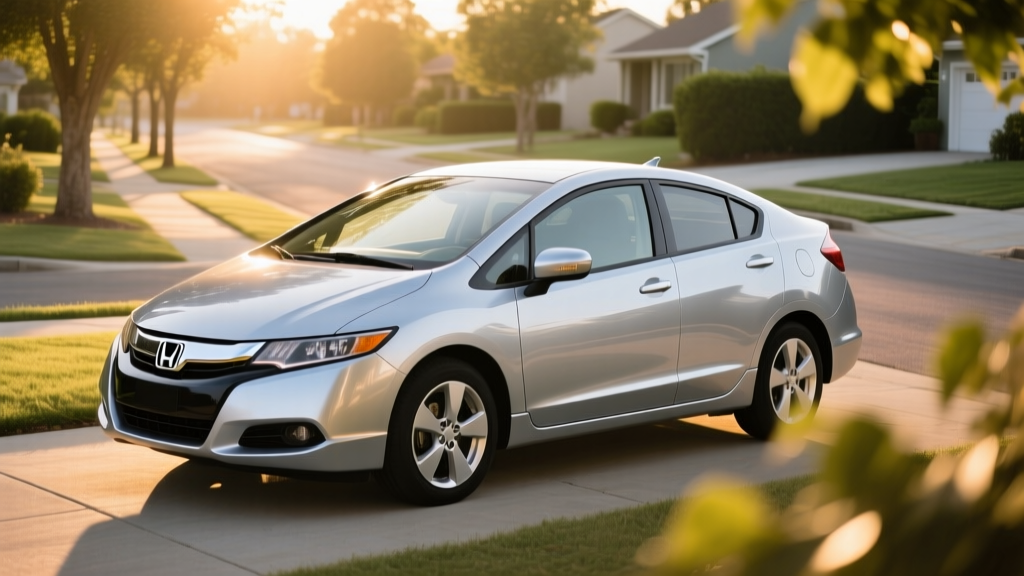
The 2012 Honda Insight occupies a specific corner of the used-hybrid market: it's one of the most affordable ways to get into a purpose-built hybrid hatchback, often trading hands for $4,000–$7,000 depending on mileage and condition. Honda built the Insight to undercut the Toyota Prius on price while delivering competitive fuel economy, and for budget-minded commuters in 2026, it remains a compelling—if aging—option. But with a hybrid battery that's now 14 years old, prospective buyers need clear data on what they're actually signing up for.
This guide breaks down the 2012 Honda Hybrid Insight's EPA fuel economy, real-world MPG behavior, Integrated Motor Assist (IMA) powertrain, battery reliability, replacement costs, and how it stacks up against modern hybrids, PHEVs, and full EVs.
HEV vs PHEV: Where the 2012 Insight Fits
The 2012 Honda Insight is a conventional hybrid electric vehicle (HEV). It cannot be plugged in. There is no electric-only driving mode of any meaningful distance, no charge port, and no battery large enough to propel the car without the gasoline engine running.
Conventional Hybrid (HEV): A small battery (under 1 kWh usable) is charged by regenerative braking and the gas engine. The electric motor assists the engine but cannot drive the car independently for more than a brief, low-speed crawl. You never plug it in—you just fill it with gas and drive. The 2012 Insight falls squarely here.
Plug-in Hybrid (PHEV): A larger battery (typically 8–20 kWh) provides 20–50 miles of electric-only range before the gas engine kicks in. You plug it in at home or at public chargers. Examples include the Toyota Prius Prime and Honda Clarity Plug-In Hybrid.
Battery Electric Vehicle (BEV): No gasoline engine at all. Runs entirely on a large battery (50–100+ kWh). Examples: Tesla Model 3, Hyundai Ioniq 5, Chevrolet Equinox EV.
This distinction matters because some shoppers searching for the 2012 Honda Hybrid Insight assume "hybrid" means they'll get some plug-in electric range. You won't. The Insight is strictly a gas-and-go hybrid, and its efficiency comes from the electric motor reducing the engine's workload, not from wall-charged electricity.
Fuel Economy: EPA Ratings and Real-World MPG
| Driving Condition | EPA Rating | Real-World Expectation |
|---|---|---|
| City | 41 MPG | 43–48 MPG (hybrids excel in stop-and-go) |
| Highway | 44 MPG | 38–42 MPG (aero drag and sustained speed reduce benefit) |
| Combined | 42 MPG | 40–45 MPG depending on driving mix |
The EPA rates the 2012 Honda Insight at 42 MPG combined, with 41 city and 44 highway. That highway-favored split is unusual—most hybrids score higher in the city, where regenerative braking recaptures energy most effectively. The Insight's relatively tall gearing and modest drag coefficient help it on the highway, but real-world owners frequently report that city driving actually yields higher numbers.
In mixed commuting with moderate traffic, expect 40–45 MPG. Dedicated city drivers with lots of stoplights can see 46–48 MPG on the trip computer. Sustained 75 MPH highway driving in summer heat with A/C running will drop that to the high 30s. Cold weather (below 40°F) knocks another 3–5 MPG off as the engine runs richer and the cabin heater demands more engine-on time.
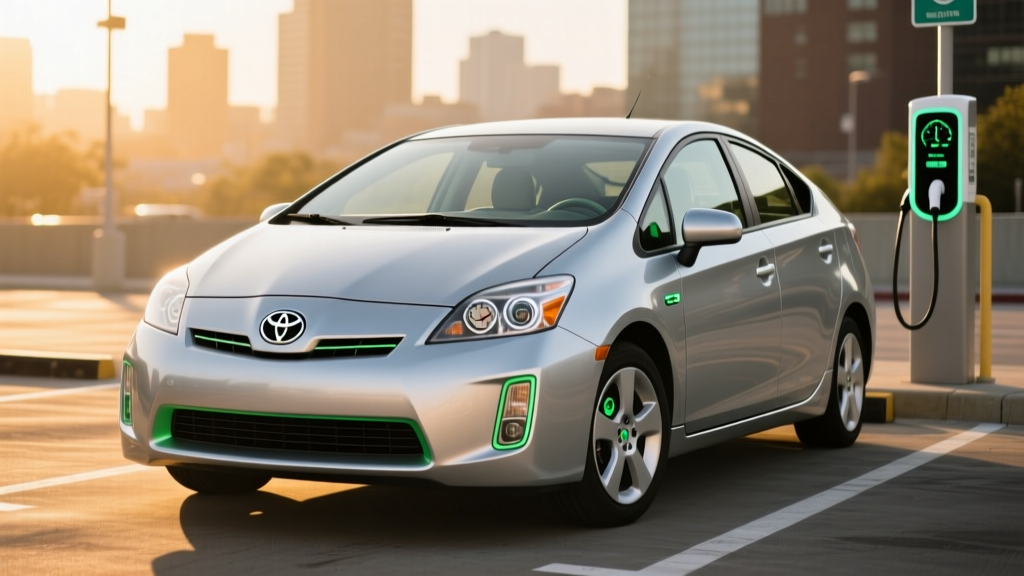
For context, the 2012 Toyota Prius rates at 50 MPG combined, and the current-generation Prius achieves up to 57 MPG combined. The Insight's efficiency gap versus its main rival was real even in 2012, and it's more noticeable against 2026 benchmarks.
Powertrain: Honda's Integrated Motor Assist (IMA)
| Specification | 2012 Honda Insight |
|---|---|
| Engine | 1.3L inline-4, i-VTEC |
| Engine Output | 88 HP @ 5,800 RPM / 88 lb-ft torque |
| Electric Motor | 10 kW (13 HP) IMA motor, sandwiched between engine and transmission |
| Combined System Output | 98 HP @ 5,800 RPM / 123 lb-ft torque |
| Transmission | Continuously Variable Transmission (CVT) |
| Battery | Nickel-Metal Hydride (NiMH), 0.5 kWh nominal |
| Drivetrain | Front-wheel drive |
| 0–60 MPH | ~10.5 seconds |
| Curb Weight | ~2,735 lbs |
Honda's IMA system is a mild hybrid architecture. The 10 kW electric motor sits directly on the crankshaft between the engine and CVT. It provides torque fill during acceleration and enables regenerative braking, but it cannot propel the car on electric power alone at any practical speed. The engine shuts off at stops (auto stop/start) and during certain light-load coasting conditions, which is where much of the city MPG advantage comes from.
The 1.3L four-cylinder is small and low-strung. With 98 combined horsepower, the Insight is not quick—0–60 in roughly 10.5 seconds puts it among the slowest cars in its class. Highway merging requires planning, and climbing long grades with passengers will have the CVT droning at high RPM. This powertrain prioritizes efficiency over performance, and it delivers on that promise, but the trade-off is noticeable when you need acceleration.
Battery Life, Warranty, and Replacement Costs
Original Battery Warranty: 8 years / 80,000 miles (10 years / 150,000 miles in CARB states including California, New York, Massachusetts, and others adopting California emissions standards).
Battery Chemistry: Nickel-Metal Hydride (NiMH) — not lithium-ion. NiMH is robust and well-understood but heavier and lower energy-density than modern lithium chemistries.
Current Status (2026): The original 8-year/80k warranty has expired for virtually all 2012 Insights. Any remaining battery coverage would depend on an extended warranty purchased at the time of sale.
The IMA battery in the 2012 Insight is a 0.5 kWh NiMH pack consisting of multiple cylindrical cells. NiMH batteries are known for gradual, predictable degradation rather than sudden failure, but at 14 years old, most original IMA batteries are showing reduced capacity or have already been replaced.
Common IMA battery failure symptoms:
- IMA warning light on the dashboard
- Reduced regenerative braking (battery won't accept charge)
- Frequent auto stop/start disablement
- Noticeable MPG drop (falling to 32–36 MPG range)
- SOC (state of charge) gauge fluctuating erratically
Replacement costs in 2026:
- Dealer OEM replacement: $2,000–$2,800 (parts + labor)
- Aftermarket/remanufactured pack: $1,200–$1,800 installed
- DIY individual cell replacement: $200–$500 in parts, but requires technical skill and carries safety risk
Given that a clean 2012 Insight sells for $4,000–$7,000, a $2,000+ battery replacement represents a significant percentage of the vehicle's value. Buyers should check whether the IMA battery has already been replaced and request documentation. A pre-purchase scan with an OBD-II tool that reads Honda IMA codes can reveal battery health before you commit.
Reliability and Ownership Costs
The 2012 Insight's mechanical reliability is generally solid. The 1.3L engine and CVT are low-stress components, and Honda's build quality from this era is well-regarded. The primary reliability concern is the IMA battery, as discussed above. Beyond that, owners report typical Honda wear items: brake pads lasting 50,000+ miles thanks to regenerative braking, and the CVT requiring fluid changes at recommended intervals to avoid shudder.
Estimated annual ownership costs (2026):
- Fuel: ~$1,100–$1,300/year at 15,000 miles and $3.20/gallon (42 MPG combined)
- Insurance: $800–$1,200/year (varies heavily by driver profile and state)
- Maintenance: $400–$600/year (oil changes, filters, tires, brakes)
- Registration/taxes: $100–$300/year depending on state
The Insight does not qualify for any federal EV or PHEV tax credits. The IRS §30D clean vehicle credit applies only to new plug-in vehicles meeting battery sourcing and MSRP requirements. As a conventional HEV with no plug, the 2012 Insight was never eligible for federal incentives, and no used-vehicle credit applies to non-plug-in hybrids. Some states historically offered hybrid rebates, but these programs have largely expired or shifted to PHEVs and BEVs.
Who Should Buy the 2012 Insight vs a Modern Hybrid, PHEV, or EV
Pros
- Very low purchase price ($4,000–$7,000 used)
- Strong real-world city MPG (43–48 MPG achievable)
- Practical hatchback cargo area (15.9 cu ft behind rear seats)
- Low annual fuel cost vs gas-only vehicles
- Simple, proven Honda mechanicals
- No charging infrastructure needed
Cons
- Underpowered (98 HP, 10.5-second 0–60)
- IMA battery replacement likely needed if original ($1,200–$2,800)
- No electric-only driving capability
- Dated interior tech (no Apple CarPlay, basic infotainment)
- Below-average crash test scores by modern standards
- Significantly outperformed by current Prius (57 MPG combined)
Hybrid vs PHEV vs EV: Which Fits Your Situation?
| Factor | 2012 Insight (HEV) | Modern PHEV (e.g., Prius Prime) | Used BEV (e.g., Leaf, Bolt) |
|---|---|---|---|
| Purchase Price (used) | $4,000–$7,000 | $18,000–$28,000 | $8,000–$18,000 |
| Electric-Only Range | None | 25–44 miles | 80–250+ miles |
| Home Charging Needed? | No | Recommended (Level 2) | Required (Level 2) |
| Fuel Cost (annual, 15k mi) | ~$1,200 | ~$400–$800 (if mostly electric) | ~$500–$700 (electricity) |
| Tax Credit Eligibility | None | Up to $7,500 (new, §30D rules apply) | Up to $4,000 used EV credit (§25E) |
| Battery Risk | IMA replacement $1.2k–$2.8k | Under warranty if newer | Traction battery $5k–$15k if degraded |
Choose the 2012 Insight if: Your budget is under $7,000, you have no access to home or workplace charging, you drive primarily in the city, and you want the lowest possible upfront cost with no plug-in dependency.
Choose a modern PHEV if: You can install a Level 2 home charger, your daily commute is under 40 miles (covering most trips on electricity), and you want the flexibility of gas for road trips without range anxiety.
Choose a used BEV if: You have reliable home charging, your daily driving is under 150 miles, you want zero tailpipe emissions, and you can absorb the higher used purchase price for lower operating costs and available used-EV tax credits.
Frequently Asked Questions
How many MPG does the 2012 Honda Insight get?
The EPA rates it at 41 city / 44 highway / 42 combined. In real-world driving, city commuters often see 43–48 MPG, while sustained highway driving drops to 38–42 MPG. Cold weather reduces economy by 3–5 MPG.
Can you plug in the 2012 Honda Insight?
No. The 2012 Insight is a conventional hybrid (HEV), not a plug-in hybrid. It has no charge port. The small NiMH battery charges exclusively through regenerative braking and the gasoline engine. You fuel it like any other gas car.
How far can the 2012 Insight drive on electric power alone?
Effectively zero miles. The IMA system's electric motor assists the gasoline engine but cannot independently propel the car at meaningful speeds. The engine may shut off at stops and during very light-load coasting, but the car does not have an electric-only driving mode.
Is the 2012 Honda Insight reliable?
The engine, CVT, and general Honda mechanicals are reliable. The primary concern is the IMA NiMH battery, which at 14 years old has likely degraded or been replaced. A replacement costs $1,200–$2,800 depending on whether you choose aftermarket or OEM. Get a pre-purchase IMA system scan before buying.
What does an IMA battery replacement cost for the 2012 Insight?
Dealer OEM replacement runs $2,000–$2,800 including labor. Remanufactured aftermarket packs cost $1,200–$1,800 installed. DIY cell-level repair is possible for $200–$500 in parts but requires electrical knowledge and carries risk.
Does the 2012 Honda Insight qualify for any tax credits?
No. As a conventional hybrid with no plug-in capability, it does not qualify for the federal §30D new clean vehicle credit or the §25E used clean vehicle credit. Those credits require plug-in vehicles with minimum battery capacities. Some state hybrid incentives existed in 2012 but have largely expired.
How does the 2012 Insight compare to the 2012 Prius?
The 2012 Toyota Prius rates at 50 MPG combined versus the Insight's 42 MPG—an 8 MPG gap that adds up over 15,000 annual miles. The Prius also offers more power (134 HP combined), a larger cargo area, and a stronger reliability reputation for its hybrid system. However, used Prius prices are typically $2,000–$4,000 higher than comparable Insights, which can offset the fuel savings for budget buyers.
Is the 2012 Insight a good buy in 2026?
It depends on price and battery condition. If you find one under $5,000 with a recently replaced IMA battery and clean maintenance records, it's a strong value for a 42+ MPG commuter. If the original battery is still in place and showing warning signs, factor $1,500–$2,500 into your budget. At that total cost, a higher-mileage Prius may offer better long-term value.