Quick Verdict: A Pioneer That Still Delivers
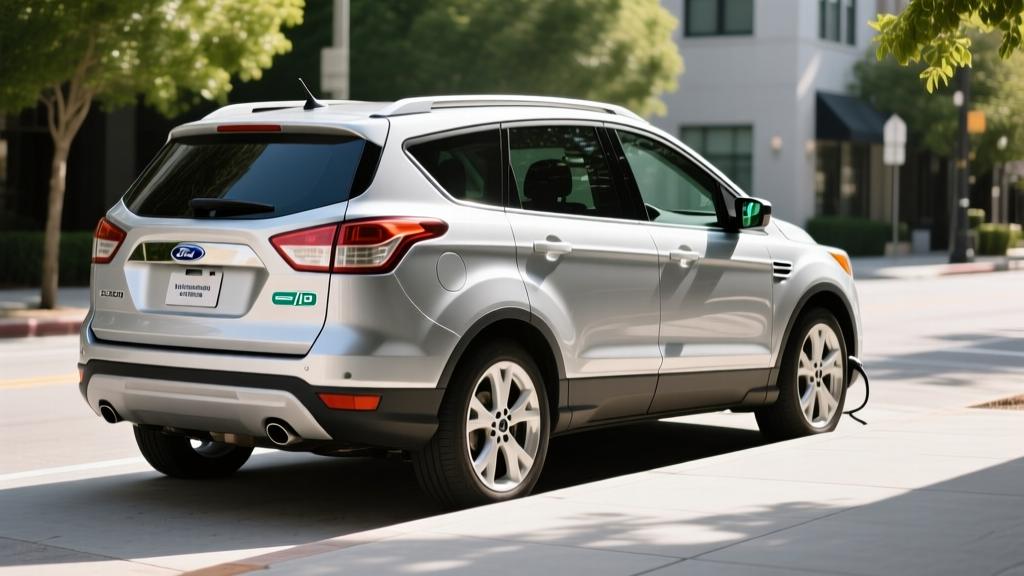
The 2012 Ford Escape Hybrid was Ford's first foray into the compact hybrid SUV segment, and over a decade later, it remains one of the most accessible used hybrid vehicles on the market. With an EPA-rated 34 MPG combined, a proven planetary-gear hybrid powertrain, and crossover practicality, this HEV (conventional hybrid — not a plug-in) still earns its keep for budget-conscious commuters who want hybrid efficiency without the complexity of plug-in charging or the upfront cost of a new EV.
That said, the 2012 Escape Hybrid is now a 14-year-old vehicle. Battery health, outdated infotainment, and the absence of modern driver-assistance features are real considerations. This guide breaks down the exact specs, real-world fuel economy data, battery longevity expectations, and total cost picture so you can decide whether a used 2012 Escape Hybrid is a smart buy in 2026 — or whether a newer hybrid or plug-in hybrid serves you better.
| Specification | Value |
|---|---|
| Powertrain Type | Conventional Hybrid (HEV) — no plug |
| Engine | 2.5L Atkinson-cycle 4-cylinder |
| Electric Motor | AC synchronous permanent-magnet motor |
| Combined Horsepower | 177 hp (net system output) |
| Transmission | eCVT (planetary gearset, not belt-driven) |
| Hybrid Battery | ~1.8 kWh NiMH (nickel-metal hydride) |
| EPA Fuel Economy (City / Hwy / Combined) | 34 / 31 / 34 MPG |
| Fuel Tank Capacity | 15.0 gallons |
| Total Driving Range (EPA est.) | ~510 miles |
| 0-60 mph | ~9.5 seconds |
| Drivetrain | FWD standard; e4WD AWD available |
| Cargo Volume (rear seats up / folded) | 29.2 / 67.2 cu ft |
| Towing Capacity | 1,000 lbs (hybrid trim) |
HEV vs. PHEV: What the 2012 Escape Hybrid Actually Is
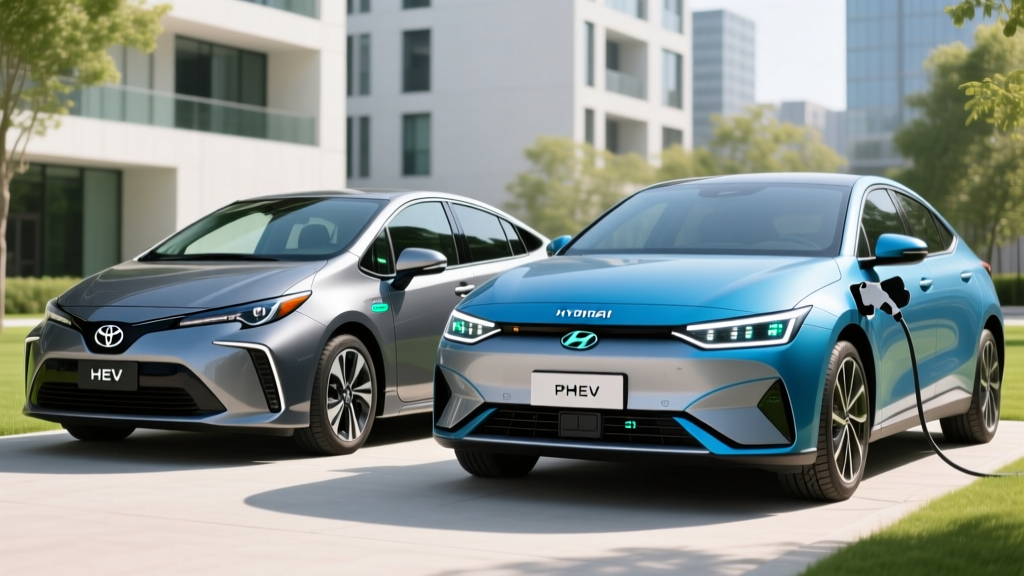
A common point of confusion among used-car shoppers is whether the 2012 Escape Hybrid needs to be plugged in. It does not. This is a conventional hybrid electric vehicle (HEV), meaning the battery recharges exclusively through regenerative braking and the gasoline engine. There is no charging port, no electric-only driving mode beyond brief low-speed EV assists, and no plug-in infrastructure requirement.
| Factor | HEV (e.g., 2012 Escape Hybrid) | PHEV (e.g., 2026 RAV4 Prime) | BEV (e.g., 2026 Ioniq 5) |
|---|---|---|---|
| Plug-in Required? | No | Yes (Level 1 or 2) | Yes (Level 2 or DCFC) |
| Electric-Only Range | 0 miles (EV assist only) | 30–42 miles typical | 250–350+ miles |
| Fuel Economy (combined) | 34 MPG (EPA) | 38–40 MPG + MPGe | N/A (kWh/100mi) |
| Home Charging Needed? | No | Recommended for best value | Essential |
| Federal Tax Credit (§30D) | Not eligible | Up to $7,500 (if eligible) | Up to $7,500 (if eligible) |
| Used Price Range (2026) | $5,000–$9,000 | $25,000–$45,000 | $20,000–$45,000 |
The Escape Hybrid's 1.8 kWh NiMH battery is small by modern standards — a 2026 Toyota RAV4 Prime PHEV packs an 18.1 kWh lithium-ion pack for 42 miles of electric range. But the Escape's system was designed for efficiency assist, not electric propulsion. The engine and motor work together seamlessly through Ford's eCVT, which uses a planetary gearset (not a traditional belt-and-pulley CVT) to blend power sources with no shifting interruptions.
Fuel Economy: EPA Numbers and Real-World MPG
The 2012 Ford Escape Hybrid carries the following EPA fuel economy ratings from the U.S. Department of Energy:
| Drivetrain | City MPG | Highway MPG | Combined MPG |
|---|---|---|---|
| FWD | 34 | 31 | 34 |
| e4WD (AWD) | 30 | 28 | 29 |
Real-World MPG: What Owners Actually Report
Like most conventional hybrids, the Escape Hybrid tends to meet or slightly exceed its EPA city rating in stop-and-go driving, where regenerative braking recaptures the most energy. Highway driving, where the gasoline engine does more of the work alone, typically yields results closer to — or slightly below — the EPA highway figure.
Owner-reported data on Fuelly and Edmunds forums clusters around 30–36 MPG combined for the FWD model in mixed driving, with city-heavy commuters occasionally reporting 37+ MPG. The e4WD (AWD) variant typically returns 26–30 MPG in real-world use due to the added weight and mechanical drag of the rear electric drive unit.
Cold-weather impact: Expect a 10–15% reduction in fuel economy during sustained sub-freezing temperatures. The engine runs more frequently to maintain cabin heat, and the NiMH battery operates less efficiently when cold. This is normal for all hybrids and is not a sign of battery degradation.
Cost-to-Fuel Comparison (2026 Gas Prices)
At the 2026 U.S. average regular gasoline price of approximately $3.30 per gallon, the FWD Escape Hybrid costs roughly $0.10 per mile to fuel. For comparison, a similarly sized 2012 gas-only Escape (23 MPG combined) costs about $0.14 per mile. Over 15,000 annual miles, the hybrid saves approximately $650–$750 per year in fuel costs — meaningful savings that compound over years of ownership.
Powertrain Deep Dive: How the Hybrid System Works
The 2012 Escape Hybrid pairs a 2.5-liter Atkinson-cycle four-cylinder engine (156 hp on its own) with an AC synchronous electric motor, producing a combined net output of 177 horsepower. The Atkinson cycle sacrifices some low-end torque for greater thermal efficiency — a trade-off the electric motor compensates for during acceleration from stops.
The eCVT transmission is the heart of the system. Unlike the belt-driven CVTs found in some competitors, Ford's eCVT uses a planetary gearset that mechanically couples the engine, motor, and generator. There are no belts to wear, no simulated "shifts," and no rubber-band effect. This design, shared conceptually with Toyota's Hybrid Synergy Drive (Ford licensed aspects of the patent portfolio in the early 2000s), is widely regarded as one of the most durable hybrid transmissions ever produced.
The e4WD (AWD) variant adds a rear-mounted electric motor that engages the rear wheels when the system detects slip — there is no mechanical driveshaft connecting the front and rear axles. This makes the e4WD system lighter and more efficient than a traditional AWD setup, but it's designed for light traction assistance, not off-road capability.
Hybrid Battery: Lifespan, Warranty, and Replacement Cost
The 2012 Escape Hybrid uses a nickel-metal hydride (NiMH) battery pack located under the cargo floor. NiMH chemistry was the standard for hybrids of this era — it's less energy-dense than modern lithium-ion but extremely tolerant of the shallow charge-discharge cycles that hybrids employ. The battery never fully charges or fully depletes; the system keeps it in a narrow state-of-charge window (roughly 40–60%) to maximize longevity.
Original Battery Warranty
When new, Ford covered the Escape Hybrid's battery for 8 years / 100,000 miles (extended to 10 years / 150,000 miles in California Air Resources Board states). As a 2012 model, this factory warranty expired no later than 2022. Any battery coverage on a used example today is aftermarket or third-party only.
Real-World Battery Longevity
NiMH hybrid batteries in the Escape have demonstrated strong longevity. Owner reports on Ford forums and hybrid-specific communities indicate most original batteries last 150,000–200,000+ miles before significant capacity loss. Some high-mileage examples have exceeded 250,000 miles on the original pack. The key factor is use frequency — batteries that see regular daily cycling tend to outlast those in vehicles that sit for extended periods.
Signs of a declining hybrid battery include: noticeably reduced fuel economy (5+ MPG drop), the engine running constantly even at low speeds, reduced regenerative braking feel, and dashboard warning lights (the wrench icon or a "Check Hybrid System" message).
Battery Replacement Cost (2026 Estimates)
If the battery does require replacement, here's what to expect:
- Remanufactured NiMH pack: $2,000–$3,000 (parts + labor at an independent hybrid specialist)
- New OEM Ford pack: $3,500–$5,000 (parts + labor at a dealership — availability may be limited for a 2012 model)
- Individual cell replacement: $800–$1,500 (a specialist can replace only the failed cells rather than the entire pack)
Before purchasing a used 2012 Escape Hybrid, request a hybrid battery health scan. Many independent hybrid shops and some dealerships can pull the battery's state-of-health (SoH) data, showing internal resistance and capacity relative to new. A pack reading above 70% SoH is generally considered acceptable for continued service.
Pricing, Tax Credits, and Total Cost of Ownership
As of early 2026, the 2012 Ford Escape Hybrid trades on the used market for approximately:
- $5,000–$6,500: Examples with 140,000+ miles, average condition
- $6,500–$8,000: Examples with 100,000–140,000 miles, good condition, clean title
- $8,000–$9,500: Low-mileage examples (under 100,000 miles), excellent condition, documented maintenance
Federal Tax Credit Eligibility
The 2012 Escape Hybrid does not qualify for the federal §30D Clean Vehicle Credit. This credit applies only to new plug-in electric vehicles (BEVs and PHEVs) meeting specific battery sourcing, MSRP, and buyer income requirements under current IRS guidelines. Conventional hybrids (HEVs) have never been eligible for §30D.
However, some states and local utilities offer rebates or incentives for purchasing any hybrid or efficient vehicle — check your state's energy office or utility provider. Additionally, the lower purchase price and fuel savings mean the Escape Hybrid can deliver a compelling total cost of ownership even without incentives.
5-Year Cost of Ownership Estimate
Assuming a $7,000 purchase price, 15,000 miles/year, $3.30/gallon gas, and routine maintenance:
- Fuel (5 years): ~$4,900 (at 34 MPG combined)
- Insurance (5 years): ~$4,500–$5,500 (varies significantly by driver and state)
- Maintenance (5 years): ~$2,000–$3,000 (hybrids need standard oil changes, brakes last longer due to regen)
- Potential battery replacement: $0–$3,000 (if needed during ownership)
- Total estimated 5-year cost: $18,400–$23,400 (including purchase price)
For comparison, a gas-only 2012 Escape at 23 MPG combined would cost approximately $2,600 more in fuel over the same period.
Who Should Buy the 2012 Escape Hybrid — and Who Shouldn't
Choose This Hybrid If:
- You want hybrid fuel savings on a sub-$10,000 budget
- Your commute is city-heavy (stop-and-go maximizes hybrid efficiency)
- You lack access to home or workplace charging (no plug needed)
- You want crossover cargo space (67.2 cu ft with seats folded)
- You prefer a proven, simple hybrid system with strong parts availability
Look Elsewhere If:
- You want electric-only driving or plug-in capability
- You need modern ADAS features (automatic emergency braking, lane-keeping — not available on this model)
- You want a federal tax credit (only BEVs and PHEVs qualify under §30D)
- You prioritize acceleration (9.5-second 0-60 is leisurely)
- You tow more than 1,000 lbs regularly
The Hybrid vs. PHEV vs. EV Decision
The 2012 Escape Hybrid occupies a specific niche: maximum fuel efficiency with zero charging infrastructure requirements and minimal purchase cost. If you can install a Level 2 home charger and have a higher budget ($25,000+), a modern PHEV like the Toyota RAV4 Prime offers 42 miles of electric-only commuting plus a gas engine for road trips — and qualifies for up to $7,500 in federal tax credits when purchased new.
If you're ready for full electric and have reliable charging access, a used BEV like the 2020–2023 Hyundai Kona Electric or Chevrolet Bolt EUV offers 200+ miles of range for $15,000–$22,000 on the used market, with the possibility of qualifying for the up-to-$4,000 used EV tax credit (§25E) if your income falls within limits and the vehicle meets the under-$25,000 price cap.
But for buyers who need a reliable, fuel-efficient daily driver right now, with no plug, no range anxiety, and no complex incentive paperwork, the 2012 Escape Hybrid still makes a strong case.
Reliability and Safety Notes
The 2012 Escape Hybrid benefits from Ford's second-generation hybrid system, which resolved most of the early teething issues from the 2005–2007 first-generation model. The eCVT planetary gearset has proven exceptionally durable — failures are rare and typically associated with high-mileage neglect rather than design flaws.
Common non-hybrid reliability concerns for this model year include:
- Electric power steering (EPS) module failures (a known Ford issue of this era; replacement ~$800–$1,200)
- Blend door actuator failures in the HVAC system (causes clicking noises behind the dash)
- Rear wheel bearing wear on higher-mileage examples
The NHTSA gave the 2012 Escape a 4-star overall safety rating. The IIHS rated it "Good" in moderate overlap front and side impact tests. Note that this predates modern crash-avoidance testing — there is no automatic emergency braking, blind-spot monitoring, or lane-departure warning available on any 2012 Escape trim.
Frequently Asked Questions
How many MPG does the 2012 Ford Escape Hybrid get?
The FWD model is EPA-rated at 34 city / 31 highway / 34 combined MPG. The e4WD (AWD) version drops to 30 / 28 / 29 MPG. Real-world owner reports typically cluster around 30–36 MPG combined for the FWD variant, with city-heavy drivers often exceeding the EPA estimate thanks to regenerative braking.
Does the 2012 Escape Hybrid need to be plugged in?
No. This is a conventional hybrid (HEV). The battery charges itself through regenerative braking and the gasoline engine. There is no plug, no charging port, and no electric-only driving range beyond momentary low-speed EV assist. If you want plug-in electric range, you need a PHEV or BEV.
Is the 2012 Escape Hybrid reliable, and how long does the battery last?
Overall reliability is good for a 14-year-old vehicle, with the hybrid powertrain being the most durable component. The NiMH battery typically lasts 150,000–200,000+ miles. The eCVT transmission is a planetary gearset with no belts or clutches to wear — failures are rare. Non-hybrid components (steering, HVAC actuators) are the more common failure points.
How much does it cost to replace the hybrid battery?
A remanufactured NiMH pack costs $2,000–$3,000 installed at an independent hybrid specialist. A new OEM pack runs $3,500–$5,000 at a dealership. Individual cell replacement by a specialist can bring the cost down to $800–$1,500 if only a few cells have failed.
Does the 2012 Ford Escape Hybrid qualify for any tax credit?
No. The federal §30D Clean Vehicle Credit applies only to plug-in electric vehicles (BEVs and PHEVs). Conventional hybrids have never qualified. The used EV credit (§25E, up to $4,000) also requires a plug-in vehicle. Check your state and local utility for possible hybrid incentives, but at the federal level, there is no credit available.
How does the 2012 Escape Hybrid compare to a modern hybrid?
A 2026 Toyota RAV4 Hybrid achieves 41 MPG combined — 7 MPG better than the Escape — and includes modern safety features like automatic emergency braking and lane-keeping assist. However, a used RAV4 Hybrid costs $22,000–$30,000, roughly three to four times the price of a used Escape Hybrid. If budget is the primary constraint, the Escape still delivers meaningful hybrid savings at a fraction of the cost.
Is the e4WD (AWD) system good in snow?
The e4WD system provides adequate light-traction assistance for snowy commutes and wet roads. The rear electric motor engages automatically when front-wheel slip is detected. It is not a substitute for dedicated AWD in severe winter conditions, and ground clearance (8.3 inches) is modest. Pair it with quality winter tires for the best results in snow-belt states.