Why the 2011 Toyota Camry Hybrid Still Matters in 2026
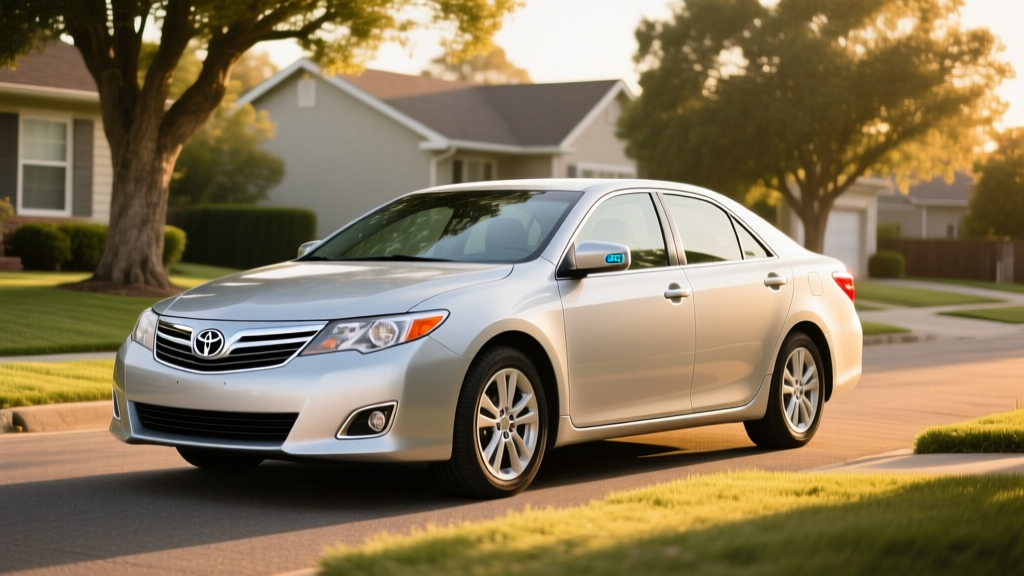
Fifteen years after it rolled off the line, the 2011 Toyota Camry Hybrid remains one of the most accessible entry points into hybrid ownership. With used examples routinely selling between $5,000 and $9,000 depending on mileage and condition, it undercuts nearly every new electrified vehicle on the market while still delivering meaningful fuel savings over its gas-only counterpart. For budget-conscious commuters, Uber/Lyft drivers, or anyone seeking low-cost daily transportation without range anxiety, this midsize sedan warrants a serious look.
But buying a 15-year-old hybrid comes with specific concerns — chief among them the high-voltage battery. This guide covers the exact specs, real-world fuel economy, battery longevity data, and ownership costs you need to evaluate before handing over cash.
HEV vs PHEV: What the 2011 Camry Hybrid Actually Is
Conventional Hybrid (HEV): The 2011 Camry Hybrid is a series-parallel hybrid using Toyota's Hybrid Synergy Drive. It cannot be plugged in. A small nickel-metal hydride (NiMH) battery recharges through regenerative braking and the gasoline engine. Electric-only propulsion is limited to very low speeds (under ~25 mph) for roughly one mile.
Plug-In Hybrid (PHEV): Toyota did not offer a Camry PHEV in 2011. If you want a plug-in Toyota sedan from this era, the closest option is the 2012+ Prius Plug-in (later renamed Prius Prime). Modern PHEVs like the 2026 Toyota RAV4 Prime offer 42 miles of electric-only range and a much larger battery (18.1 kWh usable). The 2011 Camry Hybrid has none of this — it's a pure HEV.
This distinction matters because some used-car listings mistakenly advertise "plug-in" capability. The 2011 Camry Hybrid has no charge port. You fuel it with gasoline, and the hybrid system handles the rest.
Fuel Economy: EPA Ratings vs Real-World MPG
The EPA rated the 2011 Toyota Camry Hybrid at 31 MPG city / 35 MPG highway / 31 MPG combined. These figures come from fueleconomy.gov, the official source for EPA test data.
| Driving Scenario | EPA Estimate | Real-World Expectation |
|---|---|---|
| City (stop-and-go) | 31 MPG | 33–38 MPG (hybrids excel here) |
| Highway (70+ mph) | 35 MPG | 28–32 MPG (aero drag, less regen) |
| Combined | 31 MPG | 30–35 MPG |
| Cold weather (below 32°F) | — | 25–29 MPG (engine runs more for heat) |
Why real-world city MPG often exceeds the EPA sticker: Hybrid systems recapture kinetic energy during braking. In heavy traffic with frequent stops, regenerative braking charges the battery more often, allowing the electric motor to assist the engine repeatedly. On sustained highway drives, the gasoline engine does most of the work, and the hybrid advantage narrows.
Compared to the 2011 Camry's conventional 2.5L four-cylinder (EPA 22/32/26 MPG), the hybrid saves roughly 1.5–2 gallons per 100 miles of mixed driving. At $3.25/gallon, that's approximately $400–$550 in annual fuel savings for a driver covering 12,000 miles per year.
Powertrain and Performance Specs
| Specification | 2011 Toyota Camry Hybrid |
|---|---|
| Engine | 2.4L inline-4 (2AZ-FXE, Atkinson cycle) |
| Engine HP | 147 hp @ 6,000 rpm |
| Electric Motor | Permanent-magnet synchronous, 40 hp |
| Net Combined HP | 187 hp |
| Transmission | eCVT (planetary gearset, no traditional gears) |
| Battery Type | NiMH (nickel-metal hydride) |
| Battery Capacity | ~1.6 kWh (gross), not plug-in |
| 0–60 mph | ~8.4 seconds |
| Drivetrain | Front-wheel drive |
| Curb Weight | ~3,680 lbs |
| Fuel Tank | 17.2 gallons |
| Total Range | ~530 miles |
The 2AZ-FXE engine uses the Atkinson cycle, which sacrifices low-end torque for greater thermal efficiency. The electric motor fills in that torque gap off the line, making the car feel reasonably responsive in city driving. The eCVT is not a belt-driven continuously variable transmission — it's a planetary gearset that seamlessly blends power from the engine and motor. This design has proven extremely durable, with no belts or clutches to wear out.
Hybrid Battery Lifespan, Warranty, and Replacement Cost
Original Warranty: Toyota covered the 2011 Camry Hybrid battery for 8 years / 100,000 miles (10 years / 150,000 miles in California and states adopting CARB emissions standards). As of 2026, all original factory battery warranties have expired.
Expected Battery Lifespan: Toyota's NiMH hybrid batteries in this generation commonly last 150,000–200,000+ miles before significant degradation. Many owners report original batteries still functioning at 180,000 miles, though with reduced electric-assist capability and slightly lower MPG.
Replacement options if the battery fails:
- New OEM Toyota battery: $2,500–$3,500 installed at a dealership. This is the most reliable option but often exceeds the value of the vehicle.
- Refurbished/reconditioned battery: $1,200–$2,000 installed. Third-party shops replace degraded cells within the existing pack. Quality varies by provider.
- Used battery from a salvage yard: $500–$1,000 plus installation. Highest risk — remaining lifespan is unknown.
- Individual cell replacement: Some specialist shops can identify and replace only the failed cells for $800–$1,500. This is cost-effective but requires a technician with hybrid battery diagnostic tools.
Signs of hybrid battery degradation to watch for when buying used:
- Noticeable drop in fuel economy (5+ MPG below expected)
- The gasoline engine runs more frequently, even at low speeds
- Battery state-of-charge gauge fluctuates rapidly
- Dashboard warning lights (red triangle, "Check Hybrid System")
- Rear cargo area fan running loudly (battery overheating)
Reliability Record and Known Issues
The 2011 Camry Hybrid benefits from Toyota's strong reliability reputation in this era. The 2AZ-FXE engine and hybrid transaxle are among the most proven powertrains Toyota has built. However, a few issues surface consistently in owner reports and NHTSA data:
- Hybrid battery failure: At 15 years old, original batteries are reaching end-of-life. Budget $1,500–$3,500 as a contingency unless the seller can prove recent replacement.
- Brake actuator recalls: Toyota issued recalls related to the regenerative braking system on some 2010–2012 Camry Hybrids. Check NHTSA.gov with the VIN to confirm all recalls were addressed.
- Electric water pump: The hybrid system uses a separate electric water pump that can fail around 120,000–150,000 miles. Replacement runs $400–$700.
- 12V auxiliary battery: Like all hybrids, the Camry has a standard 12V battery (located in the trunk) that powers electronics. If it dies, the car won't start — even if the hybrid battery is fully charged. Replacement is straightforward (~$150–$250).
- Dashboard cracking: A cosmetic issue common to 2007–2011 Camrys — the dashboard top develops cracks from sun exposure. Not a mechanical concern, but affects resale.
2011 Camry Hybrid vs Modern Alternatives
| Metric | 2011 Camry Hybrid (Used) | 2026 Toyota Prius (New) | 2026 Toyota Camry Hybrid (New) |
|---|---|---|---|
| EPA Combined MPG | 31 MPG | 57 MPG | 51 MPG |
| Combined HP | 187 hp | 194 hp | 225 hp |
| Battery Type | NiMH | Li-ion | Li-ion |
| Battery Warranty | Expired | 10 yr / 150,000 mi | 10 yr / 150,000 mi |
| Typical Price | $5,000–$9,000 | $29,000–$35,000 | $30,000–$38,000 |
| Federal Tax Credit | None (used) | Up to $7,500* | Up to $7,500* |
| Annual Fuel Cost (12k mi) | ~$1,260 | ~$685 | ~$765 |
*Federal §30D tax credit eligibility depends on MSRP caps, buyer income limits, and battery critical-mineral sourcing requirements per IRS guidelines. Verify current-year eligibility before purchase.
The math is straightforward: a new 2026 Camry Hybrid saves roughly $500/year in fuel over the 2011 model, but costs $20,000–$30,000 more upfront. If your budget is tight and you drive under 15,000 miles annually, the used 2011 model's total cost of ownership can be lower for the first 3–5 years — provided the hybrid battery holds up.
Who Should Buy the 2011 Camry Hybrid (And Who Shouldn't)
Pros
- Very low purchase price ($5,000–$9,000)
- Proven, durable powertrain with 200k+ mile potential
- No plug-in required — fuel and go
- Comfortable ride, spacious cabin, large trunk
- Good city MPG, especially in stop-and-go traffic
- Low insurance costs
Cons
- Hybrid battery near end-of-life; replacement is $1,500–$3,500
- Outdated infotainment (no Apple CarPlay, Android Auto, or Bluetooth audio on base trims)
- No modern ADAS (no automatic emergency braking, lane-keeping, or adaptive cruise)
- Highway MPG unremarkable vs modern hybrids
- NiMH battery less efficient than modern Li-ion packs
- No federal or state tax credits available
Choose the 2011 Camry Hybrid if: You need an affordable, no-plug commuter with low running costs, you have access to a trusted mechanic for hybrid battery diagnostics, and you don't need the latest safety tech or infotainment.
Choose a new hybrid or PHEV instead if: You drive 20,000+ miles per year (fuel savings justify the higher purchase price), you want warranty protection, or you require modern driver-assistance features like automatic emergency braking.
Choose a full EV instead if: You have reliable home charging (Level 2), your daily commute is under 80 miles round-trip, and you want the lowest per-mile energy cost. A used Chevrolet Bolt EV or Nissan Leaf can be found in the $10,000–$15,000 range and may qualify for the used EV tax credit (up to $4,000 under §25E, subject to income and price caps).
Tax Credits and Incentives
The 2011 Toyota Camry Hybrid does not qualify for any current federal tax credit. The §30D new clean vehicle credit applies only to new purchases, and the §25E used clean vehicle credit applies only to used EVs and PHEVs — not conventional HEVs.
Some states offer rebates for used hybrid purchases or for scrapping older vehicles, but these programs vary widely and change frequently. Check your state's environmental or energy agency website for current offerings.
Pre-Purchase Checklist for Used Buyers
Before purchasing a 2011 Camry Hybrid, take these steps:
- Get a hybrid-specific pre-purchase inspection. A Toyota dealer or hybrid specialist can run a battery health test showing internal resistance and cell balance. This $100–$200 inspection can save you thousands.
- Check NHTSA for open recalls. Enter the VIN at NHTSA.gov/recalls and confirm all campaigns were completed.
- Verify maintenance records. Hybrid components like the inverter coolant and transaxle fluid need periodic service. Missing records suggest deferred maintenance.
- Test-drive in EV mode. With a full battery, the car should be able to creep on electric power alone at low speeds. If the engine kicks in immediately, the battery may be degraded.
- Negotiate based on battery age. If the battery is original (15 years old), factor at least $1,500 into your offer as a replacement contingency.
Frequently Asked Questions
How many MPG does the 2011 Toyota Camry Hybrid get?
The EPA rates it at 31 MPG city / 35 MPG highway / 31 MPG combined. In real-world city driving with frequent stops, many owners report 33–38 MPG. Highway driving at 70+ mph typically yields 28–32 MPG.
Can I plug in the 2011 Camry Hybrid to charge?
No. The 2011 Camry Hybrid is a conventional hybrid (HEV), not a plug-in hybrid (PHEV). It has no charge port. The battery recharges through regenerative braking and the gasoline engine.
How long does the hybrid battery last?
Toyota's NiMH hybrid batteries in this generation commonly last 150,000–200,000+ miles. At 15 years old, many original batteries are nearing end-of-life. Expect some degradation in electric-assist capability even if the battery hasn't failed outright.
How much does it cost to replace the hybrid battery?
A new OEM battery costs $2,500–$3,500 installed at a dealer. Refurbished batteries run $1,200–$2,000, and individual cell replacement can cost $800–$1,500 at a specialist shop.
Does the 2011 Camry Hybrid qualify for a tax credit?
No federal tax credit is available for the 2011 Camry Hybrid. The §30D credit applies to new vehicles only, and the §25E used EV credit covers only plug-in vehicles (EVs and PHEVs), not conventional hybrids.
Is the 2011 Camry Hybrid reliable?
Yes, with a caveat. The powertrain (engine, eCVT, motor) is extremely durable and commonly reaches 200,000+ miles. The main reliability risk at this age is hybrid battery degradation. Budget for potential battery replacement and get a hybrid-specific pre-purchase inspection.
How does the 2011 Camry Hybrid compare to a Prius of the same year?
The 2011 Prius gets significantly better fuel economy (EPA 50 MPG combined vs 31 MPG) and has a smaller, lighter battery. However, the Camry Hybrid offers more interior space, a smoother ride, and a larger trunk. If maximum MPG is your priority, the Prius wins. If comfort and space matter more, the Camry Hybrid is the better choice.