Quick Verdict: A Proven Hybrid SUV That Still Makes Sense
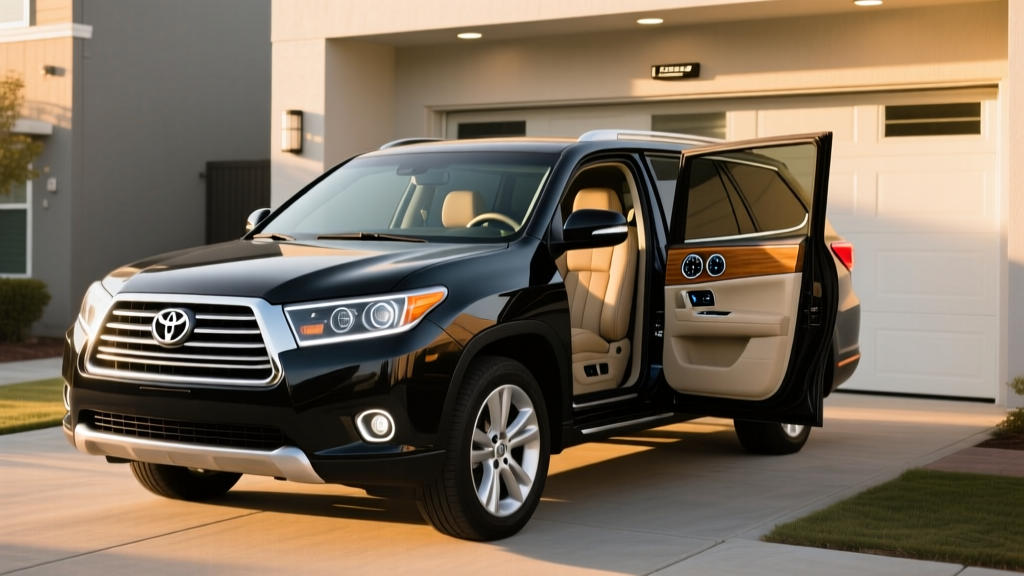
The 2011 Toyota Highlander Hybrid occupies a specific niche in the used-car market: a three-row midsize SUV that delivers genuine fuel savings without requiring a plug, a charging routine, or any change in driving habits. Under the hood sits Toyota's 3.5-liter V6 Hybrid Synergy Drive system producing 280 combined horsepower, paired with an electronically controlled CVT and standard all-wheel drive. The EPA rated it at 28 MPG combined — a figure that, even by 2026 standards, remains competitive for a seven-passenger AWD SUV.
This was the first model year of the second-generation Highlander Hybrid, which introduced the 3.5L 2GR-FXE V6 replacing the older 3.3L V6. That engine swap improved both power and efficiency. For buyers shopping the used hybrid market today, the 2011 model year represents a strong value proposition — but battery age is the variable you must underwrite.
EPA Fuel Economy and Real-World MPG
| Cycle | EPA Rating | Real-World Expectation |
|---|---|---|
| City | 28 MPG | 27–30 MPG (hybrids often beat EPA in stop-and-go) |
| Highway | 28 MPG | 25–27 MPG (aerodynamic drag reduces hybrid advantage at speed) |
| Combined | 28 MPG | 26–28 MPG |
Source: fueleconomy.gov
Toyota's Hybrid Synergy Drive recovers kinetic energy during braking and low-speed driving, which is why city and highway ratings are identical — unusual for a conventional vehicle. In real-world ownership, drivers who do mostly suburban and city driving frequently report matching or slightly exceeding the 28 MPG combined figure. Highway-heavy commutes at 70+ MPH tend to yield 25–26 MPG, as the electric motor contributes less at sustained high speeds and the 4,500-pound curb weight works against efficiency.
For context, the gas-only 2011 Highlander V6 AWD was EPA-rated at 18 MPG combined. The hybrid's 10 MPG advantage translates to roughly 400 fewer gallons consumed over 15,000 annual miles — a meaningful savings at any fuel price.
HEV vs PHEV vs EV: Where the Highlander Hybrid Fits
The 2011 Highlander Hybrid is a conventional hybrid electric vehicle (HEV). It has no plug, no electric-only driving range to speak of, and no external charging capability. The high-voltage battery charges exclusively through regenerative braking and the gasoline engine. This is fundamentally different from a plug-in hybrid (PHEV) like the current Toyota RAV4 Prime or a full battery electric vehicle (BEV) like the Hyundai Ioniq 5.
| Factor | HEV (e.g., this Highlander) | PHEV (e.g., RAV4 Prime) | BEV (e.g., Kia EV9) |
|---|---|---|---|
| Plug required? | No | Yes (for max benefit) | Yes |
| Electric-only range | ~1 mile at low speed | 30–42 miles typical | 250–320 miles typical |
| Home charging needed | No | Recommended (120V or 240V) | Essential (240V Level 2) |
| Federal tax credit (new) | None | Up to $7,500 (§30D, if eligible) | Up to $7,500 (§30D, if eligible) |
| Used-vehicle tax credit | Up to $4,000 (§25E, income-capped) | Up to $4,000 (§25E, income-capped) | Up to $4,000 (§25E, income-capped) |
| Best for | No home charging access, long road trips | Short commute + road trip flexibility | Home charging + mostly under 250 mi/day |
If you cannot install a home charger, live in an apartment, or regularly drive 400+ miles between stops, the HEV architecture of this Highlander remains the most practical electrified option. You get meaningful fuel savings with zero infrastructure requirements.
Powertrain and Performance Specs
| Specification | Value |
|---|---|
| Engine | 3.5L V6 (2GR-FXE) Atkinson-cycle |
| Combined system horsepower | 280 HP |
| Electric motors | Front: 123 kW / Rear: 50 kW |
| Transmission | eCVT (electronically controlled CVT) |
| Drivetrain | AWD-i (electronic on-demand rear axle) |
| Hybrid battery | Nickel-metal hydride (NiMH), ~1.9 kWh (nominal) |
| 0–60 MPH | ~7.8 seconds |
| Towing capacity | 3,500 lbs |
| Curb weight | ~4,500 lbs |
| Seating | 7 passengers |
| Cargo (behind 3rd row) | 10.3 cu ft |
The AWD-i system is worth noting: unlike mechanical AWD with a driveshaft, the Highlander Hybrid uses a separate rear electric motor to power the rear wheels only when slip is detected or during acceleration. This eliminates drivetrain parasitic loss during cruising, contributing to the strong highway fuel economy. The trade-off is that AWD-i is not a serious off-road system — it's designed for rain, snow, and light gravel, not trail use.
Hybrid Battery Longevity, Warranty, and Replacement Cost
Original Factory Battery Warranty
When new, Toyota warranted the hybrid battery for 8 years / 100,000 miles (10 years / 150,000 miles in California and states adopting CARB emissions standards). By 2026, a 2011 model is 15 years old — well beyond factory coverage regardless of mileage.
The NiMH battery pack in the 2011 Highlander Hybrid has proven durable in practice. Toyota's hybrid batteries from this era routinely reach 150,000–200,000 miles before significant degradation, and many exceed that. The key failure mode is not sudden death but gradual capacity loss — you'll notice reduced electric-assist contribution, more frequent engine cycling, and a 1–3 MPG drop in fuel economy before a full failure triggers the check-engine light (typically code P0A80 or similar).
Battery Replacement Options and Costs (2026 Pricing)
| Option | Part Cost | Labor | Total Range | Warranty |
|---|---|---|---|---|
| New OEM Toyota battery | $3,000–$3,800 | $500–$900 | $3,500–$4,700 | 3 yr / 36,000 mi (Toyota) |
| Remanufactured battery | $1,800–$2,500 | $500–$900 | $2,300–$3,400 | 1–3 yr (varies by supplier) |
| Used/salvage battery | $800–$1,500 | $500–$900 | $1,300–$2,400 | 30–90 days typical |
| Individual module replacement | $300–$800 | $400–$700 | $700–$1,500 | Varies; requires skilled hybrid tech |
Before purchasing any used 2011 Highlander Hybrid, request a hybrid battery health check from a Toyota dealer or a qualified independent hybrid specialist. A Techstream scan can reveal battery block voltage imbalance — the leading predictor of near-term failure. If the seller cannot provide this data, budget $2,500–$4,000 for a potential replacement within your first year of ownership.
What to Expect Paying in 2026
The 2011 Highlander Hybrid was originally priced from approximately $38,000 (base) to $43,000 (Limited). In the 2026 used market, expect to pay:
- $8,000–$11,000 for examples with 140,000+ miles or unknown battery health
- $11,000–$15,000 for well-maintained examples under 120,000 miles with documented battery health
- $15,000–$18,000 for low-mileage Limited trims (under 90,000 miles) with recent battery replacement
Tax Credit Eligibility
As a used vehicle purchase in 2026, the Highlander Hybrid may qualify for the IRC §25E Previously-Owned Clean Vehicle Credit — up to $4,000 or 30% of the sale price, whichever is less. Key requirements per IRS guidelines:
- Sale price must be $25,000 or below (most 2011 Highlander Hybrids qualify)
- Buyer's modified adjusted gross income must not exceed $75,000 (single), $112,500 (head of household), or $150,000 (joint)
- Vehicle must be at least two model years old (2011 easily qualifies)
- You must purchase from a dealer (private-party sales do not qualify)
- The credit is non-refundable — it can reduce your tax liability to zero but won't generate a refund
At a $12,000 purchase price, the maximum credit would be $3,600 (30% of sale price), bringing your effective cost to $8,400 if you meet all income and filing requirements. Consult a tax professional to confirm eligibility — rules are subject to legislative change.
Reliability and Common Issues
The 2011 Highlander Hybrid benefits from Toyota's strongest reliability reputation. The 2GR-FXE V6 is a proven engine shared across multiple Toyota/Lexus hybrids, and the eCVT transmission has no conventional clutch packs or bands to wear — it's a planetary gearset that is mechanically robust. According to NHTSA records, the vehicle has no systemic safety recalls specific to the hybrid system.
Common Wear Items to Inspect
- Hybrid battery cooling fan: Located behind the rear seat. If clogged with dust/pet hair, the battery overheats and degrades faster. Inspect and clean the filter.
- Brake actuator: The regenerative braking system uses an electro-hydraulic actuator. Listen for unusual buzzing or delayed brake response at low speeds — replacement runs $1,200–$1,800.
- Inverter coolant pump: An electric pump circulates coolant through the inverter. Check for proper flow in the inverter coolant reservoir under the hood.
- 12V auxiliary battery: Like any car, the 12V battery can fail and prevent the vehicle from starting (even though the traction battery is fine). Located in the rear cargo area.
Pros, Cons, and Who Should Buy
Pros
- 28 MPG combined in a 7-passenger AWD SUV — still competitive in 2026
- 280 HP provides confident highway merging and passing
- No plug or charging infrastructure required
- Proven Toyota hybrid reliability with extensive parts availability
- Standard AWD-i at no fuel-economy penalty vs FWD
- 3,500-lb towing capacity adequate for small trailers and boats
- Potential $4,000 used-EV tax credit under §25E
Cons
- Hybrid battery is 15 years old — replacement likely needed if not already done
- NiMH battery chemistry is heavier and less energy-dense than modern lithium-ion
- Only 10.3 cu ft cargo behind third row (tight for a midsize SUV)
- Dated infotainment — no Apple CarPlay, Android Auto, or modern safety tech
- AWD-i is light-duty only; not suited for serious off-road or deep snow
- Brake actuator replacement is expensive if it fails
Who Should Choose This Hybrid
The 2011 Highlander Hybrid is ideal for buyers who need three rows and AWD, want meaningful fuel savings, but cannot or will not deal with plug-in charging. It works for apartment dwellers, street parkers, and frequent road-trippers who don't want to plan around charging stops. If your budget is $10,000–$15,000 and you accept the battery replacement risk (or find one with a recent replacement), it remains one of the most capable used hybrid SUVs available.
If you have home charging access and a commute under 35 miles, a newer PHEV like the Toyota RAV4 Prime or Hyundai Tucson PHEV will deliver greater daily fuel savings by running mostly on electricity. If you have reliable Level 2 home charging and rarely exceed 250 miles in a day, a used BEV eliminates fuel costs entirely — but sacrifices the 7-passenger capacity and 3,500-lb towing this Highlander provides.
Frequently Asked Questions
How many MPG does the 2011 Highlander Hybrid get?
The EPA rates it at 28 MPG city, 28 MPG highway, and 28 MPG combined. Real-world results typically range from 25–30 MPG depending on driving mix, with city-heavy driving often achieving or exceeding the EPA figure thanks to regenerative braking.
Does the 2011 Highlander Hybrid need to be plugged in?
No. This is a conventional hybrid (HEV), not a plug-in hybrid. The battery charges through regenerative braking and the gasoline engine. You fuel it like any other car — just with fewer trips to the pump.
How long does the hybrid battery last?
Toyota's NiMH hybrid batteries from this era commonly last 150,000–200,000 miles (roughly 12–15 years) before significant degradation. At 15 years old, a 2011 model's original battery is near or past its practical lifespan. Budget for replacement if the seller cannot document a recent swap.
What does a replacement hybrid battery cost?
Expect $2,300–$4,700 for a remanufactured or new OEM replacement including labor. Individual module repair can cost $700–$1,500 if only a few cells have failed. Always get a Techstream battery health scan before purchase.
Does the 2011 Highlander Hybrid qualify for any tax credit?
It does not qualify for the new-vehicle §30D credit (that applies only to new purchases). However, as a used vehicle purchased from a dealer for $25,000 or less, it may qualify for the §25E Previously-Owned Clean Vehicle Credit — up to $4,000 or 30% of the sale price, subject to buyer income limits. Verify current-year rules at irs.gov.
Is the 2011 Highlander Hybrid reliable?
Yes. Toyota's hybrid powertrain from this generation is among the most reliable in the industry. The eCVT has no wear-prone friction components, and the 2GR-FXE engine is shared with Lexus models known for 200,000+ mile longevity. The main risk is hybrid battery age — address that, and the rest of the vehicle is mechanically straightforward.
How does it compare to a modern hybrid SUV?
A 2026 Toyota Highlander Hybrid achieves 35 MPG combined — a 25% improvement over the 2011 model, thanks to a more efficient 2.5L four-cylinder hybrid system and a lighter lithium-ion battery. However, the 2026 model starts above $42,000. If your budget is under $15,000, the 2011 model delivers 80% of the efficiency at a fraction of the cost, provided you account for battery condition.