Quick Verdict: The 2011 Ford Escape Hybrid in 2026
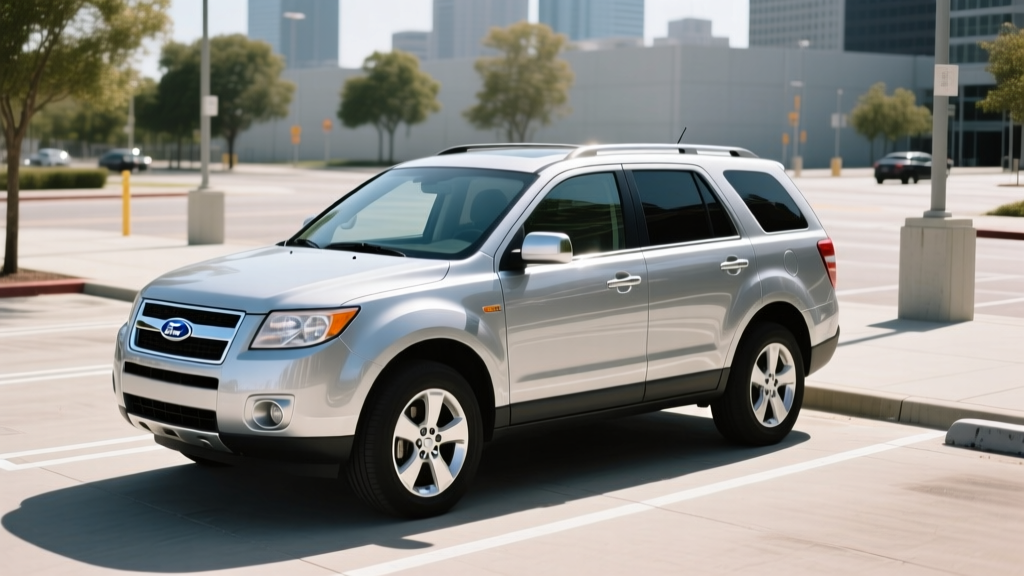
Search for a 2011 Ford hybrid SUV and you'll find one model: the second-generation Ford Escape Hybrid. This conventional hybrid (HEV) paired a 2.5-liter Atkinson-cycle four-cylinder with an electric motor for a combined 177 horsepower and an EPA-rated 34 MPG combined. Ford discontinued the Escape Hybrid after the 2012 model year, replacing it with the Ford Fusion Hybrid sedan and later the Escape PHEV (plug-in) in subsequent generations.
In 2026, the 2011 Escape Hybrid exists exclusively on the used market, typically priced between $4,500 and $8,500 depending on mileage and condition. It remains one of the earliest mainstream hybrid SUVs, and its powertrain shares DNA with Toyota's hybrid synergy drive (Ford licensed Toyota patents for the eCVT transaxle). For budget-minded buyers seeking a fuel-efficient compact SUV without plug-in complexity, it's worth a careful look — but the 15-year-old high-voltage battery demands scrutiny.
| Spec | Value |
|---|---|
| Powertrain | 2.5L Atkinson I4 + AC synchronous electric motor (eCVT) |
| Combined Horsepower | 177 hp (net system) |
| Gas Engine | 156 hp @ 6,000 rpm / 136 lb-ft torque |
| Electric Motor | 94 hp (70 kW) |
| Hybrid Battery | 1.8 kWh (usable ~1.0 kWh), NiMH, 330V nominal |
| EPA MPG (City / Hwy / Combined) | 34 / 31 / 34 (FWD) · 30 / 27 / 29 (AWD) |
| Fuel Tank | 14.2 gallons |
| Total Range | ~480 miles (FWD) |
| 0–60 mph | ~10.5 seconds |
| Towing Capacity | 1,000 lbs |
| Cargo Volume | 29.2 cu ft (rear seats up) / 67.2 cu ft (folded) |
| Original MSRP (2011) | $30,570 (base Hybrid FWD) |
| Used Price Range (2026) | $4,500 – $8,500 |
HEV vs PHEV: What the 2011 Escape Hybrid Is (and Isn't)
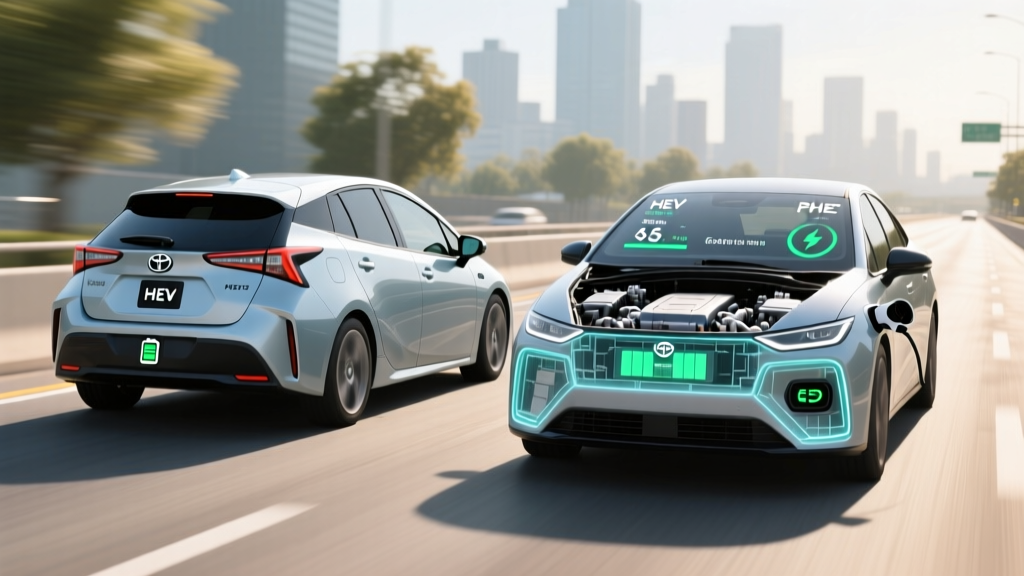
A common misconception among used-car shoppers is that all hybrids plug in. The 2011 Escape Hybrid is a conventional hybrid (HEV). It has no plug, no charging port, and no electric-only driving range of meaningful distance. The small 1.8 kWh nickel-metal hydride (NiMH) battery charges exclusively through regenerative braking and the gasoline engine.
| Feature | HEV (e.g., 2011 Escape Hybrid) | PHEV (e.g., 2026 Escape PHEV) | BEV (e.g., 2026 Mustang Mach-E) |
|---|---|---|---|
| Plug-in Charging | No | Yes (Level 1/2) | Yes (Level 1/2/DC) |
| Electric-Only Range | ~0.5 mi at low speed | ~37 mi (EPA) | 250–320+ mi |
| Battery Size | 1.8 kWh (NiMH) | 14.4 kWh (NMC) | 70–91 kWh (NMC/LFP) |
| Fuel Required | Yes (regular unleaded) | Yes (regular unleaded) | No |
| Federal Tax Credit (New) | None | Up to $3,750 (§30D, if eligible) | Up to $7,500 (§30D, if eligible) |
| Home Charging Needed | No | Recommended | Essential |
The Escape can creep on electric power alone at very low speeds (parking lots, stoplights) for roughly half a mile, but the engine fires up the moment meaningful acceleration is needed. If you want plug-in electric range, Ford didn't offer a PHEV SUV until the 2020 Escape PHEV — and today's 2026 Escape PHEV provides an EPA-rated 37 miles of electric-only driving on a 14.4 kWh lithium-ion pack.
Fuel Economy: EPA Ratings vs Real-World MPG
The EPA rated the 2011 Escape Hybrid at 34 MPG city, 31 MPG highway, and 34 MPG combined for the front-wheel-drive model, according to fueleconomy.gov. The AWD variant drops to 30/27/29 MPG due to the added drivetrain weight and mechanical losses.
| Drivetrain | City | Highway | Combined | Annual Fuel Cost* |
|---|---|---|---|---|
| FWD | 34 MPG | 31 MPG | 34 MPG | ~$1,550 |
| AWD | 30 MPG | 27 MPG | 29 MPG | ~$1,800 |
| *Based on 15,000 mi/yr, 55% city, $3.50/gal regular unleaded (2026 avg estimate). | ||||
Real-World MPG: What Owners Actually Report
Hybrid fuel economy tends to be more consistent than EV range because the engine fills any gaps the battery can't cover. That said, real-world data from owner forums and Fuelly tracking shows most 2011 Escape Hybrid drivers average 29–33 MPG combined — slightly below the EPA sticker. Common reasons:
- Aging NiMH battery: After 15 years, the hybrid battery's capacity and charge/discharge efficiency have declined, reducing regenerative braking effectiveness and forcing the engine to run more frequently.
- Highway-dominant driving: Hybrids shine in stop-and-go city traffic where regen braking recovers energy. Sustained 70+ mph highway driving yields minimal hybrid benefit — expect 27–29 MPG on the open road.
- Cold weather: Below 40°F, the engine runs more often to maintain cabin heat and battery temperature, dropping observed MPG to 26–29 in winter months.
- Tire pressure and maintenance: Underinflated tires and overdue spark plug replacements (due at 100,000 miles) each cost 1–3 MPG.
On the positive side, careful hypermilers in warm climates have reported 35–37 MPG on the FWD model — hybrids often exceed EPA city estimates when driven gently with anticipation of stops.
Powertrain and Driving Impressions
The 2011 Escape Hybrid uses Ford's second-generation hybrid system with an electronically controlled continuously variable transmission (eCVT). Unlike belt-driven CVTs in conventional cars, this eCVT uses two motor-generators and a planetary gearset — mechanically similar to Toyota's Hybrid Synergy Drive. The result is smooth, stepless acceleration without the rubber-band effect of traditional CVTs.
The 2.5-liter Atkinson-cycle inline-four produces 156 hp and 136 lb-ft of torque. Combined with the 94 hp (70 kW) electric motor, net system output is 177 horsepower. The 0–60 mph sprint takes approximately 10.5 seconds — adequate for merging and passing but noticeably slower than modern turbocharged or electric SUVs.
The transition between electric-only creeping and engine engagement is generally seamless, though drivers accustomed to 2026-era hybrids may notice the coarser engine start-stop behavior compared to newer systems. The brake pedal feel — blending regenerative and friction braking — requires a brief adaptation period but is linear once learned.
Battery Health, Warranty, and Replacement Cost
Original Hybrid Battery Warranty
Ford warranted the 2011 Escape Hybrid's NiMH battery for 8 years / 100,000 miles (extended to 10 years / 150,000 miles in California Air Resources Board states: CA, CT, ME, MA, NJ, NY, OR, RI, VT, WA). As of 2026, every 2011 Escape Hybrid is well past factory warranty coverage regardless of mileage.
NiMH Battery Degradation at 15 Years
Nickel-metal hydride batteries are remarkably durable but not immune to age. Unlike lithium-ion packs that lose capacity primarily through charge cycles, NiMH degrades through a combination of cycle wear and calendar aging — specifically, electrolyte breakdown and increased internal resistance over time. At 15 years old, most 2011 Escape Hybrid batteries have lost 20–35% of their original capacity.
Practically, this means:
- Shorter electric-only creeping distance at stoplights
- More frequent engine engagement, slightly reducing MPG
- Less aggressive regenerative braking (the battery can't accept charge as quickly)
The vehicle remains fully drivable — the engine simply compensates. You won't be stranded, but you may see combined MPG dip to 27–30 rather than the original 34.
Battery Replacement Cost
If the hybrid battery fails completely (indicated by a wrench icon and "Stop Safely Now" warning), replacement options in 2026 include:
- New OEM battery from Ford: $2,500–$3,500 for the part alone. Availability has become limited as Ford has deprioritized NiMH stock for discontinued models.
- Refurbished/remanufactured battery: $1,200–$2,000 installed. Several specialty hybrid shops (e.g., Green Bean Battery, Exclusive Hybrid) offer reconditioned NiMH packs with 1–3 year warranties.
- Individual module replacement: $400–$800 if only a few of the 25 battery modules have failed. Requires a hybrid-savvy technician to diagnose and balance.
Given the vehicle's $4,500–$8,500 used value, a full OEM replacement is rarely economical. A refurbished pack or targeted module repair is the pragmatic choice.
Reliability, Safety, and Common Issues
The 2011 Escape Hybrid earned solid reliability marks during its production run. The eCVT transaxle has proven exceptionally durable — Toyota-derived planetary gearsets routinely exceed 250,000 miles without major service. NHTSA gave it a 4-star overall safety rating (under the pre-2011 test protocol), and the IIHS rated it "Good" in moderate overlap front and side impact tests.
Common Problems to Check Before Buying
- Hybrid battery cooling fan: Located behind the rear cargo area. If clogged with debris or failing, it causes battery overheating and reduced MPG. Listen for unusual whining from the rear.
- Brake actuator assembly: The electrohydraulic brake booster can fail around 120,000–160,000 miles. Replacement runs $1,200–$1,800. Test for firm, consistent pedal feel.
- Electric power steering (EPS): Some owners report intermittent EPS warning lights. Ford issued TSB 12-3-8 addressing software-related EPS faults.
- Rust: Check rear subframe and rocker panels, especially on examples from the Rust Belt and coastal regions.
- 12V battery: Like all hybrids, the Escape has a conventional 12V battery that powers accessories and boots the hybrid system. A dead 12V battery will prevent the car from starting even if the high-voltage pack is fully charged.
Tax Credits, Incentives, and Ownership Costs
When new, the 2011 Escape Hybrid qualified for a federal alternative motor vehicle credit of approximately $1,700–$2,200 (under the pre-2010 Energy Policy Act credit structure, which varied by fuel economy improvement and phase-out schedule). That credit expired long ago and does not apply to used purchases.
2026 Federal Tax Credits for Used Hybrids
Under the current IRS §25E used clean vehicle credit, buyers of qualifying used EVs and PHEVs can claim up to $4,000 (30% of sale price, capped at $4,000). However, conventional hybrids like the 2011 Escape Hybrid do not qualify. The §25E credit requires the vehicle to have a battery capacity of at least 7 kWh and be either a plug-in hybrid or a full battery-electric vehicle. The Escape Hybrid's 1.8 kWh NiMH pack falls well short.
Total Cost of Ownership Estimate (2026)
| Category | Annual Cost |
|---|---|
| Fuel (15,000 mi @ 32 MPG avg, $3.50/gal) | $1,640 |
| Insurance (national avg, older SUV) | $900–$1,200 |
| Maintenance (oil, tires, brakes — hybrid reduces brake wear) | $600–$900 |
| Registration / taxes | $100–$300 |
| Depreciation | Minimal ($200–$500/yr at this age) |
| Total (estimated) | $3,440–$4,540 |
Compared to a 2011 non-hybrid Escape (rated 23 MPG combined), the hybrid saves roughly $475 per year in fuel at 15,000 miles — enough to offset its slightly higher maintenance complexity over a 3–5 year ownership period.
Who Should Buy the 2011 Ford Escape Hybrid?
Pros
- Proven, durable eCVT powertrain with Toyota-derived engineering
- 34 MPG combined (FWD) is still competitive with 2026 non-hybrid compact SUVs
- No plug-in charging required — works for apartment dwellers and street parkers
- Low purchase price ($4,500–$8,500 used)
- Reduced brake pad wear thanks to regenerative braking
- Regular unleaded fuel — no premium required
Cons
- 15-year-old NiMH battery is past warranty and losing capacity
- No federal or state tax credit eligibility for used HEV purchase
- Slow acceleration (10.5 sec 0–60) feels dated vs. modern hybrids
- Limited towing capacity (1,000 lbs)
- Interior materials and infotainment are firmly 2011-era
- AWD model sacrifices 5 MPG vs. FWD
- No DC fast charging capability (not applicable to HEV, but no EV-mode flexibility)
Decision Framework
Choose the 2011 Escape Hybrid if: You need an affordable, efficient compact SUV, drive primarily in city/suburban conditions (where hybrids shine), can't install a home charger, and are comfortable budgeting $1,500–$2,000 for a potential battery refurbishment within your ownership period.
Choose a newer PHEV (e.g., 2024–2026 Escape PHEV or Toyota RAV4 Prime) if: You have home charging access, want 30–40 miles of electric-only commuting, and can spend $30,000–$45,000 on a used or new PHEV with remaining factory warranty.
Choose a full EV (e.g., used Chevy Bolt EUV, Hyundai Ioniq 5) if: You have reliable home Level 2 charging, drive under 250 miles daily, want zero gasoline costs, and qualify for the §25E used EV credit (up to $4,000 off a qualifying used BEV).
Skip the 2011 Escape Hybrid if: You predominantly drive highway miles (where the hybrid advantage shrinks to 1–3 MPG over a modern turbo 4-cylinder), need towing capacity above 1,000 lbs, or want modern safety features like automatic emergency braking and lane-keeping assist (not available on the 2011 Escape).
Frequently Asked Questions
How many MPG does the 2011 Ford Escape Hybrid get?
The EPA rates the FWD model at 34 city / 31 highway / 34 combined MPG. The AWD model is rated 30/27/29. Real-world averages from owners typically fall between 29 and 33 MPG combined, depending on battery health, driving style, and climate.
Does the 2011 Escape Hybrid need to be plugged in?
No. The 2011 Escape Hybrid is a conventional hybrid (HEV), not a plug-in. The battery charges through regenerative braking and the gasoline engine. There is no charging port on the vehicle.
How far can it drive on electric power alone?
Less than one mile, and only at very low speeds (under ~25 mph). The 1.8 kWh NiMH battery is far too small for meaningful electric-only driving. This is normal for conventional hybrids — the electric motor assists the engine rather than replacing it.
Is the 2011 Escape Hybrid reliable?
The powertrain itself — particularly the eCVT transaxle and 2.5L engine — is proven reliable well past 200,000 miles. The primary concern in 2026 is the aging NiMH hybrid battery, which is past its 8-year/100,000-mile warranty. Budget $1,200–$2,000 for a refurbished replacement if needed. Brake actuator and EPS issues are less common but worth checking.
What does a hybrid battery replacement cost?
A new OEM NiMH battery from Ford costs $2,500–$3,500 (parts only, limited availability). Refurbished batteries from specialty shops run $1,200–$2,000 installed with a 1–3 year warranty. Individual module replacement can be done for $400–$800 if only partial failure has occurred.
Does the 2011 Escape Hybrid qualify for any tax credit in 2026?
No. The federal §25E used clean vehicle credit requires a plug-in vehicle with at least 7 kWh of battery capacity. The Escape Hybrid's 1.8 kWh NiMH pack does not qualify. No state-level hybrid purchase incentives currently apply to used conventional hybrids in most jurisdictions. Always verify current rules with a tax professional or the IRS §25E page.
Hybrid vs PHEV vs EV — which should I choose?
If you lack home charging and want simplicity, a conventional HEV like the Escape Hybrid works. If you have a garage or driveway with outlet access and a short commute, a PHEV (30–40 mi electric range) gives you EV-like daily driving with gas backup for road trips. If you have Level 2 home charging and drive under 250 miles daily, a full BEV eliminates gasoline entirely and may qualify for a $4,000 used-EV tax credit.