Quick Verdict: The 2010 Lexus RX 450h Still Delivers Luxury Efficiency
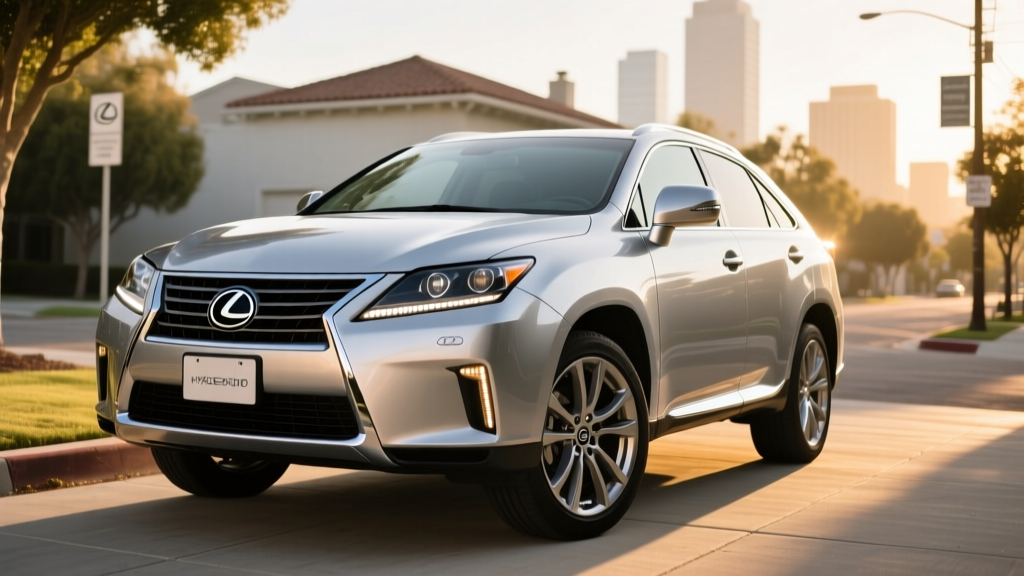
If you're searching for a 2010 Lexus hybrid SUV, you're looking at the second-generation Lexus RX 450h — a luxury crossover that paired a 3.5-liter V6 with Toyota's proven Hybrid Synergy Drive system. Over a decade later, it remains one of the most reliable used luxury hybrids on the market, delivering 30 MPG combined in a package that still feels premium. But with a 16-year-old nickel-metal hydride (NiMH) battery pack, buyers need to understand exactly what they're signing up for before writing the check.
| Spec | Value |
|---|---|
| Powertrain | 3.5L V6 + electric motor (HEV) |
| Combined Horsepower | 295 hp net system output |
| EPA MPG (City / Hwy / Combined) | 32 / 28 / 30 |
| Drivetrain | AWD (AWD-L) or FWD |
| 0–60 mph | 7.4 seconds |
| Battery Type | NiMH (nickel-metal hydride) |
| Cargo Volume | 40.0 cu ft (rear seats up) |
| Original MSRP (2010) | $42,110 (FWD) – $43,510 (AWD) |
| Current Used Price Range (2026) | $7,000 – $13,000 |
HEV vs PHEV: Why the 2010 RX 450h Is a Conventional Hybrid
The 2010 Lexus RX 450h is a conventional hybrid electric vehicle (HEV), not a plug-in hybrid (PHEV). This distinction matters for buyers cross-shopping electrified SUVs:
| Feature | HEV (2010 RX 450h) | PHEV (e.g., 2026 RAV4 Prime) |
|---|---|---|
| Plug-in Charging | No — charges via regenerative braking + engine | Yes — plug into Level 1 or Level 2 |
| Electric-Only Range | ~1 mile at low speed | 35–42 miles typical |
| Battery Size | ~1.9 kWh (NiMH) | 18–20 kWh (lithium-ion) |
| Federal Tax Credit | None (expired long ago) | Up to $7,500 if eligible |
| Fueling | Gasoline only | Gasoline + electricity |
| Best For | Drivers who can't charge at home | Drivers with home charging + short commutes |
The RX 450h requires zero behavioral change from a gas-car owner. You fill it with gasoline, and the hybrid system automatically manages the electric motor assist, regenerative braking, and engine start-stop to maximize efficiency. There is no plug, no charging cable, and no range anxiety about finding a charger.
Fuel Economy: EPA Ratings vs Real-World MPG
| Drivetrain | City MPG | Highway MPG | Combined MPG |
|---|---|---|---|
| FWD | 32 | 28 | 30 |
| AWD | 30 | 28 | 29 |
According to fueleconomy.gov, the FWD RX 450h achieves 32 city / 28 highway / 30 combined MPG, while the AWD version drops slightly to 30/28/29. These were exceptional numbers for a 4,600-pound luxury SUV in 2010 — and they hold up today.
Real-world MPG reality check: Hybrid vehicles typically exceed their EPA city rating because stop-and-go driving maximizes regenerative braking and electric motor use. Many owners report 31–34 MPG in mixed city driving. However, sustained highway driving at 75+ mph can drop efficiency to 25–27 MPG, as the gasoline engine does most of the work and aerodynamic drag increases. In cold weather (below 30°F), expect a 5–10% reduction as the engine runs more frequently to maintain cabin heat and battery temperature.
Powertrain Deep Dive: 295 hp of Hybrid V6
The 2010 RX 450h uses a 3.5-liter Atkinson-cycle V6 (the 2GR-FXE engine) producing 245 hp on its own, supplemented by front and rear electric motors for a net system output of 295 horsepower. The AWD-L model uses a rear electric motor to drive the rear wheels — there is no mechanical driveshaft connecting the engine to the rear axle. This "eAWD" system provides traction in slippery conditions but is not designed for serious off-road use.
The hybrid system seamlessly blends electric-only driving at low speeds (typically under 25 mph for short distances), engine-only cruising, and combined power for acceleration. The CVT (continuously variable transmission) keeps the engine in its most efficient RPM range, which contributes to the strong city MPG but can create a droning sensation under hard acceleration — a common trait of Toyota/Lexus hybrids from this era.
Hybrid Battery Health: What to Expect from a 16-Year-Old NiMH Pack
Original Hybrid Battery Warranty
Lexus covered the 2010 RX 450h hybrid battery for 8 years / 100,000 miles (10 years / 150,000 miles in California and states that adopted CARB emissions standards). That factory warranty has now expired on every 2010 model.
The NiMH battery pack in the 2010 RX 450h was built for longevity, and many examples have surpassed 150,000–200,000 miles on the original pack. However, at 16 years old, capacity degradation is a real concern. NiMH chemistry degrades primarily from age and heat exposure, not just mileage. Expect a degraded battery to reduce fuel economy by 2–5 MPG and diminish the electric-only low-speed driving feel.
Battery replacement cost (2026):
- New OEM Lexus battery: $3,500–$5,000 installed at a dealership
- Remanufactured aftermarket battery: $1,500–$2,500 installed
- Individual cell/module replacement: $500–$1,200 at a hybrid specialist shop (only viable if a few cells are weak)
Before purchasing, request a hybrid battery health check — many independent hybrid specialists and some Toyota/Lexus dealerships can read the battery's internal resistance and voltage delta across modules. A voltage spread greater than 0.20V between the highest and lowest module typically signals impending failure. Also check for any stored diagnostic trouble codes (DTCs) related to the hybrid system using an OBD-II scanner capable of reading Toyota hybrid codes.
Reliability and Ownership Costs
The second-generation Lexus RX is widely regarded as one of the most reliable luxury SUVs ever built. The 2GR-FXE engine has no turbocharger, no direct injection carbon buildup issues, and the hybrid system eliminates the traditional starter motor and alternator — two common failure points in conventional vehicles. The CVT, while unexciting, has proven far more durable than many conventional automatic transmissions of the era.
According to long-term owner data and reliability surveys, the most common issues with the 2010 RX 450h include:
- Hybrid battery degradation (age-related, as discussed above)
- Brake actuator assembly failure — the electronically controlled brake system can fail, with replacement costing $1,200–$1,800. Listen for unusual brake pedal feel or warning lights.
- Water pump (electric) — the hybrid system's electric water pump can fail around 100,000–130,000 miles ($400–$700 replacement)
- Inverter coolant pump — similar lifespan to the electric water pump, critical for hybrid system cooling
Insurance costs are typically moderate for a 2010 luxury SUV — expect $1,000–$1,500 annually depending on your location and driving record, as the vehicle's current value is relatively low.
Does the 2010 RX 450h Qualify for Any Tax Credits?
No. The 2010 Lexus RX 450h does not qualify for any current federal tax credit. The original hybrid vehicle tax credit that applied to early Toyota/Lexus hybrids expired for Toyota/Lexus vehicles in 2010 after the manufacturer hit the 60,000-unit cap. The current IRS §30D clean vehicle credit applies only to new plug-in electric vehicles (BEVs and PHEVs) meeting battery sourcing, MSRP, and buyer income requirements — conventional hybrids are not eligible.
Some states offer modest incentives for used hybrid or EV purchases, but these vary by jurisdiction and change frequently. Check your state's energy office or department of revenue for current programs.
Who Should Buy the 2010 Lexus RX 450h — And Who Shouldn't
Pros
- 30 MPG combined in a luxury SUV — still competitive in 2026
- Exceptional long-term reliability record
- No plug-in charging required — zero infrastructure dependency
- Quiet, comfortable ride with premium materials
- Strong safety ratings (IIHS Top Safety Pick for 2010)
- Low purchase price ($7K–$13K) vs. new hybrids
Cons
- 16-year-old hybrid battery is a liability ($1,500–$5,000 replacement risk)
- Dated infotainment — no Apple CarPlay, Android Auto, or modern safety tech
- CVT drone under hard acceleration
- Highway MPG falls behind modern turbo-4 hybrids
- No federal tax credit eligibility
- AWD system is light-duty only (eAWD, not mechanical)
Decision Framework
Choose the 2010 RX 450h if: You want a reliable, fuel-efficient luxury SUV on a tight budget ($10K–$15K total), you cannot charge at home, and you're willing to budget $2,000–$3,000 for a potential hybrid battery replacement within the next 2–3 years.
Choose a newer PHEV (e.g., 2024–2026 RAV4 Prime or Lexus NX 450h+) if: You have home charging, a commute under 35 miles, and want electric-only daily driving with gasoline backup for road trips. Expect $45,000+ but potential §30D tax credit eligibility.
Choose a full BEV (e.g., 2026 Hyundai Ioniq 5 or Tesla Model Y) if: You have reliable home or workplace charging, want zero gasoline costs, and can invest $35,000–$50,000+ with available federal credits reducing effective cost.
Frequently Asked Questions
How many MPG does the 2010 Lexus RX 450h hybrid get?
The EPA rates the FWD model at 32 city / 28 highway / 30 combined MPG, and the AWD model at 30/28/29. Real-world owners commonly see 29–34 MPG depending on driving mix, with city-heavy routes favoring the hybrid system.
Is the 2010 Lexus RX 450h a plug-in hybrid?
No. It is a conventional hybrid (HEV) that charges its battery through regenerative braking and the gasoline engine. You never plug it in — you only fuel it with gasoline.
How much does it cost to replace the hybrid battery?
A new OEM battery runs $3,500–$5,000 installed at a Lexus dealer. Remanufactured aftermarket batteries cost $1,500–$2,500 installed. Many 2010 RX 450h vehicles are still running on their original battery at 150,000+ miles, but at 16 years old, degradation is expected.
Is the 2010 Lexus RX 450h reliable?
Yes — it is considered one of the most reliable luxury SUVs of its era. The hybrid powertrain eliminates several common failure points (starter, alternator, traditional transmission). The main risk items are the aging hybrid battery, the brake actuator assembly, and electric coolant pumps.
Hybrid vs PHEV vs EV — which is right for me?
If you lack home charging access and want zero lifestyle change, a conventional hybrid like the RX 450h is the safest choice. If you have home charging and a short commute, a PHEV gives you electric-only daily driving with gas-engine flexibility for road trips. If you have reliable charging and want the lowest operating cost, a full BEV eliminates gasoline entirely — but requires a higher upfront investment and charging infrastructure confidence.
Does the 2010 RX 450h qualify for a federal tax credit?
No. The federal hybrid tax credit for Toyota/Lexus vehicles expired in 2010, and current §30D credits apply only to new plug-in vehicles (BEVs and PHEVs). Check your state for any local used-vehicle incentives.
What should I check before buying a used 2010 RX 450h?
Prioritize a hybrid battery health check (module voltage delta and internal resistance), a scan for hybrid system diagnostic codes, inspection of the brake actuator operation, and verification that both the inverter coolant pump and electric water pump are functioning. A pre-purchase inspection at a hybrid specialist shop is strongly recommended over a general mechanic.