Why the 2007 Camry Hybrid Still Matters in 2026
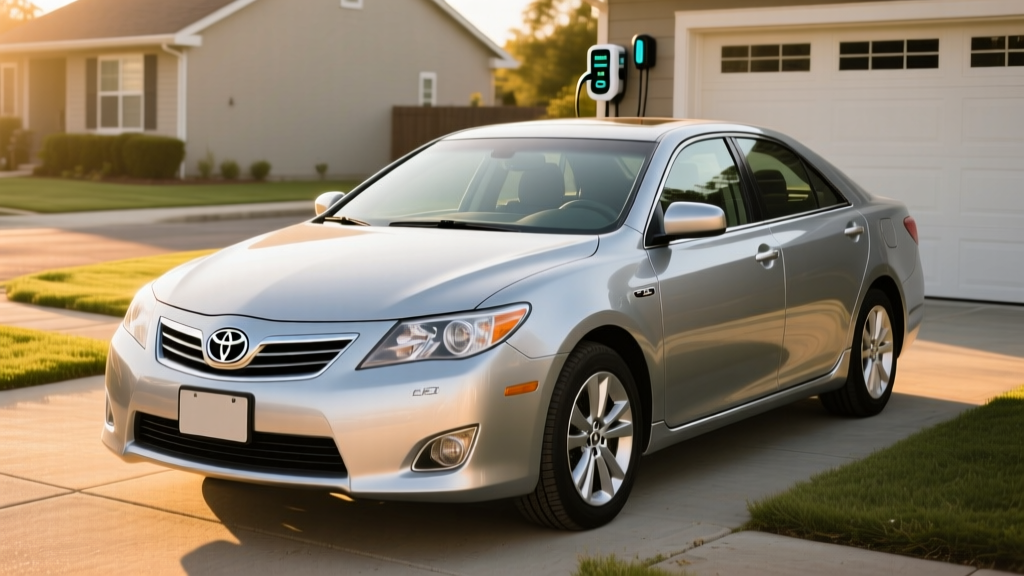
Nearly two decades after it rolled off the assembly line, the second-generation Toyota Camry Hybrid (XV40 chassis, 2007–2011) remains one of the most fuel-efficient used sedans on the road. For buyers navigating today's high used-car prices and considering a budget-friendly hybrid, the 2007 Toyota Camry Hybrid's fuel economy is still a compelling reason to look closer. This was Toyota's first mass-market hybrid sedan beyond the Prius, and its Hybrid Synergy Drive powertrain laid the groundwork for every hybrid Camry that followed.
But buying a 19-year-old hybrid in 2026 raises legitimate questions: Does the EPA-estimated MPG hold up with age? What happens when the hybrid battery fails? And how does this early HEV compare to modern plug-in hybrids and full EVs? This guide covers every number you need to decide.
2007 Toyota Camry Hybrid Fuel Economy: EPA Numbers and Real-World MPG
The 2007 Camry Hybrid carries an EPA rating of 33 MPG city / 34 MPG highway / 34 MPG combined according to fueleconomy.gov. That highway figure may look surprisingly close to the city number — and that's the hallmark of Toyota's series-parallel hybrid system. The electric motor handles low-speed driving where gas engines are least efficient, while regenerative braking recovers energy that would otherwise be lost.
| Metric | Value |
|---|---|
| City MPG | 33 |
| Highway MPG | 34 |
| Combined MPG | 34 |
| Fuel type | Regular unleaded (87 octane) |
| Fuel tank capacity | 17.2 gallons |
| Total driving range (EPA) | ~585 miles |
| Annual fuel cost (EPA est.) | ~$1,450 (15,000 mi/yr at $3.20/gal) |
Real-World MPG vs. EPA Sticker
Owner-reported data on Fuelly and Edmunds forums consistently shows the 2007 Camry Hybrid averaging between 30 and 36 MPG combined in real-world driving, with most drivers landing around 32–33 MPG. City-heavy commutes tend to push results toward the upper end — sometimes exceeding 35 MPG — because the hybrid system thrives in stop-and-go traffic where the gas engine shuts off frequently. Sustained highway driving at 75+ MPH typically drops to 30–32 MPG as aerodynamic drag dominates and the electric motor contributes less.
Cold weather is the biggest MPG killer. Expect a 10–15% drop in winter (roughly 28–30 MPG combined) as the engine runs longer to heat the cabin and the battery operates below its optimal temperature. This is normal for all hybrids — the engine must stay on to generate heat, negating the electric-only low-speed advantage.
How Age Affects Fuel Economy
A 2007 Camry Hybrid with 150,000+ miles may see a 1–3 MPG decline from its original numbers, primarily due to a degraded hybrid battery pack that can't hold as much charge or deliver peak assist to the electric motor. A healthy battery pack is essential to maintaining that 34 MPG combined figure. More on battery health below.
Powertrain Specs: How the Hybrid Synergy Drive Works
The 2007 Camry Hybrid uses Toyota's second-generation Hybrid Synergy Drive (HSD), a series-parallel system that can run on the gas engine alone, the electric motor alone, or both simultaneously. Unlike a plug-in hybrid, this is a conventional hybrid (HEV) — it never plugs in. The battery recharges through regenerative braking and excess engine power.
| Component | Specification |
|---|---|
| Gas engine | 2.4L 2AZ-FXE inline-4 (Atkinson cycle) |
| Engine horsepower | 147 HP @ 6,000 RPM |
| Electric motor | Permanent-magnet synchronous (3JM) |
| Electric motor output | 40 HP (30 kW) |
| Net system horsepower | 192 HP combined |
| Transmission | eCVT (electronically controlled CVT) |
| Hybrid battery | Nickel-metal hydride (NiMH), ~1.6 kWh total / ~0.9 kWh usable |
| 0–60 MPH | ~7.3 seconds |
| Drivetrain | Front-wheel drive |
The 192 net HP figure was genuinely quick for a midsize hybrid sedan in 2007 — it matched or beat the 4-cylinder gas Camry's acceleration. The eCVT is a planetary gearset (not a belt-driven CVT), which is one reason this transmission has proven extremely durable with minimal maintenance over hundreds of thousands of miles.
HEV vs. PHEV vs. EV: Which Powertrain Fits You?
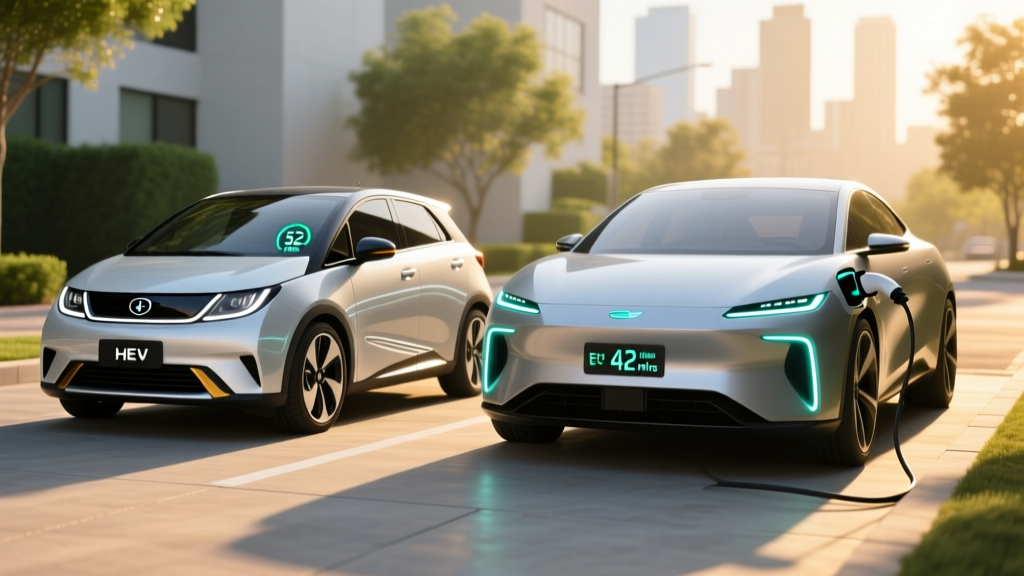
The 2007 Camry Hybrid is a conventional HEV. It's worth understanding what that means compared to the electrified options available today, especially if you're cross-shopping.
HEV vs. PHEV vs. BEV — Quick Comparison
| Feature | HEV (this Camry) | PHEV (e.g., 2026 Prius Prime) | BEV (e.g., 2026 Tesla Model 3) |
|---|---|---|---|
| Plugs in? | No | Yes (Level 1/2) | Yes (Level 1/2/DC) |
| Electric-only range | ~1 mi at low speed | 35–44 mi | 250–360 mi |
| Needs gas? | Yes, always | Yes, after EV range | No |
| Combined MPG / MPGe | 34 MPG | 52 MPG / 127 MPGe | 132 MPGe |
| Home charging install | None needed | $500–$2,000 (L2) | $500–$2,500 (L2) |
| Federal tax credit | None | Up to $7,500 (§30D) | Up to $7,500 (§30D) |
| Used price range (2026) | $4,000–$7,500 | $22,000–$32,000 | $18,000–$35,000 |
Choose the 2007 Camry Hybrid if: You need the lowest possible upfront cost, have no access to home charging, drive in a region with sparse public charging infrastructure, and want a proven, simple powertrain with no plug-in complexity.
Choose a modern PHEV if: You can install a Level 2 home charger, your daily commute is under 40 miles (covering it on electricity), and you want to reduce fuel consumption dramatically while keeping gas for road trips.
Choose a BEV if: You have reliable home charging, want the lowest per-mile operating cost, and are ready to commit to electric-only driving with a 250+ mile range.
Hybrid Battery Life, Warranty, and Replacement Cost
The single biggest concern for any used hybrid buyer is the traction battery. The 2007 Camry Hybrid uses a nickel-metal hydride (NiMH) pack — not the lithium-ion chemistry found in modern EVs and PHEVs. NiMH is less energy-dense but has proven remarkably durable in Toyota's application.
Battery Warranty & Lifespan
Original warranty: 8 years / 100,000 miles (10 years / 150,000 miles in CARB states including California, New York, Massachusetts, and others). Per NHTSA records, this warranty has expired for all 2007 models unless covered by an extended service contract.
Expected lifespan: 150,000–200,000 miles before significant capacity loss. Many original packs have exceeded 200,000 miles with gradual degradation rather than sudden failure.
Replacement cost (2026):
- OEM new battery from Toyota: ~$3,000–$3,500 (parts) + $500–$800 labor = $3,500–$4,300 total
- Refurbished/remanufactured pack: $1,500–$2,500 installed
- Individual cell module replacement (specialist shops): $500–$1,200 depending on how many modules have failed
Signs the Hybrid Battery Is Failing
Watch for these symptoms when test-driving a used 2007 Camry Hybrid:
- The gas engine runs almost constantly, even at low speeds or stopped
- Fuel economy drops below 28 MPG consistently
- A "Check Hybrid System" warning on the dash
- The battery state-of-charge gauge swings rapidly between full and near-empty
- Reduced acceleration (the electric motor isn't contributing peak assist)
A pre-purchase scan with an OBD-II reader that can read Toyota hybrid-specific codes (Techstream or a compatible app like Dr. Prius) can reveal battery block voltage imbalances — the earliest indicator of cell degradation — before the dashboard warning light ever illuminates.
Reliability and Common Issues Beyond the Battery
The 2007 Camry Hybrid benefits from Toyota's peak build-quality era and a powertrain with fewer wear components than a conventional gas car. There's no traditional starter motor, no alternator, and the eCVT has no belts or clutches to replace. Brake pads often last 80,000–100,000+ miles thanks to regenerative braking handling most deceleration.
Known issues to inspect:
- Water pump (electric): The hybrid-specific electric water pump can fail around 120,000–150,000 miles. Replacement runs $400–$600. A failed pump causes the engine to overheat and can trigger hybrid system shutdown.
- Inverter coolant pump: Similar lifespan to the engine water pump. If the inverter overheats, the hybrid system derates or shuts down. Check for inverter coolant flow by looking for turbulence in the reservoir under the hood.
- Brake actuator: Some 2007–2009 Camry Hybrids have experienced premature brake actuator wear, resulting in a firm pedal or ABS warning. Toyota issued a warranty enhancement for some model years — check with a dealer using the VIN.
- 12V auxiliary battery: Located in the trunk, this small lead-acid battery powers the computers and accessories. It typically lasts 3–5 years. If the car won't "start" (enter READY mode), this is often the culprit — not the hybrid battery.
Overall, IIHS rated the 2007 Camry as a Top Safety Pick for its class, and the hybrid shares the same crash structure. Long-term reliability surveys from Consumer Reports historically placed the Camry Hybrid in the "better than average" to "much better than average" tiers.
Pricing, Tax Credits, and Ownership Cost in 2026
As of early 2026, used 2007 Toyota Camry Hybrid pricing generally falls in the $4,000 to $7,500 range depending on mileage, condition, and battery health. Low-mileage examples (under 100,000 miles) with a recently replaced hybrid battery can command up to $8,500.
Tax Credit Eligibility
The 2007 Camry Hybrid does not qualify for any federal tax credit under current IRS §30D rules. The federal hybrid tax credit that was available for new purchases of this model (up to $2,600) expired in 2010 and applied only to the original buyer. The current §30D Clean Vehicle Credit applies to new plug-in hybrids and BEVs meeting battery-sourcing, MSRP, and income requirements — not to conventional HEVs or used vehicles of this age.
Some states offer used-EV or used-hybrid incentives, but these typically apply to PHEVs and BEVs, not conventional hybrids. Check your state's energy office for specifics.
Annual Ownership Cost Estimate
| Expense | Annual Cost |
|---|---|
| Fuel (34 MPG avg, $3.20/gal) | $1,412 |
| Insurance (avg, varies by state/driver) | $900–$1,400 |
| Maintenance (oil, filters, tires, brakes) | $400–$700 |
| Registration & taxes | $100–$300 |
| Estimated annual total | $2,812–$3,812 |
For comparison, a 2007 gas-only Camry 4-cylinder (EPA 24 MPG combined) would cost roughly $2,000/year in fuel alone at the same mileage and gas price — nearly $600 more annually. That fuel savings is the core value proposition of this car.
Who Should Buy the 2007 Camry Hybrid in 2026?
✓ Pros
- 34 MPG combined still beats most modern gas sedans
- Extremely proven powertrain (200k+ mi common)
- No plug-in or charging infrastructure needed
- Low purchase price ($4,000–$7,500)
- Strong acceleration (192 HP net, 7.3s 0–60)
- eCVT is virtually maintenance-free
- Regenerative braking extends brake pad life
✗ Cons
- Hybrid battery likely at end of life if original
- $3,500+ for OEM battery replacement
- No EV-only driving beyond creeping in parking lots
- No federal tax credit available
- Dated interior tech (no CarPlay, basic infotainment)
- Safety tech is 2007-era (no AEB, no lane-keep)
- Highway MPG advantage over gas Camry is modest
This car is ideal for a budget-conscious commuter, a teen driver's first car (with its strong safety record), or a household that needs a reliable second car with minimal operating costs and zero charging hassle. It is not the right choice if you want modern ADAS features, smartphone integration, or the ability to drive on electricity alone.
Frequently Asked Questions
How many MPG does the 2007 Toyota Camry Hybrid get?
The EPA rates it at 33 city / 34 highway / 34 combined MPG. Real-world owners average 30–36 MPG combined depending on driving style, climate, and battery condition. City driving tends to yield the best results.
Does the 2007 Camry Hybrid need to be plugged in?
No. This is a conventional hybrid (HEV), not a plug-in hybrid (PHEV). The battery charges itself through regenerative braking and the gas engine. There is no plug, no charging cable, and no home charging setup required.
How much does it cost to replace the hybrid battery?
A new OEM battery from Toyota costs approximately $3,500–$4,300 installed. Refurbished packs run $1,500–$2,500 installed, and individual module repairs at a hybrid specialist can cost $500–$1,200. The battery is a NiMH pack, not lithium-ion.
Is the 2007 Camry Hybrid reliable at high mileage?
Yes, with proper maintenance. The eCVT, electric motors, and Atkinson-cycle engine are proven to exceed 200,000 miles. The main risk items are the hybrid battery (if original), the electric water pump, and the inverter coolant pump. A pre-purchase hybrid battery health scan is strongly recommended.
Does the 2007 Camry Hybrid qualify for any tax credit?
No. The original federal hybrid tax credit (up to $2,600) expired in 2010 and only applied to new purchases. Current IRS §30D credits apply to new plug-in hybrids and BEVs meeting specific requirements. No used-car credit applies to conventional hybrids.
How does the 2007 Camry Hybrid compare to the Prius of the same era?
The 2007 Prius gets roughly 46 MPG combined — about 12 MPG better. However, the Camry Hybrid offers a larger cabin, more trunk space, a smoother ride, and 192 HP vs. the Prius's 110 HP. If maximum MPG is your only goal, the Prius wins. If you need a midsize sedan with hybrid efficiency, the Camry Hybrid is the better fit.
Can I swap in a newer lithium-ion battery for better MPG?
Not as a straightforward swap. The car's ECU, inverter, and charging system are calibrated for the NiMH pack's voltage and discharge characteristics. Aftermarket lithium conversions exist but are expensive ($4,000–$6,000+), void any remaining drivetrain integrity, and are not recommended for daily-driver reliability.