Quick Verdict: A Pioneer That Still Has Legs
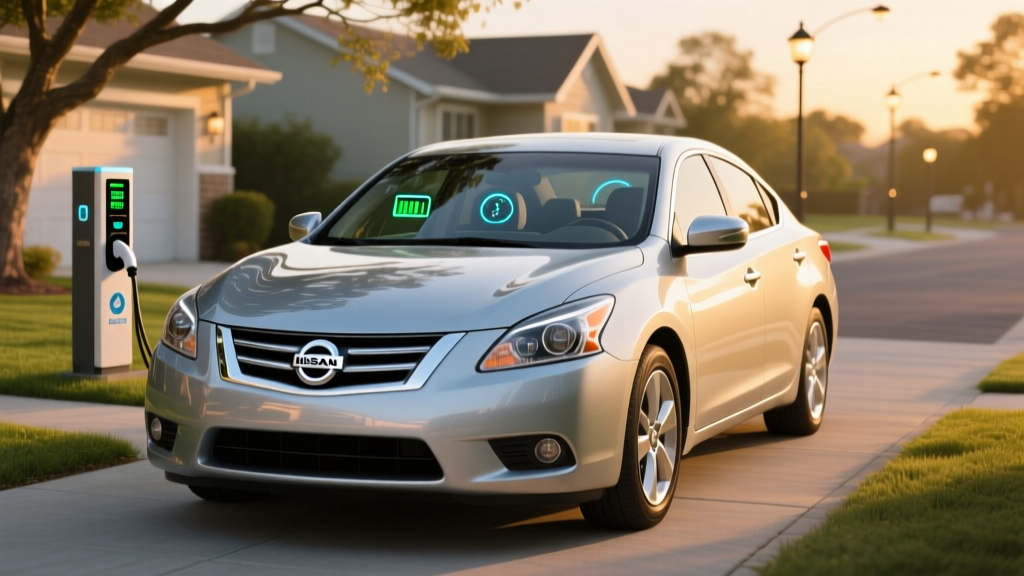
The 2007 Nissan Altima Hybrid holds a unique place in automotive history. It was Nissan's first-ever hybrid sold in the United States, and it arrived with a surprising twist: the hybrid powertrain wasn't Nissan's own. It was licensed directly from Toyota, using the same Hybrid Synergy Drive architecture found in the contemporary Camry Hybrid. That decision gave the Altima Hybrid bulletproof reliability credentials but also limited its production run to just a handful of CARB (California Air Resources Board) states.
If you're researching this car in 2026, you're almost certainly looking at the used market. With examples now selling for $3,000–$6,500 depending on mileage and condition, the Altima Hybrid occupies a compelling niche: a midsize sedan with genuine hybrid fuel savings, no plug required, and a powertrain with Toyota-level durability. But at nearly 20 years old, battery condition is the make-or-break variable. Here's everything you need to know before buying one.
HEV vs. PHEV: Where the Altima Hybrid Fits
Conventional Hybrid (HEV): The 2007 Altima Hybrid is a conventional hybrid. It has a small battery pack (roughly 1.3 kWh gross, ~0.9 kWh usable) that charges itself through regenerative braking and the gasoline engine. You never plug it in. There is no electric-only driving range of any meaningful distance — the electric motor assists the engine and enables brief low-speed EV mode, but the gas engine is always the primary power source.
Plug-In Hybrid (PHEV): Modern PHEVs like the Toyota RAV4 Prime or Chrysler Pacifica Hybrid carry much larger batteries (15–20+ kWh), can be plugged into a wall outlet or Level 2 charger, and deliver 25–45 miles of electric-only range before the gas engine kicks in. The Altima Hybrid does none of this.
Full EV (BEV): Battery electric vehicles have no gas engine at all, require regular charging, and deliver 200–400+ miles of range. The Altima Hybrid shares nothing with this category except the word "electric" in its motor description.
This distinction matters because some used-car listings mistakenly describe older HEVs with language that implies plug-in capability. The 2007 Altima Hybrid has no charging port. You fuel it exclusively at a gas station.
Powertrain Specs: Toyota DNA Under a Nissan Badge
| Specification | 2007 Nissan Altima Hybrid |
|---|---|
| Engine | 2.5L inline-4 (QR25DE) — Atkinson cycle |
| Engine Horsepower | 158 hp @ 5,200 rpm |
| Electric Motor | Permanent-magnet synchronous, integrated in transaxle |
| Combined System Output | 198 hp |
| Transmission | eCVT (electronically controlled continuously variable) |
| Battery Type | NiMH (Nickel-Metal Hydride) |
| Battery Capacity (gross) | ~1.3 kWh |
| Drivetrain | Front-wheel drive |
| 0–60 mph | ~8.6 seconds (est.) |
| Curb Weight | ~3,480 lbs |
| Production Years | 2007–2011 |
Nissan licensed Toyota's second-generation Hybrid Synergy Drive system, the same planetary-gear eCVT architecture that powered the 2007–2011 Toyota Camry Hybrid. The 2.5-liter four-cylinder runs the Atkinson cycle — it sacrifices some low-RPM torque for greater thermal efficiency — and pairs with an electric motor sandwiched inside the transaxle. Combined output is 198 horsepower, which was respectable for a midsize hybrid sedan of that era.
The eCVT contains no traditional belts or pulleys. It uses a planetary gearset to blend engine and motor power seamlessly. This is the same design that has proven extraordinarily durable across millions of Toyota hybrids worldwide, and it's a key reason the Altima Hybrid's powertrain tends to outlast the rest of the car.
Fuel Economy: EPA Numbers and Real-World MPG
| Driving Cycle | EPA Estimate | Real-World Expectation |
|---|---|---|
| City | 35 MPG | 33–38 MPG |
| Highway | 33 MPG | 30–34 MPG |
| Combined | 34 MPG | 32–36 MPG |
According to fueleconomy.gov, the 2007 Altima Hybrid is rated at 35 MPG city, 33 MPG highway, and 34 MPG combined. These numbers reflect the original EPA test cycles and remain the official reference.
In real-world ownership, hybrid fuel economy behaves differently than gas-only cars. City driving — with frequent stops that trigger regenerative braking — is where this powertrain shines. Many owners report matching or slightly exceeding the 35 MPG city figure in stop-and-go traffic. Highway driving at sustained 70–80 MPH speeds yields less benefit from the hybrid system, and expect 30–33 MPG depending on terrain, tire condition, and ambient temperature.
A critical variable at this vehicle's age is battery state of health (SoH). A degraded NiMH pack will force the engine to run more often to compensate, dropping real-world MPG by 2–4 MPG. Before purchasing, ask for a hybrid battery health readout via an OBD-II scanner that supports Toyota/Nissan hybrid protocols, or have a qualified mechanic perform a load test.
Hybrid Battery Lifespan, Warranty & Replacement Cost
Battery Chemistry: Nickel-Metal Hydride (NiMH) — a proven, thermally stable chemistry that degrades gradually rather than failing catastrophically. NiMH packs in Toyota-sourced systems routinely last 150,000–200,000+ miles before significant capacity loss.
Replacement Cost (2026):
- Remanufactured NiMH pack (e.g., GreenTech Automotive, Dorman): $1,200–$2,000 (part only)
- Professional installation (dealer or hybrid specialist): $500–$900 labor
- Total out-of-pocket replacement: $1,700–$2,900
- Individual cell/module reconditioning (DIY or specialist): $200–$600
The NiMH battery is the single biggest risk factor on any used hybrid of this age. However, the Toyota-sourced Hybrid Synergy Drive system has an exceptional longevity track record. The NiMH modules degrade slowly — you'll notice a gradual decline in fuel economy and EV-mode frequency rather than a sudden failure. Many 2007–2011 Camry Hybrids (sharing the identical powertrain) are still running on their original packs past 200,000 miles.
If the battery does need replacement, the aftermarket ecosystem for this specific system is robust. Because the Altima Hybrid shares its hybrid components with the Camry Hybrid of the same generation, remanufactured packs and individual NiMH modules are widely available. A hybrid-specialist shop can often recondition the existing pack by replacing only the weak modules, bringing costs down to under $600.
For context, compare this to a modern lithium-ion EV battery replacement, which can cost $8,000–$20,000+. The Altima Hybrid's small NiMH pack is one of the most affordable hybrid battery replacements in the used-car market.
Tax Credits and Incentives: What Applies in 2026?
The 2007 Nissan Altima Hybrid originally qualified for a federal tax credit of up to $2,350 under the Energy Policy Act of 2005. However, that credit was subject to a manufacturer cap of 250,000 qualifying vehicles, and Nissan hit that cap years ago. The original credit has been unavailable for new purchases since approximately 2008–2009.
For current used buyers in 2026:
- Federal §30D New EV Credit ($7,500): Does NOT apply. This credit is for new plug-in electric vehicles (BEVs and PHEVs) meeting battery sourcing, MSRP caps, and buyer income limits per IRS guidelines. The Altima Hybrid is a conventional HEV and is not a plug-in vehicle.
- Federal Used EV Credit (§25E, up to $4,000): Does NOT apply. This credit requires the vehicle to be a qualified plug-in electric vehicle or fuel cell vehicle. Conventional hybrids are excluded.
- State incentives: A small number of states offer modest rebates or HOV-lane access for hybrids, but most have shifted incentives toward PHEVs and BEVs. Check your state's current programs.
Bottom line: there is no federal tax credit available for purchasing a used 2007 Altima Hybrid in 2026. The economic case rests entirely on the vehicle's low purchase price and fuel savings versus a comparable gas-only sedan.
Ownership Economics: Does It Still Save Money?
Let's run the numbers for a 2026 buyer considering a 2007 Altima Hybrid versus a comparable gas-only 2007 Altima 2.5S (rated 23 city / 32 highway / 26 combined per EPA):
| Cost Factor | 2007 Altima Hybrid (34 MPG) | 2007 Altima 2.5S Gas (26 MPG) |
|---|---|---|
| Average Used Price (2026) | $4,500 | $3,800 |
| Annual Miles | 12,000 | 12,000 |
| Gas Price (assumed) | $3.40/gal | $3.40/gal |
| Annual Fuel Cost | $1,200 | $1,569 |
| 5-Year Fuel Cost | $6,000 | $7,845 |
| 5-Year Fuel Savings (Hybrid) | $1,845 | |
| Hybrid Battery Replacement Risk | ~$2,000 (if needed) | $0 |
| Net 5-Year Advantage (Hybrid) | ~$0 to $1,845 depending on battery | |
The hybrid's fuel savings are real but modest at this price point. If the original NiMH battery holds up — and statistically it should — the hybrid saves roughly $1,845 in fuel over five years, more than offsetting the typical $700 purchase-price premium over the gas model. If you need a battery replacement, the savings roughly break even.
Where the Altima Hybrid genuinely wins is as a high-mileage commuter. At 15,000+ miles per year with heavy city driving, the annual fuel savings climb to $450–$550, and the payback period shortens considerably. Insurance costs are comparable to the gas Altima, and maintenance follows standard Nissan intervals with the added benefit that the eCVT eliminates traditional transmission fluid changes and the regenerative braking system extends brake pad life significantly.
Reliability: The Toyota Factor
The 2007 Altima Hybrid benefits from an unusual reliability dynamic. The hybrid powertrain — engine, eCVT, motor, and battery — is Toyota-engineered and carries the exceptional durability record of that system. The rest of the car is the 2007–2012 Altima platform (Nissan's D platform), which has its own set of known issues:
- Hybrid powertrain: Excellent. The eCVT has no wear items (no clutch packs, no bands, no torque converter). The Toyota-sourced inverter and motor are proven past 250,000 miles. NiMH battery longevity is strong as detailed above.
- Brakes: Regenerative braking means the friction brakes engage less often. Original brake pads lasting 80,000–100,000 miles is common.
- Steering and suspension: Standard Altima wear items — control arm bushings, struts, tie rods — follow typical 100,000–130,000-mile replacement intervals.
- Electrical (non-hybrid): The 2007–2012 Altima generation has reported issues with power window regulators, door lock actuators, and occasionally the smart key system. These are unrelated to the hybrid system.
- Availability note: Nissan sold the Altima Hybrid only in eight CARB states: California, Connecticut, Maine, Massachusetts, New Jersey, New York, Oregon, and Rhode Island. Finding one outside these states is uncommon.
For safety context, the 2007 Altima earned a Good rating in the IIHS moderate overlap front test and Acceptable in the side-impact test. Check IIHS ratings for full crash-test results, as safety standards and testing have advanced significantly since this vehicle's era.
Who Should Buy the 2007 Altima Hybrid — and Who Shouldn't
Pros
- Toyota-sourced hybrid system with proven 200K+ mile durability
- 34 MPG combined — meaningful savings vs. 26 MPG gas Altima
- No plug-in charging required — fuel at any gas station
- Affordable battery replacement ($1,700–$2,900) if needed
- Low purchase price ($3,000–$6,500 in 2026)
- Extended brake pad life from regenerative braking
- 198 hp — adequate acceleration for highway merging
Cons
- No federal or state tax credits available
- Sold only in 8 CARB states — limited used inventory nationally
- NiMH battery is original and nearing end of statistical life
- 2007-era interior tech (no Bluetooth audio, basic nav)
- Not a PHEV — no electric-only commuting range
- Safety ratings below modern standards
- eCVT engine drone under hard acceleration
- You commute in heavy city traffic and want real fuel savings without plugging in
- You're in a CARB state where used inventory is available
- You want a Toyota-grade hybrid drivetrain at a Nissan used-car price
- You're comfortable budgeting $2,000 for a potential battery replacement
- You drive 12,000+ miles/year and want to reduce fuel cost without buying new
- You want electric-only commuting (consider a used Toyota Prius Prime, Chevy Volt, or Ford Fusion Energi)
- You have home Level 2 charging and want to maximize electricity use
- You want modern safety tech (AEB, lane-keeping, blind-spot monitoring)
- You want eligibility for the federal used-EV tax credit (up to $4,000 on qualifying used PHEVs/BEVs)
- You drive mostly highway miles where the hybrid advantage shrinks
- You want the widest possible used-car selection nationwide
- You prefer to avoid any hybrid battery replacement risk
Frequently Asked Questions
How many MPG does the 2007 Altima Hybrid get?
The EPA rates it at 35 MPG city, 33 MPG highway, and 34 MPG combined. In real-world driving, expect 33–38 MPG in city traffic and 30–34 MPG on the highway. City driving with frequent stops yields the best results because regenerative braking recaptures energy that a gas-only car wastes as heat.
Does the 2007 Altima Hybrid need to be plugged in?
No. This is a conventional hybrid (HEV), not a plug-in hybrid (PHEV). The battery charges itself through regenerative braking and the gasoline engine. There is no charging port. You fuel it exclusively at a gas station, just like any other car.
How far can it drive on electric power alone?
Effectively zero meaningful miles. The system can operate in EV mode at very low speeds (under ~25 MPH) for brief distances — typically under one mile — when the battery is sufficiently charged. This is an assist feature, not an electric-driving mode. The gasoline engine is always the primary power source.
Is the 2007 Altima Hybrid reliable?
The hybrid powertrain is exceptionally reliable because it is Toyota-engineered. The eCVT, electric motor, and NiMH battery share architecture with the Camry Hybrid, which has one of the strongest longevity records in the industry. The rest of the car carries typical 2007 Altima reliability — watch for standard wear items in suspension, power accessories, and interior electronics.
What does a replacement hybrid battery cost?
Expect $1,700–$2,900 for a remanufactured NiMH pack with professional installation. Individual module reconditioning by a hybrid specialist can cost as little as $200–$600. Because this system shares components with the Toyota Camry Hybrid of the same era, parts availability is strong and pricing is competitive.
Does it qualify for any tax credit in 2026?
No. The original federal hybrid tax credit (up to $2,350) expired after Nissan reached its manufacturer cap around 2008–2009. The current federal §30D credit applies only to new plug-in electric vehicles, and the §25E used-EV credit also requires a plug-in vehicle. Conventional hybrids like the Altima Hybrid are not eligible for any current federal purchase incentive. Check IRS clean vehicle credit rules for the latest eligibility details.
Why was the Altima Hybrid only sold in certain states?
Nissan limited sales to eight CARB (California Air Resources Board) states — California, Connecticut, Maine, Massachusetts, New Jersey, New York, Oregon, and Rhode Island — because these states had emissions regulations that made selling hybrids strategically advantageous. Nissan's hybrid licensing agreement with Toyota reportedly also limited production volume, making a limited-state rollout practical.
How does the Altima Hybrid compare to a 2007 Toyota Camry Hybrid?
They share the same Toyota Hybrid Synergy Drive powertrain and deliver nearly identical fuel economy (the Camry Hybrid was EPA-rated at 33 city / 34 highway / 34 combined for 2007). The Altima has slightly different styling, interior, and chassis tuning. The Camry Hybrid was sold nationwide and has far greater used inventory. If you can't find an Altima Hybrid in your area, the Camry Hybrid is the mechanical twin and a direct alternative.