Quick Verdict: A Pioneer That Still Delivers
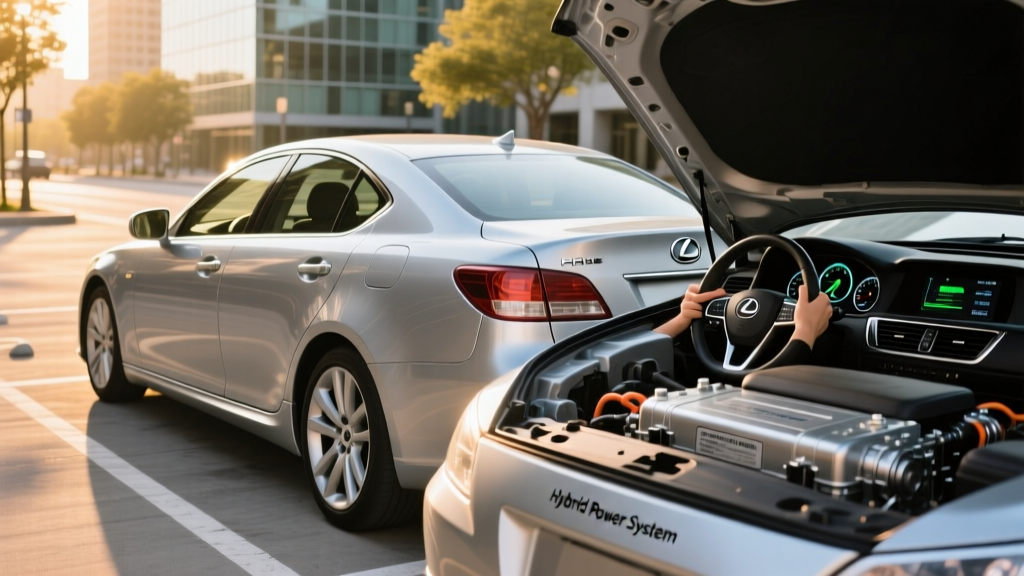
The 2007 Lexus GS 450h hybrid was one of the first luxury performance sedans to pair a V6 engine with an electric motor in a serious bid for both power and efficiency. Nearly two decades later, this rear-wheel-drive hybrid remains a compelling used-car option for buyers who want Lexus reliability, 339 combined horsepower, and fuel economy that still outpaces many non-hybrid V6 sedans from the same era. But as a 19-year-old vehicle in 2026, the real questions center on battery health, replacement costs, and whether this early-generation hybrid system can still be trusted as a daily driver.
This guide breaks down everything you need to know about the 2007 GS 450h — from its EPA fuel economy figures and powertrain specs to real-world ownership costs, hybrid battery longevity, and how it compares to modern hybrids, PHEVs, and full EVs available today.
2007 Lexus GS 450h: Powertrain and Performance Specs
| Specification | Detail |
|---|---|
| Engine | 3.5L V6 (2GR-FSE) with direct + port injection |
| Engine Output | 292 HP @ 6,400 rpm / 267 lb-ft torque |
| Electric Motor | 197 HP permanent-magnet AC motor (1KM) |
| Combined System Output | 339 HP (net) |
| Transmission | L110E 2-stage planetary CVT (hybrid-specific) |
| Drivetrain | Rear-wheel drive (RWD) |
| 0–60 mph | 5.6 seconds (Motor Trend tested) |
| Hybrid Battery | ~288V NiMH (nickel-metal hydride), approximately 1.8 kWh gross |
| Curb Weight | 4,255 lbs |
| Original MSRP | $55,595 (base) |
The GS 450h's hybrid system was sophisticated for its time. Unlike the simpler power-split setups in the Prius, Lexus used a two-stage planetary gear reduction in the L110E transmission. This allowed the electric motor to operate efficiently at both low and high vehicle speeds — a key reason the GS 450h could deliver 339 net horsepower while still achieving mid-20s MPG. The system seamlessly blends engine and electric motor torque, and the electric motor can briefly propel the car at low speeds (parking lots, stop-and-go traffic) without the engine running, though this EV-mode range is effectively under 1 mile.
Fuel Economy: EPA Numbers vs Real-World MPG
| Driving Condition | EPA Estimate | Real-World Expectation (2026) |
|---|---|---|
| City | 22 MPG | 21–24 MPG (hybrids often match or exceed EPA city) |
| Highway | 25 MPG | 23–25 MPG |
| Combined | 23 MPG | 22–24 MPG |
Source: EPA Fuel Economy — 2007 Lexus GS 450h
For a 4,255-pound luxury sedan with 339 HP, 23 MPG combined was genuinely impressive in 2007 — and it remains competitive with many modern non-hybrid V6 sedans. The hybrid system's biggest advantage is in city driving, where regenerative braking recaptures energy at every stop and the electric motor handles low-speed propulsion. Owners who do mostly city and suburban driving often report hitting 24 MPG or slightly more.
However, context matters in 2026. Modern midsize hybrids like the Toyota Camry Hybrid achieve 44–52 MPG combined. Even the current Lexus ES 300h delivers 44 MPG combined. The GS 450h's fuel economy advantage was significant in 2007 but has been eclipsed by nearly two decades of hybrid system refinement, lighter vehicle architectures, and more efficient Atkinson-cycle engines. You're buying this car for its combination of luxury, performance, and hybrid novelty — not for class-leading efficiency.
Hybrid Battery Health, Lifespan, and Replacement Cost
The single biggest concern for any 2007 GS 450h buyer in 2026 is the condition of the nickel-metal hydride (NiMH) hybrid battery. This pack operates at approximately 288 volts and stores roughly 1.8 kWh of gross energy — a small buffer by modern standards, but sufficient for the brief EV-mode assists and regenerative energy capture this system requires.
Expected Battery Lifespan
NiMH batteries in Toyota/Lexus hybrids from this era typically last 150,000 to 200,000 miles or 12–18 years before significant degradation forces a replacement. Many GS 450h and RX 400h owners have reported original batteries surviving past 180,000 miles with proper care. However, at nearly 19 years old in 2026, any surviving original battery is living on borrowed time. Heat exposure, frequent deep discharge cycles, and prolonged sitting (which damages NiMH cells) all accelerate degradation.
Battery Replacement Costs
| Option | Estimated Cost (2026) | Notes |
|---|---|---|
| New OEM (Lexus dealer) | $3,500 – $5,000+ | Full new pack; may be difficult to source for a 2007 model |
| Refurbished/remanufactured | $1,500 – $2,800 | Replaced weak cells; 1–3 year warranty typical |
| Used/salvage yard | $500 – $1,200 | Unknown remaining life; high risk |
| Individual cell replacement | $300 – $800 (DIY/specialist) | Only viable if 1–2 cells are weak; requires expertise |
For most buyers, a quality refurbished pack from a reputable hybrid specialist (typically $2,000–$2,800 installed) offers the best balance of cost and reliability. Factor this potential expense into your purchase budget. A pre-purchase inspection by a hybrid-qualified technician — including a battery load test and cell voltage balance check — is non-negotiable before buying.
Reliability and Common Issues Beyond the Battery
The 2GR-FSE V6 engine in the GS 450h is one of Toyota's most durable powerplants. With regular oil changes (full synthetic 5W-30 every 5,000–7,500 miles), these engines routinely exceed 250,000 miles. The hybrid system itself — the inverter, electric motor, and planetary transmission — has proven remarkably reliable, with few widespread failure patterns.
Known issues to check on a 2007 GS 450h include:
- Brake actuator assembly: The electronically controlled brake system (ECB) uses a hydraulic actuator that can fail on high-mileage examples. Replacement runs $1,200–$1,800. Listen for unusual brake pedal feel or pump cycling.
- Water pump: The engine water pump is a known wear item around 100,000–130,000 miles. The hybrid system has a separate electric water pump for the inverter cooling loop — both should be inspected.
- Dashboard/interior: Early GS models had issues with sticky or melting dashboard surfaces in hot climates. Lexus issued a warranty enhancement for some model years — check whether your VIN was covered.
- Suspension: The GS 450h is heavy (4,255 lbs). Control arm bushings, sway bar links, and shock absorbers are typical wear items at this age.
- 12V auxiliary battery: Like all hybrids, the GS 450h has a standard 12V battery that powers electronics and boots the hybrid system. A weak 12V battery can cause a cascade of warning lights even when the hybrid battery is fine.
Overall, the GS 450h rates as one of the more reliable luxury performance sedans of its era — a direct benefit of Toyota/Lexus engineering discipline. The hybrid system adds complexity but has proven less failure-prone than the turbochargers, air suspensions, and dual-clutch transmissions found in competing German sedans from the same period.
Does the 2007 GS 450h Qualify for Any Tax Credit?
No. The 2007 Lexus GS 450h does not qualify for the current federal §30D Clean Vehicle tax credit (up to $7,500) for two reasons:
- The §30D credit applies only to plug-in electric vehicles (BEVs and PHEVs) with a minimum battery capacity of 4 kWh that can be recharged from an external power source. The GS 450h is a conventional hybrid (HEV) with no plug.
- The credit applies to new vehicle purchases (or, under the used-vehicle credit §25E, up to $4,000 for qualifying used plug-in EVs/PHEVs sold through a dealer for $25,000 or less). A conventional hybrid is ineligible under both provisions.
Some states offer rebates or incentives for hybrid vehicles, but these are typically aimed at new purchases and have largely shifted focus to PHEVs and BEVs. Check your state's energy or environmental agency website for any remaining hybrid incentives. Per IRS guidelines on clean vehicle credits, only plug-in vehicles with external charging capability qualify.
2007 GS 450h vs Modern Hybrids, PHEVs, and EVs: Which Should You Choose?
The GS 450h occupies a specific niche: an affordable, powerful, luxury hybrid sedan for buyers who want something different from the typical used-Camry purchase. Here's how it stacks up against the alternatives available in 2026.
Choose the 2007 GS 450h If:
- You want a powerful (339 HP), RWD luxury sedan under $8,000–$12,000
- You value Lexus build quality and interior materials
- You have access to a trusted hybrid specialist for maintenance
- You drive 8,000–12,000 miles/year (fuel savings vs a non-hybrid V6 are modest)
- You appreciate the car's pioneering hybrid heritage
Look at a Modern Hybrid, PHEV, or EV If:
- Fuel economy is your top priority (modern hybrids deliver 40–55 MPG)
- You want current safety tech (automatic emergency braking, lane-keeping, blind-spot monitoring)
- You want a warranty — any new hybrid, PHEV, or EV comes with full factory coverage
- You want to qualify for federal tax credits ($7,500 new / $4,000 used for qualifying plug-in vehicles)
- You drive 15,000+ miles/year — the fuel savings from a 45+ MPG hybrid pay off quickly
| Vehicle | Combined MPG / MPGe | HP | Type | 2026 Price Range |
|---|---|---|---|---|
| 2007 Lexus GS 450h | 23 MPG | 339 | HEV | $6,000–$12,000 (used) |
| 2026 Lexus ES 300h | 44 MPG | 215 | HEV | $44,000+ (new) |
| 2026 Toyota Prius Prime | 48 MPG + 44 mi EV | 220 | PHEV | $34,000+ (new) |
| 2026 Hyundai Ioniq 6 | 140 MPGe | 320 | BEV | $38,000+ (new) |
2007 Lexus GS 450h: Pros and Cons in 2026
Pros
- 339 HP provides genuinely quick acceleration (5.6s to 60 mph)
- Lexus reliability and build quality; 2GR-FSE V6 is proven durable
- 23 MPG combined still respectable for a 4,255-lb RWD V6 sedan
- Luxury interior with features ahead of its time (Mark Levinson audio, adaptive suspension on some trims)
- Affordable entry price ($6,000–$12,000 in 2026 used market)
- Unique — few 2007-era performance hybrids exist
Cons
- Hybrid battery is 19 years old — replacement ($1,500–$5,000) is likely imminent or overdue
- No modern safety features (no AEB, no lane-keeping, no blind-spot monitoring)
- Fuel economy far surpassed by modern hybrids (44+ MPG)
- No federal tax credit eligibility
- Heavy curb weight (4,255 lbs) means higher tire and brake wear
- Parts availability may decline as the model ages further
- Outdated infotainment and navigation system
Frequently Asked Questions
How many MPG does the 2007 Lexus GS 450h hybrid get?
The EPA rates the 2007 GS 450h at 22 MPG city, 25 MPG highway, and 23 MPG combined. Real-world results typically fall within 21–24 MPG combined depending on driving style, battery health, and climate. City driving tends to yield better results than highway cruising because regenerative braking recaptures energy at low speeds.
Is the 2007 GS 450h a plug-in hybrid? Can it drive on electric only?
No. The 2007 GS 450h is a conventional hybrid (HEV). It has no charging port and no meaningful electric-only range. The electric motor assists the gasoline engine and can briefly propel the car at very low speeds (parking lots), but it cannot sustain highway speeds or travel more than a fraction of a mile on electric power alone. You never plug this car in — it generates its own electricity through regenerative braking and engine-driven generation.
How much does it cost to replace the hybrid battery?
A refurbished/remanufactured NiMH hybrid battery for the 2007 GS 450h typically costs $1,500–$2,800 installed through a hybrid specialist. A brand-new OEM battery from a Lexus dealer may cost $3,500–$5,000+ if still available. Used/salvage batteries are cheaper ($500–$1,200) but carry significant risk due to unknown remaining cell life.
Is the 2007 GS 450h reliable?
Yes, by the standards of a 19-year-old luxury performance sedan. The 2GR-FSE V6 engine and Lexus hybrid drivetrain have proven durable. The main reliability concerns are age-related: the hybrid battery (likely at end-of-life if original), the brake actuator assembly, water pumps, and suspension components. A pre-purchase inspection by a hybrid-qualified technician is essential.
Does the 2007 Lexus GS 450h qualify for any tax credit?
No. Federal §30D and §25E clean vehicle tax credits apply only to plug-in vehicles (BEVs and PHEVs). The GS 450h is a conventional hybrid with no plug, making it ineligible. Some states may have offered hybrid incentives at the time of original purchase, but these have long since expired or shifted to plug-in vehicles.
How does the GS 450h compare to a modern hybrid sedan?
Modern hybrids like the 2026 Lexus ES 300h (44 MPG combined, 215 HP) deliver nearly double the fuel economy with modern safety technology, infotainment, and full warranty coverage — but at $44,000+ new. The GS 450h trades efficiency and technology for raw power (339 HP), RWD dynamics, and a sub-$12,000 purchase price. It's a value play for enthusiasts, not an efficiency play for commuters.
What should I check before buying a used 2007 GS 450h?
Prioritize a hybrid battery health check (cell voltage balance and load test), brake actuator inspection, water pump condition, and a full service history review. Verify whether the hybrid battery has ever been replaced — a documented replacement with a reputable refurbished pack is actually a positive, as it means you won't face that expense immediately. Check for the dashboard melting TSB and any outstanding recalls via NHTSA's recall lookup.
Sources: EPA Fuel Economy, IRS Clean Vehicle Credits, NHTSA Recalls. Prices and availability reflect the 2026 used market and current federal tax rules. State/local incentives vary — consult official sources for your jurisdiction.