2006 Toyota Hybrid Highlander MPG: What the Numbers Actually Show
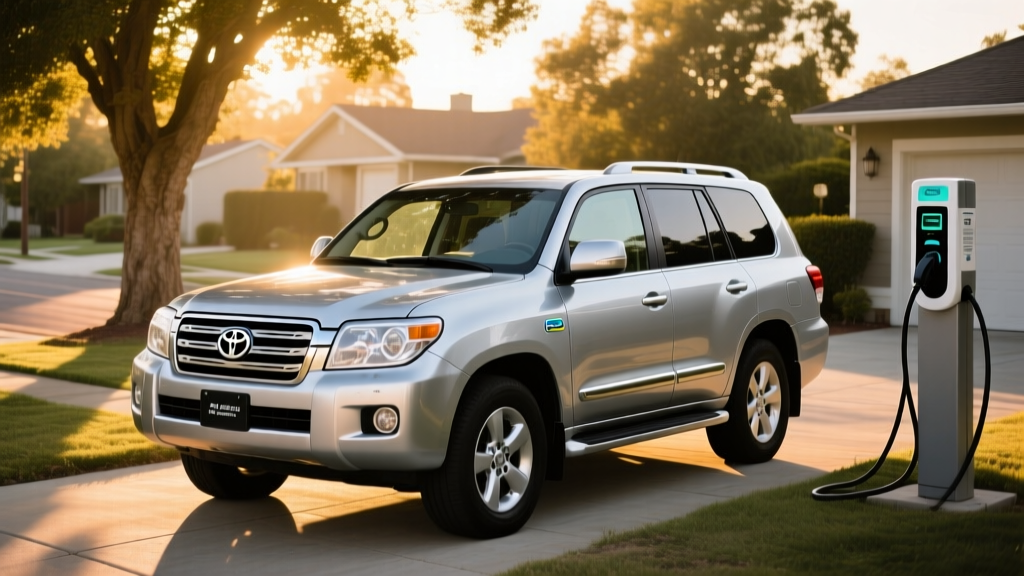
The 2006 Toyota Highlander Hybrid was one of the first mainstream midsize SUVs to pair a V6 engine with an electric motor system, promising better fuel economy without sacrificing utility. Nearly two decades later, it remains a common sight on the used market, and buyers searching for 2006 Toyota Hybrid Highlander MPG data want to know one thing above all else: does it still deliver?
The short answer is yes — but with important caveats that only emerge once you look past the EPA sticker and into real-world ownership. This guide breaks down every efficiency figure, battery concern, and cost factor you need before purchasing this early-generation hybrid SUV in 2026.
EPA Fuel Economy vs. Real-World MPG
| Metric | Value |
|---|---|
| City MPG | 31 |
| Highway MPG | 27 |
| Combined MPG | 28 |
| Fuel Tank Capacity | 17.2 gal |
| Estimated Total Range | ~481 miles |
Source: fueleconomy.gov — 2006 Toyota Highlander Hybrid
Why City MPG Beats Highway
Like most Toyota hybrids using the Hybrid Synergy Drive system, the 2006 Highlander Hybrid performs best in stop-and-go city driving. The electric motor handles low-speed acceleration, regenerative braking recaptures energy at every stop, and the gasoline V6 shuts off at idle. On the highway, the vehicle relies more heavily on the 3.3L V6 engine, which is why the highway rating drops to 27 MPG.
Real-World Owner Reports
Data from owner forums and fuel-tracking platforms like Fuelly show that most 2006 Highlander Hybrid owners average 26–30 MPG combined in 2026. Several factors explain the variance from the EPA estimate:
- Hybrid battery age: The original NiMH battery pack is now 20 years old. Degraded batteries reduce electric-motor assist, forcing the gasoline engine to work harder and lowering MPG by 2–4 MPG.
- Driving terrain: Hilly routes can drop observed fuel economy to 24–25 MPG; flat suburban driving can push it to 30+.
- Cold weather: Below 40°F, expect a 10–15% efficiency drop as the engine runs longer to heat the cabin and maintain battery temperature.
- Tire and maintenance condition: Underinflated tires, dirty air filters, and old spark plugs erode the hybrid advantage.
Powertrain and Hybrid System Specs
The 2006 Highlander Hybrid uses Toyota's second-generation Hybrid Synergy Drive, combining a gasoline engine with two motor-generators and a nickel-metal hydride (NiMH) battery pack. Here is the complete breakdown:
| Component | Specification |
|---|---|
| Gasoline Engine | 3.3L V6, 208 HP |
| Electric Motor | 120 kW (161 HP) front motor |
| Net System Horsepower | 270 HP |
| Hybrid Battery Type | NiMH (Nickel-Metal Hydride) |
| Hybrid Battery Capacity | ~1.9 kWh (nominal) |
| Drivetrain | AWD (eCVT) |
| 0–60 MPH | ~6.6 seconds |
| Towing Capacity | 3,500 lbs |
The combined 270 HP output was impressive for a 2006 midsize SUV and remains adequate for modern highway merging and passing. The eCVT (electronically controlled continuously variable transmission) delivers seamless power without the shift shock of a conventional automatic.
HEV vs. PHEV vs. EV: Where the 2006 Highlander Hybrid Fits
This is a conventional hybrid (HEV), not a plug-in hybrid (PHEV) or a battery-electric vehicle (BEV). Understanding the distinction is essential before shopping:
HEV (This Vehicle)
- No plug required
- Charges via regenerative braking and engine
- Small battery (~1.9 kWh)
- No electric-only range
- 28 MPG combined
PHEV
- Plug-in charging required for EV range
- Larger battery (15–25 kWh typical)
- 20–50 miles electric-only
- Gas engine for longer trips
- May qualify for §30D tax credit
BEV (Full EV)
- 100% electric, no gasoline
- Large battery (60–100+ kWh)
- 250–400+ miles range
- Requires home or public charging
- Eligible for up to $7,500 §30D credit
The 2006 Highlander Hybrid never had a plug-in variant. If you want electric-only driving from a Toyota SUV, the current-generation RAV4 Prime PHEV (42 miles EV range) or the bZ4X BEV are the modern equivalents — at significantly higher purchase prices.
Who Should Choose This Hybrid?
The 2006 Highlander Hybrid makes sense for a specific buyer profile in 2026:
- Budget-conscious families who need three-row seating, AWD, and better-than-average fuel economy but cannot afford a $45,000+ new hybrid or EV.
- Short-to-medium commuters (under 40 miles round-trip) who do mostly city and suburban driving where the hybrid system shines.
- Buyers without home charging access — apartment dwellers or street parkers who cannot install a Level 2 charger and are not ready for a PHEV or BEV.
- Second-vehicle households where the Highlander Hybrid handles daily errands while another vehicle covers long road trips.
Who Should Look Elsewhere?
- High-mileage highway commuters (60+ miles/day, mostly highway) — the hybrid advantage diminishes at sustained highway speeds, and a modern diesel or efficient gas sedan may match its MPG.
- Buyers seeking zero tailpipe emissions — this is still a gasoline-burning vehicle; only a BEV eliminates tailpipe emissions entirely.
- Those who want the latest safety tech — the 2006 model lacks automatic emergency braking, lane-keeping assist, and blind-spot monitoring standard on even budget 2026 vehicles.
Hybrid Battery Lifespan, Warranty, and Replacement Cost
The single biggest concern for any used hybrid buyer is the traction battery. Here is what you need to know about the 2006 Highlander Hybrid's NiMH pack:
Expected Battery Lifespan
Toyota's NiMH hybrid batteries from this era are remarkably durable. Many 2006 Highlander Hybrids have reached 180,000–250,000 miles on the original battery. However, at 20 years old, most surviving examples are operating on reduced battery capacity. Signs of degradation include:
- Noticeable drop in fuel economy (3–5 MPG below EPA)
- The gasoline engine running more frequently, even at low speeds
- Reduced regenerative braking feel
- A dashboard warning light indicating hybrid system or battery fault
Battery Replacement Cost in 2026
| Option | Cost Range | Notes |
|---|---|---|
| New OEM Toyota Battery | $3,500–$4,500 | Installed at dealership; may be discontinued |
| Remanufactured Battery | $2,000–$3,000 | Rebuilt with tested cells; 1–3 year warranty typical |
| Used/Salvage Battery | $800–$1,500 | Risky; unknown remaining lifespan |
| Individual Cell Replacement | $500–$1,200 | Specialist shops replace only failed modules |
For a vehicle with a current market value of $5,000–$9,000, a $2,000–$3,000 remanufactured battery replacement is often the most cost-effective choice. It can restore original MPG figures and extend the vehicle's useful life by another 5–8 years.
Tax Credits and Incentives in 2026
Because the 2006 Highlander Hybrid is a conventional HEV (not a PHEV or BEV), it does not qualify for the federal §30D clean vehicle tax credit. That credit, worth up to $7,500, is reserved for new plug-in electric vehicles meeting battery-sourcing, MSRP, and buyer-income requirements outlined by the IRS.
For used hybrid purchases in 2026, consider these alternatives:
- State-level incentives: A few states offer rebates for used hybrid purchases or for registering high-efficiency vehicles. Check your state's energy or environmental agency website for current programs.
- Insurance discounts: Some insurers (notably GEICO and Liberty Mutual) offer 5–10% discounts for hybrid vehicles due to their statistically lower claim rates.
- No federal used-EV credit: The §25E used clean vehicle credit (up to $4,000) applies only to used BEVs and PHEVs, not conventional hybrids.
Pricing and Value in the 2026 Used Market
The 2006 Toyota Highlander Hybrid trades in the used market at the following approximate prices (as of early 2026):
| Condition | Mileage Range | Price Range |
|---|---|---|
| Excellent (battery replaced, low miles) | 100K–140K | $7,500–$9,500 |
| Good (original battery, well-maintained) | 140K–180K | $5,500–$7,500 |
| Fair (high miles, battery may need replacement) | 180K–230K+ | $3,500–$5,500 |
When budgeting, factor in a potential $2,000–$3,000 battery replacement within the first two years of ownership if the original battery is still in place. Even with that added cost, a well-maintained example at $5,500 + $2,500 = $8,000 total remains one of the most affordable ways to get a three-row AWD hybrid SUV.
Pros, Cons, and Ownership Verdict
Pros
- 28 MPG combined beats most 2026 non-hybrid midsize SUVs
- 270 HP provides confident acceleration
- Standard AWD with 3,500-lb towing
- Three-row seating for up to 7 passengers
- No plug-in charging needed — just fill up with gas
- Proven Toyota reliability; parts widely available
- Low entry price in the used market
Cons
- Hybrid battery likely needs replacement at this age
- No federal tax credit eligibility
- Outdated safety features (no AEB, no lane assist)
- Highway MPG drops to 27 — less advantage on long trips
- Interior tech is 20 years behind (no CarPlay, basic infotainment)
- NiMH battery is heavier and less efficient than modern Li-ion
- Emissions testing may flag a degraded hybrid system
Frequently Asked Questions
How many MPG does the 2006 Toyota Hybrid Highlander get?
The EPA rates the 2006 Highlander Hybrid at 31 city / 27 highway / 28 combined MPG. Real-world owners in 2026 typically report 26–30 MPG combined, depending on hybrid battery health and driving conditions. City driving consistently delivers the best results due to regenerative braking and electric motor assist at low speeds.
Is the 2006 Highlander Hybrid a plug-in hybrid?
No. The 2006 Highlander Hybrid is a conventional hybrid (HEV). It charges its small NiMH battery through regenerative braking and the gasoline engine. You never plug it in. Toyota did not offer a plug-in hybrid Highlander until the 2026 model year in some markets.
Is this hybrid reliable and what is the battery replacement cost?
The 2006 Highlander Hybrid has a strong reliability record, consistent with Toyota's hybrid lineup. The primary wear item is the NiMH hybrid battery, which typically lasts 150,000–200,000 miles or 15–20 years. A remanufactured replacement battery costs $2,000–$3,000 installed. The gasoline V6 engine and eCVT transmission are known to exceed 250,000 miles with regular maintenance.
Does the 2006 Highlander Hybrid qualify for any tax credit?
No. As a conventional hybrid (HEV), it does not qualify for the federal §30D clean vehicle tax credit, which is limited to new plug-in electric vehicles (PHEVs and BEVs). It also does not qualify for the §25E used clean vehicle credit. Some states may offer minor incentives for fuel-efficient used vehicles — check your state's energy office for details.
Hybrid vs. PHEV vs. EV — which should I choose?
Choose the 2006 Highlander Hybrid (HEV) if you need an affordable, no-plug, three-row AWD SUV and lack home charging. Choose a PHEV (like the RAV4 Prime or Highlander Hybrid PHEV) if you want 30–45 miles of electric-only commuting and have access to a Level 2 charger. Choose a BEV (like the Kia EV9 or Tesla Model X) if you want zero tailpipe emissions, have reliable charging access, and can invest $50,000+ upfront. The 2006 Highlander Hybrid remains the budget option — but it is a proven, capable one.
Can I still get parts and service for a 2006 Highlander Hybrid?
Yes. Toyota's parts network supports this generation, and most independent mechanics familiar with Toyota hybrids can service the hybrid system. Specialized hybrid battery shops exist in most major metro areas for battery diagnostics, cell balancing, and replacement. The gasoline engine components (brakes, suspension, cooling) are shared with the non-hybrid Highlander and are widely available.