Finding a true van hybrid in the US market has historically been a frustrating exercise. The minivan segment has slowly embraced electrification, but as of the 2026 model year, buyers finally have several credible options spanning conventional hybrids (HEVs) and plug-in hybrids (PHEVs). Whether you're hauling a family of seven or running a small business fleet, this guide breaks down every hybrid van currently on sale with exact EPA figures, real-world expectations, battery warranty details, and tax credit eligibility.
HEV vs PHEV: Which Van Hybrid Type Is Right for You?
Before diving into specific models, it's essential to understand the two hybrid architectures available in today's van market. Conventional hybrids (HEVs) and plug-in hybrids (PHEVs) serve fundamentally different use cases.
| Feature | Conventional Hybrid (HEV) | Plug-in Hybrid (PHEV) |
|---|---|---|
| Plug-in charging required? | No — charges via regenerative braking and engine | Yes — plug in to access electric-only range |
| Electric-only driving | Brief, low-speed assist only | 20–45 miles on battery alone (model-dependent) |
| Battery size | 1.0–2.0 kWh (small buffer) | 12–20 kWh usable |
| Fueling | Gas station only | Gas station + electrical outlet or Level 2 charger |
| Federal tax credit | Not eligible under §30D | Up to $7,500 if eligibility requirements are met |
| Best for | Drivers without home charging access | Drivers who can charge at home and commute <40 mi/day |
A conventional HEV like the Toyota Sienna requires zero behavior change — you fuel it like any gas vehicle, and the hybrid system boosts efficiency automatically. A PHEV like the Chrysler Pacifica Hybrid rewards owners who can install a Level 2 charger at home, letting them handle most daily driving on electricity while retaining a gas engine for road trips.
2026 Toyota Sienna Hybrid: The Segment MPG Leader
The Toyota Sienna has been exclusively hybrid since the 2021 model year, and the 2026 version continues with Toyota's fourth-generation hybrid system. It remains the only conventional hybrid (HEV) minivan in the US market, making it the default choice for buyers who want hybrid efficiency without plug-in infrastructure.
| Specification | 2026 Toyota Sienna Hybrid |
|---|---|
| Powertrain | 2.5L 4-cyl + 2 electric motors (FWD) / 3 motors (AWD) |
| Combined Horsepower | 245 hp |
| Battery | ~1.9 kWh nickel-metal hydride (sealed) |
| EPA MPG (FWD) | 36 city / 36 highway / 36 combined |
| EPA MPG (AWD) | 35 city / 36 highway / 35 combined |
| Total Range | ~640 miles (17.9-gal tank) |
| 0–60 mph | ~7.1 seconds |
| Cargo (behind 3rd row) | 33.5 cu ft |
| Base MSRP (LE FWD) | $39,485 |
| Hybrid Battery Warranty | 10 years / 150,000 miles |
Real-World MPG: Sienna Owners Often Beat the EPA
According to fueleconomy.gov, the Sienna FWD earns a 36 MPG combined rating. In practice, hybrid minivans tend to outperform their EPA city estimates because regenerative braking recovers energy in stop-and-go traffic. Many Sienna owners report 38–40 MPG in suburban and city driving. Highway-only trips at 75+ mph tend to drop to 30–33 MPG, where the electric motor provides less assist and aerodynamic drag dominates.
The Sienna's hybrid system prioritizes efficiency over acceleration. The 245 hp combined output is adequate for merging and passing, but this is not a quick vehicle by any measure. If you need towing capacity, note the Sienna is rated for 3,500 lbs — sufficient for a small trailer but not a large boat.
2026 Chrysler Pacifica Hybrid: The PHEV Family Hauler
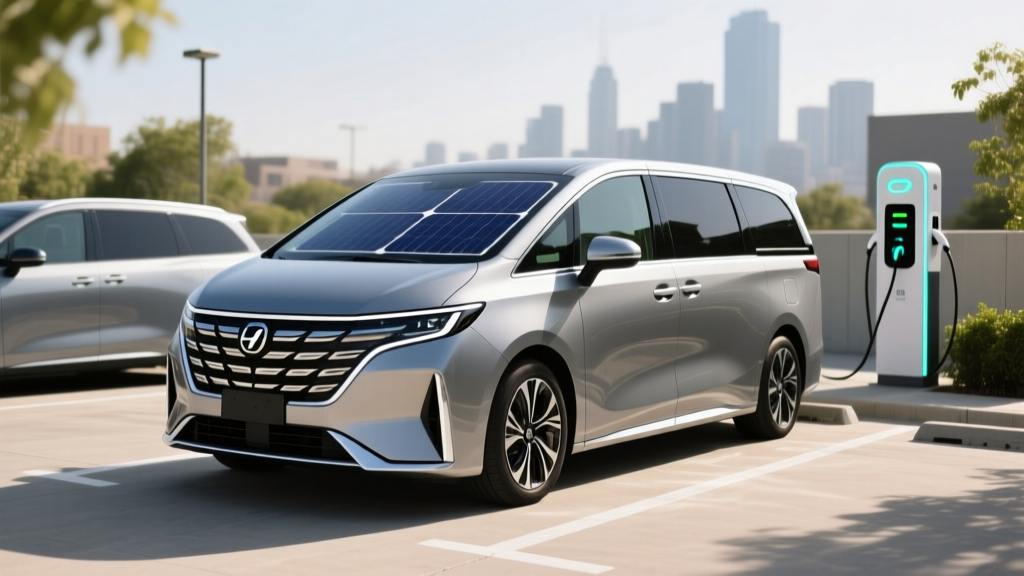
The Chrysler Pacifica Hybrid remains the only plug-in hybrid minivan available in the US. For families with home charging access and daily commutes under 32 miles, the Pacifica Hybrid can operate as a near-EV on weekdays while offering unrestricted gas-engine range for weekend road trips.
| Specification | 2026 Chrysler Pacifica Hybrid |
|---|---|
| Powertrain | 3.6L V6 + 2 electric motors (eFlite CVT) |
| Combined Horsepower | 260 hp |
| Battery (usable) | 16.0 kWh lithium-ion |
| EPA Electric-Only Range | 32 miles |
| EPA MPGe (electric + gas) | 82 MPGe combined |
| EPA MPG (gas only, after battery depletion) | 30 city / 31 highway / 30 combined |
| Total Combined Range | ~520 miles (electric + gas) |
| Level 2 Charge Time (240V, 32A) | ~2 hours (0–100%) |
| DC Fast Charging | Not supported |
| Cargo (behind 3rd row) | 32.3 cu ft |
| Base MSRP (Hybrid Touring) | $51,095 |
| Hybrid Battery Warranty | 10 years / 100,000 miles (150,000 in CARB states) |
PHEV Charging: What Pacifica Owners Need to Know
The Pacifica Hybrid's 16.0 kWh battery charges in approximately 14 hours on a standard 120V household outlet (Level 1). Most owners will want a 240V Level 2 home charger, which brings the time down to roughly 2 hours. The Pacifica Hybrid does not support DC fast charging — a common limitation among PHEVs, since the smaller battery size makes DCFC infrastructure cost-prohibitive for manufacturers.
Real-world electric-only range varies with conditions. In mild weather (60–75°F) at city speeds, expect the full 32 miles. In cold weather (below 30°F) or at sustained highway speeds (70+ mph), that figure drops to 22–26 miles as cabin heating and aerodynamic drag consume more energy.
2026 Kia Carnival Hybrid: The New Contender
Kia introduced a hybrid variant of the Carnival for the 2025 model year, and the 2026 Carnival Hybrid continues with a turbocharged 1.6L hybrid powertrain. It slots between the Sienna and Pacifica in both pricing and efficiency, offering a conventional HEV setup with strong value.
| Specification | 2026 Kia Carnival Hybrid |
|---|---|
| Powertrain | 1.6L turbo 4-cyl + electric motor (6-speed auto) |
| Combined Horsepower | 245 hp |
| Battery | ~1.5 kWh lithium-ion |
| EPA MPG | 34 city / 31 highway / 33 combined |
| Total Range | ~580 miles |
| Cargo (behind 3rd row) | 41.1 cu ft |
| Base MSRP (LXS) | $41,400 |
| Hybrid Battery Warranty | 10 years / 100,000 miles |
The Carnival Hybrid's turbocharged engine gives it a more responsive feel than the Sienna at lower speeds, and Kia's class-leading cargo volume (41.1 cu ft behind the third row) is a practical advantage. However, its highway MPG trails the Sienna by 5 mpg, making it slightly less efficient for long road trips. According to fueleconomy.gov, the combined 33 MPG rating reflects this trade-off.
Van Hybrid MPG Comparison: Side-by-Side
| Model | Type | City MPG | Highway MPG | Combined MPG | Electric-Only Range | Total Range |
|---|---|---|---|---|---|---|
| Toyota Sienna (FWD) | HEV | 36 | 36 | 36 | N/A | ~640 mi |
| Toyota Sienna (AWD) | HEV | 35 | 36 | 35 | N/A | ~640 mi |
| Chrysler Pacifica Hybrid | PHEV | 30* | 31* | 30* / 82 MPGe** | 32 mi | ~520 mi |
| Kia Carnival Hybrid | HEV | 34 | 31 | 33 | N/A | ~580 mi |
* Pacifica MPG figures apply after battery is depleted (charge-sustaining mode). ** MPGe reflects combined electric and gas operation with a full battery.
Tax Credit Eligibility for Hybrid and PHEV Vans
Federal tax credit rules under IRS §30D apply exclusively to plug-in electric vehicles and PHEVs that meet battery sourcing, MSRP, and buyer income requirements. Conventional hybrids like the Toyota Sienna and Kia Carnival Hybrid do not qualify for any federal purchase credit.
2026 §30D Federal Tax Credit Checklist (PHEVs)
- Vehicle type: Must be a PHEV or BEV with ≥7 kWh battery capacity — the Pacifica Hybrid qualifies
- MSRP cap: Vans/SUVs must have an MSRP ≤ $80,000 — Pacifica Hybrid trims fall under this
- Buyer income cap: Modified AGI ≤ $300,000 (joint), ≤ $225,000 (head of household), ≤ $150,000 (single)
- Battery sourcing: Critical minerals and battery components must meet phased-in domestic/free-trade sourcing thresholds — verify with the dealer for the specific model year and build date
- Point-of-sale transfer: Eligible buyers can transfer the credit to the dealer at purchase, reducing the sale price directly
- Maximum credit: Up to $7,500 ($3,750 for critical minerals + $3,750 for battery components, each subject to separate sourcing compliance)
Based on current sourcing rules, the Chrysler Pacifica Hybrid may qualify for a partial or full $7,500 credit depending on build date and battery component sourcing. Always confirm eligibility with your dealer and a tax professional before relying on the credit in your purchase budget. State incentives vary widely — check AFDC's state incentive database for local rebates.
Battery Longevity and Replacement Costs
Battery reliability remains the top concern for hybrid buyers. Fortunately, modern hybrid batteries are engineered for longevity and are backed by substantial warranties.
Hybrid Battery Warranty Summary
| Model | Warranty | Battery Chemistry | Estimated Replacement Cost |
|---|---|---|---|
| Toyota Sienna | 10 yr / 150,000 mi | NiMH | $3,000–$4,500 |
| Chrysler Pacifica Hybrid | 10 yr / 100,000 mi (150k CARB) | Lithium-ion (NMC) | $8,000–$12,000 |
| Kia Carnival Hybrid | 10 yr / 100,000 mi | Lithium-ion | $3,500–$5,500 |
Toyota's NiMH hybrid batteries have a long track record dating back to the original Prius. Failures before 150,000 miles are uncommon, and refurbished replacement packs are increasingly available for $1,500–$2,500 if you go outside the dealer network.
The Pacifica Hybrid's larger lithium-ion pack is more expensive to replace, but the 16.0 kWh battery operates under less stress than a full EV pack because it cycles through a narrower state-of-charge window. Chrysler's 10-year/100,000-mile warranty (extended to 150,000 miles in California Air Resources Board states) provides solid coverage. Most PHEV owners will never need a battery replacement during typical ownership.
Pros and Cons: Van Hybrid Ownership
Pros
- 30–40% better fuel economy than gas-only minivans (Sienna at 36 MPG vs. non-hybrid competitors at 22–24 MPG)
- PHEV models enable electric-only daily commuting, cutting fuel costs dramatically
- No range anxiety — gas engine provides 500+ miles of total range
- Lower brake wear from regenerative braking (pads often last 80,000+ miles)
- Smooth, quiet low-speed driving in electric mode
- Strong resale value — hybrid minivans hold value well due to demand
Cons
- Higher upfront cost — hybrid trims add $3,000–$8,000 vs. gas equivalents
- PHEV requires home charging setup for maximum benefit ($500–$2,000 for Level 2 installation)
- PHEV cargo space slightly reduced vs. gas models (battery packaging)
- Hybrid powertrains prioritize efficiency over acceleration (Sienna: 7.1 sec 0–60)
- Limited model selection — only 3 hybrid vans available in the US
- Conventional hybrids receive no federal tax credit
Van Hybrid vs. Full EV vs. Gas: Which Should You Choose?
Choose a conventional hybrid van (Sienna, Carnival) if:
- You don't have access to home or workplace charging
- You want maximum MPG without changing your fueling habits
- You take frequent long road trips and don't want to plan around charging stops
- You want the lowest total cost of ownership without upfront charging infrastructure investment
Choose a PHEV van (Pacifica Hybrid) if:
- You can install a Level 2 charger at home and your daily driving is under 32 miles
- You want electric-only commuting on weekdays but gas-engine freedom on weekends
- You qualify for the federal §30D tax credit, which can offset the higher MSRP
- You want to reduce emissions without committing to a full EV
Choose a full EV van (e.g., upcoming electric minivans) if:
- You have reliable home charging and your daily needs fall within 250+ miles of range
- You want zero tailpipe emissions and the lowest per-mile fuel cost
- You rarely take road trips exceeding 300 miles in a single day, or you're willing to plan DC fast-charging stops
For most families without home charging infrastructure, the Toyota Sienna Hybrid is the pragmatic choice — 36 MPG combined with no behavioral change required. For families with a garage and a Level 2 charger, the Pacifica Hybrid's 32 miles of electric range can eliminate gasoline use for school runs, grocery trips, and commutes entirely.
Frequently Asked Questions
How many MPG does a hybrid van get?
The 2026 Toyota Sienna Hybrid leads the segment at 36 MPG combined (FWD). The Kia Carnival Hybrid delivers 33 MPG combined, while the Chrysler Pacifica Hybrid achieves 30 MPG combined in gas-only mode after its battery is depleted — but 82 MPGe when factoring in electric-only driving with a full charge.
How far can the Pacifica Hybrid go on electric only?
The EPA rates the Pacifica Hybrid at 32 miles of electric-only range. Real-world results vary: expect the full 32 miles in mild city driving, but 22–26 miles in cold weather or at sustained highway speeds above 70 mph.
Do hybrid vans need to be plugged in?
Conventional hybrids (Toyota Sienna, Kia Carnival Hybrid) never need to be plugged in — they charge their small batteries through regenerative braking and the gas engine. Only the plug-in hybrid (Chrysler Pacifica Hybrid) benefits from being plugged in to access its electric-only range.
Is a hybrid van reliable, and what does battery replacement cost?
Modern hybrid vans are highly reliable. Toyota's hybrid system has two decades of proven durability, and all three models carry 10-year hybrid battery warranties. Replacement costs range from ~$3,000–$4,500 for the Sienna's NiMH pack to ~$8,000–$12,000 for the Pacifica Hybrid's larger lithium-ion battery. Most hybrid batteries outlast 150,000 miles without issue.
Does a hybrid van qualify for a tax credit?
Only plug-in hybrids like the Chrysler Pacifica Hybrid may qualify for the federal §30D tax credit (up to $7,500), subject to buyer income limits, MSRP caps, and battery sourcing requirements. Conventional hybrids (Sienna, Carnival Hybrid) do not qualify for the federal credit but may be eligible for certain state or utility incentives.
Can a hybrid van tow?
Yes. The Toyota Sienna Hybrid is rated for 3,500 lbs of towing capacity. The Chrysler Pacifica Hybrid is rated for 3,600 lbs. The Kia Carnival Hybrid is rated for 3,500 lbs. These figures cover small campers, utility trailers, and light boats but not large travel trailers.
Which hybrid van has the most cargo space?
The Kia Carnival Hybrid offers 41.1 cu ft behind the third row — the most in the segment. The Toyota Sienna provides 33.5 cu ft, and the Chrysler Pacifica Hybrid offers 32.3 cu ft (slightly reduced due to the larger PHEV battery pack).