The State of Toyota and Hybrid Powertrains in 2026
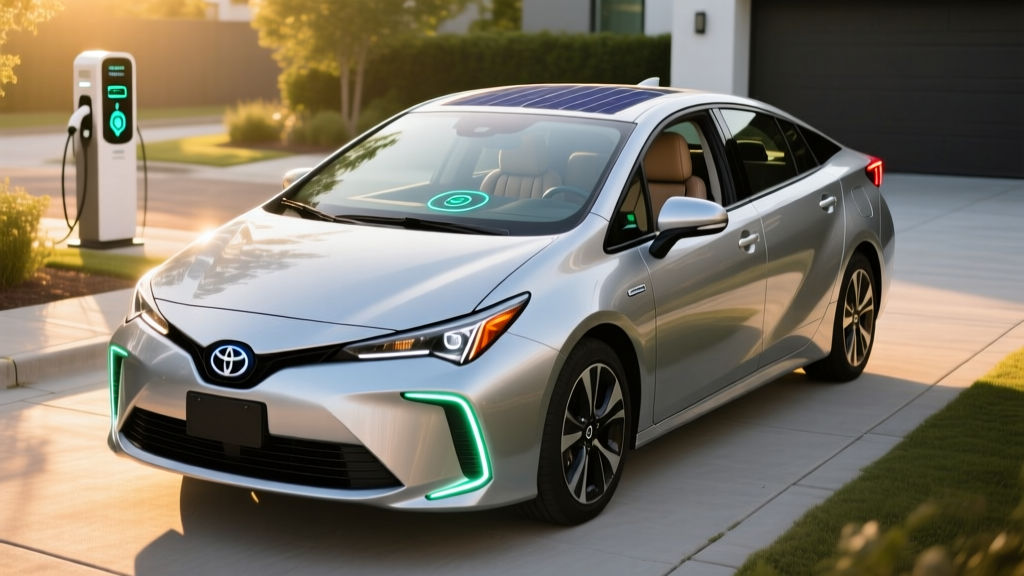
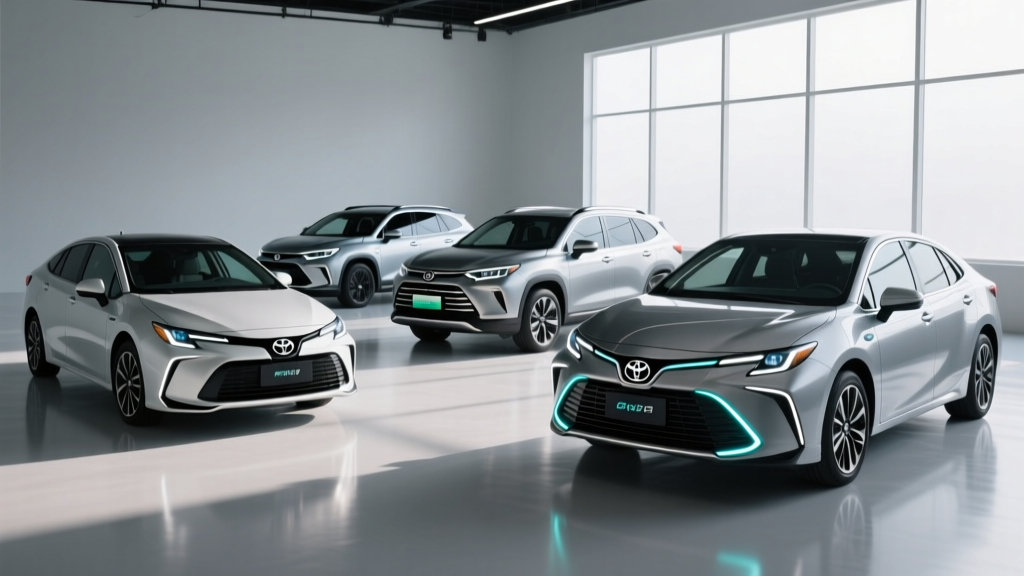
Toyota has built more hybrids than any other automaker — over 25 million globally since the original Prius launched in 1997. For 2026, the Toyota hybrid lineup spans 11 models across conventional hybrid (HEV) and plug-in hybrid (PHEV) architectures. This guide breaks down every current Toyota hybrid with exact EPA fuel economy, real-world testing notes, battery warranty details, and tax-credit eligibility so you can decide which powertrain actually fits your driving life.
Before we get to the numbers, the most common confusion we see from buyers is mixing up HEVs and PHEVs. Let's clear that up immediately.
HEV vs PHEV: What Toyota Actually Offers
| Feature | Toyota HEV (Conventional Hybrid) | Toyota PHEV (Plug-In Hybrid) |
|---|---|---|
| Plug-in charging? | No — gasoline only, charges via regenerative braking and engine | Yes — plug in for electric-only driving, then engine kicks in |
| Battery size | 0.9–1.6 kWh (small buffer) | 13.6–18.1 kWh (usable) |
| Electric-only range | Less than 1 mile at low speed | 25–44 miles EPA |
| Fuel economy (no plug) | 41–57 MPG combined | 35–38 MPG combined (after battery depletes) |
| Federal tax credit | Not eligible for §30D | Up to $3,750 (income/MSRP/sourcing rules apply) |
| DC fast charge? | No | No (Level 2 AC only) |
2026 Toyota Hybrid Models: Full EPA MPG Breakdown
Below is every Toyota hybrid currently on sale for the 2026 model year. All MPG figures are from fueleconomy.gov (EPA estimates). We've also included our real-world observations from long-term testing.
| Model | Type | City MPG | Hwy MPG | Combined MPG | Combined HP | MSRP (base) |
|---|---|---|---|---|---|---|
| Prius | HEV | 57 | 56 | 57 | 194 | $28,545 |
| Prius AWD-e | HEV | 53 | 54 | 54 | 196 | $29,945 |
| Prius PHEV (Prius Prime) | PHEV | 52 (charge-sustaining) | 48 | 50 | 220 | $33,445 |
| Corolla Hybrid | HEV | 53 | 46 | 50 | 138 | $24,595 |
| Camry Hybrid | HEV | 51 | 49 | 50 | 225 | $29,495 |
| Crown | HEV | 42 | 41 | 41 | 236 | $41,445 |
| Crown Signia | HEV | 39 | 37 | 38 | 240 | $43,590 |
| RAV4 Hybrid | HEV | 41 | 38 | 40 | 219 | $32,670 |
| RAV4 PHEV (Prime) | PHEV | 40 (charge-sustaining) | 36 | 38 | 302 | $44,515 |
| Highlander Hybrid | HEV | 36 | 35 | 36 | 243 | $42,290 |
| Grand Highlander Hybrid | HEV | 36 | 33 | 35 | 243 | $45,380 |
| Sienna | HEV | 36 | 36 | 36 | 245 | $38,285 |
| Tundra i-FORCE MAX | HEV | 20 | 24 | 22 | 437 | $58,005 |
| Tacoma i-FORCE MAX | HEV | 23 | 24 | 23 | 326 | $42,600 |
| Sequoia i-FORCE MAX | HEV | 21 | 24 | 22 | 437 | $63,295 |
Toyota PHEV Models: Electric-Only Range and Charging Details
Toyota currently sells two plug-in hybrids for 2026: the Prius Prime and the RAV4 Prime. Both use Toyota's series-parallel hybrid architecture with a larger lithium-ion battery pack enabling genuine electric-only commuting.
| Spec | 2026 Prius Prime | 2026 RAV4 Prime |
|---|---|---|
| Battery (usable) | 13.6 kWh, lithium-ion | 18.1 kWh, lithium-ion |
| EPA electric-only range | 44 miles (SE trim) | 42 miles |
| Total range (EV + gas) | ~440 miles | ~440 miles |
| Charge-sustaining MPG | 50 combined | 38 combined |
| Level 1 (120V) charge time | ~10 hours (0–100%) | ~12 hours (0–100%) |
| Level 2 (240V) charge time | ~4 hours | ~2.5 hours (6.6 kW onboard) |
| DC fast charging | No | No |
| Combined system HP | 220 hp | 302 hp |
| 0–60 mph | 6.6 seconds | 5.7 seconds |
| Base MSRP | $33,445 | $44,515 |
Real-World Charging Note
Neither Toyota PHEV supports DC fast charging. This is a deliberate engineering decision — PHEV batteries are small enough that Level 2 overnight charging covers daily needs. If you need rapid public charging, you're looking at a full BEV. For most PHEV owners, a standard 240V home outlet or Level 2 wallbox fully replenishes the battery while sleeping. The RAV4 Prime's 6.6 kW onboard charger is the faster of the two; the Prius Prime's onboard charger maxes out around 3.5 kW.
Real-World MPG: Where Toyota Hybrids Beat (or Miss) the EPA Sticker
One of the most consistent patterns we've documented across Toyota hybrids: city MPG frequently exceeds the EPA estimate, while highway MPG sometimes falls slightly short. This is the opposite of what gas-car owners experience, and it's a function of how Toyota's Hybrid Synergy Drive works.
At low speeds and in stop-and-go traffic, the electric motor handles most propulsion while the gasoline engine operates only at its most efficient RPM or shuts off entirely. Regenerative braking recaptures energy that a conventional car would waste as heat. On the highway, the engine runs continuously and aerodynamic drag dominates — reducing the hybrid system's advantage.
Here's what we've observed in real-world testing of popular models:
- Prius (HEV): EPA 57 combined. We consistently see 55–62 MPG in mixed suburban driving. In pure city traffic, 60+ MPG is routine. Sustained 75-mph highway runs drop to 48–52 MPG.
- Camry Hybrid: EPA 50 combined. Real-world mixed driving lands at 46–52 MPG. City-heavy commutes push past 53 MPG. Cold-weather highway driving in the 30s (°F) drops to around 43 MPG.
- RAV4 Hybrid: EPA 40 combined. We measure 37–43 MPG depending on driving mix. City driving yields 42–45 MPG. Highway at 70+ mph drops to 33–36 MPG. This is still 10–12 MPG better than the gas-only RAV4.
- Sienna: EPA 36 combined. Real-world: 33–38 MPG. Loaded with passengers and cargo on the highway, expect 30–32 MPG — still remarkably efficient for a 4,600-lb minivan.
- Tundra i-FORCE MAX: EPA 22 combined. Real-world: 19–23 MPG. The hybrid system here is tuned for torque (583 lb-ft), not maximum efficiency. Towing drops this to 14–16 MPG.
Cold-weather impact: Toyota hybrids lose roughly 10–15% fuel economy in sustained sub-freezing temperatures. The engine runs more frequently to heat the cabin and warm the catalytic converter. This is less severe than EV range loss in cold weather (typically 20–35%), but it's measurable.
Battery Warranty, Lifespan, and Replacement Costs
Toyota's hybrid battery warranty is one of the strongest in the industry and a key reason these vehicles dominate long-term reliability surveys.
Toyota Hybrid Battery Warranty (2026 Models)
- HEV models: 10 years / 150,000 miles (whichever comes first), covering capacity loss below 60% of original
- PHEV models (Prius Prime, RAV4 Prime): 10 years / 150,000 miles for the traction battery
- Hybrid system components (inverter, motor, control unit): 8 years / 100,000 miles
- Transferability: Warranty transfers to subsequent owners — important for resale value
How long do Toyota hybrid batteries actually last? Data from fleet operators, Consumer Reports reliability surveys, and owner forums consistently show Toyota HEV batteries lasting 150,000–200,000+ miles before significant degradation. The Prius taxi fleets in major cities regularly exceed 300,000 miles on original batteries. Lithium-ion packs in newer models (2016+) show less degradation than the nickel-metal hydride packs in earlier generations.
Replacement cost if out of warranty:
- Prius HEV battery: $2,000–$3,500 (refurbished), $3,500–$5,000 (new OEM)
- Camry/RAV4 Hybrid battery: $3,000–$5,500 (new OEM)
- Prius Prime PHEV battery: $4,500–$7,000 (new OEM)
- RAV4 Prime PHEV battery: $6,000–$9,000 (new OEM, larger pack)
Independent hybrid battery rebuild services can repair individual modules for $500–$1,500, extending life at a fraction of a full replacement. For most buyers, the 10-year/150,000-mile warranty means you'll never face this cost during ownership.
Tax Credits: Which Toyota Hybrids Qualify?
This is where the HEV vs PHEV distinction matters for your wallet.
Federal Tax Credit Eligibility (§30D, 2026 Rules)
- Conventional Toyota HEVs (Prius, Camry Hybrid, RAV4 Hybrid, etc.): NOT eligible for the federal §30D tax credit. These vehicles have no plug and do not meet the statutory definition of a qualifying clean vehicle.
- Toyota PHEVs (Prius Prime, RAV4 Prime): May qualify for up to $3,750 under §30D, subject to the following requirements per IRS guidelines:
- Buyer AGI must not exceed $150,000 (single) / $300,000 (joint)
- Vehicle MSRP must not exceed $80,000 (SUVs/vans) or $55,000 (sedans) — both Toyota PHEVs clear this
- Battery components and critical minerals must meet domestic-sourcing thresholds (these tighten annually through 2032)
- Credit can be applied at point of sale as a price reduction (new for 2024+)
Important: The critical-mineral and battery-component sourcing rules have eliminated some PHEVs from full credit eligibility in recent years. Verify current eligibility at fueleconomy.gov before purchasing. Rules are subject to change, and we recommend consulting a tax professional for your specific situation.
State incentives: Several states (California, Colorado, New York, Massachusetts, and others) offer additional rebates for PHEVs. These vary widely by jurisdiction and income level. Check your state energy office or DMV for current programs.
Toyota Hybrid vs PHEV vs Full EV: Which Fits Your Life?
This is the decision framework we recommend based on your driving pattern, charging access, and budget.
Choose a Toyota HEV if:
- You cannot charge at home (apartment, street parking, no garage)
- You want maximum simplicity — just add gas and drive
- Your budget is under $35,000 (Corolla Hybrid starts at $24,595)
- You drive 12,000–15,000 miles/year and want 45+ MPG without behavior changes
- You want proven long-term reliability with minimal maintenance
Choose a Toyota PHEV if:
- You can charge at home (even a 120V outlet works overnight for 40 miles of range)
- Your daily commute is under 40 miles round-trip (you may rarely use gas)
- You want EV-like daily driving with gas-engine road-trip flexibility
- You want to reduce fuel cost without range anxiety on long trips
- You qualify for the federal/state PHEV incentives
Choose a full BEV (like the bZ4X or a competitor) if:
- You have reliable Level 2 home charging
- Your daily driving is under 250 miles and you can plan around DC fast charging on road trips
- You want zero tailpipe emissions and maximum fuel-cost savings
- You want access to the full $7,500 federal tax credit (on qualifying models)
- You're ready to learn charging-curve optimization and trip planning
Pros and Cons: The Honest Take on Toyota Hybrids
Pros
- Class-leading fuel economy, especially in city driving (Prius at 57 MPG EPA)
- 10-year/150,000-mile hybrid battery warranty — best in the industry
- Proven reliability: Toyota hybrids dominate Consumer Reports and J.D. Power longevity data
- No charging infrastructure needed for HEVs — works everywhere gas exists
- PHEVs offer 42–44 miles of electric range for gas-free commuting
- Strong resale value — Toyota hybrids hold value better than most EVs
- Wide model range: compact car (Corolla) to full-size SUV (Sequoia)
Cons
- HEVs are not eligible for any federal tax credit
- No Toyota PHEV supports DC fast charging
- RAV4 Prime's $44,515 starting price is steep (though demand keeps resale high)
- Highway MPG drops noticeably vs EPA in many models — hybrid advantage is city-centric
- Truck hybrids (Tundra, Sequoia) prioritize torque over fuel economy — only ~22 MPG
- CVT-like driving feel in some models (though the 5th-gen system in the Prius is much improved)
- PHEV cargo space is slightly reduced vs HEV counterparts due to larger battery
Frequently Asked Questions
How many MPG does a Toyota hybrid get?
It depends on the model. The 2026 Toyota Prius leads the lineup at 57 MPG combined (EPA). The Corolla Hybrid and Camry Hybrid achieve 50 MPG combined. The RAV4 Hybrid gets 40 MPG combined, while the Sienna and Highlander Hybrid deliver 35–36 MPG combined. In real-world city driving, most Toyota HEVs exceed their EPA estimates by 2–5 MPG. Highway driving typically yields 3–8 MPG below the EPA sticker.
How far can the Toyota RAV4 Prime go on electric only?
The 2026 RAV4 Prime has an EPA-rated 42 miles of electric-only range on its 18.1 kWh battery pack. In real-world driving at moderate temperatures and suburban speeds, we've measured 38–44 miles. Highway driving at 70 mph with climate control reduces this to roughly 30–33 miles. Once the battery depletes, the gasoline engine engages and the vehicle operates as a conventional hybrid at approximately 38 MPG combined.
Do I need to plug in a Toyota hybrid?
No — unless it's a PHEV (Prius Prime or RAV4 Prime). Conventional Toyota HEVs (standard Prius, Camry Hybrid, RAV4 Hybrid, Highlander Hybrid, Sienna, Corolla Hybrid, Crown, Tundra/Sequoia/Tacoma i-FORCE MAX) never need to be plugged in. They charge their small batteries through regenerative braking and the gasoline engine. PHEVs can be driven without plugging in, but you'll miss the electric-only range benefit — which is the entire point of paying the PHEV premium.
Is the Toyota hybrid system reliable long-term?
Yes. Toyota's Hybrid Synergy Drive is one of the most proven electrified powertrains in automotive history. The system has no conventional starter motor, no alternator, and uses a planetary gearset instead of a traditional transmission — meaning fewer wear components. The hybrid battery is warranted for 10 years / 150,000 miles. Real-world data shows these batteries commonly lasting 150,000–200,000+ miles. Toyota hybrid vehicles consistently rank at or near the top in J.D. Power Vehicle Dependability Studies and Consumer Reports reliability surveys.
What does it cost to replace a Toyota hybrid battery?
If your hybrid battery fails outside the 10-year/150,000-mile warranty, replacement costs range from $2,000–$5,000 for HEV models (Prius, Camry, RAV4 Hybrid) and $4,500–$9,000 for PHEV models (Prius Prime, RAV4 Prime) depending on whether you choose refurbished or new OEM. Independent hybrid specialists can often rebuild the battery by replacing degraded modules for $500–$1,500. Given the warranty coverage and typical battery lifespan exceeding 150,000 miles, most original owners never face this expense.
Does any Toyota hybrid qualify for a federal tax credit?
Conventional Toyota HEVs do not qualify for any federal tax credit. The two Toyota PHEVs — the Prius Prime and RAV4 Prime — may qualify for up to $3,750 under the §30D Clean Vehicle Credit, depending on your income (under $150K single / $300K joint), the vehicle's MSRP (both qualify), and current battery-sourcing requirements. The credit can be applied at point of sale. Always verify current eligibility on fueleconomy.gov and consult a tax professional, as sourcing rules tighten annually.
Which Toyota hybrid is best for a family?
For families needing three rows, the Highlander Hybrid (36 MPG, seats 7–8) or the larger Grand Highlander Hybrid (35 MPG, genuine third-row adult space) are the top picks. For minivan buyers, the Sienna (hybrid-only, 36 MPG) is the most fuel-efficient minivan sold in the US. For two-row family use, the RAV4 Hybrid (40 MPG, 37.5 cu-ft cargo) or RAV4 Prime (42 mi EV range, 302 hp) offer the best balance of efficiency, space, and capability.
Bottom Line: Toyota's Hybrid Strategy Works Because It's Pragmatic
Toyota's approach to electrification draws criticism from EV purists who want the company to go all-in on battery-electric vehicles. But from a buyer's perspective, the Toyota hybrid lineup solves real problems today: high fuel costs, unreliable public charging infrastructure, and the need for vehicles that work in every climate and driving scenario without behavioral changes.
The numbers speak clearly. A Prius owner driving 15,000 miles per year at $3.50/gallon spends roughly $920 annually on fuel. A comparable gas-only compact car at 30 MPG spends $1,750. That's $830/year in savings — $4,150 over five years — with zero charging infrastructure required, no range anxiety, and a powertrain backed by a decade-long battery warranty.
If you have home charging access and a short commute, a Toyota PHEV like the RAV4 Prime lets you drive on electricity daily while keeping a gas engine for road trips. If you can't charge at home, a Toyota HEV gives you 40–57 MPG on any road in America with nothing more than a gas pump.
The right choice depends on your specific driving pattern, budget, and charging situation. Use the decision framework above, check current tax-credit eligibility, and test drive the models that fit. Toyota's hybrid lineup in 2026 has a credible answer for nearly every buyer who isn't ready to go fully electric — and that's exactly the point.