The Hybrid Renaissance: Why Upcoming Specs Matter More Than Ever
As the automotive industry recalibrates its electrification strategy, hybrids and plug-in hybrid electric vehicles (PHEVs) are experiencing a massive renaissance. For buyers, this means an influx of new models launching over the next twelve to eighteen months. However, navigating manufacturer press releases and 'expected specs' requires a critical eye. As senior automotive analysts, we don't just look at the headline horsepower; we evaluate real-world thermal management, electric-only range degradation, and drivetrain efficiency. Here is our expert guide and ranking of the best new hybrid models launching soon, alongside best practices for evaluating and securing your pre-order.
Expert Tips: How to Decode Upcoming Hybrid Specifications
When automakers tease a new hybrid or PHEV, they highlight peak performance and maximum theoretical range. To make an informed purchasing decision, you need to look deeper into the spec sheet.
1. Prioritize Electric-Only Range and Charging Speeds (PHEVs)
For PHEVs, the electric-only range is your daily commuting lifeline. According to the Alternative Fuels Data Center, the average American drives roughly 37 miles per day. Therefore, any upcoming PHEV with an expected EV range below 35 miles should be scrutinized. Furthermore, check the onboard charger capacity. Many new PHEVs are finally moving past 3.3 kW chargers to 7.2 kW or higher, cutting Level 2 charging times from four hours down to two. Always verify the expected onboard charger spec before committing to a pre-order.
2. Look Beyond Combined MPG: City vs. Highway Splits
Traditional hybrids (HEVs) excel in stop-and-go traffic but lose their advantage on the highway. When evaluating upcoming models, use resources like the EPA Fuel Economy database to compare city and highway splits once preliminary numbers are released. A new hybrid SUV claiming 40 MPG combined is only impressive if it maintains 38 MPG on the highway; if it drops to 28 MPG at 75 mph, it's not optimized for road trips.
3. Investigate Battery Chemistry and Warranty Terms
Upcoming models are increasingly utilizing Lithium Iron Phosphate (LFP) batteries for their hybrid systems due to their longevity and thermal stability. An expert best practice is to wait for the official warranty documentation. A strong indicator of manufacturer confidence is a battery warranty that guarantees 70% capacity retention over 10 years/100,000 miles, rather than just covering total failure.
Ranked: Most Anticipated New Hybrid & PHEV Launches
Based on confirmed production pipelines, spy shots, and preliminary manufacturer data, we have ranked the most highly anticipated hybrid launches by their expected utility, spec efficiency, and market impact.
| Rank & Model | Expected Powertrain | Est. MPG / EV Range | Target Starting Price | Expected Launch |
|---|---|---|---|---|
| 1. Hyundai Santa Fe PHEV | 1.6L Turbo + 18.0 kWh Battery | 33 EV Miles / 35 MPG | $46,000 | Late 2024 / Early 2025 |
| 2. Next-Gen Toyota RAV4 Hybrid | 2.5L Dynamic Force + 5th Gen THS | 42 MPG Combined | $34,500 | Mid 2025 |
| 3. Ford Maverick Hybrid AWD | 2.5L Atkinson + AWD e-Motor | 38 MPG Combined | $28,000 | Q1 2025 |
| 4. Jeep Wrangler 4xe (Refresh) | 2.0L Turbo + Upgraded 17.3 kWh | 25 EV Miles / 20 MPG | $51,000 | Late 2024 |
| 5. Honda CR-V e:PHEV (US Spec) | 2.0L + 17.7 kWh Battery | 34 EV Miles / 38 MPG | $42,000 | 2025 |
1. Hyundai Santa Fe PHEV: The Family Hauler Champion
The redesigned Santa Fe is already a hit, but the upcoming PHEV variant is where experts are placing their bets. With an expected 33 miles of electric range and a robust 1.6L turbocharged engine, it bridges the gap between daily electric commuting and weekend towing. Expert Tip: Reserve the top-trim Calligraphy if you want the enhanced digital side mirrors and premium interior, but the SEL trim offers the best ROI for the hybrid powertrain.
2. Next-Gen Toyota RAV4 Hybrid: The Efficiency Benchmark
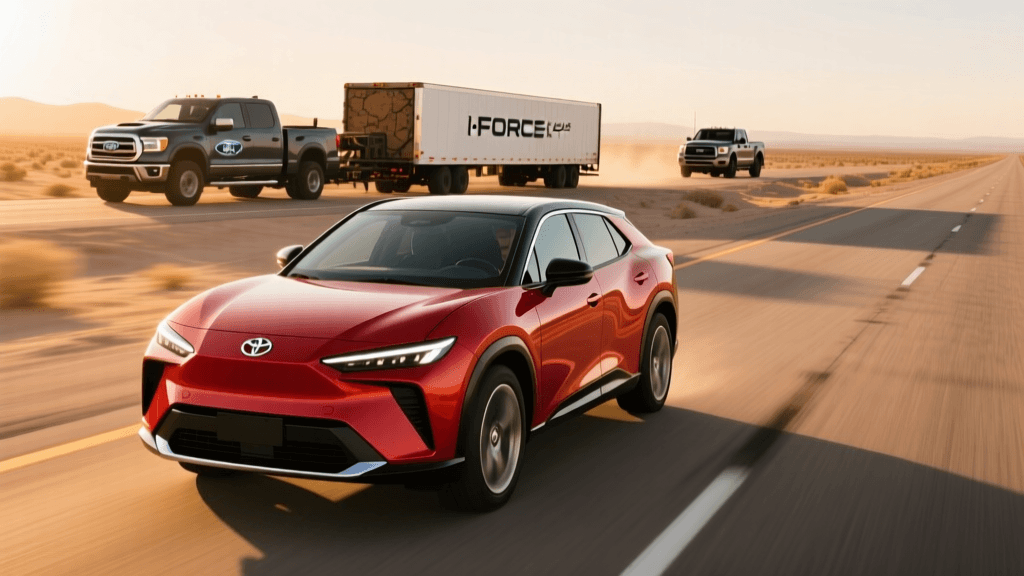
Toyota’s 5th-generation Toyota Hybrid System (THS) is lighter and more powerful. The upcoming RAV4 refresh is expected to push combined fuel economy past the 40 MPG barrier while improving highway passing power. Expert Tip: Hold off on buying the current generation if your lease expires in mid-2025; the upcoming model's revised battery packaging will likely yield more cargo space.
3. Ford Maverick Hybrid AWD: The Compact Truck Disruptor
For years, the Maverick Hybrid was limited to FWD. The highly anticipated AWD hybrid variant is launching to tackle snowy climates and light trail duty. Expect a slight dip in MPG compared to the FWD model, but a massive gain in year-round utility. Expert Tip: Pre-order the FX-4 package if available, but verify the payload capacity, as the AWD hybrid components will slightly reduce max towing compared to the EcoBoost.
Best Practices for Pre-Ordering and Preparing for Your New Hybrid
Securing a new hybrid launch at MSRP requires strategy. Here are the best practices our team recommends for buyers targeting these upcoming models.
Build Your Order and Lock Your Allocation Early
High-demand hybrids (especially the Maverick AWD and Santa Fe PHEV) will face immediate dealer markups. Work with a high-volume fleet dealer or use a car-buying broker to build your order months in advance. Get the order number and priority code in writing. Avoid dealers who refuse to provide a build sheet with the exact MSRP breakdown before taking a deposit.
Audit Your Home Electrical Panel for PHEVs
If you are targeting a PHEV like the Wrangler 4xe or Santa Fe PHEV, you need a Level 2 home charger to make the math work. A 240V NEMA 14-50 outlet installation typically costs between $500 and $1,500 depending on your panel's amperage. Best Practice: Have a licensed electrician perform a load calculation on your home's electrical panel before you sign the vehicle purchase agreement to ensure you can support a 40-amp continuous draw without requiring a costly service upgrade.
Verify Federal and State Tax Credit Eligibility
Not all PHEVs qualify for the $3,750 or $7,500 federal tax credits due to battery component sourcing rules. Always check the official IRS Clean Vehicle Credits database right before taking delivery, as manufacturer caps and sourcing requirements can change mid-year. Additionally, many states offer local utility rebates for installing Level 2 chargers, which can offset your home prep costs significantly.
The Pre-Delivery Checklist
- Verify MSRP in Writing: Ensure your dealer contract explicitly states no market adjustments or mandatory accessory packages.
- Schedule Electrician Visit: Book your panel audit at least 60 days before your expected delivery window.
- Check Utility Rebates: Register for local smart-charging rebates, which often require pre-approval before hardware installation.
- Research Insurance Rates: Run VIN-specific insurance quotes using preliminary model codes; PHEVs often carry different repair premiums than standard HEVs.
Final Expert Verdict
The upcoming wave of hybrid and PHEV launches proves that the industry has finally mastered the balance between electric efficiency and gas-powered flexibility. For urban commuters with home charging, the Hyundai Santa Fe PHEV and Honda CR-V e:PHEV offer the best operational cost savings. For those who prioritize long-distance road trips and minimal plug-in dependency, the next-gen Toyota RAV4 Hybrid remains the undisputed king of expected specs. By applying these expert evaluation tips and pre-order best practices, you will secure the right vehicle at the right price, avoiding the pitfalls of early-adopter markups and charging bottlenecks.