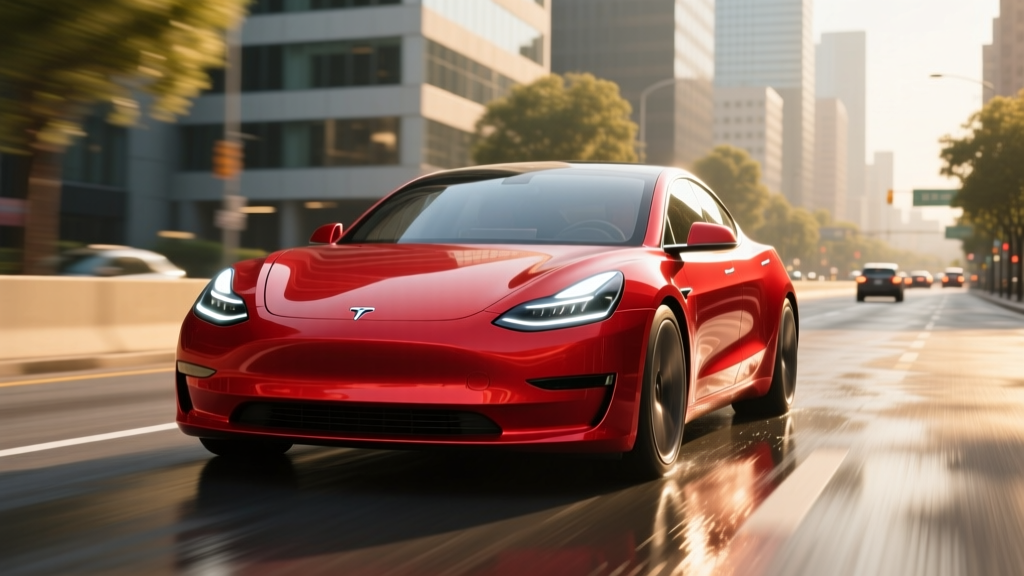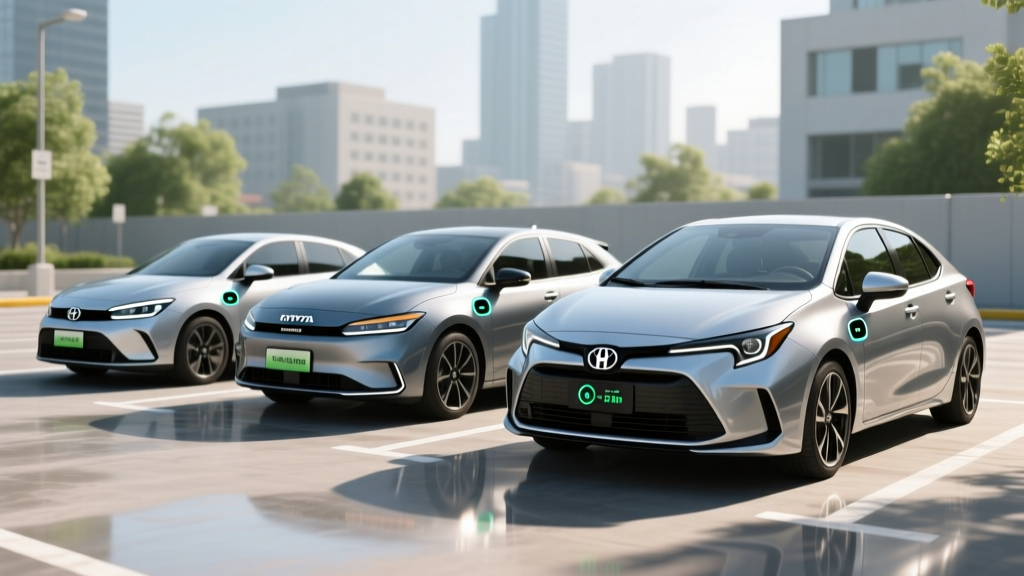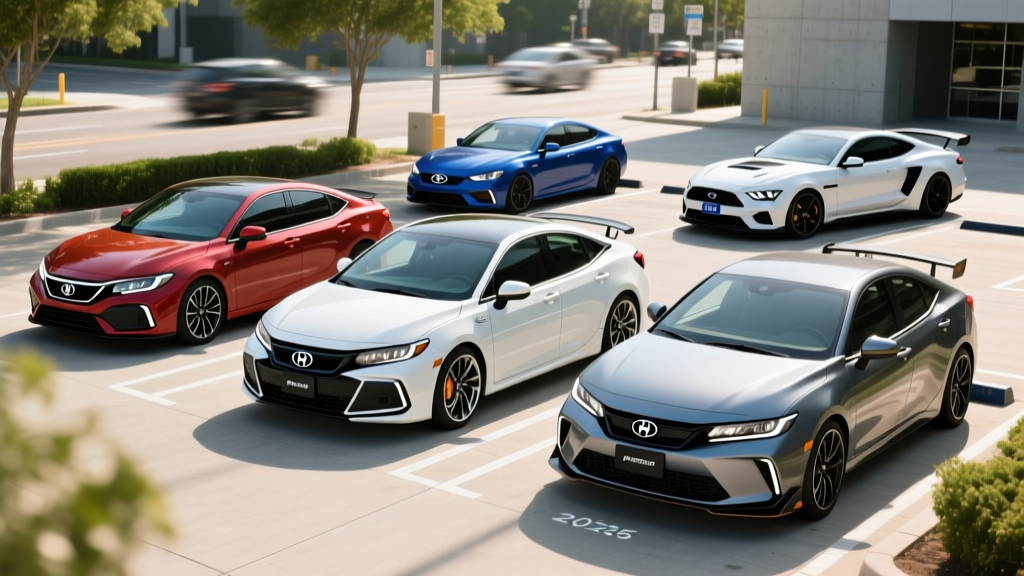
Every time fuel prices spike, the same search trends light up: buyers hunting for the highest MPG non hybrid vehicle they can buy. The instinct makes sense — you want maximum fuel savings without the added complexity, weight, and upfront cost of a hybrid or plug-in powertrain. But in 2026, the gap between the most efficient gas-only cars and entry-level hybrids has narrowed to just a few miles per gallon in some cases, while widening dramatically in others.
This guide breaks down the most fuel-efficient conventional (non-hybrid, non-plug-in) cars currently on sale, compares their real-world efficiency against hybrid and PHEV alternatives, and gives you a clear decision framework for which powertrain actually fits your driving pattern and budget.
What Qualifies as a "Non-Hybrid" in 2026?
Before we rank anything, let's define the terms precisely, because the automotive landscape has blurred them:
Conventional Gas Car (ICE)
A standard internal combustion engine vehicle. No electric motor assists the drivetrain. No high-voltage battery. Fuel economy depends entirely on engine efficiency, aerodynamics, weight, and transmission tuning. Examples: Nissan Versa, Hyundai Elantra, Toyota Corolla (gas trims).
Conventional Hybrid (HEV)
Uses a small battery (typically 1–2 kWh) and electric motor to assist the gas engine. You never plug it in. The battery recharges through regenerative braking and engine power. Examples: Toyota Prius, Honda Accord Hybrid.
Plug-In Hybrid (PHEV)
Has a larger battery (typically 10–25 kWh) that provides 20–50 miles of electric-only range before the gas engine kicks in. You can plug it in to recharge. Examples: Toyota RAV4 Prime, Jeep Wrangler 4xe.
When buyers search for the highest MPG non hybrid, they're looking at the first category — pure gasoline vehicles with no electrification. Let's see which ones deliver.
Top Highest MPG Non-Hybrid Cars (2026 Models)
These are the most fuel-efficient new gas-only cars available in the U.S. market for the 2026 model year, ranked by EPA combined fuel economy. All figures come from fueleconomy.gov, the official EPA database.
| Vehicle | EPA City | EPA Highway | EPA Combined | Engine | HP | Base MSRP |
|---|---|---|---|---|---|---|
| 2026 Nissan Versa (CVT) | 32 mpg | 40 mpg | 35 mpg | 1.6L 4-cyl | 122 | $17,990 |
| 2026 Hyundai Elantra (2.0L IVT) | 32 mpg | 41 mpg | 36 mpg | 2.0L 4-cyl | 147 | $22,500 |
| 2026 Toyota Corolla (2.0L CVT) | 31 mpg | 40 mpg | 34 mpg | 2.0L 4-cyl | 169 | $23,000 |
| 2026 Honda Civic (2.0L CVT) | 31 mpg | 40 mpg | 35 mpg | 2.0L 4-cyl | 150 | $24,900 |
| 2026 Mazda3 (2.5L Sedan, FWD) | 27 mpg | 37 mpg | 31 mpg | 2.5L 4-cyl | 191 | $24,500 |
The 2026 Hyundai Elantra takes the crown among non-hybrid sedans at 36 mpg combined, while the Nissan Versa offers the lowest entry price at under $18,000. These numbers are genuinely impressive for vehicles without any electric assist.
Real-World MPG vs. EPA Sticker
Conventional gas cars tend to hit their EPA numbers more consistently than EVs hit their range estimates — but there are still variables. In city driving, expect to match or slightly fall below EPA city figures. On flat highway loops at 65 mph, some drivers report exceeding EPA highway estimates by 2–4 mpg. However, aggressive acceleration, cold weather (below 40°F), and sustained speeds above 75 mph will drop fuel economy by 10–15%. A Corolla rated at 34 combined may deliver 29–31 mpg in mixed winter driving.
Gas vs. Hybrid: The MPG Gap in Numbers
Here's where the search for the highest MPG non hybrid meets reality. Let's compare the gas-only versions of popular models directly against their hybrid siblings:
| Model Pair | Gas Combined MPG | Hybrid Combined MPG | MPG Gap | Price Premium (Hybrid) |
|---|---|---|---|---|
| Toyota Corolla vs. Corolla Hybrid | 34 mpg | 52 mpg | +18 mpg | +$1,500 |
| Hyundai Elantra vs. Elantra Hybrid | 36 mpg | 54 mpg | +18 mpg | +$2,200 |
| Honda Civic vs. Civic Hybrid | 35 mpg | 49 mpg | +14 mpg | +$1,800 |
| Honda Accord vs. Accord Hybrid | 30 mpg | 44 mpg | +14 mpg | +$1,200 |
| Toyota Camry (4-cyl) vs. Camry Hybrid | 28 mpg | 51 mpg | +23 mpg | +$1,800 |
The gap is substantial. A Toyota Corolla Hybrid at 52 combined MPG delivers 53% more fuel economy than its gas-only counterpart — for roughly $1,500 more at purchase. At 15,000 miles per year and $3.50/gallon gas, that hybrid saves approximately $680 annually, paying back its premium in just over two years.
For larger vehicles like the Camry, the gap is even wider: 23 mpg combined difference. This is why the highest MPG non hybrid search often leads buyers to reconsider whether a conventional hybrid — which requires no plug, no behavior change, and no charging infrastructure — might actually be the smarter buy.
The PHEV Alternative: Electric Commuting, Gas Road Trips
If your commute is under 40 miles round-trip and you have access to a standard 120V outlet (or better, a 240V Level 2 charger), a plug-in hybrid eliminates most daily gasoline use while preserving unlimited gas range for road trips.
| PHEV Model | EV Range | Battery (kWh) | Combined MPG (gas) | Level 2 Charge Time | DC Fast Charge? | Base MSRP |
|---|---|---|---|---|---|---|
| Toyota RAV4 Prime | 42 mi | 18.1 kWh | 38 mpg | ~2.5 hours | No | $44,500 |
| Toyota Prius Prime | 44 mi | 13.6 kWh | 48 mpg | ~4 hours | No | $33,500 |
| Hyundai Tucson PHEV | 33 mi | 13.8 kWh | 35 mpg | ~2 hours | No | $38,500 |
| Chrysler Pacifica PHEV | 32 mi | 16.0 kWh | 30 mpg | ~2 hours | No | $51,000 |
Most PHEVs charge fully on Level 2 (240V) in 2–4 hours and do not support DC fast charging — the batteries are too small to benefit from it. On a standard 120V household outlet, expect 5–8 hours for a full charge, which works fine for overnight replenishment.
Tax Credits and Incentives: Gas, Hybrid, and PHEV
This is where the financial picture shifts meaningfully:
Federal §30D Clean Vehicle Credit — Who Qualifies?
- Conventional gas cars: $0. No federal tax credit available.
- Conventional hybrids (HEV): $0. Not eligible — the §30D credit requires plug-in capability with at least 7 kWh of battery capacity.
- Plug-in hybrids (PHEV): Up to $7,500, subject to current-year rules including: MSRP caps ($55,000 for sedans, $80,000 for SUVs/vans/pickups), buyer income limits ($150K single / $300K joint), critical mineral and battery component sourcing requirements, and point-of-sale transfer option.
Always verify current eligibility at irs.gov. Rules and qualifying vehicle lists change frequently based on battery sourcing requirements.
In practical terms: if you're choosing between a gas Corolla at $23,000 and a Prius Prime PHEV at $33,500, the PHEV may qualify for up to $7,500 in federal credits (depending on your income and the vehicle's battery sourcing), effectively bringing the price gap down to $3,000 or less. Combined with fuel savings, the PHEV often wins on total cost of ownership even before factoring in state incentives.
Battery Warranty and Reliability: Addressing the Top Concern
The number one objection buyers raise about hybrids and PHEVs is battery longevity. Here's what the data shows:
Hybrid Battery Warranty Standards (2026)
Minimum federal requirement: 8 years / 100,000 miles (mandated for emissions-related components, which includes hybrid batteries in most states).
California-emissions states (CA, CO, CT, ME, MA, NJ, NY, OR, RI, VT, WA): 10 years / 150,000 miles for hybrid battery coverage.
Typical replacement cost: $2,000–$4,000 for a conventional hybrid (HEV) battery; $5,000–$9,000 for a PHEV battery. However, Consumer Reports data shows most hybrid batteries last 150,000–200,000+ miles before significant degradation.
Real-world failure rate: Toyota's hybrid system, in particular, has proven extraordinarily reliable. Taxi fleets running Priuses routinely surpass 300,000 miles on original hybrid batteries.
For conventional gas-only cars, there is no high-voltage battery to worry about — just the standard 12V starter battery ($150–$300 replacement every 4–6 years). This simplicity is the core appeal of the highest MPG non hybrid vehicles: fewer systems that could require expensive repairs.
Pros: Highest MPG Non-Hybrid Cars
- Lowest purchase price in their segments ($18K–$25K)
- No high-voltage battery replacement risk
- Simpler maintenance (no hybrid system diagnostics)
- Proven, widely available service network
- Lighter weight = less tire and brake wear
Cons: Highest MPG Non-Hybrid Cars
- 14–23 mpg less efficient than hybrid counterparts
- No federal tax credits or incentives
- Higher long-term fuel costs ($400–$900/year more vs. HEV)
- Greater exposure to fuel price volatility
- Lower resale value as market shifts toward electrification
Total Cost of Ownership: Gas vs. Hybrid vs. PHEV Over 5 Years
| Cost Category | Gas Corolla ($23K) | Corolla Hybrid ($24.5K) | Prius Prime PHEV ($33.5K) |
|---|---|---|---|
| Purchase Price | $23,000 | $24,500 | $33,500 |
| Federal Tax Credit | $0 | $0 | Up to –$7,500* |
| Effective Purchase | $23,000 | $24,500 | ~$26,000 |
| Fuel Cost (75K mi @ $3.50/gal) | $7,684 | $5,048 | ~$2,800** |
| Estimated Maintenance | $2,500 | $2,400 | $2,300 |
| 5-Year Total | $33,184 | $31,948 | ~$31,100 |
*Assumes full §30D credit eligibility. Verify at irs.gov.
**Assumes 70% of miles driven on electricity at $0.14/kWh, 30% on gas.
Over five years, the gas-only Corolla costs roughly $1,200–$2,100 more than its hybrid or PHEV counterparts — despite a lower sticker price. The fuel savings compound every mile you drive.
Decision Framework: Which Powertrain Fits You?
Choose a Non-Hybrid Gas Car If:
- Your annual mileage is under 8,000 miles (fuel savings won't offset hybrid premium)
- You want the absolute lowest purchase price
- You plan to keep the car 3 years or fewer
- You don't have reliable access to any electrical outlet for charging (PHEV)
- You value mechanical simplicity and minimal repair risk
Choose a Conventional Hybrid (HEV) If:
- You drive 10,000+ miles per year
- You want maximum MPG with zero behavior change (no plugging in)
- You do a lot of city driving (where hybrids shine, often exceeding EPA city estimates)
- You plan to keep the car 5+ years
Choose a Plug-In Hybrid (PHEV) If:
- Your daily commute is under 40 miles round-trip
- You can charge at home (even a 120V outlet works overnight)
- You qualify for the §30D federal tax credit
- You want EV-like daily driving with gas-engine road-trip flexibility
- You live in an area with charging deserts that make a full EV impractical
Frequently Asked Questions
What is the highest MPG non hybrid car you can buy in 2026?
The 2026 Hyundai Elantra with the 2.0L engine and IVT transmission achieves 32 city / 41 highway / 36 combined MPG, making it the most fuel-efficient non-hybrid sedan currently on sale. The Nissan Versa (35 combined) is a close runner-up at a significantly lower price point of $17,990.
How does a non-hybrid's MPG compare to a hybrid in real-world driving?
Hybrids consistently outperform gas-only cars, especially in city driving where regenerative braking recaptures energy. A Corolla Hybrid (52 combined) will save you about 2.2 gallons per 100 miles compared to the gas Corolla (34 combined). In city driving, hybrids often exceed their EPA ratings because stop-and-go traffic maximizes regenerative braking — the opposite of what happens with a conventional engine.
Do conventional hybrids need to be plugged in?
No. Conventional hybrids (HEVs) like the Toyota Prius or Honda Accord Hybrid never plug in. Their small batteries recharge automatically through regenerative braking and the gas engine. Only plug-in hybrids (PHEVs) require or benefit from being plugged in.
Is a hybrid battery expensive to replace?
Hybrid battery replacement typically costs $2,000–$4,000 for an HEV and $5,000–$9,000 for a PHEV. However, data from Consumer Reports and fleet operators shows most hybrid batteries last 150,000–200,000+ miles. All are covered by a minimum 8-year/100,000-mile federal warranty (10 years/150,000 miles in California-emissions states). For most owners, the battery will outlast the car.
Do any non-hybrid cars qualify for tax credits?
No. The federal §30D Clean Vehicle Credit requires a plug-in vehicle with at least 7 kWh of battery capacity. Conventional gas cars and non-plug-in hybrids (HEVs) do not qualify. Only PHEVs and full battery EVs are eligible, subject to MSRP caps, buyer income limits, and battery sourcing requirements.
Should I wait for better gas cars or just buy a hybrid?
Automakers are investing far more heavily in hybrid and electric powertrains than in improving conventional engine efficiency. The efficiency gains for gas-only cars have plateaued — today's 35–36 mpg non-hybrid sedans are near the practical ceiling for the technology. If fuel economy is your priority, a hybrid or PHEV will deliver meaningfully better results now and into the future.