The Cold Weather MPG Penalty: Why Hybrids Lose Efficiency
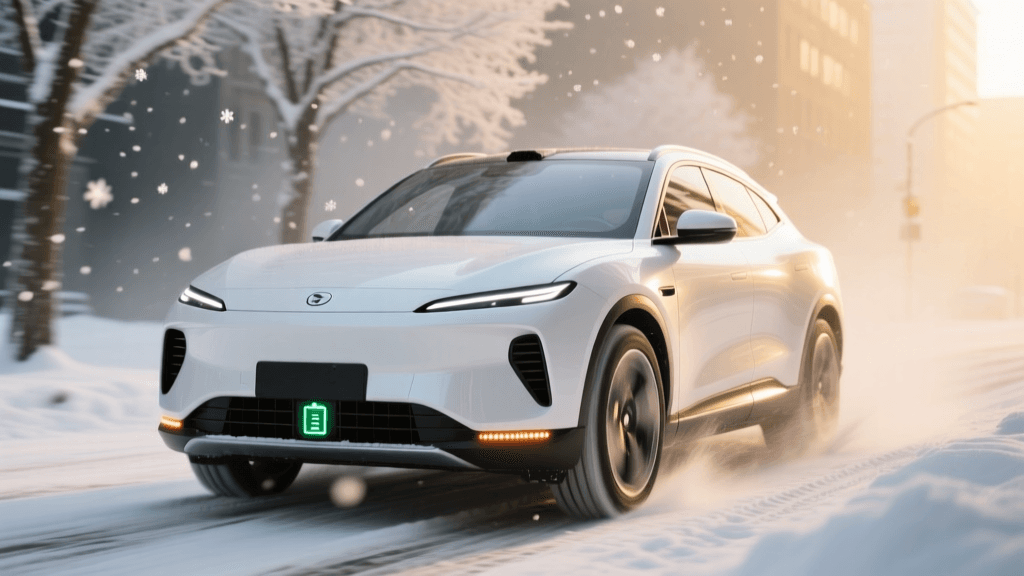
For drivers in northern latitudes, winter brings more than just snow and ice; it brings a dreaded drop in fuel economy. While electric vehicles (EVs) often suffer massive range losses in freezing temperatures, hybrid and plug-in hybrid electric vehicles (PHEVs) experience a different, yet equally frustrating, phenomenon: the MPG retention penalty. When temperatures dip below freezing, the internal combustion engine (ICE) in a hybrid must work harder and run longer to generate cabin heat, warm up the catalytic converter, and maintain optimal battery chemistry. This forces the vehicle out of its highly efficient electric-only mode and into gasoline-burning mode, severely impacting your winter fuel economy.
However, not all hybrids are created equal when the mercury drops. Automakers are increasingly recognizing that a vehicle's EPA-estimated combined MPG is only half the story. The true measure of a winter-capable hybrid is its MPG retention rate—the percentage of its combined fuel economy it can maintain when ambient temperatures hover around 20°F (-6°C). As we look toward the future of automotive engineering, advanced thermal management systems, AI-driven preconditioning, and next-generation heat pumps are radically altering the winter driving landscape. Here at AutoEdgeView, we have analyzed real-world winter testing data, thermal engineering trends, and consumer reports to rank the best hybrid and PHEV models for cold weather MPG retention.
Future Outlook: How Next-Gen Thermal Management is Changing the Game
Historically, hybrids relied on waste heat from the engine block to warm the cabin. In cold weather, this meant the engine had to idle or run continuously, effectively turning a hybrid into a conventional, albeit slightly more efficient, gas car. The industry outlook for the next five years points toward a complete decoupling of cabin heating and engine operation.
The most significant trend is the widespread adoption of multi-way heat pumps and exhaust heat recovery systems. According to the U.S. Department of Energy's Alternative Fuels Data Center, modern hybrid architectures are increasingly utilizing liquid-cooled thermal loops that capture waste heat from the power electronics, the electric motors, and even the exhaust stream, funneling it into the cabin and the high-voltage battery. This drastically reduces the need for the ICE to fire up solely for heating purposes.
Furthermore, AI-driven predictive thermal management is becoming standard. By syncing with the vehicle's GPS and navigation system, the hybrid's computer can precondition the battery and cabin while the car is still plugged in at home, or anticipate a steep, cold-weather grade and adjust the battery's thermal state in advance. This software-defined approach to thermodynamics is the key to pushing cold-weather MPG retention past the 90% threshold in the coming decade.
Ranked: Best Hybrids and PHEVs for Cold Weather MPG Retention
To determine our rankings, we evaluated vehicles based on their estimated MPG retention at 20°F compared to their EPA Combined MPG. We focused on models equipped with all-wheel drive (AWD), as winter buyers require traction alongside efficiency. As noted by the U.S. Environmental Protection Agency (EPA), cold weather can reduce fuel economy by 12% to 22% for standard hybrids, but the models below defy the average through superior engineering.
| Rank | Vehicle Model | EPA Combined MPG | Est. 20°F MPG | Retention % | Key Winter Tech |
|---|---|---|---|---|---|
| 1 | Toyota RAV4 Hybrid AWD | 39 MPG | 34.3 MPG | 88% | Exhaust Heat Recovery |
| 2 | Hyundai Tucson PHEV AWD | 35 MPG (Hyb) | 29.7 MPG | 85% | Multi-Way Heat Pump |
| 3 | Toyota Prius AWD | 54 MPG | 45.3 MPG | 84% | Advanced Cabin PTC |
| 4 | Honda CR-V Hybrid AWD | 40 MPG | 32.8 MPG | 82% | High-Efficiency ICE |
| 5 | Ford Escape PHEV AWD | 39 MPG (Hyb) | 31.2 MPG | 80% | Liquid Thermal Mgmt |
1. Toyota RAV4 Hybrid AWD (88% Retention)
The Toyota RAV4 Hybrid remains the undisputed king of winter efficiency. Toyota's mastery of the planetary gearset and its sophisticated exhaust heat recovery system allows the RAV4 to capture thermal energy from the tailpipe and route it to the cabin heater core. This means the 2.5-liter Atkinson-cycle engine can shut off sooner and stay off longer, even when the outside air is freezing. The electronic AWD system (AWD-i) uses a dedicated rear electric motor, providing instant winter traction without the mechanical drag of a traditional driveshaft, preserving vital MPG.
2. Hyundai Tucson PHEV AWD (85% Retention)
Hyundai and Kia have aggressively pursued heat pump technology, and the Tucson PHEV reaps the benefits. While PHEVs generally suffer heavy EV-range losses in the cold, the Tucson's multi-way heat pump efficiently scavenges waste heat from the electric motors and power electronics to warm the battery and cabin. Once the electric range is depleted, the Tucson transitions into hybrid mode with remarkable efficiency, retaining an impressive 85% of its hybrid-mode EPA rating in deep winter conditions.
3. Toyota Prius AWD (84% Retention)
The radically redesigned Prius AWD is a marvel of aerodynamic and thermal efficiency. Despite its lower ground clearance compared to SUVs, the Prius utilizes an advanced Positive Temperature Coefficient (PTC) heater paired with a highly insulated battery pack. The fifth-generation hybrid system is incredibly adept at managing battery state-of-charge (SOC) in the cold, ensuring the electric motors continue to assist the gas engine on icy inclines, resulting in class-leading real-world winter fuel economy.
4. Honda CR-V Hybrid AWD (82% Retention)
Honda's two-motor hybrid system operates differently than Toyota's, often functioning as a pure series hybrid (where the gas engine acts only as a generator) at lower speeds. In cold weather, Honda's high-efficiency ICE warms up exceptionally fast, minimizing the prolonged rich-fuel mixture phase that typically kills cold-start MPG. The CR-V's robust battery thermal management system also prevents the severe power derating seen in lesser hybrids during sub-zero morning commutes.
5. Ford Escape PHEV AWD (80% Retention)
The Ford Escape PHEV offers a solid, if slightly less advanced, thermal management strategy. Its liquid-cooled battery system is excellent at maintaining safe operating temperatures, but the cabin heating relies more heavily on engine waste heat and resistive electric heaters. Consequently, the engine runs more frequently in the winter, dropping its MPG retention to around 80%. However, its comfortable interior and competent AWD system keep it firmly in the top five for winter commuters.
Actionable Tips for Maximizing Winter Hybrid Efficiency
Even the most advanced thermal management systems cannot entirely overcome the laws of thermodynamics. To maximize your hybrid's MPG retention this winter, implement these actionable strategies:
- Precondition While Plugged In: If you own a PHEV or a hybrid with a plug-in block heater, set your cabin preconditioning timer while the car is still connected to the grid. This uses grid electricity rather than battery power or gasoline to warm the cabin and the battery pack.
- Use Seat and Steering Wheel Heaters: Resistive cabin air heating is incredibly energy-intensive. Relying on heated seats and a heated steering wheel allows you to lower the main cabin thermostat by 3 to 5 degrees, significantly reducing the load on the hybrid system and allowing the ICE to shut off more frequently.
- Combine Short Trips: A cold engine and a cold battery are the enemies of efficiency. A hybrid will achieve its worst MPG on the first three miles of a cold-soak start. Chain your errands together so the vehicle's thermal systems remain at optimal operating temperatures between stops.
- Invest in Low Rolling Resistance Winter Tires: Winter tires are mandatory for safety, but standard snow tires increase rolling resistance, which can drop MPG by an additional 3-5%. Look for winter tires specifically rated for low rolling resistance (such as the Bridgestone Blizzak WS90 or Nokian Hakkapeliitta R5) to claw back some of that lost efficiency.
The Industry Horizon: Solid-State Batteries and Winter Driving
Looking ahead to the late 2020s and early 2030s, the introduction of solid-state batteries (SSBs) promises to revolutionize cold-weather hybrid performance. Current lithium-ion batteries rely on liquid electrolytes that become viscous in freezing temperatures, increasing internal resistance and forcing the vehicle's thermal management system to expend precious energy just to keep the battery warm.
Solid-state batteries utilize a solid electrolyte that is far less susceptible to temperature-induced resistance spikes. When SSBs eventually trickle down from premium EVs into mainstream hybrid and PHEV platforms, we expect to see cold-weather MPG retention rates push past 95%. Until then, the hybrids ranked above represent the absolute pinnacle of winter fuel efficiency, combining cutting-edge thermal engineering with the reliability needed to conquer the snowbelt.