The Case for a Camping Van Hybrid in 2026
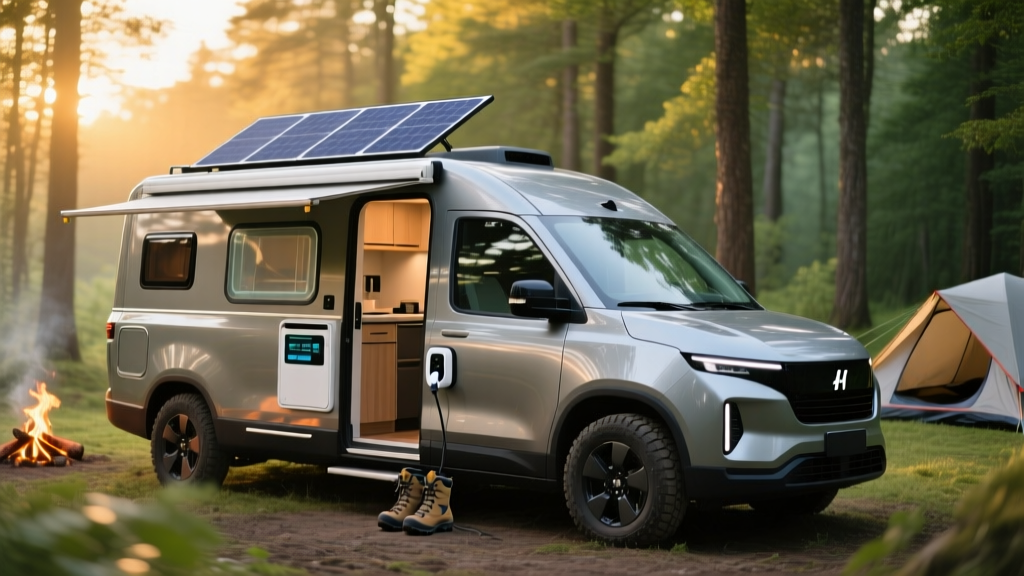
Van life and overlanding have collided with electrification. For buyers searching for a camping van hybrid, the promise is compelling: the long-haul range of a gasoline engine paired with silent, fume-free electric power at the campsite. Unlike a full battery-electric van — which still faces charging-desert risks on remote BLM roads — a hybrid or plug-in hybrid (PHEV) van lets you boondock confidently while slashing fuel costs on the highway.
But not all electrified vans are created equal. The market in 2026 offers a mix of conventional hybrids (HEVs), which recharge their small battery via regenerative braking, and plug-in hybrids (PHEVs), which carry a larger battery you can charge from a wall outlet for meaningful electric-only driving. Understanding this distinction is the single most important decision in your camping van purchase.
HEV vs PHEV: Which Hybrid Van Architecture Fits Your Camping Style?
Conventional Hybrid (HEV)
- How it works: A small battery (typically 1–2 kWh) is charged by regenerative braking and the engine. No plug required.
- Electric-only driving: Minimal — usually under 1 mile at low speeds.
- Camping advantage: Better fuel economy on long road trips; no charging logistics to worry about.
- Camping disadvantage: No meaningful electric-only range for silent campsite operation or powering devices.
Plug-In Hybrid (PHEV)
- How it works: A larger battery (15–30+ kWh) can be plugged in for full charges, enabling 20–45+ miles of electric-only driving before the gas engine kicks in.
- Electric-only driving: Enough for errands, short trails, or quiet campsite arrival/departure.
- Camping advantage: Can power camping appliances via the traction battery; silent electric mode for wildlife-friendly camping.
- Camping disadvantage: Requires access to Level 1 or Level 2 charging to maximize value; heavier vehicle.
The bottom line: If your camping trips involve long highway drives to remote areas with no charging infrastructure, a conventional HEV van maximizes fuel savings without adding complexity. If you camp near developed campgrounds with shore power, or want electric-only operation for stealth camping and off-grid device power, a PHEV van is the superior choice.
Top Camping Van Hybrid and PHEV Picks for 2026
The van market in 2026 offers several electrified platforms suited for camper conversions. Here are the leading contenders with exact specifications.
1. Chrysler Pacifica Hybrid (PHEV) — The Family Camper Van
The Pacifica Hybrid remains the only mainstream plug-in hybrid minivan available, making it a popular base for camper conversions. Its 16 kWh battery delivers genuine electric-only range, and the stow-and-go seating creates a flat load floor ideal for a bed platform.
| Spec | 2026 Chrysler Pacifica Hybrid |
|---|---|
| Powertrain | 3.6L V6 + dual electric motors (260 hp combined) |
| Battery | 16 kWh lithium-ion (usable ~14 kWh) |
| EPA Electric-Only Range | 32 miles |
| Total Combined Range | ~520 miles |
| EPA MPG (gas-only) | 30 combined / 29 city / 30 highway |
| MPGe (electric + gas) | 82 MPGe |
| Level 2 Charge Time (0–100%) | ~2 hours at 7.2 kW |
| DC Fast Charging | Not available |
| Base MSRP | ~$51,095 |
Source: fueleconomy.gov
2. Toyota Sienna (HEV) — The Ultra-Efficient Long-Haul Van
Toyota's Sienna is hybrid-only, using Toyota's proven fourth-generation hybrid system. It won't plug in, but its EPA ratings are exceptional for a vehicle this size, and its reliability record is among the best in the segment.
| Spec | 2026 Toyota Sienna Hybrid |
|---|---|
| Powertrain | 2.5L 4-cyl + dual electric motors (245 hp combined) |
| Battery | 1.9 kWh nickel-metal hydride (sealed, self-charging) |
| EPA Electric-Only Range | N/A (conventional HEV) |
| Total Combined Range | ~630 miles (18-gal tank) |
| EPA MPG (FWD) | 36 combined / 36 city / 36 highway |
| EPA MPG (AWD) | 35 combined / 35 city / 35 highway |
| Plug-In Charging | Not required or available |
| DC Fast Charging | N/A |
| Base MSRP | ~$39,840 |
Source: fueleconomy.gov
3. Ford Transit Custom PHEV (Europe) / E-Transit (US) — The Commercial Camper Base
For serious van-lifers building a full-size camper, the Ford Transit platform dominates. In the US, the E-Transit is fully electric (126-mile EPA range), which limits remote camping. Ford's Transit Custom PHEV — available in Europe — uses a range-extender architecture with a 11.6 kWh battery and 26 miles of electric range, but it is not sold in the US as of 2026. US buyers wanting a large hybrid van must currently look to the aftermarket or wait for Ford's anticipated PHEV Transit variant.
Real-World MPG: What You'll Actually See on the Road
EPA stickers are a starting point, not a guarantee. In real-world camping-van use, expect the following:
| Vehicle | EPA Combined | Real-World Highway (70 mph, loaded) | Real-World City/Campground |
|---|---|---|---|
| Pacifica Hybrid (gas mode) | 30 MPG | 26–28 MPG | 28–32 MPG |
| Sienna Hybrid (FWD) | 36 MPG | 30–33 MPG | 35–40 MPG |
Key insight: Hybrids typically exceed EPA city estimates because regenerative braking recovers energy in stop-and-go driving. Highway MPG tends to run 3–6 MPG below the EPA combined sticker, especially when the van is loaded with camping gear (add 500–1,000 lbs of conversion weight). The Sienna's hybrid system excels in city and campground-speed driving, while the Pacifica's V6 gives it more passing power when merging onto interstates fully loaded.
Real-World Range Reality Check
Pacifica PHEV: EPA 32 miles electric-only → expect 25–28 miles in cold weather or with a full camping load. Total range drops from ~520 to ~440–470 miles when carrying 800+ lbs of gear.
Sienna HEV: EPA 630-mile total range → expect 520–570 miles with a loaded camper conversion. In mountain driving (e.g., Colorado passes), expect 28–31 MPG rather than the 36-MPG sticker.
Battery Warranty, Lifespan, and Replacement Cost
Hybrid battery longevity is the top concern for used-hybrid buyers and van-lifers planning long-term ownership. Here's what to expect:
Warranty Coverage (2026 Models)
| Vehicle | Hybrid Battery Warranty | Powertrain Warranty |
|---|---|---|
| Chrysler Pacifica Hybrid | 10 years / 100,000 miles | 5 years / 60,000 miles |
| Toyota Sienna Hybrid | 10 years / 150,000 miles | 5 years / 60,000 miles |
Both warranties cover battery capacity loss below a defined threshold (typically 60–70% of original capacity). Toyota's 150,000-mile battery warranty is among the longest in the industry.
Replacement cost if out of warranty:
- Pacifica Hybrid 16 kWh battery: $8,000–$12,000 (OEM replacement including labor)
- Sienna Hybrid 1.9 kWh battery: $3,000–$5,000 (smaller battery, simpler chemistry)
Longevity data: Toyota's hybrid batteries have an exceptional track record — many first-generation Prius batteries lasted 180,000+ miles before significant degradation. The Pacifica's larger PHEV battery sees deeper cycling, but Chrysler's 10-year warranty provides strong coverage. For van-lifers putting on 15,000–20,000 miles per year, expect 10–15 years of service from either battery before replacement becomes a consideration.
Federal and State Tax Credits for Hybrid and PHEV Vans
Under current IRS §30D Clean Vehicle Credit rules (2026), only plug-in hybrids qualify for federal tax credits — conventional HEVs like the Sienna do not.
Does the Pacifica Hybrid Qualify for the $7,500 Federal Credit?
- ✅ Vehicle eligibility: The Pacifica Hybrid is on the IRS qualified vehicles list (verify current status at irs.gov)
- ⚠️ MSRP cap: Vans/minivans must have MSRP ≤ $80,000 — Pacifica Hybrid trims generally qualify
- ⚠️ Buyer income cap: AGI must not exceed $150,000 (single) / $300,000 (joint filing)
- ⚠️ Battery sourcing: Critical minerals and battery component requirements phase in annually — the Pacifica's partial credit amount may be $3,750 or $7,500 depending on current-year sourcing rules
- ✅ Point-of-sale transfer: Eligible buyers can transfer the credit to the dealer for an upfront price reduction
Sienna Hybrid: As a conventional HEV with no plug, the Sienna does not qualify for the §30D federal credit. Some states offer rebates for high-MPG hybrids — check your state energy office for current programs.
Always verify eligibility with a tax professional and the IRS Clean Vehicle Credit page before purchasing. Rules change annually.
Camping-Specific Power: Can a Hybrid Van Run Your Gear Off-Grid?
The hidden superpower of a PHEV camping van is off-grid electrical power. The Pacifica Hybrid's 16 kWh battery can theoretically power camping devices, but Chrysler does not currently offer a factory vehicle-to-load (V2L) feature. Aftermarket inverter setups (1,500–3,000W) can tap the 12V system or, with professional installation, the high-voltage battery — though this voids warranty if done improperly.
By comparison, the Sienna's small 1.9 kWh HEV battery provides no practical off-grid power. If campsite electricity is a priority — running a CPAP machine, charging laptops, powering an induction cooktop — the Pacifica PHEV is the clear winner, even if you need an aftermarket inverter to unlock that capability.
What 16 kWh actually powers at camp:
- LED camp lights (10W): ~1,600 hours
- Laptop charging (65W): ~24 full charges
- Portable fridge (50W): ~13 days
- CPAP machine (30W): ~6 nights
- Induction cooktop (1,800W): ~50 minutes of cooking (requires high-wattage inverter)
Who Should Choose a Camping Van Hybrid vs. a Full EV or Gas Van?
Decision Framework
Choose a PHEV van (Pacifica Hybrid) if:
- You want electric-only driving for daily errands and quiet campsite arrival
- You camp at developed sites with shore power to recharge overnight
- You need off-grid battery power for devices and appliances
- You want to reduce fuel costs but can't risk range anxiety on remote trips
Choose a conventional HEV van (Sienna Hybrid) if:
- You take long road trips through areas with no charging infrastructure
- You want maximum fuel economy without any plug-in logistics
- You prioritize long-term reliability and lower upfront cost
- You don't need off-grid electrical power from the vehicle
Choose a full EV van (E-Transit, ID. Buzz) if:
- Your camping trips stay within ~100 miles of reliable DC fast chargers
- You have home solar and want zero fuel costs
- You want maximum cargo space without an engine bay (skateboard platform)
- You accept the trade-off of route planning around charging stops
Pros and Cons: Camping Van Hybrid Ownership
Pros
- 30–36 MPG combined saves $800–$1,200/year in fuel vs. a gas-only van
- PHEV electric mode enables silent, emission-free campsite operation
- Total range of 500–630 miles eliminates range anxiety on remote trips
- 10-year/100,000+ mile battery warranties protect your investment
- PHEV may qualify for up to $7,500 federal tax credit (income/MSRP dependent)
- Regenerative braking reduces brake wear — a plus on mountain roads
Cons
- PHEV premium: Pacifica Hybrid costs ~$8,000–$10,000 more than gas Pacifica
- Neither van offers factory V2L — aftermarket inverters needed for off-grid power
- Added weight from hybrid system (Pacifica: ~500 lbs more than gas version) reduces payload for camper builds
- HEV vans provide no electric-only driving or campsite power
- Full-size hybrid vans (Transit PHEV) not yet available in the US market
- Cold weather reduces PHEV electric range by 20–30%
Frequently Asked Questions
How many MPG does a camping van hybrid get?
The Toyota Sienna Hybrid achieves 36 MPG combined (36 city / 36 highway) in FWD trim, making it the most fuel-efficient van on the market. The Chrysler Pacifica Hybrid gets 30 MPG combined in gas-only mode and 82 MPGe when factoring in electric driving. Real-world loaded highway driving drops these figures by 3–6 MPG.
How far can the Pacifica Hybrid go on electric only?
The EPA rates the Pacifica Hybrid at 32 miles of electric-only range. In real-world conditions — particularly cold weather or with a heavy camper conversion load — expect 25–28 miles. This is enough for campground arrival and departure, short trail drives, or daily errands, but not for extended highway travel.
Hybrid vs PHEV vs EV — which is right for van camping?
A conventional hybrid (HEV) like the Sienna is best for remote, long-distance camping where charging is unavailable. A PHEV like the Pacifica Hybrid suits campers who want electric-only capability and campsite power with a gas-engine safety net. A full EV van works only if your camping routes have reliable DC fast charging and you accept 100–250 miles of total range.
Is a hybrid van reliable and what does battery replacement cost?
Both the Sienna and Pacifica Hybrid carry 10-year hybrid battery warranties (Toyota covers 150,000 miles; Chrysler covers 100,000). Toyota's hybrid systems have a proven 20+ year reliability track record. Out-of-warranty replacement costs $3,000–$5,000 for the Sienna's smaller battery and $8,000–$12,000 for the Pacifica's larger PHEV pack.
Does a camping van hybrid qualify for a tax credit?
Only plug-in hybrids qualify for the federal §30D Clean Vehicle Credit (up to $7,500). The Chrysler Pacifica Hybrid may qualify depending on battery sourcing, your income, and the MSRP cap. The Toyota Sienna, as a conventional hybrid, does not qualify for federal credits. Check IRS.gov for current eligibility.
Can I use a hybrid van's battery to power camping equipment?
The Pacifica Hybrid's 16 kWh battery holds enough energy to power camping devices for days, but Chrysler doesn't offer a factory V2L outlet. A professionally installed aftermarket inverter (1,500–3,000W) can unlock this capability — budget $1,500–$3,000 for installation. The Sienna's small 1.9 kWh HEV battery is not practical for off-grid power.