If you're not ready to commit to a fully electric vehicle but want to slash your fuel bill, hybrid small cars occupy a compelling middle ground. They deliver 50+ MPG in daily driving, require no plug-in charging (for conventional hybrids), and cost thousands less than most EVs. But the hybrid segment is crowded, and not every model delivers on its EPA promises.
We've analyzed the top compact and subcompact hybrids available for the 2026 model year — conventional hybrids (HEVs) and plug-in hybrids (PHEVs) — to give you exact fuel economy figures, real-world efficiency data, pricing, battery warranty coverage, and tax credit eligibility. No marketing fluff, just the numbers that matter.
HEV vs PHEV: Which Hybrid Type Fits You?
Before comparing models, it's critical to understand the two hybrid architectures, because they serve different drivers and have very different cost structures.
Conventional Hybrid (HEV)
A conventional hybrid pairs a gasoline engine with one or more electric motors and a small battery (typically 0.5–1.5 kWh). The battery recharges through regenerative braking and the engine — you never plug it in. The electric motor assists during acceleration and enables brief electric-only driving at low speeds. The result is dramatically improved fuel economy, especially in stop-and-go city traffic, where the electric motor does the heavy lifting.
Plug-In Hybrid (PHEV)
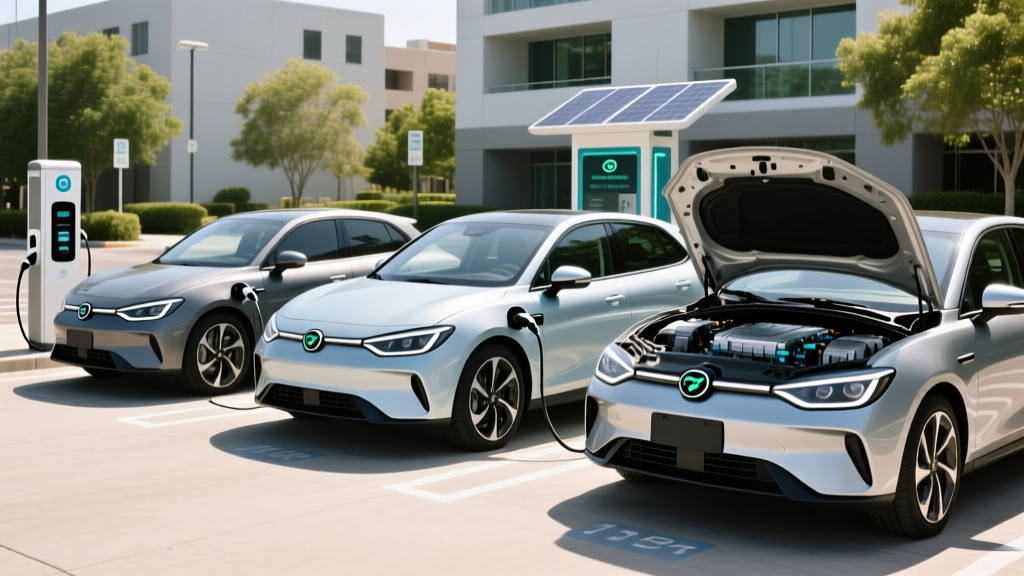
A plug-in hybrid uses a larger battery (typically 10–20 kWh) that you can charge from a wall outlet or charging station. This enables 25–45 miles of electric-only driving before the gasoline engine kicks in. Once the battery depletes, a PHEV operates exactly like a conventional hybrid. PHEVs qualify for federal tax credits under IRS §30D (subject to eligibility rules), while conventional HEVs do not.
| Feature | Conventional Hybrid (HEV) | Plug-In Hybrid (PHEV) |
|---|---|---|
| Battery Size | 0.5–1.5 kWh | 10–20 kWh |
| Plug-In Required? | No | Yes (for EV range benefit) |
| Electric-Only Range | Under 1 mile at low speed | 25–45 miles |
| Federal Tax Credit | Not eligible | Up to $7,500 (with caveats) |
| Price Premium over Gas | $1,000–$2,500 | $4,000–$8,000 |
| Best For | No home charging access | Home charging + short commutes |
Top Hybrid Small Cars: EPA MPG & Specs
The following table covers the most fuel-efficient small hybrids available in 2026. All figures are from EPA / fueleconomy.gov and manufacturer specifications.
| Model | Type | EPA City | EPA Hwy | EPA Combined | Combined HP | Base MSRP |
|---|---|---|---|---|---|---|
| Toyota Prius LE | HEV | 57 MPG | 52 MPG | 54 MPG | 194 HP | $28,350 |
| Toyota Prius Prime SE | PHEV | 52 MPG (hybrid) / 127 MPGe (EV) | 48 MPG | 50 MPG | 220 HP | $33,450 |
| Honda Civic Hybrid Sport | HEV | 50 MPG | 47 MPG | 49 MPG | 200 HP | $29,850 |
| Hyundai Elantra Hybrid Blue | HEV | 51 MPG | 58 MPG | 54 MPG | 139 HP | $26,250 |
| Toyota Corolla Hybrid LE | HEV | 53 MPG | 46 MPG | 50 MPG | 138 HP | $24,050 |
| Kia Niro Hybrid LX | HEV | 53 MPG | 48 MPG | 50 MPG | 139 HP | $27,890 |
| Toyota Prius Prime (EV mode) | PHEV | 44 miles electric-only range | 220 HP | $33,450 | ||
Real-World MPG: How Hybrids Actually Perform
One of the most pleasant surprises with hybrid small cars is that many exceed their EPA city ratings in real-world driving. This is the opposite of EVs, where real-world range often falls short of EPA estimates.
Why Hybrids Beat EPA in the City
Hybrids rely heavily on regenerative braking and electric-motor assist at low speeds. The EPA city cycle includes frequent stops — exactly the conditions where a hybrid's electric motor shines. On highway-only road trips, however, the gasoline engine does most of the work, and you'll typically see MPG 3–8% below the EPA highway figure. In cold weather (below 35°F), expect a 5–10% MPG drop across the board due to increased engine warm-up time and cabin heating load.
| Model | EPA Combined | Real-World City (Owner Avg) | Real-World Highway (75 mph) | Cold-Weather Expectation |
|---|---|---|---|---|
| Toyota Prius LE | 54 MPG | 56–60 MPG | 47–50 MPG | 48–51 MPG |
| Honda Civic Hybrid | 49 MPG | 50–54 MPG | 43–46 MPG | 44–47 MPG |
| Hyundai Elantra Hybrid | 54 MPG | 53–57 MPG | 50–54 MPG | 48–51 MPG |
| Toyota Corolla Hybrid | 50 MPG | 51–55 MPG | 42–45 MPG | 45–48 MPG |
| Kia Niro Hybrid | 50 MPG | 50–53 MPG | 44–47 MPG | 45–48 MPG |
The Hyundai Elantra Hybrid Blue is a standout on highway-heavy commutes thanks to its 58 MPG EPA highway rating — the highest in this segment. The Prius and Corolla hybrids, by contrast, are optimized for city efficiency, with city ratings that exceed their highway numbers.
PHEV Spotlight: Toyota Prius Prime Electric Range & Charging
The 2026 Toyota Prius Prime remains the only widely available plug-in hybrid small car that combines genuine electric-only commuting range with strong hybrid-mode efficiency. Here's the breakdown:
| Spec | Prius Prime SE |
|---|---|
| EPA Electric-Only Range | 44 miles |
| Total Combined Range (EV + Gas) | ~450 miles |
| Battery Capacity | 13.6 kWh (lithium-ion) |
| Level 1 Charging (120V) | ~11 hours (0–100%) |
| Level 2 Charging (240V) | ~4 hours (0–100%) |
| DC Fast Charging | Not available |
| Combined Horsepower | 220 HP (2.0L engine + motor) |
| 0–60 mph | 6.6 seconds |
| MPGe (EV mode) | 127 MPGe combined |
With 44 miles of electric-only range, the Prius Prime covers the average American one-way commute (16 miles per U.S. Census data) with room to spare. If you can charge at home overnight on a standard 120V outlet (Level 1), you may rarely use gasoline for daily driving. However, the lack of DC fast charging means public charging infrastructure is largely irrelevant for this vehicle — home or workplace Level 2 is where it thrives.
Battery Warranty & Longevity: What Hybrid Owners Need to Know
Hybrid battery replacement cost is the single most common concern we hear from prospective buyers. The good news: modern hybrid batteries are engineered to last the life of the vehicle, and warranty coverage is robust.
Hybrid Battery Warranty Standards (2026 Models)
- Federal mandate: All hybrid battery packs are warranted for a minimum of 8 years / 100,000 miles (10 years / 150,000 miles in CARB states including CA, NY, MA, and others)
- Toyota: 10 years / 150,000 miles on all hybrid batteries nationwide
- Honda: 8 years / 100,000 miles (10 years / 150,000 in CARB states)
- Hyundai/Kia: 10 years / 100,000 miles on hybrid batteries
The warranty covers battery capacity falling below a defined threshold (typically 60–70% of original capacity). In practice, most hybrid batteries lose only 10–15% capacity over 150,000+ miles, based on long-term fleet data from Prius taxis and consumer reports.
| Brand | Battery Warranty | Estimated Replacement Cost (Out of Warranty) | Typical Degradation at 150k Miles |
|---|---|---|---|
| Toyota (Prius, Corolla Hybrid) | 10 yr / 150,000 mi | $2,500–$4,000 | 10–12% |
| Honda (Civic Hybrid) | 8 yr / 100,000 mi | $2,000–$3,500 | 12–15% |
| Hyundai (Elantra Hybrid) | 10 yr / 100,000 mi | $2,500–$4,000 | 10–14% |
| Kia (Niro Hybrid) | 10 yr / 100,000 mi | $2,500–$3,800 | 10–14% |
Out-of-warranty hybrid battery replacement costs have dropped significantly as third-party remanufactured batteries have entered the market. A remanufactured Prius battery pack can be installed for $1,500–$2,500 at independent hybrid specialists, making long-term ownership economics favorable even beyond the warranty period.
Tax Credits & Incentives: Who Qualifies?
Only plug-in hybrids (PHEVs) are eligible for the federal §30D Clean Vehicle Credit. Conventional hybrids (HEVs) do not qualify for any federal tax credit. Here's the current framework per IRS guidelines:
- Vehicle requirement: Must be a new PHEV with at least 7 kWh of battery capacity (the Prius Prime qualifies at 13.6 kWh)
- MSRP cap: Vans, SUVs, and trucks up to $80,000; sedans and other vehicles up to $55,000 (Prius Prime qualifies)
- Buyer income cap: Modified AGI ≤ $150,000 (single), $225,000 (head of household), $300,000 (married filing jointly)
- Battery sourcing: Critical minerals and battery components must meet phased-in domestic-content requirements (check current-year percentages on IRS.gov)
- Credit amount: Up to $7,500, split between critical minerals ($3,750) and battery components ($3,750) — you may qualify for partial credit
- Point-of-sale transfer: Eligible buyers can transfer the credit to the dealer for an immediate price reduction at purchase
For the 2026 Toyota Prius Prime, the credit eligibility depends on battery-sourcing compliance, which Toyota has been working to satisfy. Always verify current-year eligibility on the IRS Clean Vehicle Credit page or consult a tax professional before relying on the credit in your purchase decision.
Some states offer additional incentives for PHEVs. California's CARB programs, for example, may provide rebates for PHEV purchases, though amounts vary by income and vehicle. Check your state's energy or environmental agency for current programs.
Hybrid vs PHEV vs EV: Which Should You Buy?
Choose a Conventional Hybrid (HEV) If:
- You don't have access to home or workplace charging
- You want maximum simplicity — no plugs, no charging apps, no range planning
- Your budget is under $30,000
- You drive a mix of city and highway and want 50+ MPG everywhere
- You want the lowest total cost of ownership with minimal upfront premium
Choose a Plug-In Hybrid (PHEV) If:
- You can charge at home (even a standard 120V outlet works overnight)
- Your daily round-trip commute is under 40 miles
- You want electric driving for daily errands but gas flexibility for road trips
- You qualify for the federal §30D tax credit (income and sourcing requirements met)
- You're not ready to rely entirely on public charging infrastructure
Choose a Full EV (BEV) If:
- You have reliable Level 2 home charging
- Your daily driving is predictable and within the vehicle's range
- You want zero tailpipe emissions and the lowest per-mile fuel cost
- You're eligible for the full $7,500 federal EV tax credit
- You want minimal maintenance (no oil changes, no engine)
Pros and Cons: Hybrid Small Cars at a Glance
Pros
- 50+ MPG real-world: Top hybrids deliver 50–60 MPG in city driving, cutting fuel costs by 40–50% versus comparable gas-only models
- No charging required (HEV): Conventional hybrids need zero behavior change — just fill up at any gas station
- Proven reliability: Toyota's hybrid system has over 25 years of real-world validation with millions of units on the road
- Lower upfront cost: Hybrid small cars start at $24,000–$28,000, thousands less than comparable EVs
- No range anxiety: Combined gas + electric range exceeds 500 miles on most models
- Strong resale value: Prius and Civic Hybrid consistently rank among the best-retaining vehicles in their segments
Cons
- Higher initial cost than gas models: Hybrid trims typically cost $1,000–$2,500 more than equivalent gas-only trims
- Still uses gasoline: HEVs are not zero-emission; they reduce but don't eliminate fossil fuel consumption
- Limited electric-only driving (HEV): Conventional hybrids can only drive short distances on electricity at low speeds
- Less performance: Most small hybrids prioritize efficiency over acceleration (except Prius Prime at 6.6s 0–60)
- PHEV cargo compromise: Larger PHEV batteries can reduce cargo space versus HEV counterparts
- HEVs don't qualify for federal tax credits: Only PHEVs are eligible under §30D
Frequently Asked Questions
How many MPG does a hybrid small car actually get?
The best hybrid small cars achieve 50–57 MPG combined (EPA). In real-world city driving, many owners report exceeding EPA estimates by 2–6 MPG due to regenerative braking. Highway-only driving typically returns 3–8% below EPA highway ratings. The 2026 Toyota Prius LE leads the segment at 57 city / 52 highway / 54 combined.
How far can the Prius Prime go on electric only?
The 2026 Toyota Prius Prime SE delivers 44 miles of EPA-rated electric-only range. Real-world EV range varies with temperature and driving style: expect 38–42 miles in cold weather (below 35°F) and 42–46 miles in mild conditions with moderate acceleration. This covers the average American daily round-trip commute with margin.
Hybrid vs PHEV vs EV — which fits my lifestyle?
If you can't charge at home, choose a conventional hybrid (HEV). If you can charge at home and your daily commute is under 40 miles, a PHEV gives you electric daily driving with gas road-trip flexibility. If you have home Level 2 charging and want the lowest operating cost with zero tailpipe emissions, a full EV (BEV) is the best long-term choice. PHEVs are the transitional option for drivers who want some EV benefit without range anxiety.
Are hybrid cars reliable, and what does battery replacement cost?
Modern hybrids from Toyota, Honda, Hyundai, and Kia are among the most reliable vehicles on the road. Hybrid batteries are warranted for 8–10 years / 100,000–150,000 miles depending on brand and state. Real-world data shows most hybrid batteries lose only 10–15% capacity over 150,000 miles. Out-of-warranty replacement costs $2,000–$4,000 for a new OEM pack or $1,500–$2,500 for a remanufactured unit.
Do hybrid small cars qualify for any tax credits?
Conventional hybrids (HEVs like the Prius, Civic Hybrid, Elantra Hybrid) do not qualify for the federal §30D Clean Vehicle Credit. Only plug-in hybrids (PHEVs) with at least 7 kWh of battery capacity qualify, and even then, eligibility depends on MSRP caps ($55,000 for sedans), buyer income limits, and battery-sourcing requirements. The 2026 Toyota Prius Prime is the primary small-car PHEV option and may qualify for up to $7,500 depending on your income and current-year sourcing rules. Check IRS.gov for current eligibility.
How long does it take to charge a PHEV like the Prius Prime?
On a standard 120V household outlet (Level 1), the Prius Prime charges from empty to full in approximately 11 hours — fine for overnight charging. On a 240V Level 2 charger, it takes about 4 hours. The Prius Prime does not support DC fast charging, which is typical for PHEVs due to their smaller battery packs.
Is a hybrid worth it over a regular gas car?
At current fuel prices ($3.20–$3.80/gallon national average), a hybrid achieving 54 MPG combined versus a gas car at 30 MPG saves approximately $600–$900 per year in fuel costs for a driver covering 12,000 miles annually. With a hybrid premium of $1,000–$2,500 over the gas equivalent, most buyers recoup the cost within 2–4 years. Over a 10-year ownership period, total fuel savings typically range from $5,000–$8,000.
Hybrid small cars in 2026 offer a mature, reliable, and cost-effective path to dramatically lower fuel consumption without the infrastructure dependence of a full EV. Whether you choose a conventional hybrid for its simplicity or a PHEV for electric commuting flexibility, the segment delivers proven efficiency with minimal compromise.