Finding a true 8-seat SUV hybrid narrows the field fast. Most three-row SUVs either skip electrification entirely or max out at seven seats. If you need that eighth seatbelt for carpools, large families, or weekend gear hauling while keeping fuel costs down, only a handful of models qualify for the 2026 model year. This guide breaks down every viable 8-seat SUV hybrid currently available, with exact EPA figures, real-world expectations, and the ownership math that matters.
Why the 8-Seat SUV Hybrid Segment Is So Small
Automakers face a packaging problem: fitting a hybrid battery pack, a third row, and maintaining cargo volume is an engineering challenge that eliminates most contenders. The battery typically sits under the rear seats or cargo floor, which conflicts with third-row seat mounting points and fold-flat mechanisms. As a result, the 8-seat SUV hybrid market in 2026 comes down to a few proven platforms that solved this problem early — primarily Toyota and Hyundai/Kia.
Before comparing models, it's critical to understand the two hybrid architectures you'll encounter:
Conventional Hybrid (HEV) vs. Plug-In Hybrid (PHEV)
HEV (Conventional Hybrid): Charges its small battery (~1-2 kWh) entirely through regenerative braking and the gas engine. You never plug it in. It improves MPG, especially in city driving, but offers no electric-only range.
PHEV (Plug-In Hybrid): Carries a larger battery (~12-25 kWh) that you charge via a wall outlet or charging station. It delivers 25-40+ miles of electric-only driving before the gas engine kicks in. Once the battery depletes, it operates as a conventional hybrid.
The 2026 8-Seat SUV Hybrid Lineup: Spec Comparison
Here's how the current contenders stack up on paper. All seat eight when equipped with a second-row bench (captain's chairs reduce capacity to seven).
| Specification | Toyota Grand Highlander Hybrid | Toyota Highlander Hybrid | Kia Sorento Hybrid | Kia Sorento PHEV |
|---|---|---|---|---|
| Powertrain | 2.5L 4-cyl + 3 electric motors | 2.5L 4-cyl + 2 electric motors | 1.6L turbo 4-cyl + electric motor | 1.6L turbo 4-cyl + electric motor |
| Combined HP | 245 hp (362 hp Hybrid MAX) | 243 hp | 232 hp | 261 hp |
| EPA Combined MPG | 34 MPG (Hybrid) / 27 MPG (MAX) | 35 MPG | 34 MPG | 30 MPG (hybrid mode) / 79 MPGe (combined) |
| EPA City / Highway | 36 city / 32 hwy (Hybrid) | 35 city / 35 hwy | 34 city / 34 hwy | 30 city / 30 hwy (gas) / 79 MPGe (elec+gas) |
| Electric-Only Range | N/A (HEV) | N/A (HEV) | N/A (HEV) | 32 miles (EPA) |
| Battery Capacity | ~1.6 kWh (NiMH) | ~1.6 kWh (NiMH) | ~1.5 kWh (Li-ion) | 13.8 kWh (Li-ion) |
| Seating Capacity | 8 (bench) / 7 (captains) | 8 (bench) / 7 (captains) | 8 (bench) / 7 (captains) | 6 only (captains standard) |
| Starting MSRP | $42,170 | $40,970 | $39,090 | $51,590 |
| Cargo (behind 3rd row) | 20.6 cu ft | 16.1 cu ft | 12.6 cu ft | 12.6 cu ft |
Sources: fueleconomy.gov, manufacturer spec sheets. MSRP reflects base hybrid trims for the 2026 model year.
Fuel Economy Deep Dive: EPA vs. Real-World MPG
Hybrids earn their reputation in city driving, where regenerative braking and electric-motor assist shine. On the highway, the advantage narrows because the gas engine does most of the work at sustained speeds. Here's what the EPA numbers mean in practice:
| Model | EPA Combined | Real-World City (Observed) | Real-World Highway (Observed) | Real-World Cold Weather |
|---|---|---|---|---|
| Grand Highlander Hybrid | 34 MPG | 33-37 MPG | 28-31 MPG | 27-30 MPG |
| Highlander Hybrid | 35 MPG | 34-38 MPG | 29-32 MPG | 28-31 MPG |
| Sorento Hybrid | 34 MPG | 32-36 MPG | 28-31 MPG | 26-29 MPG |
| Sorento PHEV (hybrid mode) | 30 MPG | 28-32 MPG | 26-29 MPG | 24-27 MPG |
Key takeaway: Conventional hybrids in this class routinely match or slightly exceed their EPA city ratings because stop-and-go traffic maximizes regen braking. Highway driving typically returns 3-6 MPG below the EPA combined figure. Cold weather (below 35°F) reduces efficiency by 10-15% as the engine runs more frequently for cabin heat and the battery's internal resistance increases.
For the Sorento PHEV, the 32-mile electric-only range means daily commutes under 30 miles can be completed on electricity alone — effectively infinite MPG for those trips. But once the battery depletes, the heavier PHEV powertrain returns lower MPG than the lighter HEV Sorento. If your commute exceeds 35 miles regularly or you lack home charging, the conventional Sorento Hybrid is the more efficient choice overall.
PHEV Reality Check: The Sorento PHEV's 32-mile EPA electric range assumes moderate temperatures, flat terrain, and speeds under 55 mph. Expect 24-28 miles in cold weather or at highway speeds. In winter with the heater running, that range can drop to 20-22 miles. Plan your electric-only commute expectations accordingly.
Charging the Sorento PHEV: What You Need to Know
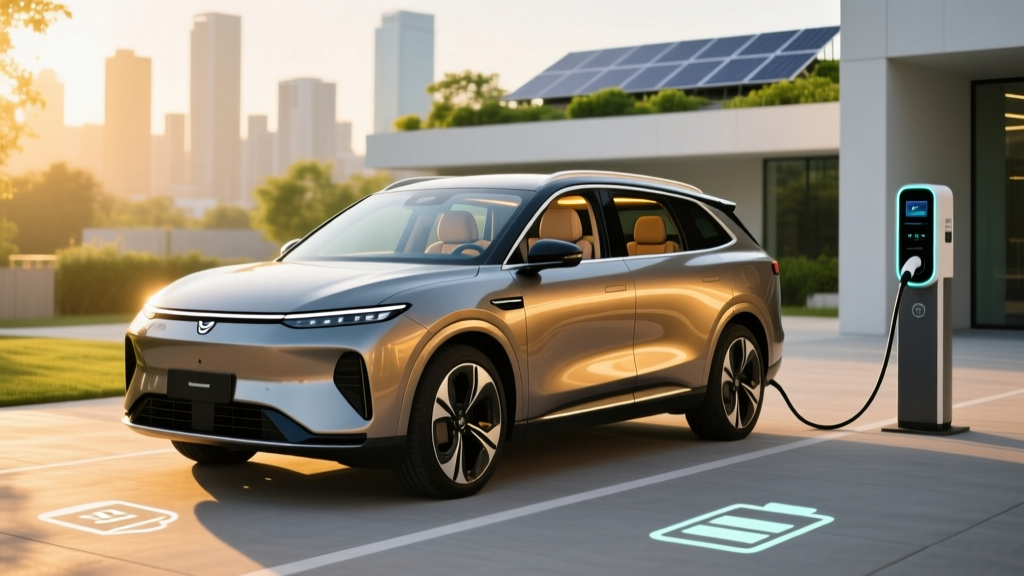
Among the models listed, only the Kia Sorento PHEV requires plugging in to unlock its efficiency advantage. Here's the charging breakdown:
| Charging Method | Power | 0-100% Time | Miles of Electric Range Added per Hour |
|---|---|---|---|
| Level 1 (120V household outlet) | ~1.4 kW | ~10 hours | ~3-4 miles/hr |
| Level 2 (240V home charger) | ~3.3 kW | ~4 hours | ~8-10 miles/hr |
| DC Fast Charging | Not supported | N/A | N/A |
The Sorento PHEV uses a standard J1772 connector for Level 1 and Level 2 charging. It does not support DC fast charging — a limitation common to most PHEVs due to their smaller battery packs and cost-constrained onboard chargers. A full charge on a Level 2 home charger takes about 4 hours, meaning an overnight charge easily replenishes the battery every night.
Home charging setup cost: A basic Level 2 charger (e.g., ChargePoint Home Flex or Emporia Level 2) costs $300-$600 for the unit. Professional installation by a licensed electrician typically runs $400-$1,200 depending on panel proximity and whether a 240V circuit already exists. Total: $700-$1,800 for a complete home charging setup.
The conventional hybrids (Grand Highlander Hybrid, Highlander Hybrid, Sorento Hybrid) require no plugging in whatsoever. Their small batteries charge entirely through regenerative braking and engine operation. You simply fuel up and drive — the hybrid system works transparently in the background.
Powertrain and Driving Dynamics
All four models use a continuously variable transmission (CVT) or multi-speed automatic paired with electric motors. None are performance-oriented, but they differ in character:
Toyota Grand Highlander Hybrid (245 hp): The standard hybrid powertrain is tuned for smoothness and efficiency, not acceleration. Expect a 0-60 mph time around 7.8 seconds — adequate for merging but leisurely when loaded with eight passengers. The available Hybrid MAX variant (362 hp) drops that to approximately 6.0 seconds but sacrifices 7 MPG combined to get there.
Toyota Highlander Hybrid (243 hp): Shares the same architecture as the Grand Highlander but in a shorter wheelbase. Slightly quicker to 60 (~7.5 seconds) due to lower weight. The trade-off is less third-row legroom and cargo space.
Kia Sorento Hybrid (232 hp): Uses a turbocharged 1.6L engine paired with a 6-speed automatic (not a CVT), which gives it more traditional shift feel and better highway passing response. 0-60 mph in approximately 7.6 seconds.
Kia Sorento PHEV (261 hp): The most powerful variant thanks to a larger electric motor. 0-60 mph in about 7.0 seconds. The added battery weight (~400 lbs more than the HEV) is noticeable in corners and under braking, but the electric torque fill makes it feel responsive around town.
Pricing, Tax Credits, and Total Cost of Ownership
Hybrid and PHEV pricing sits between conventional gas models and full battery-electric vehicles. Here's where each model lands and what incentives may apply:
| Model | Base MSRP | Federal §30D Tax Credit Eligibility | Estimated 5-Year Fuel Cost |
|---|---|---|---|
| Toyota Grand Highlander Hybrid | $42,170 | Not eligible (HEV) | ~$6,800 |
| Toyota Highlander Hybrid | $40,970 | Not eligible (HEV) | ~$6,600 |
| Kia Sorento Hybrid | $39,090 | Not eligible (HEV) | ~$6,800 |
| Kia Sorento PHEV | $51,590 | Potentially up to $3,750-$7,500* | ~$4,200** |
*Federal tax credit eligibility for the Sorento PHEV depends on IRS §30D rules including battery component sourcing, critical minerals requirements, buyer income caps ($150K single / $300K joint), and MSRP caps ($80,000 for SUVs). Credit may be applied at point of sale. Always verify current eligibility at irs.gov and consult a tax professional.
**5-year fuel cost assumes 15,000 miles/year, $3.50/gal gasoline, and $0.14/kWh electricity. PHEV cost assumes 60% of driving is within electric-only range.
The conventional hybrid tax situation: Standard HEVs do not qualify for the federal §30D clean vehicle credit, which is reserved for plug-in vehicles with battery capacity above 7 kWh. Some states offer rebates for conventional hybrids, but these vary widely and change frequently. Check your state's energy office or AFDC state incentive database for current programs.
Hybrid Battery Warranty: What's Covered
Both Toyota and Kia provide strong hybrid battery warranties that address the top concern for hybrid buyers:
- Toyota: 10 years / 150,000 miles hybrid battery warranty (all 50 states)
- Kia: 10 years / 100,000 miles hybrid/PHEV battery warranty
These warranties cover battery capacity loss below a defined threshold (typically 60-70% of original capacity) and any cell or module failures. Replacement costs out of warranty range from $2,500-$4,500 for HEV batteries and $5,000-$8,000 for the Sorento PHEV's larger pack. However, modern hybrid batteries routinely last 150,000-200,000+ miles before significant degradation, based on fleet data from Toyota's two decades of hybrid production.
Reliability and Long-Term Ownership
Hybrid powertrains from Toyota and Kia have established reliability track records that generally exceed their gas-only counterparts. The reasons are mechanical: regenerative braking reduces wear on friction brake pads (many hybrid owners report 80,000-100,000 miles on original brake pads), and the electric motor assist reduces strain on the gas engine.
Toyota's hybrid system has been in production since 1997 (Prius) and is among the most proven electrified powertrains in existence. The Highlander Hybrid has been sold since 2006. Common failure points are minimal — the most reported issue across Toyota hybrids is the hybrid inverter coolant pump, a $300-$500 repair that rarely occurs before 120,000 miles.
Kia's turbo-hybrid system is newer (introduced in the Sorento for the 2023 model year) and has less long-term data. Early reliability has been acceptable, though Kia's turbocharged engines historically require more attentive oil-change intervals. The 10-year/100,000-mile powertrain warranty provides a longer safety net than most competitors.
For buyers concerned about battery replacement cost: at current pricing, a Toyota hybrid battery replacement runs approximately $3,000-$4,000 including labor. Kia's PHEV battery is more expensive at $5,500-$8,000. However, independent hybrid battery refurbishers offer reconditioned units for 40-60% less. The reality is that most hybrid batteries outlast the vehicle's economic life.
Who Should Choose an 8-Seat SUV Hybrid vs. a Full EV or Gas Car
Decision Framework: Which Powertrain Fits You?
Choose a conventional hybrid (HEV) if:
- You want lower fuel costs with zero behavior change — no plugging in, no route planning
- You drive 15,000+ miles per year and want to save $800-$1,200 annually vs. a gas-only SUV
- You lack access to home charging (apartment, street parking)
- You regularly take long road trips where charging infrastructure is sparse
- You want the lowest upfront cost among electrified options
Choose the Sorento PHEV if:
- Your daily commute is under 30 miles round-trip and you can charge at home
- You want electric-only weekday driving but need gas flexibility for weekend road trips
- You qualify for the federal tax credit, effectively reducing the price premium over the HEV
- You need only 6 seats (the PHEV comes with captain's chairs only — no 8-seat option)
Choose a full battery-electric vehicle (BEV) if:
- You have reliable home Level 2 charging
- Your daily driving is under 250 miles and you're comfortable planning DC fast-charge stops on road trips
- You want zero tailpipe emissions and the lowest per-mile energy cost
- You're willing to pay a higher upfront price for lower operating costs
Stick with a gas-only SUV if:
- You drive fewer than 8,000 miles per year (the hybrid premium won't pay back)
- You tow frequently near maximum capacity (hybrids lose their MPG advantage under heavy loads)
- Upfront budget is the primary constraint
8-Seat SUV Hybrid Pros
- 30-35 MPG combined — 40-50% better than gas-only equivalents
- No charging required (HEV models) — fuel and go
- Proven reliability with 10-year/100K+ mile battery warranties
- Reduced brake wear saves $200-$400 per axle replacement
- Strong resale value, especially Toyota hybrids
8-Seat SUV Hybrid Cons
- Highway MPG advantage is modest (2-4 MPG over gas)
- CVT drone under hard acceleration (Toyota models)
- Higher upfront cost vs. gas-only trims ($3,000-$6,000 premium)
- Third row remains tight for adults on long trips
- PHEV option (Sorento) sacrifices 8-seat capability for electrification
Frequently Asked Questions
How many MPG does an 8-seat SUV hybrid get?
The Toyota Grand Highlander Hybrid leads at 34 MPG combined (36 city / 32 highway). The Toyota Highlander Hybrid achieves 35 MPG combined. The Kia Sorento Hybrid returns 34 MPG combined. In real-world city driving, expect to match or slightly exceed these EPA figures. Highway driving typically returns 3-6 MPG below the combined rating.
Can I get a plug-in hybrid with 8 seats?
As of the 2026 model year, no PHEV offers a true 8-seat configuration. The Kia Sorento PHEV comes only with second-row captain's chairs (6 seats). If you need 8 seats and plug-in capability, you'll need to wait for future model introductions or consider a conventional hybrid instead.
Do hybrid SUVs need to be plugged in?
No. Conventional hybrids (HEVs) like the Grand Highlander Hybrid, Highlander Hybrid, and Sorento Hybrid charge their batteries entirely through regenerative braking and the gas engine. You never plug them in. Only plug-in hybrids (PHEVs) require charging to access their electric-only range.
Is a hybrid SUV reliable long-term? What about battery replacement cost?
Toyota and Kia hybrid systems carry 10-year warranties (150,000 miles for Toyota, 100,000 for Kia). Toyota's hybrid technology has over 25 years of production history, and fleet data shows hybrid batteries commonly lasting 150,000-200,000+ miles. Out-of-warranty replacement costs $3,000-$4,000 for Toyota HEV batteries and $5,500-$8,000 for Kia PHEV batteries. The overall reliability of hybrid powertrains generally exceeds gas-only counterparts due to reduced engine and brake wear.
Does an 8-seat SUV hybrid qualify for any tax credit?
Conventional hybrids (HEVs) do not qualify for the federal §30D clean vehicle tax credit, which requires plug-in capability and minimum battery capacity. The Kia Sorento PHEV may qualify for up to $3,750-$7,500 depending on battery sourcing compliance, buyer income limits ($150K single / $300K joint), and MSRP caps ($80K for SUVs). However, the Sorento PHEV seats only 6. Always verify current eligibility at irs.gov. Some states offer additional incentives for hybrids — check the AFDC state incentive database.
How does towing affect hybrid MPG?
Towing significantly reduces hybrid fuel economy, often by 30-50%. The Toyota Grand Highlander Hybrid is rated to tow up to 5,000 lbs, but expect MPG to drop to 18-22 MPG when towing near capacity. Hybrids lose their efficiency advantage under sustained heavy loads because the gas engine operates continuously at high output. If you tow frequently, the fuel savings vs. a gas-only SUV narrow considerably.
What's the difference between the Grand Highlander Hybrid and the regular Highlander Hybrid?
The Grand Highlander is 6.5 inches longer, providing significantly more third-row legroom (33.5" vs. 27.7") and cargo space behind the third row (20.6 cu ft vs. 16.1 cu ft). Both seat 8 with a bench and offer similar MPG. The Grand Highlander starts about $1,200 higher. If you regularly use the third row for passengers, the Grand Highlander is the more practical choice. If the third row is occasional-use only, the standard Highlander Hybrid saves money and is easier to park.