Quick Answer: Can You Actually Win an Electric Mini Cooper?
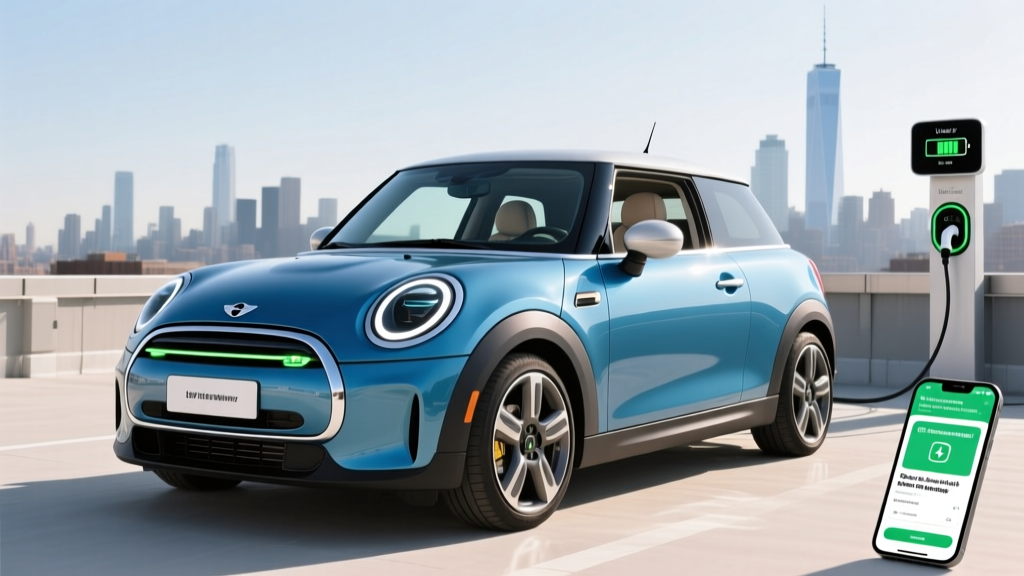
Yes — but legitimate opportunities are rare and highly competitive. The most reliable paths to winning a Mini Cooper Electric (officially the Mini Cooper SE for the battery-electric hardtop, or the Mini Aceman for the electric crossover) are:
- Omnaze / Omaze-style charity sweepstakes — periodic EV giveaways that have featured Mini and BMW Group vehicles
- Manufacturer promotional events — Mini USA occasionally runs "win a Mini" contests tied to test-drive events or social campaigns
- Radio station / local dealership promotions — regional giveaways, usually around model launches or holiday seasons
- Corporate incentive programs — employer raffles or rewards platforms
The realistic odds of winning any major car sweepstakes range from 1 in 50,000 to 1 in 500,000+ depending on entry volume. For most buyers, purchasing the 2026 Mini Cooper SE outright — starting at roughly $32,900 MSRP before incentives — is the practical path. Below, we break down what the car actually offers, what it costs to own, and how to evaluate any "win a Mini" opportunity you encounter.
Where Legitimate "Win an Electric Mini Cooper" Opportunities Exist
Before entering any giveaway, verify the sponsor. Legitimate car sweepstakes in the US fall into a few categories:
Charity Sweepstakes Platforms
Platforms like Omaze have run multi-million-entry car giveaways featuring premium EVs. While Mini specifically has appeared less frequently than Tesla or Rivian, BMW Group (Mini's parent) vehicles do surface. These are legally structured as charitable donations with a free alternate method of entry (AMOE) — typically a mail-in postcard — which is required under US sweepstakes law.
Mini USA & Dealership Promotions
Mini USA's marketing team periodically launches contests tied to new model debuts. The 2025–2026 rollout of the next-generation Mini Cooper SE (J01 platform) has generated promotional activity. Check miniusa.com and follow official Mini social channels for announcements. Dealerships may also run local raffles — these typically have better odds (sometimes 1 in 5,000–20,000) but are restricted to local residents.
Media & Corporate Giveaways
Automotive publications, radio conglomerates (iHeartRadio, Entercom), and corporate rewards platforms occasionally bundle EVs as grand prizes. These are legitimate but attract massive entry pools.
Common Sweepstakes Myths vs. Facts
| Myth | Fact |
|---|---|
| "You have to pay to enter" | US law requires a free alternate method of entry (AMOE). If a "sweepstakes" demands payment with no free option, it may be an illegal lottery or a scam. |
| "Entering more times increases my odds significantly" | Most legitimate sweepstakes limit entries to one per person per day or one total. Duplicate entries are disqualified. |
| "Winning a car means no taxes" | Sweepstakes prizes are taxable income. The IRS treats the fair market value of a won vehicle as ordinary income. Expect a 1099-MISC and a tax bill of 22–37% of the car's value depending on your bracket. |
| "The winner gets to pick any color or trim" | Most giveaways specify a single trim, color, and option package. Upgrades come out of the winner's pocket. |
What You'd Actually Win: 2026 Mini Cooper SE Specs
If you do win — or decide to buy — here's exactly what the current-generation electric Mini delivers. The 2026 Mini Cooper SE (J01 platform, sold in the US as a 2025/2026 model) represents a significant upgrade over the previous 114-mile-range model.
| Specification | Mini Cooper SE (Classic) | Mini Cooper SE (Signature / Iconic) |
|---|---|---|
| Battery (usable) | 40.7 kWh (NMC) | 54.2 kWh (NMC) |
| EPA Range | ~150 miles | ~200 miles |
| Motor Output | 181 hp / 199 lb-ft | 215 hp / 243 lb-ft |
| 0–60 mph | ~6.7 sec | ~6.2 sec |
| DC Fast Charge (peak) | 95 kW | 95 kW |
| 10–80% DC Charge | ~30 min | ~30 min |
| Level 2 AC Charge | 11 kW | 11 kW |
| Base MSRP (est.) | ~$32,900 | ~$37,900 |
| Battery Warranty | 8 yr / 100,000 mi | 8 yr / 100,000 mi |
Real-World Range Expectations
EPA sticker: ~150 mi (40.7 kWh) / ~200 mi (54.2 kWh)
Real-world highway (70 mph, moderate climate): Expect ~125–135 mi or ~170–180 mi respectively
Cold weather (below 32°F): Plan for 20–30% range reduction — the smaller battery could drop to ~100–110 miles real-world
Why the gap? The Mini Cooper SE's boxy shape and short wheelbase create higher aerodynamic drag at highway speeds. NMC chemistry also loses efficiency in cold without aggressive battery preconditioning.
Win It vs. Buy It: Real Cost Comparison
Let's put the economics in perspective. If you're spending time hunting for sweepstakes, you're also evaluating whether the Mini Cooper SE is worth purchasing directly.
| Cost Category | Mini Cooper SE (54.2 kWh, Signature) | Gas Mini Cooper Hardtop (Comparable) | Notes |
|---|---|---|---|
| Purchase Price (MSRP) | $37,900 | $32,500 | EV carries ~$5,400 premium |
| Federal Tax Credit (§30D) | Up to $7,500* | $0 | *Subject to income, MSRP caps, battery sourcing — see IRS §30D rules |
| Effective Price After Credit | ~$30,400 | $32,500 | EV can be cheaper net |
| Fuel / Energy (5 yr, 15k mi/yr) | ~$3,200 (home charging @ $0.14/kWh) | ~$8,100 (premium gas @ $3.80/gal, 30 MPG) | EV saves ~$4,900 over 5 years |
| Maintenance (5 yr) | ~$1,500 | ~$3,800 | No oil, fewer brake replacements (regen) |
| Insurance (5 yr avg) | ~$9,500 | ~$8,200 | EV premiums run 10–20% higher |
| 5-Year Total Cost | ~$44,600 | ~$52,600 | EV saves ~$8,000 |
Note: The federal §30D credit for 2026 requires the buyer to meet income caps ($150K single / $300K joint), the vehicle MSRP must not exceed $55,000 (cars), and battery components and critical minerals must meet sourcing thresholds that tighten annually. The Mini Cooper SE is assembled in the UK, and its battery sourcing eligibility may vary — always verify on the IRS qualified vehicles list before purchasing. The point-of-sale transfer option allows you to apply the credit directly at the dealer if eligible.
EV vs. Gas Mini: Who Should Go Electric?
The Mini Cooper has always been a city car first. That makes the electric version particularly well-suited to certain driving patterns — and poorly suited to others.
| Factor | Mini Cooper SE (Electric) | Mini Cooper Hardtop (Gas) |
|---|---|---|
| City Driving | Excellent — instant torque, regen braking, silent | Good — but stop/start is less smooth |
| Highway Road Trips | Limited — 150–200 mi range, 30-min charge stops | Excellent — 350+ mi range, 5-min refuel |
| Home Charging Access | Required for practical ownership | Not needed |
| Cold Climate Performance | 20–30% range loss below freezing | Minimal impact |
| Driving Fun (Go-Kart Feel) | Instant torque, low center of gravity | Lighter weight, more top-end pull |
| Running Costs | ~$0.04/mile (electricity) | ~$0.11/mile (premium gas) |
First-Time EV Buyer: What You Need to Know Before Entering (or Buying)
Whether you win or buy, owning an electric Mini Cooper SE involves practical considerations that differ from a gas car:
Home Charging Is Non-Negotiable
The Mini Cooper SE's 150–200 mile range means you'll rely heavily on home charging. A Level 2 home charger (240V, 11 kW) adds roughly 35–40 miles of range per hour of charging and can fully replenish the battery overnight. Installation typically costs $800–$2,500 depending on your electrical panel capacity and whether a panel upgrade (to 200A) is needed. If you live in an apartment without charging access, the SE's limited range makes public-only charging impractical.
DC Fast Charging Is Adequate, Not Exceptional
At a peak of 95 kW, the Cooper SE charges from 10–80% in roughly 30 minutes at a compatible DC fast charger. That's slower than competitors like the Hyundai Kona Electric (100+ kW sustained) or Tesla Model 3 (250 kW peak). For road trips, plan stops around meals or activities. The charge curve tapers significantly above 80%, so charging to full at a DC station is time-inefficient.
Tax Credits May Not Apply If You Win
The §30D federal tax credit applies to purchased new clean vehicles. If you win a Mini Cooper SE in a sweepstakes, you cannot claim the $7,500 credit — and you'll owe income tax on the vehicle's fair market value (~$35,000–$40,000 depending on trim), potentially creating a $8,000–$14,000 tax liability. Factor this into your decision about whether to keep or sell a won vehicle.
Decision Framework: Should You Hunt for a Giveaway or Just Buy?
If / Then Guide
- If you have home charging access and drive under 100 miles/day: The Mini Cooper SE is a strong daily driver. Consider buying — the math works, especially with the federal credit.
- If you frequently drive 200+ miles in a day: The SE's range will frustrate you. Look at a Mini Countryman SE (PHEV) for gas backup, or a longer-range EV like the Tesla Model 3 or Hyundai Ioniq 6.
- If you see a legitimate Mini sweepstakes: Enter using the free AMOE method. Never pay for entries. Understand the tax implications of winning.
- If you don't have home charging: The SE is not practical as a sole vehicle. Consider a PHEV or wait until workplace/public charging is reliable in your area.
- If you're in a cold climate (regular sub-30°F winters): Budget for 25%+ range loss. The 54.2 kWh version is strongly preferred over the 40.7 kWh base model.
- If total cost of ownership is your priority: The EV wins on a 5-year basis by ~$8,000 vs. the gas Mini, driven primarily by fuel and maintenance savings.
Frequently Asked Questions
Are "win an electric Mini Cooper" contests on Instagram and TikTok legitimate?
Most are not. Legitimate sweepstakes are run by identifiable sponsors (charities, manufacturers, media companies) with official rules, a physical address, and a free alternate method of entry. Social media posts from unverified accounts promising a free Mini are almost always scams designed to harvest personal data or sell entries. Always verify against the official Mini USA website or a known sweepstakes platform.
What taxes do I owe if I win a Mini Cooper SE?
The IRS treats sweepstakes prizes as ordinary income. If the car's fair market value is $38,000 and you're in the 24% federal tax bracket, expect roughly $9,120 in federal tax, plus any state income tax. Many winners choose to sell the vehicle to cover the tax bill. The sponsor will issue a 1099-MISC for the prize value.
Does the 2026 Mini Cooper SE qualify for the $7,500 federal tax credit?
Eligibility under IRS §30D depends on battery component sourcing and critical mineral requirements, which tighten each year. The Cooper SE is assembled in the UK with battery cells from CATL (China). As of 2026, the critical minerals and battery component thresholds are strict — check the fueleconomy.gov tax credit database for the latest eligibility status before purchasing. Income caps ($150K single / $300K joint) and the $55,000 MSRP cap for cars also apply.
How does the Mini Cooper SE range compare to competitors?
The 54.2 kWh version's ~200-mile EPA range trails most competitors: the Chevrolet Bolt EV offers 259 miles, the Hyundai Kona Electric delivers 261 miles, and the Tesla Model 3 RWD provides 272 miles. The Mini's advantage is driving dynamics, premium interior quality, and brand cachet — not range efficiency. If range is your top priority, the SE is not the segment leader.
Can I install a Level 2 charger in a condo or apartment?
It depends on your building's electrical infrastructure and HOA rules. Many states have "right to charge" laws that prevent HOAs from unreasonably blocking EV charger installation, but you may need to pay for dedicated circuit installation ($1,200–$3,000+) and ongoing electricity. Some buildings offer shared charging stations — check with your property manager before committing to an EV.
Is the Mini Cooper SE a good first EV?
For city-dwelling drivers with home charging and daily commutes under 80 miles, yes — it's engaging, well-built, and cheap to run. For anyone who regularly drives long distances, lives in extreme cold, or lacks home charging, a longer-range EV or a plug-in hybrid is a more practical first electrified vehicle.