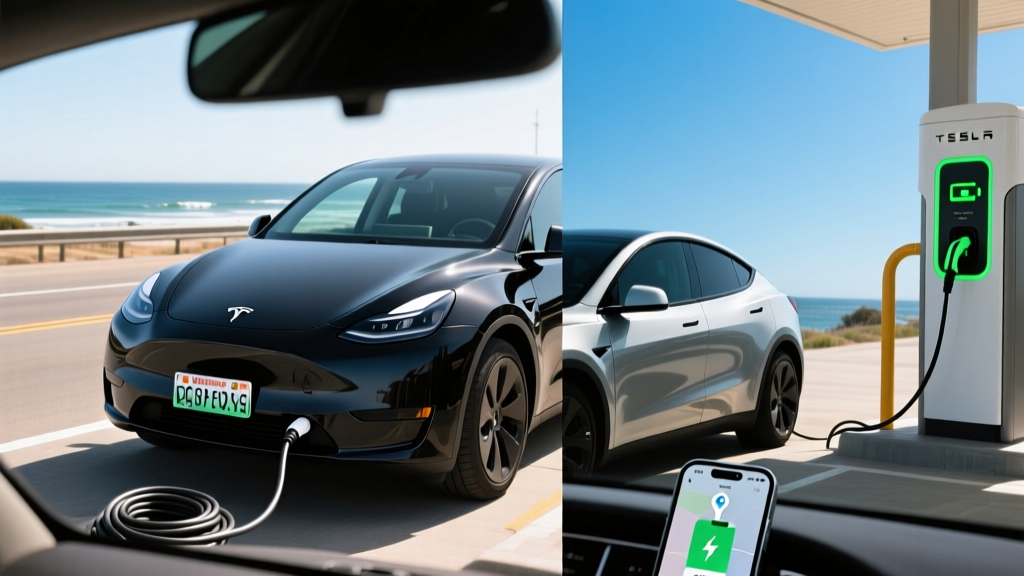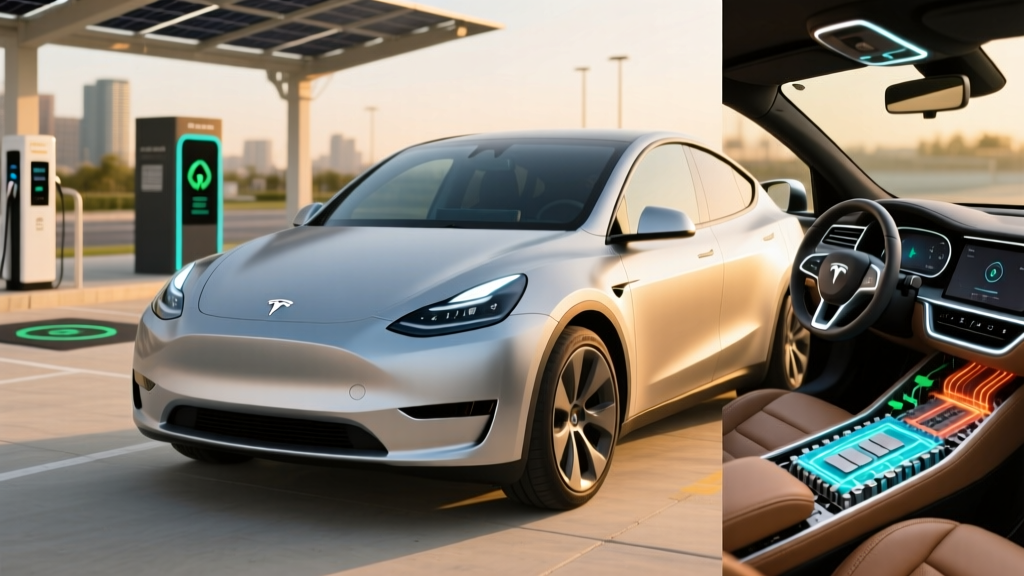
The Minds Behind Tesla's Design Philosophy
The question "who designs Tesla" doesn't have a simple answer — it's a layered organizational structure that blends industrial design, powertrain engineering, and software architecture under one roof. Unlike legacy automakers that outsource design studios or split engineering across global centers, Tesla centralizes its core design and engineering at its Austin, Texas Gigafactory and the Palo Alto engineering headquarters.
Franz von Holzhausen has served as Tesla's Chief Designer since 2008, having previously designed for Mazda, Volkswagen, and General Motors. He penned the Model S, Model 3, Model X, Model Y, and Cybertruck. Under his direction, Tesla's design language emphasizes aerodynamic efficiency (the 2026 Model Y achieves a 0.23 Cd drag coefficient) and minimalist interiors dominated by a central touchscreen.
On the engineering side, Tesla operates with a flatter hierarchy than Detroit automakers. Powertrain, battery cell design (including the in-house 4680 cell), thermal management, and Full Self-Driving software are all developed internally. The result is tight integration between hardware and software that competitors struggle to replicate. For the 2026 Model Y "Juniper" refresh, the design and engineering teams collaborated on a revised suspension tune, new acoustic glass, ambient lighting, and a rear-seat entertainment screen — changes that address the most common owner complaints from the pre-refresh model.
2026 Tesla Model Y: Core Specifications at a Glance
| Spec | Long Range RWD | Long Range AWD | Performance |
|---|---|---|---|
| EPA Range | 320 mi | 315 mi | 295 mi |
| Battery (usable) | ~78 kWh NMC | ~78 kWh NMC | ~78 kWh NMC |
| 0–60 mph | 5.4 sec | 4.6 sec | 3.5 sec |
| Horsepower | 346 hp | 384 hp | 456 hp |
| Drivetrain | RWD (single motor) | AWD (dual motor) | AWD (dual motor) |
| Peak DC Fast Charge | 250 kW | 250 kW | 250 kW |
| 10–80% DC Charge | ~25 min | ~25 min | ~25 min |
| Level 2 Home Rate | 11.5 kW (~44 mi/hr) | 11.5 kW (~44 mi/hr) | 11.5 kW (~44 mi/hr) |
| MPGe (combined) | 123 MPGe | 119 MPGe | 111 MPGe |
| Efficiency | 27 kWh/100 mi | 28 kWh/100 mi | 30 kWh/100 mi |
| Cargo (rear seats up) | 30.2 cu ft | 30.2 cu ft | 30.2 cu ft |
| Cargo (rear seats folded) | 72.1 cu ft | 72.1 cu ft | 72.1 cu ft |
| Rear Legroom | 41.6 in | 41.6 in | 41.6 in |
| Base MSRP | $44,990 | $47,990 | $52,490 |
Source: fueleconomy.gov and Tesla.com, 2026 model year.
Real-World Range: What the EPA Number Doesn't Tell You
EPA Sticker: 320 miles (Long Range RWD) / 315 miles (Long Range AWD)
Real-World Expectation: In mixed driving at 70°F, expect 280–300 miles. On sustained highway trips at 75 mph, plan for 250–270 miles. In freezing temperatures (below 32°F), range drops 20–30%, yielding roughly 210–240 miles unless you precondition the battery while plugged in.
Tesla's NMC (nickel manganese cobalt) battery chemistry offers higher energy density than LFP (lithium iron phosphate), which is why the Long Range trims achieve their class-leading EPA figures. However, NMC cells are more sensitive to sustained high-state-of-charge storage. Tesla recommends daily charging to 80–90% for NMC packs and reserving 100% charges for road trips.
The Juniper refresh introduced a standard heat pump across all trims, which recovers waste heat from the drivetrain to warm the cabin. This reduces the winter range penalty compared to the resistive heating used in early Model Y builds, but cold weather still meaningfully reduces range — physics is physics.
Charging Speed: DC Fast, Level 2, and the Supercharger Advantage
Tesla's Supercharger network remains the gold standard for public DC fast charging in North America, with over 6,500 V3 and V4 stalls in the U.S. alone as of early 2026. The 2026 Model Y peaks at 250 kW on V3 stalls and can sustain roughly 170–200 kW through the 20–60% state-of-charge window before tapering.
| Charging Method | Power | Miles Added | Notes |
|---|---|---|---|
| Level 1 (120V outlet) | ~1.4 kW | ~4–5 mi/hr | Emergency/trickle only |
| Level 2 (240V, 48A Wall Connector) | 11.5 kW | ~44 mi/hr | Full charge in ~7 hours |
| Level 2 (240V, 32A mobile connector) | 7.7 kW | ~30 mi/hr | Common NEMA 14-50 setup |
| DC Fast (V3 Supercharger) | Peak 250 kW | ~200 mi in 15 min | 10–80% in ~25 min |
| DC Fast (CCS adapter + 350 kW stall) | Peak 250 kW (vehicle-limited) | ~190 mi in 15 min | Adapter included since 2025 |
Charge curve reality check: The 250 kW peak is not sustained across the full session. Above 50% SoC, the rate drops to roughly 150 kW; above 80%, it falls below 60 kW. This is why Tesla (and every other automaker) quotes 10–80% times rather than 0–100%. Plan your road-trip stops around the 10–80% window for maximum efficiency.
At home, the Tesla Wall Connector on a 60-amp circuit delivers 11.5 kW / 48 amps, adding about 44 miles of range per hour. A typical overnight session (8 hours) replenishes roughly 350 miles — more than enough for any daily commute. Installation costs vary from $500 (simple run near the panel) to $2,500+ if a panel upgrade or long conduit run is needed. Always get a quote from a licensed electrician.
Performance, Ride Quality, and the Juniper Refinements
The 2026 Model Y Performance trim hits 60 mph in 3.5 seconds with 456 hp from its dual-motor AWD setup. That's sports-car acceleration in a crossover with 72.1 cu ft of cargo space. The Long Range AWD is hardly slow at 4.6 seconds, and the RWD model's 5.4-second sprint beats most gas-powered compact SUVs off the line.
Where the Juniper refresh earns its keep is in ride quality. Tesla's engineering team retuned the dampers, added frequency-selective rebound springs, and laminated acoustic glass on all windows. The result is a noticeably quieter cabin at highway speed and less crashiness over expansion joints — two of the most cited complaints in pre-2025 Model Y reviews.
Steering remains quick but numb, a deliberate Tesla design choice favoring efficiency over feel. The turning circle of 39.8 feet is tighter than the Ford Mustang Mach-E (39.5 ft) and comparable to the Hyundai Ioniq 5.
Pricing, Trim Levels, and Federal Tax Credit Eligibility
| Trim | Base MSRP | Est. §30D Credit | Effective Price |
|---|---|---|---|
| Long Range RWD | $44,990 | Up to $7,500 | ~$37,490 |
| Long Range AWD | $47,990 | Up to $7,500 | ~$40,490 |
| Performance AWD | $52,490 | Up to $7,500 | ~$44,990 |
All 2026 Model Y trims fall under the $55,000 MSRP cap for SUVs under IRS §30D rules. However, eligibility is not automatic. Buyers must meet all of the following:
- Income caps: Modified AGI ≤ $150,000 (single), $225,000 (head of household), or $300,000 (joint filers)
- MSRP cap: Vehicle must be under $55,000 for SUVs (all Model Y trims qualify)
- Battery sourcing: A percentage of critical minerals and battery components must be sourced from the U.S. or free-trade-agreement countries — thresholds increase annually through 2029
- Point-of-sale transfer: Since 2024, buyers can transfer the credit to the dealer at purchase, reducing the out-of-pocket price immediately rather than waiting for a tax refund
The battery-sourcing requirements are the most volatile variable. Tesla sources cells from multiple suppliers (Panasonic, CATL, LG Energy Solution) and shifts sourcing based on compliance. Always verify current eligibility on fueleconomy.gov before purchasing, as credit amounts can change mid-year.
Tech, Driver Assistance, and Interior Highlights
Tesla's 15.4-inch center touchscreen handles everything: navigation, media, climate, vehicle settings, and the available rear-seat 8-inch display. There are no physical buttons for climate or volume — everything routes through the screen or steering-wheel scroll wheels. This minimalism is polarizing; some owners love the clean aesthetic, others find it distracting while driving.
The 2026 Model Y ships with Tesla's latest infotainment software, including native Apple Music, Spotify, Tidal, and a full web browser. The navigation system is among the best in the industry, with real-time Supercharger availability, automatic preconditioning for fast-charge stops, and trip energy predictions that have proven remarkably accurate in our testing.
SAE Automation Level: Tesla Autopilot and Full Self-Driving (Supervised) are SAE Level 2 driver-assistance systems. The driver must remain attentive, keep hands on the wheel, and be prepared to take over at any moment. These systems are not self-driving. Only SAE Level 4 services like Waymo One operate without a human driver, and only in geofenced areas.
FSD (Supervised) costs $8,000 upfront or $99/month and adds automatic lane changes, traffic-light recognition, and city-street navigation. It has improved substantially but still makes occasional errors at complex intersections and construction zones. We consider it a premium convenience feature, not a replacement for an attentive driver.
Warranty Coverage
Tesla provides the following warranty coverage for the 2026 Model Y:
- Basic Vehicle: 4 years / 50,000 miles (whichever comes first)
- Battery & Drive Unit: 8 years / 120,000 miles for Long Range; 8 years / 100,000 miles for RWD — with a guaranteed minimum 70% capacity retention
The 70% retention threshold is the industry standard, matching Hyundai, Ford, and BMW. Real-world data from Tesla's fleet suggests most NMC packs retain 85–90% capacity after 100,000 miles, though individual results vary with charging habits and climate exposure.
Pros, Cons, and Who Should Buy the 2026 Model Y
Pros
- Class-leading EPA range (up to 320 mi)
- Access to the Tesla Supercharger network — the most reliable DC fast-charge network in North America
- Excellent efficiency (27–30 kWh/100 mi)
- Strong acceleration across all trims
- Over-the-air updates add features post-purchase
- Spacious cargo area (72.1 cu ft seats folded)
- Improved ride quality and cabin quietness (Juniper refresh)
Cons
- No physical buttons — all controls via touchscreen
- FSD (Supervised) is expensive and still requires full driver attention
- No Apple CarPlay or Android Auto
- Insurance premiums run 15–30% higher than comparable gas SUVs
- Panel gap and paint quality still inconsistent on some builds
- Rear visibility is limited; relies heavily on cameras
Who This EV Suits Best
Daily commuters and road-trippers: The Long Range AWD's 315-mile EPA range and Supercharger access make it ideal for drivers who regularly cover 40+ miles daily and take multi-state trips. The 25-minute 10–80% charge time keeps road-trip stops brief.
Small families: With 41.6 inches of rear legroom and 30.2 cu ft of cargo space behind the second row, the Model Y comfortably fits two child seats and a double stroller. The frunk adds another 4.1 cu ft for charging cables or groceries.
Tech-forward buyers: If you value OTA updates, app-based climate preconditioning, and integrated navigation with charger routing, Tesla's software ecosystem is unmatched.
Not ideal for: Buyers who want Apple CarPlay, prefer physical buttons, or need a truck-like towing capacity (the Model Y is rated for 3,500 lbs — adequate for a small trailer, not a boat).
Frequently Asked Questions
What is the real-world range of the 2026 Tesla Model Y?
In mild weather mixed driving, expect 280–300 miles from the Long Range trims. Sustained highway driving at 75 mph drops this to 250–270 miles. In sub-freezing temperatures, plan for 210–240 miles unless you precondition while plugged in. The EPA estimates of 315–320 miles assume a mix of city and highway driving at moderate temperatures.
How fast does the Model Y charge at home and on the road?
On a Level 2 Tesla Wall Connector (11.5 kW / 48A), the Model Y adds roughly 44 miles of range per hour, fully recharging overnight in about 7 hours. On a V3 Supercharger, it peaks at 250 kW and charges from 10–80% in approximately 25 minutes. Using a CCS adapter at a non-Tesla 350 kW stall, the vehicle-limited peak remains 250 kW.
How much does the 2026 Model Y cost after federal tax credits?
If you qualify for the full $7,500 §30D credit, the Long Range RWD drops from $44,990 to approximately $37,490, the Long Range AWD to about $40,490, and the Performance to roughly $44,990. Eligibility depends on your income, the vehicle's battery-sourcing compliance, and MSRP caps. Always verify on fueleconomy.gov before purchasing.
Does the 2026 Model Y qualify for the federal EV tax credit?
All trims fall under the $55,000 SUV MSRP cap. However, the credit amount depends on battery-sourcing compliance (which can change) and your modified adjusted gross income. Single filers must earn ≤ $150,000 MAGI; joint filers ≤ $300,000. The credit can be transferred to the dealer at point of sale for an immediate price reduction. Consult a tax professional for your specific situation.
Is the 2026 Model Y worth buying vs. the Hyundai Ioniq 5 or Ford Mustang Mach-E?
The Model Y wins on range (320 mi vs. Ioniq 5's ~305 mi and Mach-E's ~312 mi), charging network access, and software integration. The Ioniq 5 offers faster 10–80% charging (~18 min at 350 kW with its 800V architecture) and a more comfortable ride. The Mach-E provides a more traditional interior with physical controls and Apple CarPlay. If Supercharger access and maximum range are your priorities, the Model Y is the strongest choice. If you prefer ride comfort or CarPlay, test-drive the Ioniq 5.
Who designs Tesla vehicles?
Tesla's design is led by Chief Designer Franz von Holzhausen, who has been with the company since 2008. Engineering is centralized at Tesla's Austin and Palo Alto facilities, with powertrain, battery, thermal management, and software all developed in-house. This vertical integration — rare in the auto industry — is why Tesla can push over-the-air updates that fundamentally change vehicle behavior, something most legacy automakers cannot do.