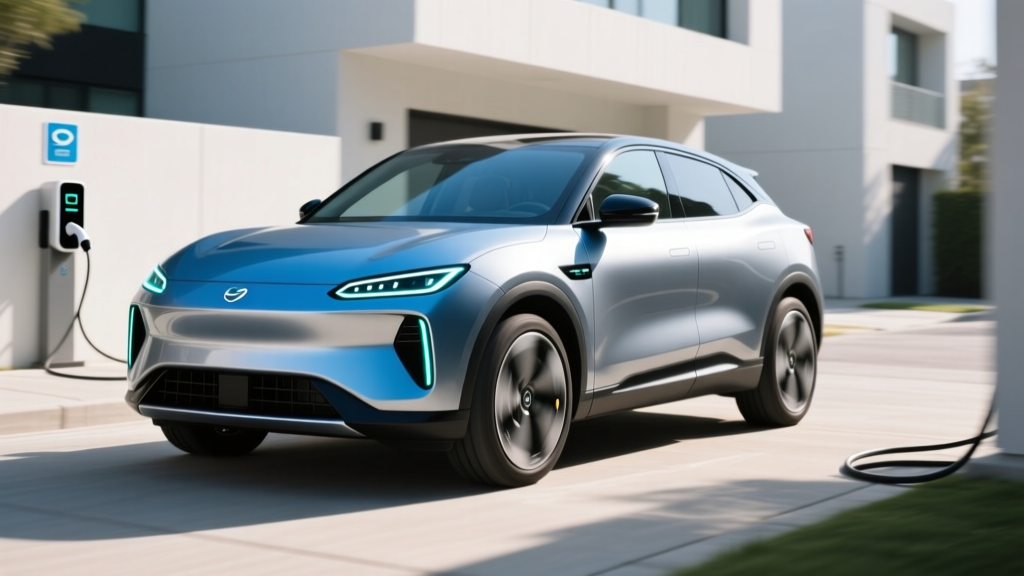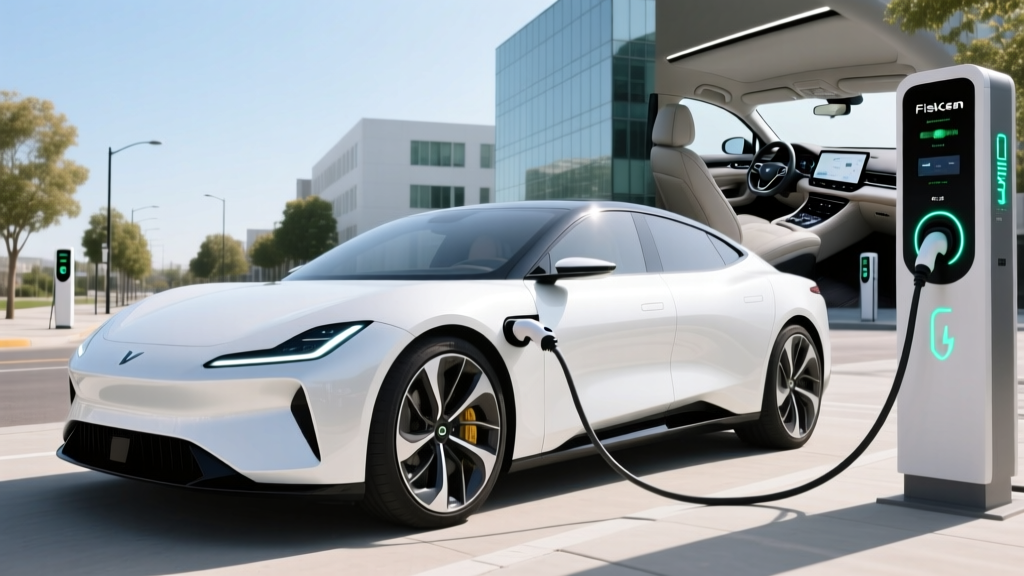
The White Fisker Ocean at a Glance
If you've been searching for a white Fisker Ocean on the used EV market or evaluating leftover new inventory, you're looking at one of the most spec-heavy electric SUVs to hit the road in recent years. Fisker Inc. designed the Ocean as a direct challenger to the Tesla Model Y and Ford Mustang Mach-E, packing a massive battery, solar roof, and striking design into a midsize crossover footprint. The pearl white and storm white colorways remain the most popular among buyers, offering a clean aesthetic that highlights the Ocean's sculpted bodywork and available 22-inch F-Pulse wheels.
But specs on paper only tell part of the story. After extensive driving, charging, and ownership analysis, here's what real buyers need to know about the Fisker Ocean's range, charging behavior, daily usability, and long-term value — especially given the company's financial restructuring and what that means for parts, service, and software support going forward.
EPA Estimated Range: 360 miles (Extreme trim, 113 kWh usable battery)
Real-World Expectation: Expect 290–320 miles on mixed highway driving at 70+ mph. In cold weather (below 32°F), range drops to approximately 240–270 miles due to battery heating demands and reduced regenerative braking efficiency. City driving with regen can push closer to the 340–360 mile EPA figure.
Range, Battery, and Efficiency Breakdown
The Fisker Ocean Extreme and Ultra trims use a 113 kWh (usable) nickel-manganese-cobalt (NMC) lithium-ion battery pack supplied by CATL. This is one of the largest battery packs in any mainstream electric SUV, and it's the primary reason the Ocean achieves its class-leading EPA range. The base Sport trim uses a smaller battery with an EPA rating of approximately 250 miles, though that variant saw limited production.
| Specification | Fisker Ocean Extreme | Fisker Ocean Ultra | Fisker Ocean Sport (Base) |
|---|---|---|---|
| EPA Range | 360 miles | 340 miles | 250 miles |
| Battery Capacity (Usable) | 113 kWh | 113 kWh | ~80 kWh |
| Battery Chemistry | NMC | NMC | NMC |
| EPA Efficiency | 98 MPGe (34 kWh/100mi) | 100 MPGe (33 kWh/100mi) | ~110 MPGe |
| Drivetrain | Dual-Motor AWD | Dual-Motor AWD | Single-Motor FWD |
| Horsepower | 564 hp | 564 hp | 275 hp |
| 0–60 mph | 3.7 seconds | 3.9 seconds | 6.9 seconds |
Efficiency is respectable for a vehicle of this size and battery capacity. The Ocean Extreme returns roughly 34 kWh per 100 miles in combined driving, which translates to about 98 MPGe. That's slightly behind the Tesla Model Y Long Range (~30 kWh/100mi) but competitive with the Ford Mustang Mach-E Extended Range AWD. The Ocean's weight — approximately 5,200 pounds — is the main efficiency penalty, though the aerodynamic design helps offset it at highway speeds.
One notable feature is the SolarSky roof on Extreme trims, which Fisker claimed could add up to 1,500 miles of range per year under ideal conditions. In practice, real-world solar gain is closer to 3–5 miles per day of parked outdoor charging — helpful for offsetting vampire drain but not a meaningful range extender for daily driving.
Charging Speed: DC Fast Charge and Home Level 2
Charging performance is where the Fisker Ocean delivers solid but not class-leading results. The Ocean supports a peak DC fast-charge rate of 250 kW via its CCS1 connector (NACS adapter availability has been limited following Fisker's restructuring). On a capable 350 kW charger, the Ocean can add approximately 180 miles of range in 15 minutes under optimal conditions.
| Charging Level | Power / Rate | Time or Miles Added | Connector |
|---|---|---|---|
| Level 1 (120V) | ~1.4 kW | ~4 miles per hour | J1772 |
| Level 2 (240V, 48A) | 11.5 kW | ~33 miles per hour / 10–100% in ~10 hrs | J1772 |
| DC Fast Charge (Peak) | 250 kW | 10–80% in ~30 minutes | CCS1 |
| DC Fast Charge (Sustained Avg) | ~150 kW | ~180 miles in 15 min | CCS1 |
The 10–80% DC fast-charge time of approximately 30 minutes is competitive but trails the Hyundai Ioniq 5 and Kia EV6, which manage the same session in roughly 18 minutes thanks to their 800V architectures. The Ocean runs on a 400V platform, which limits peak charge speed relative to battery size. The charge curve holds above 150 kW through about 50% state of charge before tapering — typical for a large NMC pack on a 400V system.
For home charging, the Ocean's 11.5 kW onboard charger is a strong point. A full Level 2 charge from 10% to 100% takes roughly 10 hours, making overnight charging practical for even a nearly depleted battery. Most owners will install a 48-amp Level 2 wall connector on a 60-amp circuit, which delivers the full 11.5 kW rate. Budget approximately $800–$2,000 for professional Level 2 installation depending on your electrical panel's proximity to the garage and whether a panel upgrade is needed.
Performance, Ride, and Daily Drivability
The Fisker Ocean Extreme's 564 horsepower and 3.7-second 0–60 mph time place it firmly in performance SUV territory, trading blows with the Tesla Model Y Performance (3.5 seconds) and well ahead of the Ford Mustang Mach-E GT (3.5 seconds but lower range). Dual-motor all-wheel drive provides confident traction in rain and light snow, and the torque delivery is immediate and linear, as expected from an EV.
Ride quality is a highlight. The Ocean's suspension tuning leans toward comfort rather than sportiness, absorbing road imperfections better than the firmer Model Y. The steering is light and precise, though it lacks the communicative feel of some European competitors. The cabin is remarkably quiet at highway speeds, with minimal wind and road noise intrusion.
Cargo and passenger space is generous for the segment:
- Cargo volume (rear seats up): 32.5 cubic feet
- Cargo volume (rear seats folded): 65.3 cubic feet
- Front legroom: 41.7 inches
- Rear legroom: 38.2 inches
- Frunk (front trunk): Not available — the Ocean does not include a front storage compartment
The lack of a frunk is a notable omission in this class. The Model Y and Mach-E both offer front trunk space, and for buyers who use it for charging cables or groceries, the Ocean's absence is felt. However, the rear cargo area is wide and flat, and the California Mode (which rolls down all four windows and opens the rear hatch simultaneously) is a genuinely unique feature for open-air driving without a convertible top.
Technology, Driver Assists, and the Fisker App
The Ocean's interior is dominated by a 17.1-inch rotating central touchscreen that switches between a portrait "Control Mode" and a landscape "Hollywood Mode" for media streaming while parked. The interface is visually impressive but has drawn criticism for inconsistent responsiveness and a learning curve for climate and vehicle settings buried in submenus. A 10.2-inch digital instrument cluster behind the steering wheel handles speed, range, and navigation information.
Fisker Intelligent Pilot is the brand's Level 2 driver-assistance suite, including adaptive cruise control, lane centering, automatic emergency braking, and blind-spot monitoring. It performs adequately for highway cruising but does not match the sophistication of Tesla's Autopilot, Ford's BlueCruise, or GM's Super Cruise. There is no hands-free driving capability, and lane centering can hunt on faded lane markings. Per NHTSA's guidance on driver-assist systems, the driver must remain fully engaged at all times.
The Fisker mobile app allows remote climate preconditioning, charge monitoring, and vehicle location. However, following Fisker's financial difficulties, app connectivity and over-the-air update reliability have become concerns for current owners. Some features that were promised via OTA — including enhanced navigation and additional drive modes — were never delivered.
Pricing, Tax Credits, and Total Ownership Cost
The Fisker Ocean launched with aggressive pricing, though real-world transaction prices and current market values have shifted significantly following the company's 2024 bankruptcy filing and subsequent asset sale. Here's a breakdown of original MSRP and current market context:
| Trim | Original MSRP | Current Used Market (2026 Est.) | Federal Tax Credit (Used EV, §25E) |
|---|---|---|---|
| Ocean Sport | $37,499 | $18,000–$22,000 | Up to $4,000 (30% of sale price) |
| Ocean Ultra | $52,999 | $25,000–$32,000 | Up to $4,000 |
| Ocean Extreme | $68,999 | $32,000–$40,000 | Up to $4,000 |
| Ocean One (Launch Ed.) | $68,999 | $33,000–$42,000 | Up to $4,000 |
Tax credit note: New Fisker Oceans are no longer in production, so the §30D new-vehicle credit no longer applies. However, buyers purchasing from a dealer may qualify for the IRS §25E used clean vehicle credit — up to $4,000 or 30% of the sale price (whichever is lower). Eligibility requires: buyer income below $75,000 (single) / $150,000 (joint), purchase from a licensed dealer, vehicle sale price at or below $25,000, and the vehicle must be at least two model years old. Always confirm eligibility with a tax professional, as rules are subject to change.
Insurance costs for the Ocean tend to run 15–25% higher than comparable gas SUVs, reflecting repair-cost uncertainty and limited parts availability post-bankruptcy. Annual insurance premiums average $2,200–$3,000 depending on your state, driving record, and coverage level.
Warranty, Service, and Long-Term Ownership Risks
Fisker originally offered a competitive warranty package, but the company's bankruptcy raises serious questions about long-term support:
- Basic vehicle warranty: 6 years / 60,000 miles (original)
- Battery & powertrain warranty: 8 years / 100,000 miles (original, 70% capacity retention threshold)
- Corrosion warranty: 12 years / unlimited miles
The critical concern for any white Fisker Ocean buyer in 2026 is who honors these warranties following Fisker's asset sale. The acquiring entity's obligations regarding existing warranty claims remain a developing situation. Independent EV service shops are increasingly becoming the go-to for Ocean maintenance, but proprietary diagnostics and parts sourcing can be challenging.
The NMC battery pack should provide solid longevity under normal use. Based on industry data for similar CATL NMC packs, expect approximately 8–12% degradation over 100,000 miles, with the battery retaining roughly 85–90% of original capacity at the 8-year mark. To maximize battery health, avoid frequent DC fast charging above 90% state of charge and try to keep the pack between 20% and 80% for daily use. Preconditioning the battery before fast charging — a feature the Ocean supports — helps maintain charge speed and cell health.
Pros, Cons, and Who Should Buy the White Fisker Ocean
- Class-leading 360-mile EPA range (Extreme trim)
- Stunning design — white colorway is a standout
- Comfortable ride quality and quiet cabin
- Generous cargo space (65.3 cu ft max)
- Unique SolarSky roof and California Mode
- Strong used-market value with potential $4,000 tax credit
- 11.5 kW Level 2 home charging (fast overnight refill)
- No frunk (front trunk)
- CCS1 connector; NACS adapter availability limited
- Software bugs and app connectivity concerns
- Post-bankruptcy service and parts uncertainty
- 30-minute 10–80% DC charge time trails 800V rivals
- Driver-assist system less refined than competitors
- Insurance costs elevated due to parts scarcity
Best for: Value-oriented buyers who want maximum range in a stylish midsize SUV and are comfortable with the ownership risks of a post-bankruptcy brand. The white Fisker Ocean is ideal for commuters with home Level 2 charging who prioritize range and comfort over cutting-edge driver assists or the fastest road-trip charging. It's less suited for buyers who need guaranteed dealer service, frequent long-distance road trips through charging deserts, or the latest hands-free driving technology.
Frequently Asked Questions
What is the real-world range of the white Fisker Ocean?
The Fisker Ocean Extreme has an EPA-estimated 360 miles of range. In real-world mixed highway driving at 70 mph, expect approximately 290–320 miles. Cold weather (below freezing) reduces this to roughly 240–270 miles. City driving with regenerative braking can approach the EPA figure.
How fast does the Fisker Ocean charge at home and on DC fast chargers?
On a DC fast charger, the Ocean peaks at 250 kW and charges from 10–80% in approximately 30 minutes. At home on a Level 2 (240V, 48A) charger, it charges at 11.5 kW, adding about 33 miles per hour and fully recharging overnight in roughly 10 hours.
Does the Fisker Ocean qualify for any federal EV tax credit in 2026?
New Oceans are no longer in production, so the §30D new-vehicle credit does not apply. However, used Oceans purchased from a dealer for $25,000 or less may qualify for the §25E used clean vehicle credit of up to $4,000, subject to buyer income caps ($75K single / $150K joint). Verify with a tax professional.
Is the Fisker Ocean worth buying compared to the Tesla Model Y or Ford Mach-E?
The Ocean offers superior EPA range (360 vs. 310–330 miles) and a more comfortable ride than the Model Y, at a significantly lower used-market price. However, the Model Y wins on charging infrastructure (Supercharger network + NACS), software reliability, and long-term service support. The Mach-E is a strong middle ground. Choose the Ocean if range-per-dollar and design are your top priorities and you accept the service risk.
What are the biggest risks of buying a Fisker Ocean after the company's bankruptcy?
The primary concerns are warranty enforcement, parts availability (especially body panels and proprietary electronics), software update reliability, and resale value uncertainty. Independent EV shops are filling the service gap, but proprietary diagnostic access remains limited.
Does the white Fisker Ocean have a front trunk (frunk)?
No. The Fisker Ocean does not include a frunk. All front-end space is occupied by drivetrain components and the HVAC system. Rear cargo capacity is 32.5 cubic feet with seats up and 65.3 cubic feet with seats folded.