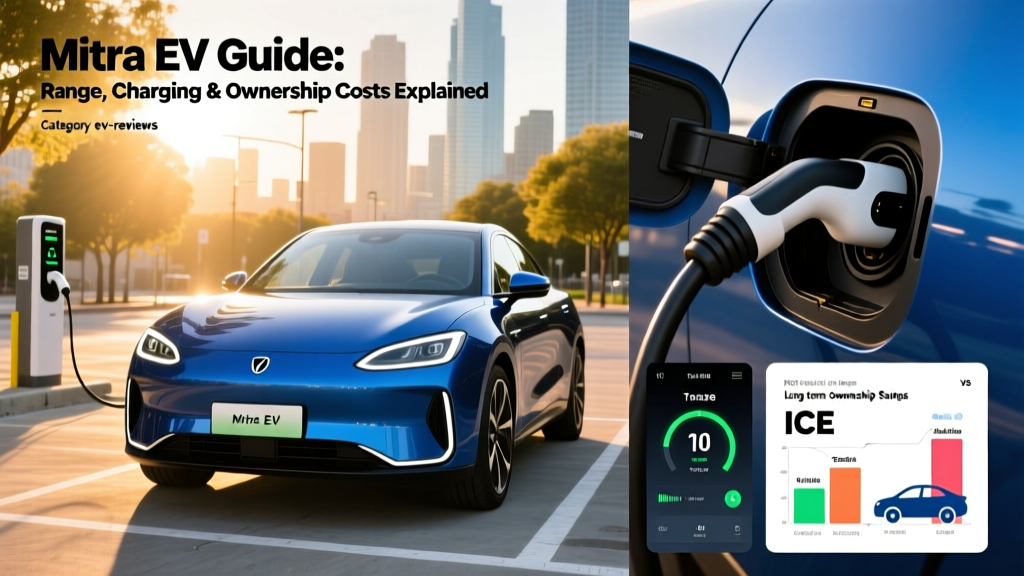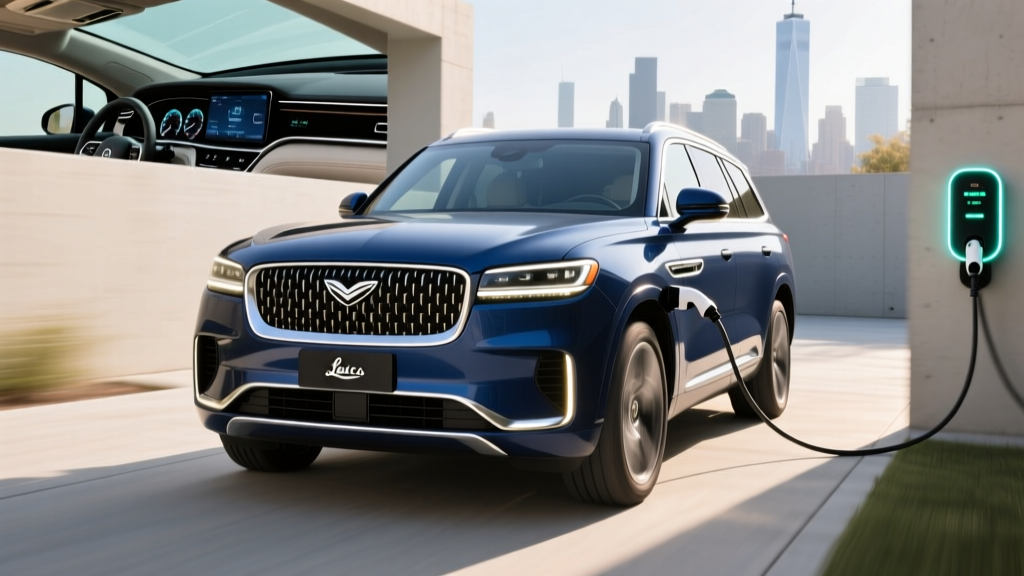
The 2025 Jeep Wagoneer S is the first battery-electric vehicle to wear the Wagoneer badge, and it arrives with a clear mission: deliver luxury-SUV comfort with sports-sedan acceleration. Built on Stellantis' STLA Large platform, this dual-motor, all-wheel-drive electric SUV targets buyers cross-shopping the BMW iX, Tesla Model X, and Rivian R1S—but at a notably lower starting price. We've compiled every spec that matters, from its headline-grabbing 3.4-second 0-60 mph run to the real-world charging and range data that determine daily livability.
Wagoneer S Performance: 0-60, Horsepower, and Drivetrain
The Wagoneer S Launch Edition pairs two permanent-magnet electric motors—one front, one rear—for standard all-wheel drive. Combined output is 600 horsepower and 617 lb-ft of torque, available instantly from zero RPM. Jeep's official 0-60 mph time is 3.4 seconds, making this the quickest production Jeep ever built and competitive with the BMW iX M60 (3.6s) and well ahead of the Rivian R1S Dual-Motor (4.5s).
The instant torque delivery means the Wagoneer S feels even quicker than its numbers suggest in real-world roll-on passing (45-70 mph). The AWD system can fully disconnect the front motor during light-load cruising to reduce parasitic drag and extend range—a feature Stellantis calls "front-axle disconnect."
| Spec | Value |
|---|---|
| Drivetrain | Dual-motor AWD |
| Horsepower | 600 hp |
| Torque | 617 lb-ft |
| 0-60 mph | 3.4 seconds |
| Top Speed | 124 mph (electronically limited) |
| Towing Capacity | Not yet rated (estimated ~3,500 lbs) |
Battery, Range, and Efficiency
The Wagoneer S uses a 100 kWh lithium-ion battery pack with NMC (nickel-manganese-cobalt) chemistry. This chemistry prioritizes energy density—critical for packaging 300+ miles of range into a midsize SUV footprint—over the longer cycle life associated with LFP cells. Jeep has not published a specific degradation curve, but NMC packs in this class typically retain 85-90% capacity after 100,000 miles based on industry data.
EPA Estimated Range: 300 miles (Launch Edition)
Real-World Highway (70-75 mph): Expect approximately 245-265 miles. Aerodynamic drag hits luxury SUVs hard at sustained highway speeds.
Cold Weather (below 32°F): Plan for 210-240 miles. NMC chemistry loses 15-25% capacity in freezing temperatures, partially mitigated by the standard heat pump.
Mixed Commute (city + suburban): 280-300 miles is achievable thanks to regenerative braking recapturing energy in stop-and-go driving.
The EPA rates the Wagoneer S at approximately 88 MPGe combined, or roughly 38 kWh per 100 miles. That efficiency figure is competitive with the BMW iX xDrive50 (86 MPGe) but trails the more aerodynamically optimized Tesla Model X (100 MPGe). The boxy Wagoneer styling exacts a small efficiency tax at highway speeds.
Charging Speed: DC Fast Charge and Home Level 2
Charging speed is where the Wagoneer S shows its STLA Large platform strengths. The SUV supports up to 170 kW peak DC fast charging via its CCS1 connector (a NACS adapter is expected for future model years as Stellantis transitions to the Tesla connector standard). Peak rate is not sustained—the charge curve tapers progressively above 60% state of charge to protect battery health.
| Charging Level | Power / Rate | Time / Miles Added |
|---|---|---|
| Level 1 (120V household) | ~1.4 kW | ~3-4 miles per hour |
| Level 2 (240V, 48A home charger) | 11.5 kW | ~26 miles per hour; full charge in ~9 hours |
| DC Fast Charge (peak) | 170 kW | 10-80% in approximately 23 minutes |
| DC Fast Charge (sustained avg 10-80%) | ~120 kW avg | Adds ~180 miles in 23 min |
A 23-minute 10-80% session is adequate for road-trip stops but trails the Hyundai Ioniq 5 (18 minutes at 240 kW) and the Porsche Macan Electric (21 minutes at 270 kW). For daily use, most owners will rely on Level 2 home charging, where the 11.5 kW onboard charger replenishes the full 100 kWh battery overnight in roughly 9 hours—well-suited to a standard NEMA 14-50 outlet or hardwired wall connector.
Pricing, Trims, and Federal Tax Credit Eligibility
The 2025 Wagoneer S launches exclusively in Launch Edition trim, with additional trims (including a more affordable base model) expected for the 2026 model year.
| Trim | Base MSRP | Destination | Total Before Incentives |
|---|---|---|---|
| Launch Edition | $65,200 | $2,095 | $67,295 |
| Base (expected 2026 MY) | ~$55,000 (est.) | $2,095 | ~$57,095 |
- MSRP Cap: SUVs must be under $80,000 MSRP. The Wagoneer S Launch Edition at $65,200 qualifies.
- Income Cap: Modified AGI must not exceed $150,000 (single), $225,000 (head of household), or $300,000 (joint filers).
- Battery Sourcing: Critical minerals and battery components must meet escalating domestic-content thresholds. Stellantis has not confirmed full compliance for the Wagoneer S—check the fueleconomy.gov credit lookup before purchasing.
- Point-of-Sale Transfer: Eligible buyers can transfer the credit to the dealer for an immediate price reduction at purchase (up to $7,500).
Always verify current eligibility on IRS.gov and consult a tax professional. Rules and sourcing requirements change annually.
If the full $7,500 credit applies, the effective Launch Edition price drops to approximately $59,795—a compelling number against the $87,000+ BMW iX xDrive50 and $79,990 Tesla Model X.
Interior, Cargo, and Technology
The Wagoneer S cabin is a significant step up from prior Jeep interiors. The dashboard is dominated by a combined 45 inches of screen real estate across three displays: a 12.3-inch digital instrument cluster, a 12.3-inch passenger display, and a 12.3-inch central infotainment touchscreen running Uconnect 5. A dedicated 10.25-inch climate-control touchscreen sits below.
Standard features on the Launch Edition include:
- Heated and ventilated front seats with 16-way power adjustment
- Heated steering wheel and heated rear seats
- McIntosh 19-speaker premium audio system
- Wireless Apple CarPlay and Android Auto
- Head-up display with augmented-reality navigation
- Panoramic glass roof with fixed tinted panel
- Hands-free power liftgate
| Measurement | Value |
|---|---|
| Seating Capacity | 5 passengers (2 rows) |
| Front Legroom | 41.0 inches |
| Rear Legroom | 38.5 inches |
| Cargo (behind 2nd row) | 30.4 cu ft |
| Cargo (2nd row folded) | 61.0 cu ft |
| Front Trunk (frunk) | Not available (STLA Large packaging) |
The absence of a frunk is notable—the STLA Large platform's underhood space is occupied by the front drive unit and power electronics. Cargo volume is adequate for a two-row midsize SUV but trails the three-row Rivian R1S (104.7 cu ft max) and the Tesla Model X (88 cu ft max with seats folded).
Driver Assistance (SAE Level 2)
The Wagoneer S includes Jeep's Active Driving Assist, which provides adaptive cruise control with stop-and-go, lane centering, and highway speed management. The driver must keep hands on the wheel and remain fully attentive at all times. This is not an autonomous system. A hands-free highway driving feature (similar to GM's Super Cruise) is expected on future trims but is not available at launch.
Additional standard safety tech includes automatic emergency braking with pedestrian detection, blind-spot monitoring with rear cross-traffic alert, lane departure warning with lane keep assist, and a 360-degree surround-view camera.
Warranty Coverage
Stellantis backs the Wagoneer S with its standard EV warranty package:
- Battery & Drive Components: 8 years / 100,000 miles (covers capacity loss below 70% State of Health)
- Bumper-to-Bumper: 3 years / 36,000 miles
- Powertrain (non-battery): 5 years / 60,000 miles
- Roadside Assistance: 5 years / 60,000 miles
The 8-year/100,000-mile battery warranty is federally mandated for EVs and matches the coverage offered by BMW, Ford, and Hyundai. The 70% SoH threshold is industry-standard—if your battery degrades below 70% of original capacity within the warranty period, Stellantis will repair or replace it.
Pros and Cons
- 3.4-second 0-60 mph is supercar-quick for a family SUV
- 600 hp and 617 lb-ft standard on every Launch Edition
- 300-mile EPA range covers most daily and road-trip needs
- Sub-$68K price undercuts European rivals by $15-25K
- Premium McIntosh audio and 45-inch screen array standard
- Heat pump standard for cold-weather efficiency
- No frunk — cargo space limited to rear hatch area
- 170 kW peak DC charging trails Hyundai/Porsche/Kia rivals
- Two-row seating only; no three-row option for larger families
- CCS1 connector (NACS adapter not yet available)
- Federal tax credit eligibility uncertain due to battery sourcing rules
- Only one trim (Launch Edition) available at launch — no budget option
Who Should Buy the Wagoneer S?
Look Elsewhere If: You need three rows of seating (consider the Rivian R1S or Kia EV9), you prioritize the fastest possible charging (Hyundai Ioniq 5 or Kia EV6), or you require hands-free highway driving today (GM Super Cruise or Ford BlueCruise vehicles).
Frequently Asked Questions
What is the real-world range of the Wagoneer S?
The EPA rates it at 300 miles. In real-world highway driving at 70-75 mph, expect 245-265 miles. In freezing weather, plan for 210-240 miles. City driving with regenerative braking can return close to the EPA sticker figure.
How fast does the Wagoneer S charge?
On a DC fast charger, it peaks at 170 kW and charges from 10-80% in approximately 23 minutes. At home on a Level 2 (240V, 48A) charger, the 11.5 kW onboard charger adds about 26 miles per hour, fully replenishing the battery overnight in roughly 9 hours.
Does the Wagoneer S qualify for the $7,500 federal EV tax credit?
The MSRP of $65,200 is under the $80,000 SUV cap, and most buyers will fall within income limits. However, the battery must meet critical-mineral and component-sourcing thresholds under IRS §30D rules. Stellantis has not publicly confirmed full compliance. Verify on fueleconomy.gov before purchasing and consult a tax professional.
Is the Wagoneer S worth buying vs. the BMW iX or Tesla Model X?
If acceleration-per-dollar is your priority, yes. The Wagoneer S matches or beats both on 0-60 time at $20,000-$30,000 less. However, the Model X offers a third row and Supercharger access, and the iX provides a more established luxury dealer network and hands-free driving capability. Your decision should weigh price savings against charging network preference and seating needs.
Will there be a cheaper Wagoneer S trim?
Stellantis has confirmed that a lower-priced base trim is planned, likely for the 2026 model year, with an estimated starting price around $55,000. This would make it one of the most affordable 600-hp electric SUVs on the market.
Can the Wagoneer S tow?
Official towing capacity has not been published as of this writing. Based on the platform's engineering and competitor benchmarks, we estimate approximately 3,500 pounds—adequate for a small utility trailer or a pair of jet skis, but not for a large boat or camper. Confirm with your dealer before specifying a tow package.