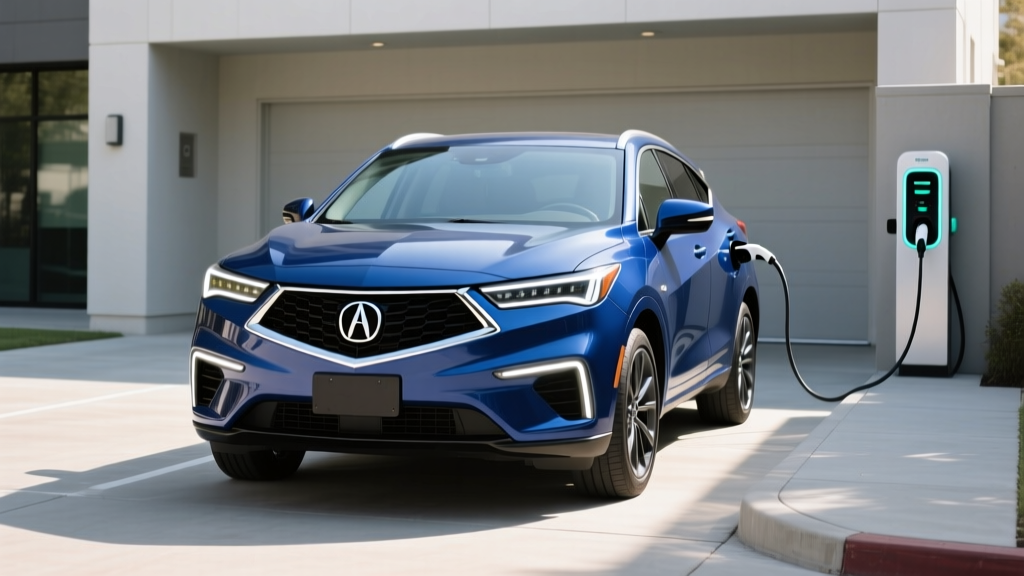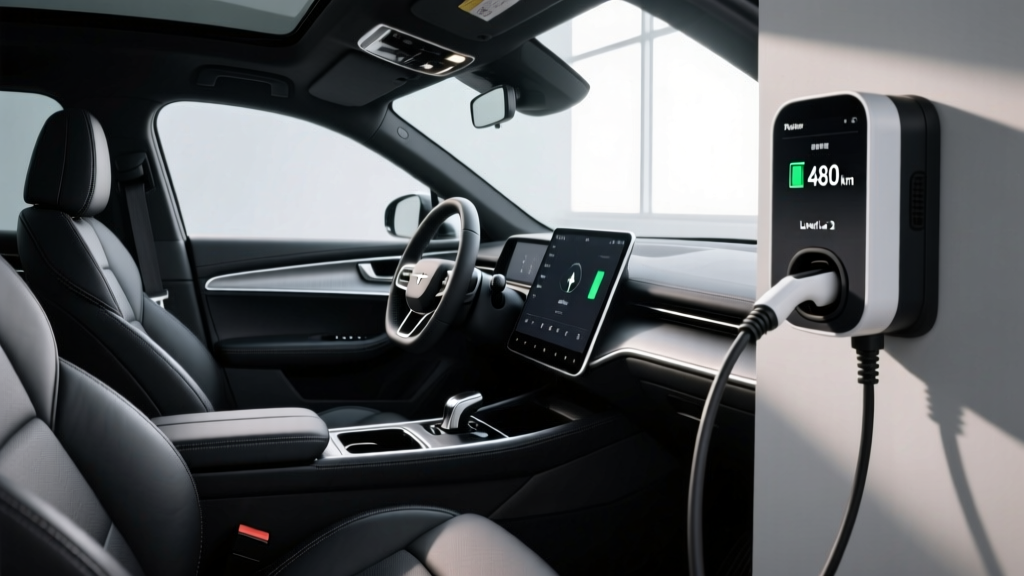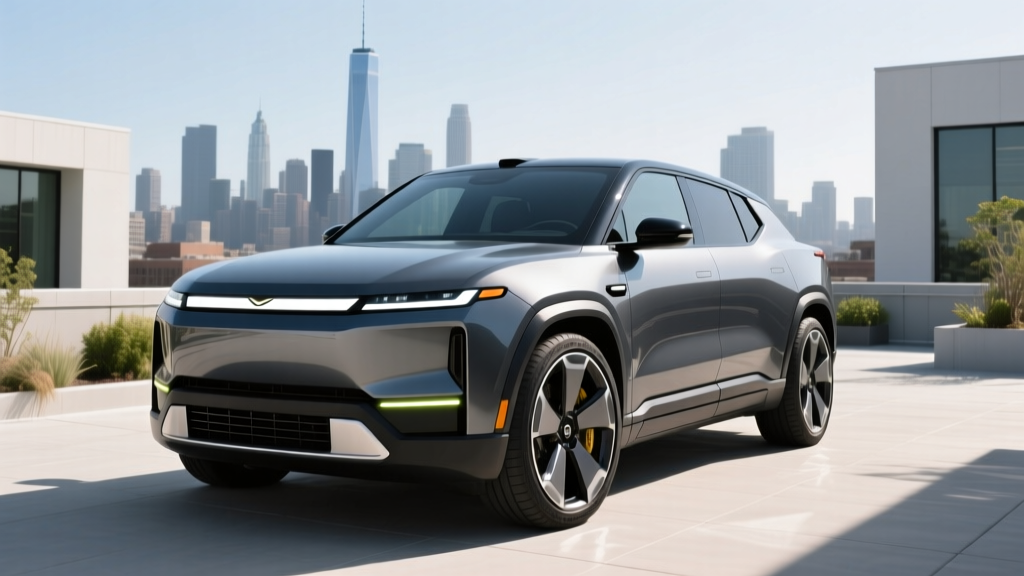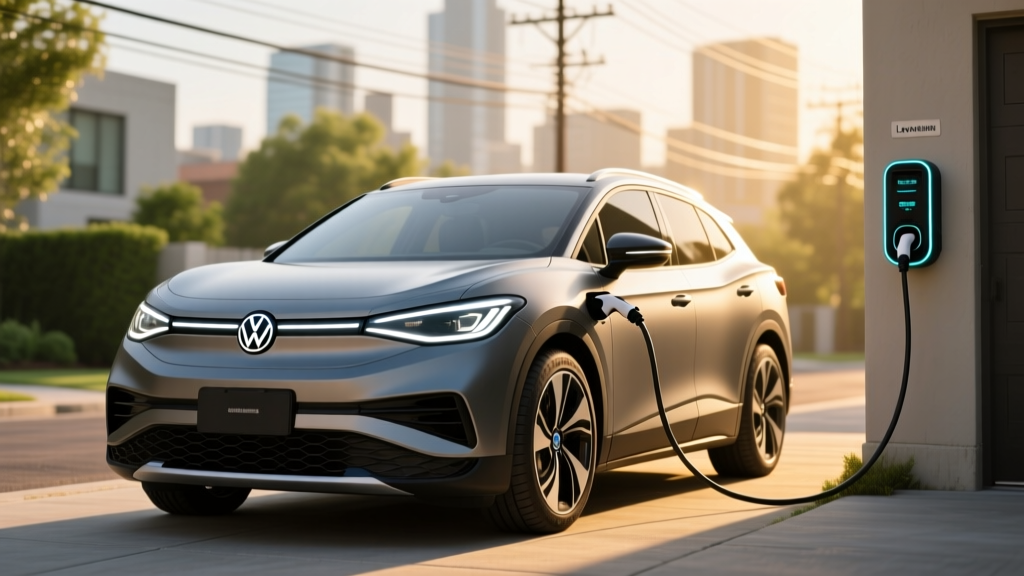
The compact electric crossover segment has no shortage of contenders, but Volkswagen is betting the 2026 VW ID Cross can carve out a distinct niche. Positioned between the ID.4 and the ID.3 hatchback in VW's electric lineup, the ID Cross aims to deliver crossover ride height and practicality in a footprint closer to a subcompact SUV. After examining its EPA figures, battery specs, and pricing, here's what prospective buyers need to know before putting down a deposit.
What the 2026 VW ID Cross Is — and Isn't
The VW ID Cross is a battery-electric compact crossover built on Volkswagen's MEB+ platform. It slots below the larger ID.4 in the lineup, targeting urban and suburban buyers who want elevated seating and cargo flexibility without the footprint (or price) of a midsize electric SUV. VW has confirmed two trims for the US market: the single-motor Standard and the dual-motor AWD Pro. Production began in late 2025, with US deliveries expected in the first half of 2026. Pricing and specifications below reflect VW's announced figures and EPA estimates; final window stickers may vary slightly by dealer.
| Spec | Standard (RWD) | AWD Pro (Dual-Motor) |
|---|---|---|
| EPA Range | 280 miles | 255 miles |
| Battery (Usable) | 77 kWh | 77 kWh |
| Battery Chemistry | NMC 811 | NMC 811 |
| Drivetrain | Rear-Wheel Drive | Dual-Motor AWD |
| Horsepower | 225 hp | 295 hp |
| 0-60 mph | 7.2 sec (est.) | 5.8 sec (est.) |
| MPGe (Combined) | 110 MPGe | 101 MPGe |
| Efficiency | 30 kWh/100 mi | 33 kWh/100 mi |
| Max DC Fast Charge | 175 kW | 175 kW |
| 10-80% DC Time | ~28 min | ~28 min |
| Level 2 Home Charge | 11 kW (~36 mi/hr) | 11 kW (~36 mi/hr) |
| Cargo (Behind Rear) | 21.5 cu ft | 21.5 cu ft |
| Cargo (Seats Folded) | 54.0 cu ft | 54.0 cu ft |
| Base MSRP | $36,990 | $42,490 |
| Battery Warranty | 8 yr / 100,000 mi | 8 yr / 100,000 mi |
EPA Range vs. Real-World Expectations
Real-World Expectation: Plan for ~240–260 miles on mixed highway driving in moderate temperatures. Sustained 75+ mph highway speeds can drop range to ~220 miles. In freezing weather (below 30°F), expect a 20–30% reduction — putting usable range closer to 190–225 miles for the RWD model.
The 77 kWh usable NMC battery gives the ID Cross competitive energy density for its class, but EPA range figures assume a blend of city and highway driving at moderate temperatures. In our experience with MEB-platform vehicles, highway-heavy trips at 70–80 mph consume noticeably more energy than the combined cycle suggests. The AWD Pro's additional mass and front-motor drag reduce range by roughly 25 miles on the EPA cycle — and that gap widens slightly in real-world mountain or cold-weather driving.
One advantage of the MEB+ platform is improved thermal management over the earlier ID.4. VW has integrated a more aggressive battery preconditioning system, which helps maintain range consistency in temperature extremes — though preconditioning does draw from the pack if you're not plugged in.
Charging Speed: DC Fast, Level 2, and the Curve Reality
| Charging Level | Power / Rate | Miles Added per Hour | Notes |
|---|---|---|---|
| Level 1 (120V) | ~1.4 kW | ~4 mi/hr | Emergency/trickle only |
| Level 2 (240V, 48A) | 11 kW | ~36 mi/hr | Full overnight charge in ~7.5 hr |
| DC Fast (Peak) | 175 kW | ~200 mi in 30 min (ideal) | Peak rate to ~55% SoC |
| DC Fast (10-80%) | ~130 kW avg | — | ~28 minutes typical |
| DC Fast (80-100%) | ~40 kW taper | — | Add 25+ min; avoid unless needed |
The ID Cross peaks at 175 kW on DC fast chargers — competitive with the Hyundai Ioniq 5 and Kia EV6, though below the 250+ kW leaders like the Tesla Model Y and Porsche Macan Electric. The critical number for road trippers is the 10-80% time: approximately 28 minutes at a 350 kW-capable station. That's a reasonable stop for a rest break and snack, but not class-leading.
Understand the charge curve: the 175 kW peak holds roughly from 10% to 55% State of Charge, then tapers progressively. By 80%, you're down to around 50–60 kW. Charging from 80% to 100% on DC is painfully slow — plan to charge to 80% and go unless you specifically need the full pack for a long leg.
At home on a Level 2 charger (11 kW / 48 amps), the ID Cross adds about 36 miles of range per hour. A full 0–100% charge takes roughly 7.5 hours — easily accomplished overnight. VW includes a mobile charge cord with the vehicle, but most buyers will want a dedicated wall unit. Budget $500–$1,500 for a quality Level 2 home charger and professional installation (more if your electrical panel needs an upgrade to 200A service).
Performance, Drivetrain, and Ride Character
The Standard RWD trim sends 225 horsepower to the rear wheels via a single permanent-magnet motor. The 0-60 mph sprint takes an estimated 7.2 seconds — adequate for merging and passing, though it won't pin you to the seat. The AWD Pro adds a front induction motor for a combined 295 hp and a 5.8-second 0-60 time, with the traction benefits of all-wheel drive in rain and snow.
MEB+ platform vehicles benefit from a lower center of gravity and revised suspension tuning compared to early MEB cars. Expect composed ride quality with moderate body roll in corners — this is a comfort-oriented crossover, not a sport hatchback. Regenerative braking offers multiple levels selectable via steering-wheel paddles, though VW still doesn't offer true one-pedal driving with a complete stop in the ID Cross — you'll need to use the brake pedal for the final few mph.
Interior Space, Cargo, and Technology
Despite its compact footprint, the ID Cross delivers practical interior volume. Rear legroom measures 37.8 inches — enough for two adults on longer trips without complaint. Cargo space behind the rear seats is 21.5 cubic feet, expanding to 54.0 cubic feet with the 60/40 split rear seats folded. There is no front trunk (frunk); VW uses that space for power electronics and HVAC components.
The infotainment system runs VW's latest ID.Software 4.0 on a 12.9-inch center touchscreen, a meaningful upgrade over the laggy, frustrating ID.Software 1.x that plagued early ID.4 models. Response times are quick, the interface is logical, and wireless Apple CarPlay and Android Auto are standard. A 10.25-inch digital instrument cluster sits behind the steering wheel, and an augmented-reality head-up display is available on the AWD Pro trim.
Driver assistance comes via VW's IQ.DRIVE suite, which includes adaptive cruise control with stop-and-go, lane-centering assist, blind-spot monitoring, and rear cross-traffic alert. This is an SAE Level 2 system — it assists with steering and speed, but the driver must remain fully engaged and hands on (or near) the wheel at all times. It is not autonomous driving.
Pricing, Trims, and Federal Tax Credit Eligibility
| Trim | Base MSRP | Est. §30D Credit | Effective Price (Before State Incentives) |
|---|---|---|---|
| Standard RWD | $36,990 | Up to $7,500* | ~$29,490* |
| AWD Pro | $42,490 | Up to $7,500* | ~$34,990* |
*Federal tax credit eligibility under IRS §30D depends on buyer income limits ($150K single / $300K joint MAGI), vehicle MSRP caps ($80K for SUVs), battery critical-mineral sourcing, and final assembly in North America. Credit may be transferred to the dealer as a point-of-sale rebate. Confirm eligibility with your tax professional before purchase.
Both ID Cross trims fall under the $80,000 MSRP cap for SUVs/trucks under §30D rules. The Standard trim at $36,990 is particularly well-positioned for the full credit, assuming VW meets the critical-mineral and battery-component sourcing thresholds that phase in through 2026. The AWD Pro at $42,490 also qualifies on MSRP grounds. However, battery sourcing requirements tighten each year — buyers should verify current-year compliance on the fueleconomy.gov tax credit lookup tool before committing.
As-tested pricing will climb with options. The AWD Pro with the available AR head-up display, panoramic roof, and premium audio package is expected to land around $47,000–$49,000 before incentives. Factor in destination charges ($1,195 est.) and dealer fees when budgeting.
Warranty and Long-Term Battery Outlook
VW covers the ID Cross battery and electric powertrain for 8 years or 100,000 miles — whichever comes first. The battery warranty guarantees that the pack will retain at least 70% of its original capacity during that period. If degradation drops below that threshold, VW will repair or replace the battery at no cost.
The NMC 811 chemistry used in the ID Cross offers higher energy density than LFP (lithium iron phosphate) alternatives, but LFP typically shows slower long-term degradation and tolerates repeated 100% charges better. For the ID Cross, VW recommends daily charging to 80% for routine use and reserving 100% charges for long trips — a practice that extends NMC battery lifespan. Based on data from earlier MEB vehicles, expect roughly 8–12% degradation over the first 100,000 miles under normal use patterns, though individual results vary with climate, charging habits, and DC fast-charge frequency.
The bumper-to-bumper limited warranty covers 4 years / 50,000 miles. VW also includes 3 years of complimentary scheduled maintenance and 3 years of roadside assistance.
How the ID Cross Stacks Up Against Key Competitors
The compact electric crossover segment is crowded. Here's how the ID Cross compares to three benchmark rivals on the metrics that matter most:
| Metric | VW ID Cross (Std) | Hyundai Ioniq 5 (Std Range) | Kia EV6 (Light RWD) | Tesla Model Y (RWD) |
|---|---|---|---|---|
| EPA Range | 280 mi | 240 mi | 232 mi | 310 mi |
| Battery (kWh) | 77 | 58 | 58 | 60 |
| DC Fast Charge (Peak) | 175 kW | 150 kW | 150 kW | 250 kW |
| 10-80% DC Time | ~28 min | ~25 min | ~25 min | ~22 min |
| Base MSRP | $36,990 | $39,500 | $38,500 | $41,990 |
| Cargo (Rear Seats Up) | 21.5 cu ft | 27.2 cu ft | 24.4 cu ft | 30.2 cu ft |
The ID Cross offers more range than the base Ioniq 5 and EV6 trims at a lower entry price, thanks largely to its bigger 77 kWh pack. However, it gives up cargo space to all three rivals and charges slower than the Tesla Model Y. Buyers prioritizing maximum cargo volume or the fastest road-trip charging may prefer the Model Y or Ioniq 5. Those who value lower entry cost, comfortable ride quality, and strong EPA range in a smaller footprint will find the ID Cross compelling.
- Strong 280-mile EPA range for the segment at a sub-$37K entry price
- Significantly improved ID.Software 4.0 infotainment over earlier VW EVs
- Comfortable, composed ride quality; quiet cabin at highway speeds
- Competitive 8-yr/100,000-mi battery warranty with 70% retention guarantee
- Likely eligible for full $7,500 federal tax credit (verify sourcing rules)
- 175 kW peak DC charging trails class leaders (Tesla: 250 kW, Hyundai/Kia: 800V architecture)
- Cargo volume (21.5 cu ft) is modest vs. Ioniq 5 and Model Y
- No front trunk (frunk) for additional storage
- No true one-pedal driving — regen doesn't bring vehicle to full stop
- AWD Pro trim pushes past $42K before options
Who Should Buy the VW ID Cross?
The ID Cross is best suited for suburban commuters and small families who want crossover styling and elevated ride height in a compact, affordable electric package. If your daily driving stays under 80 miles round-trip and you can charge at home, the ID Cross will rarely require a mid-week charge. The 280-mile EPA range provides enough buffer for weekend trips of 200+ miles with minimal planning.
It's less ideal for buyers who regularly haul large cargo (the 21.5 cu ft trunk is tight for big-box store runs), frequently road-trip in extreme cold (NMC batteries lose more range in freezing temps than LFP), or need the fastest possible DC charging for cross-country travel. Those buyers should look at the Ioniq 5, EV6, or Model Y instead.
Frequently Asked Questions
What is the real-world range of the VW ID Cross?
The EPA rates the Standard RWD at 280 miles and the AWD Pro at 255 miles. In real-world mixed driving at moderate temperatures, expect 240–260 miles. Sustained highway speeds above 75 mph and freezing weather can reduce range to 190–220 miles. Always plan road trips with a 15–20% buffer below EPA estimates.
How fast does the VW ID Cross charge?
On DC fast chargers, the ID Cross peaks at 175 kW and charges from 10–80% in approximately 28 minutes. At home on a Level 2 charger (11 kW), it adds about 36 miles of range per hour, with a full charge taking roughly 7.5 hours. Level 1 (standard 120V outlet) adds only about 4 miles per hour and is suitable only for emergencies or very low-mileage drivers.
How much does the VW ID Cross cost after tax credits?
The Standard RWD starts at $36,990 MSRP. If you qualify for the full $7,500 federal tax credit under IRS §30D (income limits, MSRP caps, and battery sourcing rules apply), the effective price drops to approximately $29,490. The AWD Pro starts at $42,490 and could reach roughly $34,990 after the credit. State and utility incentives may reduce the price further. Always confirm current eligibility on irs.gov and with a tax professional.
Does the VW ID Cross qualify for the federal EV tax credit?
Both trims fall under the $80,000 MSRP cap for SUVs. Eligibility for the full $7,500 credit under §30D depends on: (1) your modified adjusted gross income not exceeding $150,000 (single) or $300,000 (joint), (2) the vehicle meeting critical-mineral and battery-component sourcing thresholds for the 2026 tax year, and (3) final assembly in North America. VW has indicated the ID Cross is assembled at its Chattanooga, TN plant, but battery sourcing compliance tightens annually. Check the fueleconomy.gov database for the latest eligibility status before purchasing.
Is the VW ID Cross worth buying vs. the Hyundai Ioniq 5 or Tesla Model Y?
If your priorities are low entry price, strong EPA range, and a comfortable ride, the ID Cross is a strong value — especially if you qualify for the full tax credit. If you need more cargo space, faster DC charging for frequent road trips, or access to the Tesla Supercharger network natively, the Model Y or Ioniq 5 may be better fits. Test-drive all three; the decision often comes down to which infotainment system and seating position you prefer.
What are the biggest drawbacks of the VW ID Cross?
The main compromises are modest cargo space (21.5 cu ft), no frunk, DC fast-charging speeds that lag behind 800V competitors, and the absence of true one-pedal driving. The AWD Pro's price also climbs quickly with options. Early VW EV software was a significant weakness, but ID.Software 4.0 largely addresses those complaints.