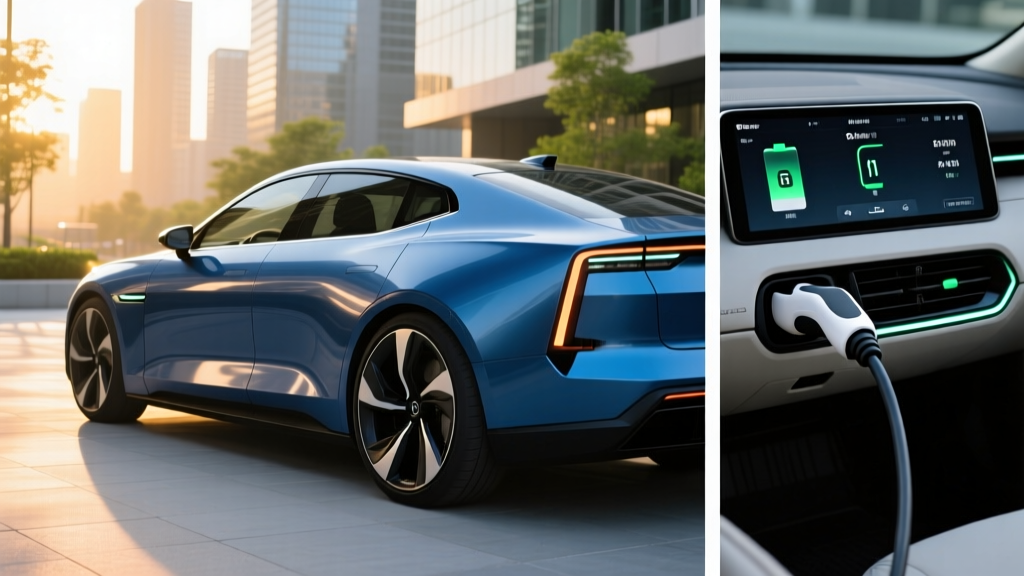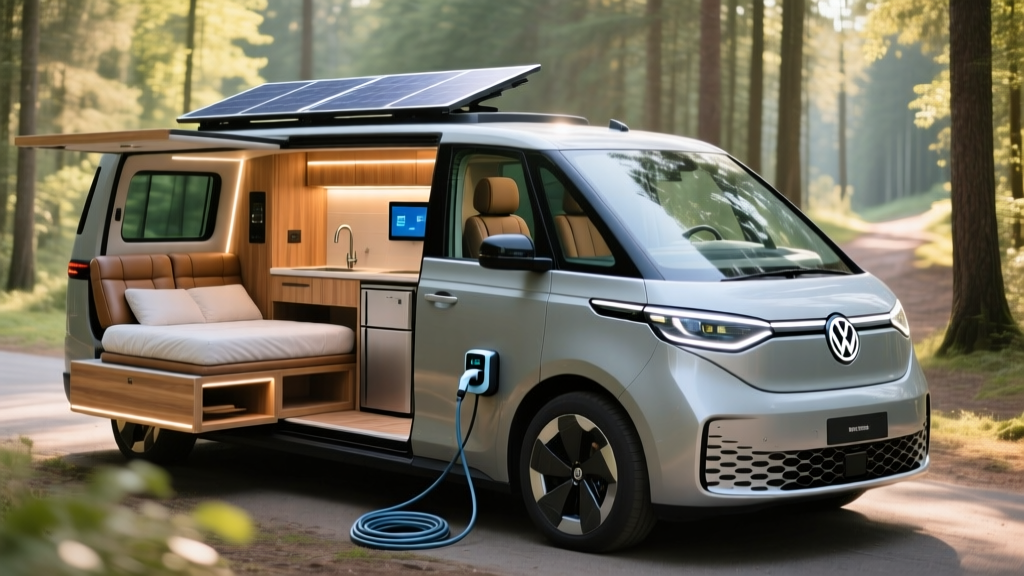
The 2026 Volkswagen ID. Buzz arrives in the U.S. as a retro-styled electric van that blends heritage design with modern EV practicality. While European buyers have had access to the standard-wheelbase version since 2022, the North American model is built on the long-wheelbase (LWB) platform at VW's Chattanooga, Tennessee plant, giving it extra cabin length that directly impacts interior flexibility, third-row usability, and the popular question of whether you can fit a bed inside. This review covers the ID. Buzz's real-world range, charging speeds, interior and bed configurations, pricing, tax credit status, and where it stands against competitors like the Chrysler Pacifica Hybrid and the Mercedes-Benz EQV.
EPA estimated range: 234 miles (RWD Pro S trim, 91 kWh usable battery).
Real-world note: Expect approximately 190–210 miles on sustained highway driving at 70+ mph. In cold weather (below 32°F), range can drop to 160–180 miles due to cabin heating demands and reduced battery chemistry efficiency. City driving with regenerative braking can push closer to or slightly above the EPA figure.
Battery, Powertrain, and Efficiency
The U.S.-spec 2026 ID. Buzz uses a 91 kWh usable lithium-ion battery pack (approximately 96 kWh gross capacity) with NMC (nickel-manganese-cobalt) chemistry. VW has not offered an LFP (lithium iron phosphate) option for this model, which means the pack delivers higher energy density suited to the van's size and weight, but it also requires more careful charging habits — VW recommends keeping state of charge between 20% and 80% for daily use to maximize longevity.
| Specification | RWD Pro S | AWD Pro S Plus |
|---|---|---|
| Battery (usable) | 91 kWh (NMC) | 91 kWh (NMC) |
| EPA Range | 234 miles | 220 miles |
| Horsepower | 282 hp | 330 hp |
| 0-60 mph | 7.4 seconds | 6.5 seconds |
| Drivetrain | Rear-Wheel Drive | Dual-Motor AWD |
| MPGe (combined) | 87 MPGe | 82 MPGe |
| Efficiency | 39 kWh/100mi | 41 kWh/100mi |
| Towing Capacity | 2,500 lbs | 2,500 lbs |
Efficiency for a vehicle of this size is reasonable. At 39 kWh per 100 miles (RWD), the ID. Buzz consumes more energy per mile than a sedan like the Hyundai Ioniq 6 but tracks closely with other three-row electric SUVs. The tall, boxy profile creates significant aerodynamic drag above 65 mph, which is the primary reason highway range falls short of the EPA sticker.
Charging Speed: DC Fast Charge and Home Level 2
Charging speed is often the make-or-break factor for EV buyers, and the ID. Buzz delivers competitive but not class-leading performance.
| Charging Level | Power | Speed / Time |
|---|---|---|
| Level 1 (120V household) | ~1.4 kW | ~3–4 miles per hour |
| Level 2 (240V home/public) | 11 kW (onboard charger) | ~28–30 miles per hour; 0–100% in ~9 hours |
| DC Fast Charge (CCS) | Peak 200 kW | 10–80% in approximately 26 minutes |
The 200 kW peak DC fast-charge rate is solid, but like most EVs, the ID. Buzz does not sustain peak power throughout the session. The charge curve tapers noticeably above 60% state of charge, and charging from 80–100% adds considerable time — typical for NMC packs managed conservatively. VW includes three years of complimentary charging on the Electrify America network (with a kWh cap), which helps offset early ownership costs.
For home charging, the 11 kW onboard charger means a full Level 2 installation on a 48-amp circuit will replenish the battery overnight. Budget approximately $800–$2,000 for a quality Level 2 home charger installation depending on your electrical panel's proximity to the garage and whether a panel upgrade is needed.
Interior Layout, Cargo Space, and Bed Options
This is where the ID. Buzz makes its strongest case. The long-wheelbase U.S. model stretches to 198.6 inches overall with a 119.3-inch wheelbase, yielding a cabin that VW has designed for maximum flexibility.
Seating configuration: The ID. Buzz seats up to seven across three rows (2-3-2 layout on most trims). Second-row seats slide fore and aft on rails, and both the second and third rows fold flat to create a continuous load floor.
Cargo volume:
- Behind third row: ~18.5 cu ft
- Behind second row (third row folded): ~42 cu ft
- Behind front seats (all rear rows folded): ~75.5 cu ft
Legroom: Front row offers 41.3 inches, second row provides 38.4 inches, and the third row delivers 33.5 inches — adequate for children or shorter adults on moderate trips.
The Bed Question: Can You Sleep in the ID. Buzz?
The search interest around "VW ID. Buzz interior bed" is well-founded. The original Microbus was famous for camper conversions, and VW has leaned into this heritage. Here is the current state of bed options for the 2026 U.S. model:
Factory camper/bed option: VW offers a "Good Night Package" in Europe that includes a folding mattress platform that fits over the folded rear seats, creating a sleeping surface approximately 78 inches long and 48 inches wide. As of early 2026, this package has not been confirmed for the U.S. market, though VW has indicated it is evaluating American demand.
Aftermarket bed conversions: Several third-party outfitters (including Colorado-based Peace Vans and European specialists like Sortimo) offer bed-in-a-box solutions designed for the ID. Buzz LWB floor. With all rear seats folded, the flat load floor accommodates a custom mattress platform that converts the cargo area into a sleeping space for two adults. Expect to invest $2,000–$5,000 for a quality aftermarket bed kit including mattress, privacy curtains, and storage modules.
Practical reality: With the rear seats folded and a bed platform installed, you lose seating capacity but gain a legitimate car-camping or light-vanlife platform. The ID. Buzz's flat floor, tall roof (approximately 76 inches of interior height), and available 120V outlet make it one of the more camper-friendly EVs on the market, though it cannot match the interior volume of a full-size Transit or Sprinter conversion.
Technology, Driver Assistance, and Standout Features
The ID. Buzz runs VW's ID. Software 4.0 on a 12.9-inch central touchscreen with wireless Apple CarPlay and Android Auto. The digital instrument cluster sits behind the steering wheel on a compact display. Notable tech features include:
- IQ.DRIVE suite: Adaptive cruise control, lane-keeping assist, automatic emergency braking, blind-spot monitoring, and Travel Assist (which combines adaptive cruise and lane centering for highway driving — this is an SAE Level 2 driver-assist system, not self-driving; the driver must remain fully engaged).
- Park Assist Plus: Automated parking with memory function for repeated spots like a home garage.
- Augmented reality head-up display: Available on Pro S Plus, projecting navigation arrows onto the windshield.
- Over-the-air updates: VW continues to push software improvements remotely.
- Bidirectional charging: VW has announced V2H (vehicle-to-home) capability for future activation, though it is not live at U.S. launch.
IQ.DRIVE and Travel Assist are SAE Level 2 systems. The driver must keep hands on the wheel and eyes on the road at all times. The ID. Buzz does not offer hands-free driving like GM's Super Cruise or Ford's BlueCruise on mapped highways.
Pricing, Trims, and Federal Tax Credit Eligibility
| Trim | Base MSRP | Federal §30D Credit | Effective Price |
|---|---|---|---|
| Pro S (RWD) | $59,995 | Not eligible | $59,995 |
| Pro S Plus (RWD) | $64,995 | Not eligible | $64,995 |
| Pro S Plus (AWD) | $69,995 | Not eligible | $69,995 |
Tax credit reality: The 2026 ID. Buzz does not qualify for the IRS §30D federal EV tax credit (up to $7,500). The primary reason is battery sourcing: the ID. Buzz's NMC battery cells are manufactured by SK On in South Korea, and the pack does not currently meet the critical-minerals and battery-component sourcing thresholds required under the Inflation Reduction Act. Additionally, the van's MSRP sits near or above the $80,000 cap for vans/SUVs on higher trims with options, and buyer income caps ($150,000 single / $300,000 joint) apply regardless.
Buyers should check for state-level incentives (California's CVRP, Colorado's tax credit, and others vary by jurisdiction — consult your state's energy office or a tax professional for current eligibility). The point-of-sale transfer option under §30D would apply if the vehicle were eligible, but it is not for this model year.
Who Should Buy the ID. Buzz — and Who Shouldn't
- Class-leading interior flexibility and cargo height
- Legitimate camper/bed conversion potential
- Comfortable ride quality and low cabin noise
- Iconic retro styling with modern EV powertrain
- Competitive 200 kW DC fast-charge speed
- Seven-seat capacity with usable third row
- No federal tax credit eligibility
- Real-world highway range below 200 miles in some conditions
- Starting price near $60,000 with no cheap trim
- Third-row legroom tight for adults on long trips
- IQ.DRIVE lacks hands-free highway capability
- Factory bed/camper package not confirmed for U.S.
Look elsewhere if: You need 300+ miles of range for frequent road trips, you require the $7,500 federal tax credit to make the math work, or you want hands-free highway driving technology. The Chrysler Pacifica Hybrid (PHEV, 32 miles electric-only, no range anxiety) or the Kia EV9 (300-mile range, available tax credit depending on sourcing) may serve those needs better.
Frequently Asked Questions
What is the real-world range of the VW ID. Buzz?
The EPA rates the RWD ID. Buzz at 234 miles. In real-world highway driving at 70 mph, expect 190–210 miles. Cold weather (below freezing) can reduce range to 160–180 miles. City driving with regenerative braking may match or slightly exceed the EPA number.
How fast does the ID. Buzz charge?
On a DC fast charger, it peaks at 200 kW and charges from 10–80% in approximately 26 minutes, with taper above 60%. At home on a Level 2 (240V, 48-amp) charger, it adds about 28–30 miles per hour, reaching a full charge in roughly 9 hours.
Does the VW ID. Buzz qualify for the federal EV tax credit?
No. The 2026 ID. Buzz does not qualify for the IRS §30D credit (up to $7,500) because its battery does not meet the critical-minerals and component-sourcing requirements. State incentives may still apply depending on your location and income.
Can you put a bed in the VW ID. Buzz?
Yes, with aftermarket solutions. VW's factory "Good Night Package" bed is not confirmed for the U.S. market, but third-party outfitters offer bed platforms that fit over the folded rear seats, creating a sleeping area for two adults. Budget $2,000–$5,000 for a quality conversion kit.
How does the ID. Buzz compare to the Chrysler Pacifica Hybrid?
The Pacifica Hybrid is a plug-in hybrid with 32 miles of electric-only range and a gas engine for unlimited travel — better for road trips and buyers who can't charge at home. The ID. Buzz is fully electric with lower running costs if you can charge at home, more interior flexibility, and camper-conversion potential. The Pacifica starts significantly lower in price and qualifies for a partial PHEV credit.
What is the battery warranty on the ID. Buzz?
VW covers the ID. Buzz battery for 8 years or 100,000 miles (whichever comes first) against defects and excessive capacity loss. VW defines excessive loss as falling below 70% of original capacity during the warranty period.
Sources: EPA Fuel Economy, IRS §30D Clean Vehicle Credit, Volkswagen USA ID. Buzz.