The Short Answer: There Is No New EV Beetle — But Here's What VW Offers Instead
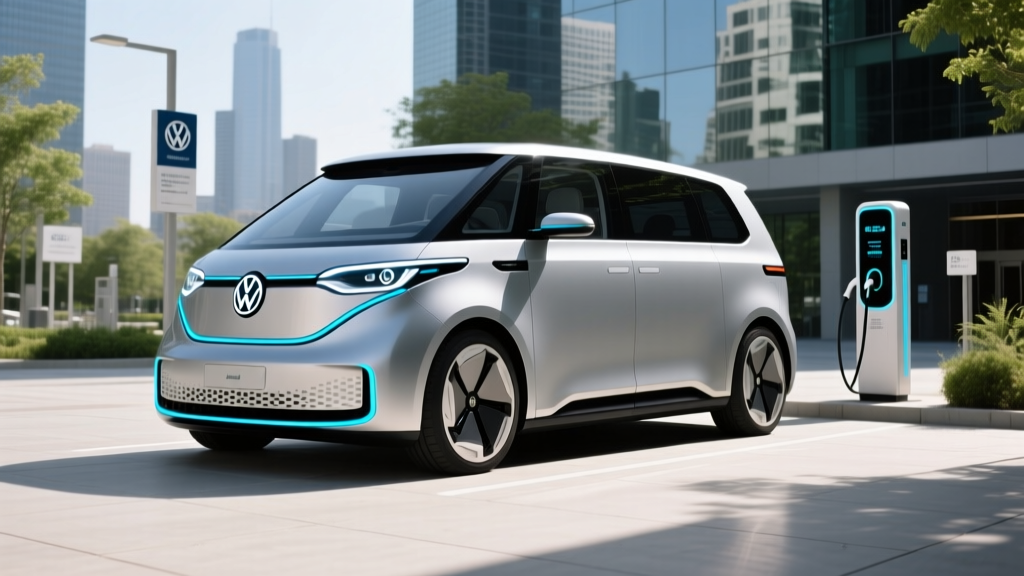
Volkswagen has not produced a dedicated electric Beetle as of 2026. The original Beetle was discontinued in 2019, and while VW has teased concepts like the ID. Life and explored retro-styled EVs, no production "EV Beetle" exists on the market today. The closest spiritual successor in VW's current electric lineup is the 2026 VW ID. Buzz — the all-electric microbus that channels VW's heritage design ethos into a modern EV platform. If you're searching for an "EV Beetle" because you want a retro-styled, affordable, city-friendly Volkswagen electric car, this guide covers what's actually available, what it costs to own, and how to decide if it fits your needs.
Why the EV Beetle Doesn't Exist (Yet) and What VW Built Instead
Volkswagen discontinued the gas-powered Beetle after the 2019 model year, ending a production lineage that stretched back decades. Since then, enthusiasts have clamored for an electric Beetle revival. VW has acknowledged the demand — the 2019 "ID. Buggy" concept and various trademark filings have fueled speculation — but the company has prioritized its ID. family of crossovers (ID.4), sedans (ID.7), and the heritage-inspired ID. Buzz minivan for the US market.
The 2026 VW ID. Buzz, built on VW's MEB platform, is the closest the automaker comes to blending nostalgic VW design with a fully electric powertrain. It won't scratch the itch for a compact, two-door EV Beetle, but it represents VW's current strategy: practical, family-oriented EVs with heritage styling cues.
For buyers specifically seeking a small, retro-styled electric car, the current market alternatives include the Fiat 500e (149 mi EPA range, ~$36,000 MSRP) and the Mini Cooper Electric (114 mi EPA range, ~$31,000 MSRP). Neither carries the VW badge, but both deliver the compact, character-rich EV experience that an EV Beetle would theoretically offer.
2026 VW ID. Buzz: Full EV Specifications
| Specification | ID. Buzz (Standard Range RWD) | ID. Buzz (Long Range AWD) |
|---|---|---|
| EPA Range | 234 miles | 231 miles |
| Battery Capacity (usable) | 86 kWh (NMC) | 86 kWh (NMC) |
| DC Fast Charge (peak) | 170 kW | 170 kW |
| 10–80% DC Fast Charge | ~26 minutes | ~26 minutes |
| Level 2 Charge Rate | 11 kW | 11 kW |
| Horsepower | 282 hp (RWD) | 335 hp (AWD) |
| 0–60 mph | ~7.9 seconds | ~6.5 seconds |
| MPGe (combined) | 87 MPGe | 84 MPGe |
| Base MSRP (2026) | ~$59,995 | ~$69,995 |
| Battery/Powertrain Warranty | 8 yr / 100,000 mi | 8 yr / 100,000 mi |
Sources: EPA fueleconomy.gov, VW.com ID. Buzz specs.
EV vs. Gas Minivan: The Cost Comparison That Matters
The ID. Buzz competes most directly with gas-powered minivans like the Honda Odyssey and Toyota Sienna (hybrid). Here's how a 5-year ownership comparison breaks down against the Toyota Sienna Hybrid (36 MPG combined, ~$40,000 MSRP):
| Cost Factor (5 Years) | 2026 VW ID. Buzz (RWD) | 2026 Toyota Sienna Hybrid |
|---|---|---|
| Purchase Price (MSRP) | $59,995 | $40,000 |
| Federal Tax Credit (§30D) | $0 (exceeds MSRP cap, sourcing TBD) | $0 (hybrid, not eligible) |
| Fuel/Energy Cost (75,000 mi) | ~$4,500 (home charging at $0.14/kWh) | ~$8,300 (gas at $3.50/gal, 36 MPG) |
| Maintenance (5 yr) | ~$1,200 | ~$3,500 |
| Insurance (avg annual × 5) | ~$12,500 | ~$9,500 |
| Estimated Depreciation | ~$24,000 | ~$14,000 |
| Total 5-Year Cost | ~$74,195 | ~$51,300 |
Key takeaway: The ID. Buzz saves significantly on fuel and maintenance — roughly $6,100 over 5 years — but the higher purchase price, steeper depreciation, and elevated insurance premiums mean the total cost of ownership remains substantially higher than a Sienna Hybrid. The math only improves if you have access to cheap solar-charged electricity or your state offers additional rebates (check state incentive databases for current programs).
Charging the ID. Buzz: Home Setup and Public Network Reality
The ID. Buzz uses the NACS (Tesla-style) connector for the 2026 model year, following VW's commitment to the North American Charging Standard. This grants access to Tesla Supercharger stations via native compatibility — a major advantage over older CCS-equipped vehicles that require adapters.
| Charging Level | Power (kW) | Miles Added per Hour | Typical Use Case |
|---|---|---|---|
| Level 1 (120V outlet) | ~1.4 kW | ~4–5 mi/hr | Overnight trickle, emergencies |
| Level 2 (240V, home) | 11 kW | ~33–35 mi/hr | Daily home charging (full in ~8 hr) |
| DC Fast Charge | 170 kW peak | ~200+ mi in 30 min | Road trips, rapid top-ups |
Home charging installation for a Level 2 setup typically costs $800–$2,500 if your electrical panel has capacity for a 50-amp circuit. Homes with older 100-amp panels may need a $2,000–$4,000 panel upgrade. Always get a quote from a licensed electrician before committing to a vehicle purchase.
Charging curve reality: The ID. Buzz peaks at 170 kW only between roughly 10–30% State of Charge (SoC). Above 50%, the rate tapers significantly, dropping below 80 kW past 70% SoC. A 10–80% charge takes approximately 26 minutes, but an 80–100% top-off can add another 25+ minutes. Plan road-trip stops around the 10–80% window for efficiency.
Common EV Beetle and ID. Buzz Misconceptions
| Myth | Fact |
|---|---|
| "VW is releasing an electric Beetle in 2026." | No production EV Beetle has been announced. VW's retro EV strategy centers on the ID. Buzz. |
| "The ID. Buzz qualifies for the $7,500 federal tax credit." | As of 2026, the ID. Buzz exceeds the §30D MSRP cap for vans ($80,000 limit applies, but battery sourcing and buyer income rules must also be met). Check IRS §30D guidelines for current eligibility. |
| "234 miles of range is enough for any road trip." | At highway speeds in cold weather, real range drops to ~165–185 miles. DC fast charging infrastructure must be planned carefully on routes exceeding 150 miles. |
| "EVs don't need any maintenance." | EVs still require tire rotations, cabin air filter changes, brake fluid checks, and wiper fluid. Budget ~$200–$300/year for basic EV maintenance. |
| "The ID. Buzz can tow like a gas minivan." | The ID. Buzz is rated for ~3,500 lbs towing — adequate for a small trailer but below the Sienna's 3,500 lb rating, and towing cuts range by 30–50%. |
Decision Framework: Should You Wait for an EV Beetle or Buy Now?
Choose the VW ID. Buzz if:
- You want a heritage-styled VW electric vehicle available now
- You need 3-row seating and minivan cargo versatility
- You have Level 2 home charging access and drive <150 miles daily
- You value NACS Supercharger network access for road trips
Wait or look elsewhere if:
- You specifically want a compact, 2-door retro EV — consider the Fiat 500e or Mini Cooper Electric
- You need >300 miles of real-world range for frequent long-distance travel
- Your budget is under $45,000 — the ID. Buzz starts near $60K
- You lack reliable home or workplace charging (public-only charging adds significant time and cost)
Hold out for a true EV Beetle if:
- You're willing to wait 2–4+ years with no guaranteed production date
- VW announces a compact MEB-based retro coupe (monitor VW's Accelerate strategy updates)
- You'd consider a used 2019 gas Beetle as a bridge vehicle
Frequently Asked Questions
Will Volkswagen ever make an electric Beetle?
VW has not confirmed an electric Beetle for production. The company has explored retro-styled EV concepts, but its current US strategy focuses on the ID.4 crossover, ID.7 sedan, and ID. Buzz minivan. An EV Beetle remains speculative and is not on any announced product timeline through 2028.
What's the cheapest way to get a VW-branded electric vehicle in 2026?
The most affordable new VW EV in the US market is the ID.4, starting around $40,000 MSRP before incentives. A used VW ID.4 (2023–2024 model year) can be found in the $25,000–$32,000 range, and may qualify for the used EV tax credit of up to $4,000 under §25E if the sale price is $25,000 or less and buyer income limits are met.
Does the ID. Buzz have a frunk (front trunk)?
No. Unlike some EVs built on dedicated platforms, the ID. Buzz does not offer a front trunk. All cargo space is in the rear, with up to ~138 cubic feet behind the front seats in the long-wheelbase configuration.
How does cold weather affect the ID. Buzz battery?
Lithium-ion NMC batteries lose efficiency in cold temperatures. Expect 20–30% range reduction below 30°F, primarily from increased cabin heating demand and reduced battery chemistry efficiency. The ID. Buzz includes a heat pump (standard on most trims), which improves cold-weather efficiency compared to resistive heating, but range loss is still significant. Always precondition the battery and cabin while plugged in before winter drives.
Is the ID. Buzz eligible for any tax credits in 2026?
Federal §30D credit eligibility depends on battery component sourcing, critical mineral requirements, buyer income caps ($300K joint / $150K single), and the vehicle's MSRP falling under the $80,000 van/SUV cap. As of early 2026, the ID. Buzz's battery sourcing compliance is uncertain — always verify against the latest fueleconomy.gov credit listings before purchasing. State and utility rebates may also apply; check your local programs.